Why Hospital Wastewater in Karnataka Requires Specialized Treatment
Hospital wastewater contains a complex mix of hazardous substances, including pathogens, antibiotics, disinfectants, and contrast agents, which differentiate it significantly from typical residential sewage. This unique composition necessitates specialized treatment to prevent environmental contamination and public health risks. Unlike municipal sewage, hospital effluent often includes pharmaceutical metabolites, heavy metals from dental or laboratory waste, and high concentrations of infectious agents, posing a direct threat to water bodies and groundwater resources if discharged untreated. The Karnataka State Pollution Control Board (KSPCB) mandates zero discharge of untreated medical effluent, with non-compliance risking significant penalties, operational suspension, and damage to institutional reputation. Karnataka holds a pioneering position in India, being the first state to ensure 100% segregation and safe disposal of biomedical liquid waste at all public health facilities, a landmark achievement noted by the World Bank in 2017. This commitment underscores the state's proactive approach to managing medical waste. Urban hospitals in Bangalore, in particular, face heightened urgency for robust treatment systems due to high population density, limited natural water bodies, and increased groundwater vulnerability, which amplifies the environmental impact of any untreated discharge.KSPCB Regulations and Hospital Effluent Standards in Karnataka
The Karnataka State Pollution Control Board (KSPCB) mandates strict effluent discharge standards for hospitals, aligning with the Central Pollution Control Board’s (CPCB) 2021 guidelines for general discharge into inland surface waters. These standards are critical for ensuring that treated wastewater from medical facilities does not adversely impact the environment or public health. Key parameters and their limits include a Biochemical Oxygen Demand (BOD) of ≤ 30 mg/L, Chemical Oxygen Demand (COD) of ≤ 250 mg/L, Total Suspended Solids (TSS) of ≤ 50 mg/L, and a fecal coliform count of ≤ 1000 Most Probable Number (MPN)/100mL. Hospitals generating more than 10 KLD (kilo liters per day) of wastewater are legally required to install an on-site Sewage Treatment Plant (STP), while facilities generating over 25 KLD, especially those with chemical-laden laboratory or dialysis waste, must implement an Effluent Treatment Plant (ETP) for specialized waste streams. Regular compliance is enforced through the Consent to Operate (CTO) renewal process, which mandates quarterly effluent testing and the installation of online continuous effluent monitoring systems (OCEMS) in major facilities to report real-time data to KSPCB. Zero Liquid Discharge (ZLD) is increasingly encouraged for new super-specialty hospitals, particularly in water-stressed zones like North Bangalore, to promote water conservation and maximize reuse.| Parameter | KSPCB/CPCB Discharge Standard (2021) |
|---|---|
| pH | 6.5 – 9.0 |
| BOD (at 20°C for 3 days) | ≤ 30 mg/L |
| COD | ≤ 250 mg/L |
| TSS (Total Suspended Solids) | ≤ 50 mg/L |
| Oil & Grease | ≤ 10 mg/L |
| Ammoniacal Nitrogen | ≤ 50 mg/L |
| Total Kjeldahl Nitrogen | ≤ 100 mg/L |
| Fecal Coliform | ≤ 1000 MPN/100mL |
| Residual Chlorine | < 1 mg/L |
Best Wastewater Treatment Technologies for Hospitals in Karnataka
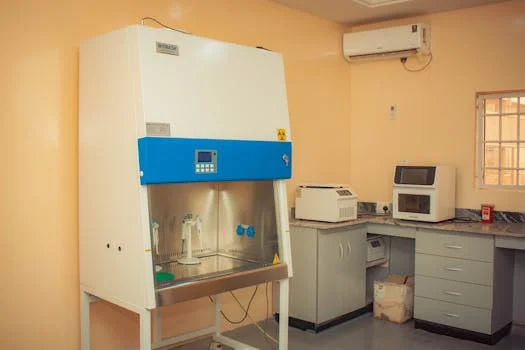
| Hospital Size/Waste Stream | Recommended HydropureWater Technology | Key Benefits | Typical Effluent Quality | Footprint |
|---|---|---|---|---|
| Small Clinics (<10 KLD) | Medical Wastewater Treatment System | Ozone disinfection, no chemicals, fully automatic | BOD <20 mg/L, TSS <20 mg/L | <0.5 m² |
| Medium Hospitals (10–100 KLD) | WSZ Series Underground STP (A/O process) | 90–95% BOD removal, underground installation, no operator | BOD <30 mg/L, TSS <50 mg/L | Compact, underground |
| Large Hospitals (>100 KLD) | MBR Systems (DF Series membranes) | High effluent quality for reuse, smaller footprint | BOD <10 mg/L, Turbidity <5 NTU | 60% smaller than conventional |
| Pharmaceutical/Lab Waste | DAF + Automatic Dosing System | Removes FOG, colloidal toxins, heavy metals | Reduced COD, TSS, oil & grease | Modular, scalable |
| Disinfection (All Sizes) | Chlorine Dioxide (ClO₂) Generator | 99.9% pathogen kill, broad-spectrum, stable | Fecal Coliform <100 MPN/100mL | Small, integrated |
Cost Breakdown and ROI for Hospital STP/ETP Systems in Karnataka
The capital expenditure for hospital wastewater treatment systems in Karnataka varies significantly by capacity and technology, with recent projects like District Wenlock Hospital's 500 KLD upgrade costing ₹2 crores. This translates to an approximate capital investment of ₹40,000 per KLD, including civil works, equipment, and automation, providing a benchmark for large-scale facilities. For smaller capacities, compact systems for 1–5 KLD range from ₹3–5 lakhs, offering a rapid payback period often less than 2 years due to reduced penalty risks and opportunities for water reuse. MBR systems, while having a higher initial capital cost ranging from ₹60,000–₹80,000 per KLD, provide distinct advantages like a 60% smaller footprint and superior effluent quality suitable for direct reuse, leading to long-term operational savings. Ongoing Operational and Maintenance (O&M) costs for automated systems typically range from ₹8–12 per KLD, covering labor, power consumption, and consumables such as chemicals or membrane cleaning agents. This figure is competitive, especially with systems designed for minimal manual intervention. The Return on Investment (ROI) for hospital wastewater treatment systems is significantly improved, by 30–40%, when treated water is effectively reused for non-potable purposes, such as gardening, toilet flushing, or cooling tower make-up. This not only reduces fresh water consumption costs but also enhances the hospital's environmental stewardship. For a comprehensive overview of current market rates, refer to our 2025 B2B pricing guide for medical wastewater systems.| System Type | Typical Capacity (KLD) | Capital Cost (₹/KLD, est. 2025) | Operational & Maintenance Cost (₹/KLD) | Key ROI Factor |
|---|---|---|---|---|
| Compact Ozone System | 1-5 | ₹60,000 – ₹100,000 | ₹5 – ₹8 | Reduced penalties, rapid payback (<2 years) |
| Conventional A/O STP (WSZ Series) | 10-100 | ₹40,000 – ₹55,000 | ₹8 – ₹12 | Compliance assurance, automated operation |
| MBR System (DF Series) | >100 | ₹60,000 – ₹80,000 | ₹10 – ₹15 | High-quality reuse, 60% smaller footprint, water savings |
| Integrated ETP (DAF + Chemical Dosing) | Variable | ₹70,000 – ₹90,000 | ₹12 – ₹18 | Specialized contaminant removal, regulatory compliance |
Implementation Roadmap: From Assessment to KSPCB Approval
Frequently Asked Questions
Hospital facility managers and procurement officers frequently inquire about the practical aspects of wastewater treatment compliance and system selection in Karnataka.What is the cost of a 100 KLD STP for a hospital in Karnataka?
Based on recent projects and technology choices, a 100 KLD STP for a hospital in Karnataka typically costs between ₹60–80 lakhs for advanced MBR systems and ₹40–50 lakhs for conventional Anaerobic/Oxic (A/O) plants, including civil works and installation.
Which treatment system is best for a small clinic in Bangalore?
For small clinics generating minimal wastewater (e.g., 1–5 KLD), the Medical Wastewater Treatment System with ozone disinfection is highly recommended. It requires no chemical dosing, fits in less than 1 m², and is fully automated, making it ideal for limited space and operational simplicity.
Does Karnataka require zero liquid discharge for hospitals?
Zero Liquid Discharge (ZLD) is not universally mandatory for all hospitals in Karnataka, but it is strongly incentivized and often required for new facilities with over 200 beds, especially those located in water-scarce zones, to promote water conservation and reuse.
How often should hospital STPs be maintained?
Hospital STPs require daily visual checks for pump operation and general system function. Monthly maintenance typically includes membrane cleaning for MBR systems and sludge removal as needed. Quarterly KSPCB reporting and comprehensive system audits are also essential for compliance and optimal performance.
Can treated hospital water be reused?
Yes, treated hospital wastewater can be reused if the effluent consistently meets CPCB reuse standards, typically requiring a BOD of less than 10 mg/L and a fecal coliform count of less than 10 MPN/100mL. This quality allows for non-potable applications such as irrigating gardens, vehicle washing, or toilet flushing, significantly reducing fresh water consumption.
Related Equipment
The following HydropureWater products are engineered for the wastewater challenges discussed above:
- compact ozone-based treatment system for clinics — view specifications, capacity range, and technical data
- fully automated underground sewage treatment plant — view specifications, capacity range, and technical data
Need a customized solution? Request a free quote with your specific flow rate and pollutant parameters.