Why Hospital ETP Maintenance Is Non-Negotiable
A hospital effluent treatment plant maintenance guide must include daily inspections, weekly calibration of online pH and turbidity meters, monthly sludge inventory checks, and quarterly disinfection system audits to ensure 99% uptime and compliance with WHO and EPA standards for pathogen removal. Medical wastewater is a concentrated stream of biological and chemical hazards, unlike municipal sewage. Hospital effluent contains 3–5× higher pathogen load than municipal sewage (WHO 2023), including multi-drug resistant bacteria, enteric viruses, and helminth eggs that require absolute containment.
The presence of pharmaceutical residues, specifically antibiotics and cytotoxic agents, presents a unique challenge to standard biological treatment. If the sludge retention time (SRT) is not monitored weekly, these residues can inhibit the metabolic activity of nitrifying bacteria, leading to a total collapse of the biological process. Hospital wastewater often carries high concentrations of disinfectants like glutaraldehyde from surgical sterilization, which can cause sudden pH swings and toxic shocks to the biomass if not equalized properly. Failure to maintain disinfection systems risks non-compliance with the EU Urban Waste Water Directive 91/271/EEC and local health department mandates, potentially leading to legal liability and public health crises. Proper upkeep of a compact automated hospital wastewater treatment unit with ozone disinfection ensures these complex contaminants are neutralized before discharge.
Daily Maintenance Checklist for ETP Operators
Daily inspections of twin lobe air blowers are necessary to ensure bearing temperatures remain below 85°C and vibrations do not exceed 7.1 mm/s RMS. Operators should alternate between duty and standby blowers every 12 to 24 hours to prevent localized overheating and ensure even wear on drive belts. Any abnormal grinding noise or sudden rise in discharge pressure often indicates a clogged diffuser or a failing bearing, which must be addressed immediately to maintain dissolved oxygen (DO) levels.
Chemical inventory management is the next priority. Operators must verify that levels in the PVC dosing tanks for hydrated lime, alum, and polyelectrolyte are at ≥30% capacity. A PLC-controlled dosing system for precise coagulant and pH adjuster injection helps prevent under-dosing or over-dosing, which can result in chemical carryover in the final effluent. Check all effluent transfer pumps for visible seal leaks and verify that the mechanical water flow meter is recording data within a ±5% accuracy range. The online pH meter in the holding tank must be checked to ensure readings stay between 6.5 and 9.0; these values must be logged in a digital logbook to provide a compliance trail for regulatory inspectors.
Weekly System Calibration and Safety Checks
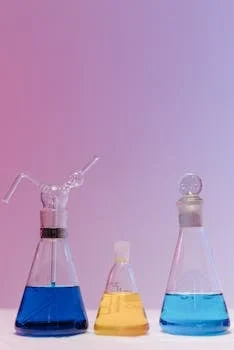
Calibration of online pH and turbidity meters every seven days is mandatory to maintain an accuracy of ±0.1 pH units and ±2% NTU. Using NIST-traceable buffer solutions, technicians must perform a two or three-point calibration to account for electrode drift. Accurate turbidity monitoring is critical in hospitals to ensure the disinfection stage is not shielded by suspended solids.
Weekly safety audits include testing emergency eyewash stations and safety showers to confirm they provide a minimum flow of 75.7 liters per minute for at least 15 minutes, as per OSHA 1910.151(c). In reaction tanks, inspect mechanical agitators to ensure they create a flow velocity of ≥0.3 m/s. Technicians should also trigger test alarms on the SCADA system to verify that critical notifications reach maintenance staff mobile devices. For facilities using chlorine-based disinfection, the weekly check includes the chlorine dioxide generator to ensure precursor chemicals are flowing at the correct stoichiometric ratios.
Monthly Preventive Maintenance and Sludge Management
Monthly Sludge Volume Index (SVI) monitoring is the primary indicator of biological health in secondary clarifiers. To calculate SVI, measure the volume of settled sludge in a 1-liter graduated cylinder after 30 minutes; the ideal range for hospital ETPs is 50–150 mL/g. If the SVI exceeds 200 mL/g, it indicates "sludge bulking," often caused by filamentous bacteria thriving on pharmaceutical residues. This must be corrected by adjusting the return activated sludge (RAS) rate or increasing the waste activated sludge (WAS) frequency.
Physical infrastructure also requires deep cleaning. Tube settler plates should be inspected for biofouling or "bridging" between plates; these must be cleaned using a high-pressure hose (≥200 psi) if more than 10% of the surface area is blocked. For filtration stages, sand and activated carbon media should be checked for bed compaction. If the head loss across the filter exceeds 5 psi, a prolonged backwash cycle is required. Operators should cross-reference chemical consumption logs against influent flow; a sudden 15-20% increase in alum or lime usage without a corresponding increase in flow typically indicates a dosing pump calibration fault or a change in influent chemistry. To ensure efficient waste handling, a plate and frame filter press should be used to dewater excess sludge, reducing disposal volume and costs.
| Maintenance Task | Frequency | Target Parameter / Action | Responsibility |
|---|---|---|---|
| Sludge Volume Index (SVI) Test | Monthly | 50–150 mL/g | Lab Technician |
| Tube Settler Plate Cleaning | Monthly | <10% Biofouling coverage | Plant Operator |
| Filter Media Backwash | Monthly (or as needed) | Head loss <5 psi | Plant Operator |
| Blower Belt Tension & Lube | Monthly | No slippage; check oil levels | Maintenance Engineer |
| Chemical Dosing Pump Calibration | Monthly | ±2% Stroke accuracy | Instrumentation Tech |
Quarterly Equipment Overhauls and Compliance Audits
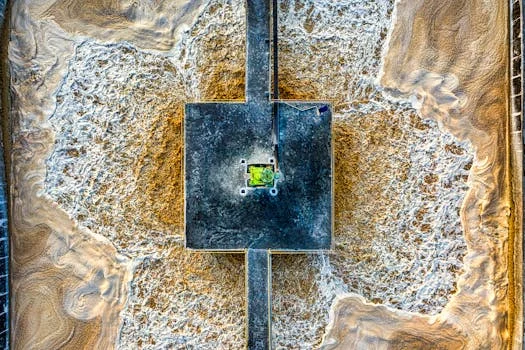
Chlorine dioxide generators require quarterly integrity testing to ensure a minimum 95% gas purity for total pathogen inactivation. The final effluent residual ClO₂ must be maintained between 1–2 mg/L. During this quarterly overhaul, the high-efficiency sedimentation tank should be inspected for structural integrity, and lamella clarifier underflow pipes must be checked for calcium carbonate scaling. If scale thickness exceeds 2 mm, a recirculating wash with 10% citric acid is necessary.
Compliance validation is the final quarterly pillar. A certified third-party laboratory should analyze effluent samples to confirm the plant meets local discharge limits, typically BOD ≤20 mg/L, TSS ≤30 mg/L, and fecal coliform ≤100 MPN/100mL. Reviewing the previous three months of maintenance logs can help identify trends of premature failure in specific components, such as pump seals or sensors. Understanding how hospitals in Europe meet strict discharge regulations with advanced treatment can provide a benchmark for performance expectations.
Troubleshooting Common Hospital ETP Failures
Effluent turbidity exceeding 5 NTU is often caused by the degradation of polyelectrolyte solutions older than 72 hours. In hospital settings, polymer chains can break down rapidly due to ambient temperature fluctuations, leading to poor floc strength. The fix involves discarding the old batch and recalibrating the dosing pump. If turbidity remains high, check for "pin flocs" escaping the clarifier, which may indicate over-aeration in the upstream tanks.
Erratic pH swings in the holding tank are usually symptomatic of inconsistent lime dosing, often caused by a failing lime slurry tank agitator or a clogged feed screw. Technicians should inspect the agitator motor and clear any obstructions. If the aeration tank dissolved oxygen (DO) drops below 2 mg/L, the primary suspect is a clogged blower air filter. For plants utilizing membrane technology, operators can refer to data-driven solutions for MBR membrane fouling and flux decline to resolve permeability issues. Additional expert fixes for buried wastewater treatment system troubleshooting can help diagnose issues in underground equalization or holding tanks.
Frequently Asked Questions
How often should hospital ETPs be serviced?
Hospital ETPs require daily visual inspections, weekly sensor calibrations, monthly sludge management audits, and quarterly mechanical overhauls to maintain 99% uptime.
What chemicals are used in hospital effluent treatment?
Treatment involves hydrated lime, alum, and polyelectrolyte. Disinfection typically requires chlorine dioxide, ozone, or high-intensity UV.
How to prevent clogging in tube settlers?
Clogging is prevented by quarterly high-pressure washing and ensuring functional upstream bar screens and grit chambers.
Is automation necessary for hospital ETP maintenance?
Yes. Automation via PLC and SCADA is essential for precise chemical dosing and real-time monitoring of disinfection levels.
What is the lifespan of a hospital ETP with proper maintenance?
With a rigorous quarterly maintenance schedule, a hospital ETP can operate efficiently for 15–20 years.