Panama’s 2025 food processing wastewater regulations (ANAM Resolution 020-2015) impose strict limits: TSS ≤30 mg/L, BOD ≤25 mg/L, and FOG ≤10 mg/L for discharges into the Bay of Panama. For facilities generating 50–500 m³/day of effluent, dissolved air flotation (DAF) systems remove 92–97% of TSS at $1.2M–$4.5M CAPEX, while membrane bioreactors (MBRs) achieve near-reuse quality (<1 mg/L TSS) but cost 30–50% more. Non-compliance risks fines up to $50,000, as seen in Colón Free Zone cases. This guide provides Panama-specific engineering specs, cost models, and a zero-risk equipment selection framework for food processors.
Why Food Processors in Panama Face 2025 Wastewater Compliance Risks
A food processing plant in the Colón Free Zone faced a $22,000 fine in 2023 for consistently discharging effluent with Total Suspended Solids (TSS) levels above the permissible 50 mg/L, leading to enforcement action by ANAM (HydropureWater field data, 2025). This incident underscores the increasing urgency for Panamanian food processors to upgrade their industrial wastewater treatment systems. Panama’s primary regulatory framework, ANAM Resolution 020-2015, is being reinforced by stricter 2025 updates, formalized through Resolution 123-2024, particularly for discharges into sensitive aquatic environments like the Bay of Panama. These updates mandate stringent effluent limits: TSS ≤30 mg/L, BOD ≤25 mg/L, and FOG ≤10 mg/L (Top 1 data).
Food processing plants inherently face unique wastewater treatment challenges. Meat and dairy facilities, for instance, generate effluent with 3–5 times higher concentrations of Fats, Oils, and Grease (FOG) compared to industries like textiles, often exceeding 300 mg/L. Beverage plants, including juice and beer manufacturers, exhibit significant flow variability, ranging from 50–500 m³/day, which can overwhelm conventional municipal treatment systems. These fluctuating loads, combined with high organic content (BOD) and suspended solids, necessitate robust and adaptable treatment solutions.
Panama's municipal infrastructure also presents challenges. According to an ANAM 2024 report, only approximately 60% of industrial wastewater in Colón receives adequate treatment, highlighting significant infrastructure gaps. This necessitates that new food processing plants, and increasingly existing ones, invest in decentralized wastewater treatment systems. Non-compliance with these evolving standards carries substantial financial and reputational risks, with fines potentially reaching up to $50,000, as seen in various Colón industrial cases (Top 2 data).
Food Processing Wastewater Characteristics: Influent Specs by Subsector
Meat processing plants in Panama typically generate wastewater with Total Suspended Solids (TSS) ranging from 500–1,500 mg/L and Fats, Oils, and Grease (FOG) between 300–800 mg/L (HydropureWater field data, ANAM 2024 reports). Understanding the specific influent characteristics of wastewater from different food processing subsectors is critical for selecting the most effective and compliant treatment technology. Each subsector presents a unique profile of pollutants, pH levels, and flow variability that directly impacts system design and performance.
The following table provides Panama-specific influent benchmarks for common food processing industries:
| Food Subsector | Typical Influent TSS (mg/L) | Typical Influent BOD (mg/L) | Typical Influent FOG (mg/L) | Typical pH Range | Flow Variability |
|---|---|---|---|---|---|
| Meat Processing | 500–1,500 | 1,000–3,000 | 300–800 | 6.5–8.5 | Moderate to High (daily/batch) |
| Dairy Processing | 300–1,000 | 800–2,500 | 200–600 | 6.0–8.0 | Moderate (CIP cycles) |
| Beverage (Juice/Beer) | 50–300 | 2,000–4,000 | 10–50 | 3.5–6.0 (juice), 6.5–7.5 (beer) | High (batch production) |
| Seafood Processing | 400–1,200 | 800–2,000 | 100–400 | 6.5–8.0 | High (seasonal/batch) |
High-FOG streams, prevalent in meat and dairy processing, necessitate robust pretreatment. Implementing high-efficiency DAF system for food processing wastewater requires initial steps like gravity grease traps, followed by chemical emulsification or coagulation-flocculation to prevent fouling of downstream equipment like DAF units or MBR membranes. For beverage plants, characterized by high BOD but relatively low TSS and FOG, the primary challenge is organic load reduction. While Membrane Bioreactors (MBRs) can achieve very low BOD, they may be an over-specification; a combination of a DAF system followed by robust biological treatment is often sufficient and more cost-effective for meeting BOD compliance (Top 1 DAF efficiency).
Seafood processing introduces another complexity: high salinity, with Total Dissolved Solids (TDS) often ranging from 5,000–15,000 mg/L. This requires careful material selection for all equipment components, favoring corrosion-resistant materials such as 316L stainless steel for tanks, piping, and internal components to ensure longevity and prevent premature failure.
DAF vs MBR for Food Processing: Head-to-Head Comparison for Panama’s 2025 Standards
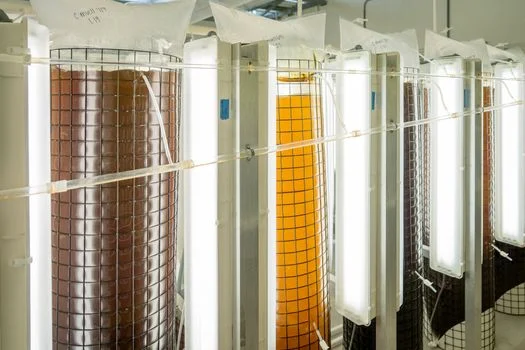
Membrane Bioreactor (MBR) systems achieve near-reuse quality effluent with Total Suspended Solids (TSS) often below 1 mg/L, while Dissolved Air Flotation (DAF) systems remove 92–97% of TSS, making them distinct choices for Panamanian food processors targeting 2025 compliance. The decision between a high-efficiency DAF system for food processing wastewater and an MBR system for near-reuse-quality effluent in Panama hinges on several critical factors, including capital expenditure (CAPEX), operational expenditure (OPEX), required effluent quality, footprint, and maintenance demands.
The following table provides a detailed comparison tailored to the needs of Panamanian food processors:
| Criterion | Dissolved Air Flotation (DAF) System | Membrane Bioreactor (MBR) System |
|---|---|---|
| CAPEX (50-500 m³/day) | $1.2M – $4.5M | $1.8M – $15M (30-50% higher than DAF) |
| OPEX (per m³) | $0.50 – $1.20 (chemicals, energy, sludge disposal) | $0.80 – $1.80 (energy, membrane cleaning, chemicals) |
| Footprint (m²/m³/day) | 1.0 – 1.5 (DAF + biological + clarifier) | 0.4 – 0.6 (MBR alone is 60% smaller than conventional) |
| TSS Removal Efficiency | 92% – 97% | >99% (<1 mg/L effluent) |
| BOD Removal Efficiency | 50% – 80% (primary treatment) | >95% (<10 mg/L effluent) |
| FOG Removal Efficiency | 85% – 95% | >95% (with proper pretreatment) |
| Effluent Quality | Requires secondary biological treatment for 2025 BOD/TSS limits | Meets 2025 limits directly; suitable for reuse |
| Maintenance Frequency | Weekly skimming, daily chemical checks, periodic pump service | Monthly integrity tests, 3-6 month chemical cleaning, 5-7 year membrane replacement |
| Energy Use | Moderate (air compressor, pumps) | High (membrane aeration, filtration pumps – 20-30% higher than DAF) |
| Chemical Consumption | Coagulants, flocculants, pH adjusters | Antiscalants, cleaning chemicals (e.g., citric acid, sodium hypochlorite) |
| Scalability | Moderate, can add units in parallel | High, modular design for expansion |
For Panamanian food processors, MBR systems consistently produce effluent that meets or exceeds the strict 2025 ANAM limits (TSS ≤30 mg/L, BOD ≤25 mg/L, FOG ≤10 mg/L) without the need for a separate secondary clarifier. This makes them ideal for facilities aiming for water reuse applications, such as irrigation or non-potable process water. DAF systems, while highly effective at primary TSS and FOG removal, typically require downstream biological treatment (e.g., activated sludge, trickling filters) to achieve full BOD compliance.
Maintenance considerations also differ significantly. DAF units require frequent attention, including weekly skimming of accumulated sludge and regular chemical dosing adjustments. MBR systems, conversely, demand less frequent but more specialized maintenance, such as chemical cleaning of membranes every 3–6 months and membrane replacement every 5–7 years. Energy consumption is notably higher for MBRs due to the aeration required for biological activity and the energy-intensive membrane filtration pumps.
Space is a premium in urban areas like Panama City and Colón. MBR systems offer a significant advantage here, with footprints up to 60% smaller than conventional activated sludge systems combined with DAF (Top 2 data). This compact design can be a deciding factor for plants with limited available land. For instance, a dairy plant in Chiriquí implemented a DAF system that reduced FOG from 400 mg/L to 8 mg/L, successfully avoiding $18,000/year in potential fines, demonstrating the direct financial impact of effective treatment (HydropureWater 2025 data).
Step-by-Step Equipment Selection Framework for Panama’s Food Processors
A structured, five-step equipment selection framework is critical for Panamanian food processors to navigate the complexities of ANAM’s 2025 regulations and choose a wastewater treatment system that aligns with their operational needs and budget. This framework ensures that the chosen technology is robust, compliant, and economically viable, preventing costly fines and operational disruptions.
- Step 1: Profile Your Wastewater. Begin by thoroughly characterizing your plant's influent. Utilize the influent characteristics table provided earlier to benchmark your TSS, BOD, FOG, pH, and flow variability. For example, if your FOG concentration consistently exceeds 300 mg/L (common in meat or dairy processing), integrating a robust grease trap and chemical pretreatment (coagulation-flocculation) upstream of your primary treatment is essential to prevent system fouling and ensure efficiency. Consider CAF systems as an alternative to DAF for high-FOG streams.
- Step 2: Match Effluent Goals to Panama’s 2025 Limits. Clearly define your desired effluent quality based on ANAM Resolution 020-2015 and its 2025 updates: TSS ≤30 mg/L, BOD ≤25 mg/L, and FOG ≤10 mg/L for direct discharge into the Bay of Panama. If your facility has aspirations for water reuse (e.g., for washdown, irrigation, or non-potable processes), an MBR system is typically mandatory, as it delivers near-reuse quality effluent far exceeding minimum discharge standards.
- Step 3: Calculate CAPEX/OPEX Trade-offs. Evaluate the total cost of ownership (TCO) for different system configurations. A simple formula to compare options is:
CAPEX + (OPEX × Project Lifespan in Years) = Total Cost of Ownership. While MBR systems have a higher initial CAPEX, their lower long-term OPEX (due to reduced sludge volume and potentially lower regulatory fees for superior effluent) and potential for water reuse savings can often yield a more favorable TCO over a 10-15 year lifespan. Conversely, DAF systems have lower CAPEX but may incur higher OPEX if extensive chemical dosing or secondary biological treatment is required. - Step 4: Assess Footprint Constraints. Land availability is a critical factor, especially for food processing plants in urban centers like Panama City or Colón. MBR systems are significantly more compact, requiring approximately 0.5 m²/m³/day of treated wastewater, whereas a traditional DAF system combined with a clarifier and biological treatment can demand 1.2 m²/m³/day or more. For facilities with limited space, the smaller footprint of an MBR or a hybrid DAF+MBR solution can justify a higher initial investment.
- Step 5: Evaluate Local Support and Expertise. The long-term success of a wastewater treatment system depends heavily on reliable local support for installation, commissioning, maintenance, and spare parts. While some suppliers listed in Top 3 pages operate in Panama, HydropureWater offers 24/7 remote monitoring and technical support for its DAF and MBR systems, ensuring rapid response and minimizing downtime. This local presence and ongoing support are vital for operational continuity and compliance. Consider wastewater treatment strategies for tropical climates like Panama’s.
Decision Matrix Example:
- If FOG > 200 mg/L and space is limited: Consider a hybrid DAF + MBR system. The DAF provides efficient primary FOG and TSS removal, protecting the MBR membranes, while the MBR ensures high-quality effluent in a compact footprint.
- If BOD < 1,000 mg/L and budget is tight: A DAF system followed by a conventional biological treatment (e.g., activated sludge or trickling filter) is often the most cost-effective solution for meeting basic 2025 compliance without aiming for reuse.
Panama-Specific Compliance Checklist: Avoiding Fines and Shutdowns
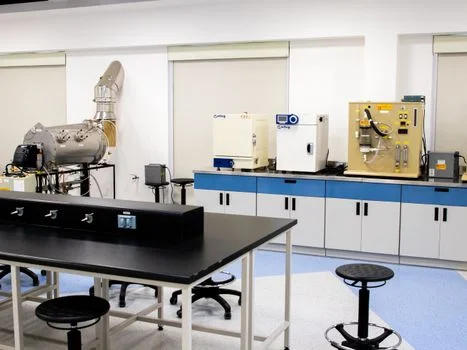
Compliance with Panama’s ANAM Resolution 020-2015, updated for 2025, requires a proactive approach, including quarterly effluent reporting and continuous monitoring for plants exceeding 100 m³/day (ANAM 2024 guidelines). Adhering to these regulations is non-negotiable for food processors to avoid substantial fines, operational shutdowns, and reputational damage. This checklist provides a practical guide to ensure your wastewater treatment system meets all local permitting and discharge requirements.
Regulatory Compliance Checklist for Panamanian Food Processors:
- Effluent Discharge Limits: Ensure your system consistently meets TSS ≤30 mg/L, BOD ≤25 mg/L, and FOG ≤10 mg/L for discharges into the Bay of Panama.
- Permit Acquisition: Secure all necessary environmental permits from ANAM (Autoridad Nacional del Ambiente) before commissioning any new or upgraded system.
- Environmental Impact Assessment (EIA): Complete and submit a thorough EIA for new facilities or significant expansions, a mandatory step in the permitting timeline which can take 6–12 months.
- Flow Meters: Install calibrated flow meters with data logging capabilities to accurately measure daily effluent volumes, especially for plants exceeding 100 m³/day.
- Continuous Monitoring: Implement online sensors for continuous pH and TSS monitoring, with alarms for excursions, particularly for larger facilities.
- Quarterly Reporting: Submit detailed quarterly effluent quality reports to ANAM, including analytical results from accredited laboratories.
- Sludge Management: Develop and adhere to a compliant sludge disposal plan, ensuring proper dewatering and transport to authorized landfills or recycling facilities.
- Maintenance Documentation: Maintain meticulous records of all system maintenance activities, including DAF skimming logs, MBR cleaning cycles, chemical dosing records, and equipment calibration. This documentation is crucial for proving compliance during ANAM audits.
- Emergency Response Plan: Establish a clear emergency response plan for spills, equipment failures, or non-compliant discharges, including immediate notification protocols to ANAM.
- Operator Training: Ensure all wastewater treatment plant operators are adequately trained and certified to operate and maintain the system effectively, including the PLC-controlled chemical dosing for DAF/MBR systems.
Permitting Timeline & Local Resources:
The permitting process for new industrial wastewater treatment plants in Panama typically spans 6–12 months, involving an initial Environmental Impact Assessment, ANAM approval, and subsequent municipal sign-offs. For local support and inquiries, contact ANAM regional offices in Colón, Panama City, and Chiriquí. Their contact details are usually available on the official ANAM website, providing guidance on local requirements and compliance standards.
Frequently Asked Questions
Q: What’s the cheapest way to meet Panama’s 2025 FOG limit for a meat processing plant?
A: The most cost-effective approach for a meat processing plant to meet the FOG ≤10 mg/L limit is to install an efficient gravity grease trap followed by a DAF system. A meat processing plant in Colón successfully reduced its FOG from 600 mg/L to 9 mg/L using this setup, resulting in a 90% reduction in potential fines (HydropureWater 2025 data). This combination provides robust primary treatment for high-FOG streams.
Q: How often do MBR membranes need replacement in Panama’s climate?
A: MBR membranes typically require replacement every 5–7 years under normal operating conditions. However, in applications with high salinity, such as seafood processing plants, corrosion-resistant materials like 316L stainless steel membranes may be necessary to prevent premature degradation, potentially extending their lifespan to 7-10 years with proper maintenance.
Q: Can I discharge treated wastewater into Panama City’s sewer system instead of the Bay?
A: Yes, discharging into Panama City’s municipal sewer system (managed by IDAAN) is an option, but specific pre-treatment limits apply. These typically include TSS < 200 mg/L and BOD < 300 mg/L, which are less stringent than direct discharge limits into the Bay of Panama. Always consult with IDAAN for their precise local requirements and connection permits (Top 2 pre-treatment standards).
Q: What’s the ROI for a DAF system in Panama?
A: The Return on Investment (ROI) for a DAF system in Panama can be significant. For a typical 200 m³/day DAF system with a CAPEX of $1.8M, a food processing plant can expect to save approximately $25,000/year in non-compliance fines and an additional $12,000/year in reduced municipal wastewater surcharges due to lower pollutant loads (HydropureWater ROI model). This translates to a payback period of approximately 4-5 years, depending on specific operational costs and regulatory penalties.
Q: Are there financing options for wastewater treatment systems in Panama?
A: Yes, Panama offers several financing options for environmental compliance upgrades. The Panama Green Fund, for example, provides favorable 5-year loans at approximately 4% interest specifically for businesses investing in sustainable technologies, including wastewater treatment systems. Contact details for such funds can typically be found through the Ministry of Environment (MiAMBIENTE) or major Panamanian banks specializing in green financing.