Why Food Processing Plants Struggle with Wastewater Compliance
Food processing wastewater is characterized by extreme variability and high organic loading, typically containing 500–5,000 mg/L of Total Suspended Solids (TSS) and 100–2,000 mg/L of Fats, Oils, and Grease (FOG) (EPA 2023 data). These concentrations far exceed the discharge limits mandated by EPA 40 CFR Part 405, which often require TSS levels to be below 30 mg/L for direct discharge or strictly controlled levels for municipal sewer acceptance. For many facilities, traditional pretreatment methods fail to bridge this gap, leading to significant operational and financial risks.
Common pretreatment failures often stem from the physical nature of food-derived pollutants. In dairy plants, emulsified fats can bypass standard gravity interceptors, while in meat processing, high protein loads lead to rapid fouling of fine screens. When these pollutants enter downstream processes, they cause catastrophic failures: clogged membranes in MBR systems for post-CAF biological treatment and the inhibition of oxygen transfer in activated sludge tanks due to surface-active grease layers. A 2024 case study of a Midwest meat processor highlighted that a single week of pretreatment bypass resulted in biological system collapse, requiring three weeks of recovery and $120,000 in hauling costs.
The cost of non-compliance is no longer just a "slap on the wrist." Under the EPA Clean Water Act, facilities can face fines of up to $50,000 per day per violation. many municipal treatment plants are now enforcing "surcharge" pricing, where food processors pay exponential premiums for every milligram of BOD or TSS above their permit limit. For a medium-sized plant, these surcharges can easily reach $15,000–$25,000 per month—costs that directly erode the facility's bottom line and competitive advantage.
How Cavitation Air Flotation (CAF) Works: Mechanism and Process Parameters
The cavitation air flotation system for food processing operates on the principle of hydrodynamic cavitation to generate microbubbles without the need for external air compressors or pressure vessels. The heart of the system is the cavitation aerator, which utilizes a high-speed impeller to create a localized vacuum. This vacuum draws atmospheric air down a hollow shaft into the wastewater, where the turbulent shear forces break the air into millions of microbubbles ranging from 80 to 120 micrometers in size. This process creates what is often described as a "massive vehicle for flotation," ensuring that even heavy organic flocs are carried to the surface.
Key process parameters determine the efficiency of a CAF system. Unlike traditional methods, CAF maintains a high hydraulic loading rate (HLR) of 8–12 m/h, allowing for a smaller equipment footprint. The air-to-solids ratio typically ranges between 0.02 and 0.05, providing sufficient buoyancy for high-TSS streams. Retention time is remarkably low, usually between 5 and 10 minutes, as the instantaneous floc formation in the cavitation chamber prevents the occurrence of "sinkers"—a frequent failure point in Dissolved Air Flotation (DAF) systems where heavy particles settle before they can attach to bubbles.
| Parameter | Standard Operating Range | Impact on Performance |
|---|---|---|
| Hydraulic Loading Rate (HLR) | 8–12 m/h | Determines system footprint and throughput |
| Air-to-Solids Ratio | 0.02 – 0.05 | Ensures buoyancy for high-FOG/TSS loads |
| Retention Time | 5 – 10 minutes | Prevents sedimentation of heavy organic solids |
| Bubble Size | 80 – 120 μm | Optimized for large organic floc attachment |
Chemical conditioning is essential for optimizing CAF performance. To achieve maximum removal, PLC-controlled chemical dosing for CAF systems is used to introduce coagulants and flocculants. Typically, coagulants like Polyaluminum Chloride (PAC) or ferric chloride are dosed at 50–200 mg/L to destabilize colloidal particles. This is followed by the addition of flocculants (polyacrylamide) at 1–5 mg/L to bind the destabilized particles into larger, buoyant flocs that the cavitation microbubbles can easily lift to the surface for skimming (HydropureWater field data, 2025).
CAF vs. DAF vs. SAF: Head-to-Head Comparison for Food Processing

Choosing between Cavitation Air Flotation (CAF), Dissolved Air Flotation (DAF), and Suspended Air Flotation (SAF) requires an understanding of the specific wastewater characteristics and operational priorities of the food processing plant. While all three technologies use air to float solids, their mechanical execution and cost profiles vary significantly.
CAF systems offer a distinct advantage in high-FOG environments such as dairy and meat processing. Because they lack air compressors, pressure tanks, and recirculation pumps, CAF systems have approximately 30% lower OPEX than DAF systems. The absence of complex recirculation loops also means there are fewer narrow orifices to clog—a major benefit when dealing with wastewater that contains residual fats or fibrous material. However, DAF systems, such as dissolved air flotation (DAF) systems for low-FOG streams, produce finer bubbles (40–70 μm), which are superior for removing very fine colloidal solids in applications like breweries or starch processing where TSS is the primary concern rather than high FOG.
| Criterion | Cavitation Air Flotation (CAF) | Dissolved Air Flotation (DAF) | Suspended Air Flotation (SAF) |
|---|---|---|---|
| TSS Removal (%) | 90% – 95% | 95% – 99% | 92% – 96% |
| FOG Removal (%) | 90% – 98% | 85% – 95% | 90% – 95% |
| CAPEX (50 m³/h) | $120K – $150K | $160K – $200K | $200K – $250K |
| OPEX ($/m³) | $0.10 – $0.15 | $0.18 – $0.25 | $0.20 – $0.30 |
| Main Advantage | Low maintenance; no clogs | Ultra-fine particle removal | Anaerobic compatibility |
SAF systems are a specialized alternative, often utilized in anaerobic pretreatment because they can use methane gas instead of air to maintain the anaerobic state of the effluent. However, SAF requires significant gas handling infrastructure and carries the highest CAPEX of the three. For the majority of aerobic food processing pretreatment needs, CAF represents the "sweet spot" of reliability and cost-efficiency, particularly where hydraulic loading exceeds 10 m/h and FOG levels are consistently above 500 mg/L.
2026 Engineering Specs for CAF Systems in Food Processing
Modern engineering specifications for CAF systems have evolved to handle the increasingly concentrated waste streams produced by high-efficiency food production lines. To ensure a zero-risk installation, engineers must design around the specific influent quality typical of the sector. For instance, a system designed for a poultry plant must account for high proteinaceous solids, whereas an edible oil refinery requires a design focused on high-emulsion breaking.
The standard influent envelope for a 2026-spec CAF system includes TSS levels up to 5,000 mg/L and FOG up to 2,000 mg/L, with an operating pH range of 6.0 to 9.0. Under these conditions, the system is expected to deliver effluent quality meeting EPA 40 CFR Part 405 limits: TSS <30 mg/L and FOG <50 mg/L. This level of performance is achieved through a combination of high hydraulic loading (8–12 m/h) and precision chemical dosing tailored to the specific food stream.
| Food Sector | Typical Influent TSS (mg/L) | Coagulant Dose (mg/L) | Flocculant Dose (mg/L) | Expected Removal Efficiency |
|---|---|---|---|---|
| Dairy (Milk/Cheese) | 800 – 2,500 | 100 – 150 | 2 – 4 | 94% TSS / 96% FOG |
| Meat Processing | 1,500 – 4,000 | 150 – 200 | 3 – 5 | 92% TSS / 95% FOG |
| Beverage/Bottling | 100 – 500 | 50 – 80 | 1 – 2 | 95% TSS / 90% FOG |
Sludge production is another critical engineering spec. CAF systems typically generate a sludge volume equivalent to 0.5% to 2% of the total influent volume. This sludge is highly buoyant and has a solids concentration of 3% to 6% before dewatering. Proper design must include a dedicated sludge holding tank and a compatible dewatering system (such as a screw press or belt press) to manage the oily solids effectively and minimize disposal costs.
Cost Breakdown: CAF System CAPEX, OPEX, and ROI for Food Processors
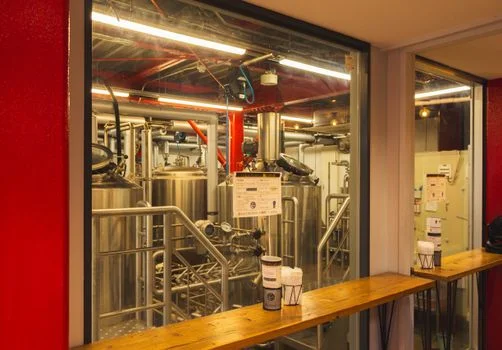
Procurement managers must look beyond the initial purchase price to understand the true total cost of ownership (TCO) of a cavitation air flotation system for food processing. In 2026 pricing, a 50 m³/h CAF system carries a CAPEX of $120,000 to $150,000. This includes the 304/316 stainless steel flotation tank, the cavitation aerator, the chain-driven skimmer, and the basic control panel. Installation and commissioning typically add another 10–15% to the base price.
The operational expenditure (OPEX) for CAF is where the technology provides the most significant savings. Average OPEX ranges from $0.10 to $0.15 per cubic meter of treated water. This is broken down into electricity (approx. $0.02/m³ for the aerator and skimmer motors), chemicals ($0.05–$0.08/m³), and routine maintenance ($0.03/m³). Because CAF lacks the high-pressure pumps of a DAF system, energy consumption is reduced by nearly 40% (HydropureWater field data, 2025).
| Cost Component | Estimated Cost (per m³) | Annual Cost (200 m³/day plant) |
|---|---|---|
| Electricity | $0.02 | $1,460 |
| Chemicals (PAC/PAM) | $0.07 | $5,110 |
| Maintenance & Spares | $0.03 | $2,190 |
| Sludge Disposal | $0.02 | $1,460 |
| Total OPEX | $0.14 | $10,220 |
The Return on Investment (ROI) for a CAF system is typically realized within 18 to 24 months for plants discharging more than 100 m³/day. For a dairy plant processing 200 m³/day, switching from a high-surcharge municipal discharge to a CAF-pretreated discharge can save over $80,000 annually in municipal fees and chemical costs compared to less efficient gravity separation or high-maintenance DAF systems. The sensitivity of these costs is primarily driven by influent FOG levels; higher FOG requires more chemical dosing but also results in higher savings by preventing downstream system failures.
Compliance Checklist: Meeting EPA and Local Discharge Standards with CAF
Achieving compliance is the primary driver for CAF investment. In the United States, the EPA 40 CFR Part 405 (Dairy Products Processing) and Part 432 (Meat and Poultry Products) set the baseline. CAF systems are specifically engineered to reach TSS levels <30 mg/L and FOG <50 mg/L, which generally satisfies most direct discharge permits. by removing the bulk of the organic solids, CAF can reduce the influent Biological Oxygen Demand (BOD) by 30% to 70%, making subsequent biological treatment much more manageable.
In Europe, the EU Urban Waste Water Directive 91/271/EEC sets similar stringent goals, requiring TSS <60 mg/L and COD <125 mg/L. CAF effluent typically reaches COD levels well below 100 mg/L for many food streams, ensuring compliance with most European municipal standards. However, local standards can be even stricter; for example, certain districts in California require TSS as low as 10 mg/L for direct discharge to sensitive water bodies. In such cases, CAF serves as the essential pretreatment step before chlorine dioxide disinfection for food processing effluent or tertiary filtration.
To maintain compliance, plants must follow a rigorous documentation protocol. This includes:
- Daily composite sampling and testing for TSS and FOG.
- Continuous monitoring of flow rates and chemical dosing levels using chlorine dioxide generators for post-CAF disinfection where microbial control is required.
- Maintenance logs for aerator impeller inspections and skimmer alignment.
- Annual calibration of all flow meters and automated sensors.
Zero-Risk Selection Framework: How to Choose a CAF System for Your Plant
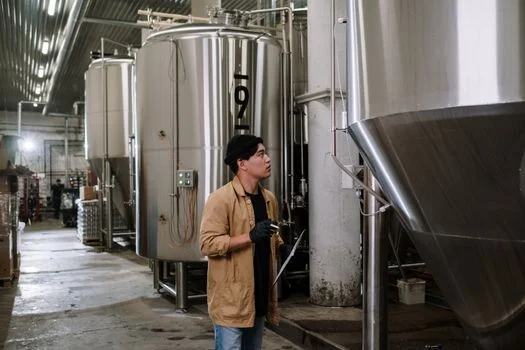
A procurement error in wastewater treatment can lead to years of operational headaches and regulatory fines. To ensure a zero-risk selection, follow this structured six-step framework:
- Verify Influent Quality: Do not rely on "typical" industry data. Conduct a 7-day composite sampling program during peak production hours to determine the true maximum TSS, FOG, and pH fluctuations of your specific stream.
- Match Capacity to Peak Flow: Always size the CAF system based on the maximum hourly flow rate, not the daily average. Ensure the hydraulic loading rate remains between 8–12 m/h even during peak wash-down periods.
- Evaluate Vendor Track Record: A qualified vendor should provide at least five references from food processing facilities with similar waste streams that have been in operation for at least two years.
- Request a Pilot Test: For high-risk or complex waste streams, insist on a 2–4 week on-site pilot test. This validates the chemical dosing requirements and proves the system can hit TSS/FOG targets under real-world conditions.
- Compare TCO, Not Just CAPEX: Use the comparison table provided earlier to evaluate the long-term energy and chemical costs of CAF versus DAF. Often, the lower OPEX of CAF justifies a slightly higher initial investment in high-grade materials like 316 stainless steel.
- Confirm Documentation Support: Ensure the vendor provides comprehensive O&M manuals, automated compliance logging features, and a clear path for technical support and spare parts.
Frequently Asked Questions
Is CAF better than DAF for dairy wastewater?Yes, for most dairy applications, CAF is superior due to its ability to handle high FOG and fluctuating solids without the clogging risks associated with DAF recirculation pumps. While DAF can achieve slightly lower TSS, CAF provides 90–95% removal with 30% lower operating costs and significantly less maintenance, making it the more cost-effective choice for dairy pretreatment.
What are the typical chemical costs for a CAF system?Chemical costs generally range from $0.05 to $0.08 per cubic meter treated. This includes coagulants (PAC) at roughly $0.40/kg and flocculants (PAM) at $3.00/kg. For a plant treating 200 m³/day, this equates to approximately $10 to $16 per day in chemical expenses, depending on the organic load of the influent.
Does CAF remove dissolved BOD?CAF primarily removes insoluble BOD associated with suspended solids and fats. While it can reduce total BOD by up to 70% by removing these solids, it does not remove dissolved sugars or alcohols. For high-dissolved-BOD streams, CAF must be followed by a biological process like an MBR system.
How often does a CAF aerator require maintenance?The cavitation aerator is designed for continuous operation. Routine maintenance involves a monthly inspection of the impeller for wear and a semi-annual check of the motor bearings and seals. Because there are no compressors or high-pressure pumps, the overall maintenance burden is 50% lower than that of a DAF system.