In Italy, DAF (Dissolved Air Flotation) systems achieve 92-97% TSS removal and 85-95% FOG reduction for industrial wastewater, meeting EU Directive 91/271/EEC and Italian Decree 152/2006. Typical hydraulic loading rates range 20-40 m/h with chemical coagulation enhancing performance. For 2025, expect €80,000-€250,000 CAPEX for 50-200 m³/h systems, with OPEX at €0.15-€0.30/m³ treated. Italy's top suppliers (SEFT, Sica, Italprogetti) offer ULTRACell and patented flocculation variants for sector-specific compliance.
Why Italian Factories Are Switching to DAF Systems in 2025
A major food processing facility in Parma was fined €120,000 in early 2024 for exceeding the 250 mg/L Total Suspended Solids (TSS) limit established under Article 101 of Italian Legislative Decree 152/2006. This incident reflects a broader shift in the Italian industrial sector, where the EU Environmental Implementation Review 2024 forecasts a 37% increase in industrial wastewater inspections for the 2025 fiscal year. As regulatory bodies like ARPA (Agenzia Regionale per la Protezione Ambientale) tighten enforcement, traditional sedimentation tanks are proving insufficient for modern compliance requirements.
Data from the Italian Water Association (2023) indicates that DAF systems provide approximately 42% cost savings compared to conventional sedimentation for high-FOG (Fats, Oils, and Grease) waste streams. This efficiency is particularly critical given Italy's industrial distribution: food processing accounts for 38% of industrial wastewater volume, followed by textiles at 22%, and chemical manufacturing at 15%. Each of these sectors faces unique contaminant profiles that DAF technology is uniquely engineered to address. For instance, in the Prato textile district, DAF systems are essential for removing micro-fibers and complex dyes that bypass gravity settlers.
The transition to DAF is also driven by land scarcity in northern Italian industrial zones. With industrial real estate prices in Lombardy and Veneto ranging from €1,200 to €2,500/m², the compact footprint of a flotation unit offers a significant financial advantage over large-scale clarifiers. the 2025 enforcement trends emphasize not just the removal of pollutants, but the consistency of discharge quality, a metric where Italy's industrial wastewater treatment regulations and solutions now demand real-time monitoring and higher reliability.
How DAF Systems Work: Italy-Specific Process Engineering
Micro-bubble generation in a DAF system requires the production of bubbles with a diameter of 30-50 μm, typically achieved by recycling 10-30% of the treated effluent through a saturation vessel at 4-6 bar pressure. In Italy, the high mineral content (hard water) found in regions like Emilia-Romagna and Puglia necessitates the use of high-grade stainless steel (AISI 316L) for saturators to prevent scaling and corrosion. This engineering choice ensures the longevity of the air-dissolving mechanism, which is the heart of the flotation process.
Chemical coagulation is a prerequisite for high-efficiency performance, especially in Italian textile mills where Polyaluminum Chloride (PAC) dosages typically range from 50 to 150 mg/L. Optimal flocculation occurs when the pH is adjusted to 6.5-7.5, allowing the micro-bubbles to attach to the floc particles and lift them to the surface. To manage this precisely, many facilities integrate PLC-controlled chemical dosing for Italian DAF systems to minimize reagent waste and ensure compliance with Decree 152/2006 limits.
The hydraulic loading rate (HLR) is a critical design parameter for Italian engineers. While standard systems operate at 20-40 m/h, specialized Italian suppliers now offer high-rate variants capable of 50 m/h for high-flow applications such as paper mills. Sludge handling also falls under strict regulation; Italian Legislative Decree 152/2006, Annex 5, requires that sludge be dewatered to at least 20% Dry Solids (DS) before landfill disposal. Modern DAF systems for Italian industrial wastewater compliance produce a primary sludge concentration of 2-5%, which significantly reduces the energy required for subsequent mechanical dewatering.
| Parameter | Standard DAF Specification | Italy-Specific Requirement |
|---|---|---|
| Bubble Size | 30-50 μm | Controlled via AISI 316L Saturators |
| Saturation Pressure | 4-6 bar | Optimized for high-calcium water |
| Hydraulic Loading | 20-40 m/h | Up to 50 m/h for paper/textile mills |
| Sludge Concentration | 2-5% solids | Post-treatment dewatering to 20% DS |
| Coagulant Type | Standard PAC/Polymer | Specific PAC dosages (50-150 mg/L) |
Specialized variants like the ULTRACell DAF are increasingly utilized in Italian tanneries and paper mills. These systems utilize a circular geometry and high-torque surface scrapers to handle heavy solids loads that would overwhelm rectangular units. The ULTRACell design is particularly effective at achieving the sub-35 mg/L TSS levels required for discharge into sensitive Italian water bodies.
DAF vs Alternatives: 2025 Engineering Comparison for Italian Facilities
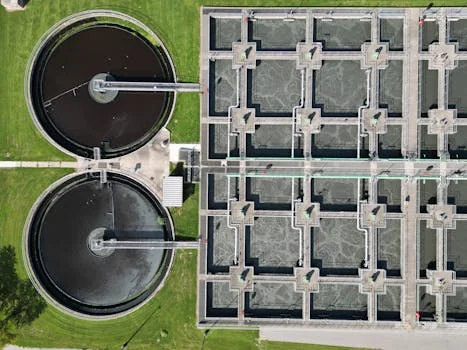
Removal efficiencies for DAF systems (92-97% TSS, 85-95% FOG) significantly outperform traditional sedimentation, which typically captures only 70-85% of TSS and struggles with buoyant oils. In the context of Italian industrial zones, where space is at a premium, DAF systems require only 0.5-1.0 m² per m³/h of treated water. In contrast, Membrane Bioreactors (MBR) require 1.2-1.8 m²/m³/h. Given the high land costs in Italian industrial parks, choosing DAF can save a facility between €50,000 and €150,000 in land acquisition costs alone for a mid-sized plant.
Energy consumption is a primary concern for Italian procurement specialists, as the industrial electricity rate in Italy is projected to remain near €0.18/kWh in 2025. DAF systems consume 0.2-0.4 kWh/m³, which is slightly lower than Submerged Air Flotation (SAF) at 0.3-0.5 kWh/m³. However, the chemical efficiency of DAF often offsets this, as it requires 50-150 mg/L of coagulant compared to the 100-200 mg/L often needed for effective sedimentation in high-load scenarios. With Italian PAC costs ranging from €2.50 to €4.00/kg, optimizing chemical usage is essential for OPEX control.
| Feature | DAF System | Sedimentation Clarifier | MBR (Membrane Bioreactor) |
|---|---|---|---|
| TSS Removal % | 92-97% | 70-85% | 99%+ |
| FOG Removal % | 85-95% | <60% | Low (requires pre-treatment) |
| Footprint (m²/m³/h) | 0.5-1.0 | 2.5-4.0 | 1.2-1.8 |
| Energy (kWh/m³) | 0.2-0.4 | 0.05-0.1 | 0.8-1.5 |
| Compliance Grade | High (Decree 152/2006) | Moderate/Low | Very High |
Engineers must compare DAF with sedimentation and SAF for Italian applications to determine which technology aligns with their specific discharge permit. While MBR offers superior removal, its high CAPEX and energy demand often make DAF the preferred choice for primary or secondary treatment where Decree 152/2006 limits for FOG (<20 mg/L) and TSS (<80 mg/L) are the primary targets.
Italy's Top 5 DAF Suppliers: 2025 Technical Comparison
The Italian market for wastewater equipment is dominated by domestic manufacturers, which account for 62% of the sector, followed by EU imports at 28% and Chinese imports at 10%. Leading domestic suppliers such as SEFT (Modena), Sica (Bologna), and Italprogetti (Prato) have built reputations on high-customization capabilities tailored to the specific needs of Italian tanneries and food processors. These suppliers typically offer capacities ranging from 5 to 300 m³/h, competing directly with international series like the HydropureWater DAF line.
Technical certifications are a non-negotiable aspect of procurement in Italy. All systems must bear the CE marking and adhere to UNI EN 12566-3:2016 for packaged plants. Domestic suppliers often provide a 24-36 month warranty and guarantee on-site service response times of 12-48 hours. In contrast, international vendors may offer lower initial costs—€60,000-€90,000 for a 50 m³/h system compared to the €80,000-€120,000 charged by Italian domestic brands—but often have longer response times for technical support.
| Supplier Origin | Avg. CAPEX (50 m³/h) | Warranty Period | Service Response | Key Differentiator |
|---|---|---|---|---|
| Italian (SEFT/Sica) | €80,000 - €120,000 | 24-36 Months | 12-48 Hours | Local compliance expertise |
| EU Import | €90,000 - €130,000 | 24 Months | 24-72 Hours | Standardized modules |
| Chinese | €60,000 - €90,000 | 12-24 Months | 72+ Hours | Cost-to-performance ratio |
The 2025 landscape shows Italian manufacturers focusing on "Industry 4.0" integration, offering DAF units with remote cloud monitoring and automated sludge density sensors. This level of automation is increasingly required by Italian facilities aiming to reduce labor costs, which currently average €25-€35 per hour for specialized environmental technicians.
DAF System Costs in Italy: 2025 CAPEX, OPEX & ROI Calculator
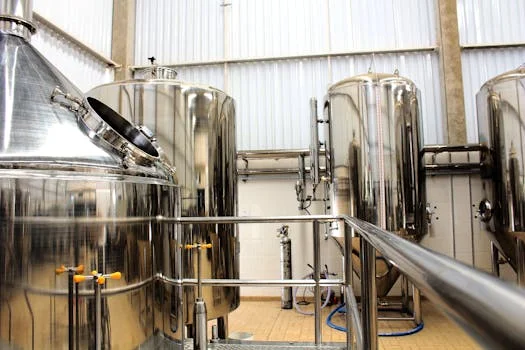
Budgeting for a DAF system in Italy requires a comprehensive look at both initial investment and lifetime operational costs. CAPEX for a 50-200 m³/h system typically ranges from €80,000 to €250,000. Installation costs are significant in Italy, often representing 20-30% of the equipment price due to stringent civil engineering codes and electrical safety standards (CEI standards). However, these costs can be mitigated through the PNRR (Piano Nazionale di Ripresa e Resilienza), which offers grants covering 30-50% of the investment for industrial water treatment upgrades that demonstrate significant environmental impact.
OPEX for DAF systems in Italy is estimated at €0.15-€0.30 per cubic meter of water treated. This breakdown includes electricity (€0.18/kWh), chemical reagents (€2.50-€4.00/kg for PAC), and scheduled maintenance. Maintenance costs for a 100 m³/h system average €5,000-€15,000 annually, covering pump seals, scraper blade replacements, and the cleaning of the saturation system every 6-12 months.
| Cost Component | Annual Estimate (100 m³/h System) | Notes |
|---|---|---|
| Electricity | €18,000 - €22,000 | Based on 0.3 kWh/m³ at €0.18/kWh |
| Chemicals (PAC) | €25,000 - €40,000 | Based on 100 mg/L dosage |
| Maintenance/Labor | €10,000 - €15,000 | Technician rate €30/hour |
| Sludge Disposal | €20,000 - €35,000 | Depends on DS% and local landfill rates |
The ROI for Italian food processors is particularly attractive, with a typical payback period of 3 to 5 years. This is calculated based on the avoidance of environmental fines (which can exceed €100,000 per violation) and the reduction in sewer discharge surcharges imposed by local water authorities (Gestori del Servizio Idrico Integrato). Modular expansion and energy recovery systems, such as VFD (Variable Frequency Drive) motors on saturation pumps, are the primary strategies currently used by Italian firms to further shorten the ROI period.
Italian Compliance Checklist: DAF System Requirements for 2025
Navigating the regulatory requirements for DAF installation in Italy requires strict adherence to both European and national laws. The EU Urban Waste Water Directive 91/271/EEC sets the baseline, but Italian Legislative Decree 152/2006 often imposes stricter sector-specific limits. For example, while the EU might allow higher TSS for some discharges, Italian law for the textile sector limits chromium to 10 mg/L and TSS to 50 mg/L for discharge into surface waters.
- Monitoring: Installations must include continuous measurement of pH, TSS, and flow rate as per the 2024 Italian Ministry of Environment guidelines.
- Sludge Management: All DAF sludge must be characterized and dewatered to at least 20% DS. Agricultural reuse is an option under EU Regulation 2019/1009, provided the sludge meets heavy metal and pathogen limits.
- Permitting: The "Autorizzazione Unica Ambientale" (AUA) process typically takes 6-12 months. Procurement should begin well in advance of permit expiration.
- Inspections: Expect at least one unannounced inspection per year by ARPA, with a focus on the operational logs of the chemical dosing system.
To ensure long-term compliance, facilities should consider systems designed for high-load variability. For facilities with specialized needs, such as those in the medical or pharmaceutical sectors, reviewing specialized wastewater treatment requirements is essential to ensure that flotation technology is paired with the correct disinfection or advanced oxidation stages. The 2025 trend toward "Zero Liquid Discharge" (ZLD) in northern Italy is also pushing many facilities to integrate DAF as a robust pre-treatment for Reverse Osmosis (RO) systems.
Frequently Asked Questions
What is the main difference between DAF and SAF in the Italian market?
DAF uses dissolved air under pressure to create micro-bubbles (30-50 μm), whereas SAF (Submerged Air Flotation) uses mechanical aerators or spargers to create larger bubbles. In Italy, DAF is preferred for industrial compliance because the smaller bubbles are much more efficient at removing the fine FOG and TSS particles common in food and textile waste.
How often should an Italian DAF system be drained and cleaned?
Per Italian supplier recommendations, a full drain and internal inspection should occur every 6 to 12 months. However, the saturation vessel may require more frequent flushing (every 3 months) if the facility operates in a region with very hard water to prevent calcium carbonate buildup.
Why is my DAF system producing "white water" but not removing solids?
This is a common troubleshooting issue often related to chemical conditioning. Even if the bubble size is correct (the "white water" effect), solids will not float if the flocculation process is failing. Check your PAC dosage and ensure the pH is within the 6.5-7.5 range. If pH is outside this window, the charge neutralization required for bubble attachment will not occur.
Can DAF systems help in meeting the 2025 EU microplastic regulations?
Yes, DAF is one of the most effective primary treatments for microplastic removal in industrial effluent. By using specific polymers, DAF can capture up to 95% of micro-fibers in textile wastewater, helping Italian mills meet the upcoming EU Environmental Implementation Review standards.