Where a Decanter Centrifuge Fits in Petrochemical Wastewater Treatment
A decanter centrifuge can provide continuous solid-liquid separation of petrochemical wastewater or sludge, generally after upstream removal of free oil, grease and readily settleable solids. Denser particles migrate toward the rotating bowl wall, the less-dense liquid forms a concentric inner layer, and a screw conveyor operating at a differential speed moves compacted solids along the conical beach for discharge. Alfa Laval states that centrifugal force can be up to 4,000 times gravitational force, supporting fine-solids separation in a compact continuous machine. Suitability must be confirmed through representative feed testing because oil content, solids distribution, abrasiveness, corrosion risk, loading variability and required cake dryness determine the actual duty.
The first selection question is whether the required service is one-phase solid-liquid separation or three-phase liquid-liquid-solid separation. Alfa Laval confirms that decanters can separate multiple liquid phases and route them through designated outlets, but “oil removal” is not a sufficient procurement description. The buyer must distinguish free oil that can be recovered as a phase, oil entrained in solids, dissolved oil that remains in the water phase, and emulsified oil that may require upstream treatment.
A practical treatment train begins with source control, equalization and feed protection. Depending on the stream, upstream units may include an industrial DAF system for oil and suspended-solids removal, biological treatment, equalization, heating or chemical conditioning. A decanter should then receive a feed presentation that protects the bowl, scroll and feed zone and gives the centrifuge a stable solids and water balance. The petroleum plant sewer pretreatment limits remain a separate compliance issue that separation equipment cannot resolve by itself.
A decanter is most defensible when continuous solids recovery and sludge-volume reduction justify a high-speed rotating machine with its associated controls, wear management and maintenance obligations. If the project is primarily batch dewatering, the feed is poorly represented by a composite sample, or downstream treatment requires a different phase structure, a simpler separation route may be more appropriate.
Feed Characterization Before Equipment Selection
A valid equipment guarantee starts with measured feed data, not a generic description of “petrochemical sludge.” The buyer should obtain representative samples across normal production, tank cleanouts, upsets and shutdowns, then characterize both the water phase and the solids that will enter the feed zone and discharge zone.
| Feed characteristic | Why it matters | Minimum information to request | Equipment or operating response |
|---|---|---|---|
| Flow and solids loading | Determines hydraulic capacity and the risk of overload or poor clarification. | Average and peak flow, solids concentration, operating hours and duration of excursions. | Select a validated duty envelope; establish control response for heavier and lighter loading. |
| Oil and grease | Separates one-phase solids handling from three-phase oil-water-solid duty. | Free, emulsified and dissolved oil fractions; oil content of the solids; acceptable oil in recovered liquid and cake. | Define phase outlets and phase-recovery limits, or add upstream oil removal. |
| Particle-size distribution | Influences capture, cake structure and the risk of solids passing through the liquid discharge. | Representative size fractions and sampling method. | Confirm separation performance and solids-recovery limits on the proposed configuration. |
| Solids composition | Catalyst fines, carbonaceous material, fibres and grit can create different wear mechanisms. | Solids origin, morphology, density, water content and known abrasives. | Allocate abrasion protection and maintenance access to the affected zones. |
| Water chemistry | Temperature, pH, conductivity, chlorides, sulfides and additives can drive corrosion or process instability. | Project-specific chemical profile, including cleaning chemicals and process additives. | Specify materials and protection from a project-specific compatibility assessment. |
| Loading pattern | Changes in feed composition can affect torque, cake dryness and power demand. | Production sequence, batch discharges, cleanouts and upset frequency. | Evaluate automatic differential-speed and torque-control response under representative variability. |
The stream identity also matters. Wastewater, DAF sludge, activated sludge, oil-water sludge and tank residues present different separation duties and downstream handling requirements. Define the required phases, acceptable liquid quality, solids-recovery target, cake dryness and disposal route before asking a supplier to select a bowl, conveyor and drive configuration.
Alfa Laval describes automatic screw-conveyor speed adjustment through a variable frequency drive and torque-control system. Under heavier solids loading, the system adjusts differential speed to prevent torque overload and maintain discharged-solids dryness; under lighter loading, it reduces speed to limit wear and energy consumption. That control concept should be tested against the plant’s actual feed variability, not accepted from a general product description.
How Decanter Separation Performance Is Controlled
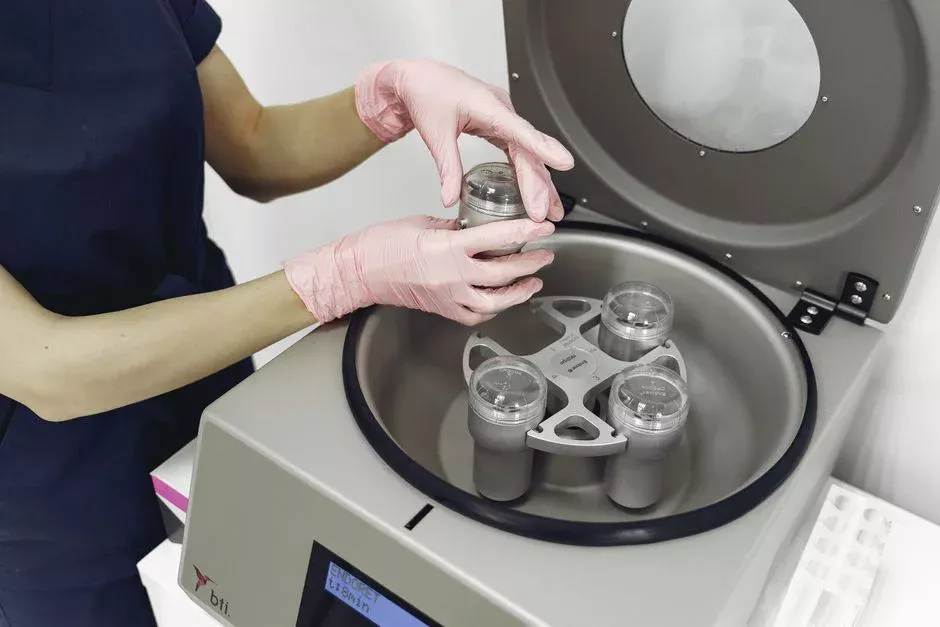
Pond depth, differential speed and torque control are linked operating variables rather than independent proposal features. Pond depth is the internal liquid depth, and Alfa Laval states that its PowerTubes permit adjustment of pond level to meet process requirements. The selected setting changes the separation conditions inside the bowl and must be tied to feed composition and the required clarified-liquid quality.
The scroll conveyor rotates at a different speed from the bowl. This controlled speed differential moves separated solids gradually out of the pond and along the conical section, or beach, where centrifugal action compacts the solid phase and expels surplus liquid. The resulting cake must then discharge through a method suitable for the plant’s handling system. A proposal that states only bowl size and motor power does not show how the equipment will respond to changing feed or achieve the required cake dryness.
Torque-based differential-speed control provides a feedback path from the solids load to conveyor speed. Alfa Laval states that this prevents torque overload under heavy loading, maintains consistent discharged-solids dryness and reduces wear and energy use at lighter loads. During a pilot or acceptance test, the buyer should record torque, differential speed, feed condition and cake moisture together; otherwise, a stable discharge result cannot be traced to a defined operating condition.
Alfa Laval also describes adjustable tangential liquid outlets and PowerTubes that release liquid tangentially to the rotating direction, supporting bowl rotation, recovering energy and minimizing power consumption. Actual power and separation performance still depend on bowl geometry, feed condition and operating settings. A power estimate should therefore identify the feed basis and include auxiliary loads rather than relying on a generic comparison.
Finally, a centrifuge separates phases; it does not destroy the contaminants it removes. Recovered liquid, separated oil and compacted solids each require a defined collection, treatment, handling or disposal route. The plant should not treat clarified liquid as automatically compliant with discharge or pretreatment requirements.
Materials, Wear and Petrochemical Corrosion Controls
Generic “stainless steel” descriptions do not establish compatibility with a specific petrochemical feed. Alfa Laval states that parts in contact with the separation process use high-grade stainless steel to help prevent corrosion, while its TrueStainless approach extends stainless steel to the frame and other key parts exposed to corrosive atmospheres. A project offer must map each material to the stream, temperature, chemistry, cleaning regime and exposure that it will actually face.
| Specification item | Buyer check | Required evidence | Commercial treatment |
|---|---|---|---|
| Feed-zone construction | Confirm compatibility with incoming solids, oil and chemicals. | Material designation, wetted-part list and corrosion rationale. | Include replacement conditions and exclusions in the guarantee. |
| Bowl and scroll | Check erosion, fatigue and corrosion at high-stress rotating surfaces. | Manufacturing and material documentation for the proposed duty. | Do not accept an undefined equivalent without engineering review. |
| Abrasion protection | Identify the zones exposed to catalyst fines, grit, carbonaceous solids or other hard particles. | Zone-by-zone protection description and expected replaced components. | Price the initial wear package and replacement strategy. |
| Discharge area | Assess wear at the point where compacted solids leave the bowl. | Discharge configuration, contact materials and change-out access. | Include spare wear parts and replacement labor. |
| Cleaning and access | Confirm that deposits can be inspected and removed safely. | Cleaning procedure, access drawings and isolation requirements. | Include shutdown duration in the lifecycle assessment. |
| Corrosion allowance | Review actual feed chemistry and process-cleaning chemicals. | Project-specific compatibility assessment and material traceability. | State exclusions and require notification of incompatible feeds. |
Alfa Laval FlightGuard wear protection consists of tiles welded to the conveyor for highly abrasive applications. That feature should be treated as a targeted solution, not evidence that every wear component has the same service life. Require the supplier to identify which parts are replaceable, which are serviceable and which require bowl or conveyor removal.
Access influences operability as much as metallurgy. Alfa Laval describes a patented spring-loaded hinged cover for quick, safe access during maintenance and service. The buyer should verify that the proposed opening arrangement, guard system and lifting provisions match plant access and isolation requirements.
Request the spare-parts strategy, documented maintenance intervals, wear-part lead time and technical support scope in the commercial offer. These commitments belong in the procurement package because abrasive petrochemical solids can turn an otherwise comparable machine into a different lifecycle-cost proposition.
Choose Between a Decanter and Alternative Solids-Separation Equipment
There is no universal performance percentage that makes a decanter, DAF system or filter press interchangeable. The first comparison is process role: DAF is used to remove suspended solids, FOG, oil and grease, and colloidal matter from industrial wastewater, while a decanter is intended for solids-liquid separation and can be configured for multiple liquid phases.
The supplied DAF information identifies industrial wastewater and petrochemical pretreatment as application areas for an industrial DAF system for oil and suspended-solids removal. DAF can therefore prepare a feed by removing oil and buoyant or flocculated material before a decanter. It is not simply a lower-capacity substitute for continuous sludge dewatering.
A plate and frame press operates through batch cake formation and discharge, while a decanter performs continuous separation. A plate and frame sludge dewatering alternative may be more suitable where batch treatment and manual cake handling fit the plant, whereas a decanter may suit continuous high-flow handling with controlled solids discharge. The supplied research does not support universal efficiency, labor, footprint or dry-solids comparisons between these routes.
| Decision factor | Decanter centrifuge | DAF system | Plate and frame filter press |
|---|---|---|---|
| Primary process role | Continuous solid-liquid or three-phase separation. | Removal of suspended solids, FOG, oil and grease, and colloidal matter. | Batch sludge dewatering by cake formation. |
| Feed continuity | Suited to steady or controlled continuous flow. | Can integrate as an upstream separation step. | Requires batch charging and cycle management. |
| Solids handling | Continuous compacted cake discharge. | Produces separated sludge requiring further handling. | Produces discrete filter cakes for manual or mechanical removal. |
| Three-phase duty | Possible when the selected configuration and outlets support the required phases. | Removes recoverable oil and FOG as part of its flotation role. | Not equivalent to a three-phase separator without project-specific configuration. |
| Feed presentation | Requires a controlled feed able to protect the feed zone, bowl and scroll. | Requires suitable conditioning and flotation performance. | Requires feed that can form a workable filter cake. |
| Cleaning and access | Rotating internals, wear parts and controls require planned maintenance. | Requires inspection and maintenance of the flotation system. | Requires cake discharge, plate cleaning and manual handling considerations. |
| Selection trigger | Continuous solids recovery and sludge-volume reduction justify system complexity. | Oil and suspended-solids removal is required in the treatment train. | Batch treatment and simpler handling better match the application. |
Do not use CDE’s up-to-65% dry-solids claim as a generic comparator. It applies to CDE’s decanter system, not to every decanter or feed. Require each supplier to guarantee cake dryness or solids-recovery performance on the project’s defined feed basis.
Sizing and Pilot Testing for a Reliable Performance Guarantee
There is no defensible universal flow-to-bowl-size formula in the supplied research. Sizing must be established from representative testing and the selected manufacturer’s validated duty envelope. The enquiry should state average and peak feed flow, feed solids concentration, particle-size distribution, required liquid quality, required cake dryness, solids-recovery target and operating hours.
Alfa Laval describes onsite pilot testing from small-scale testing through scalable production and offers a compact, modular, skid-mounted unit for purchase or rental. A pilot should process the worst credible feed condition, not only a clean or low-solids sample. Record feed composition alongside liquid-phase solids carryover, recovered-liquid quality, cake dryness, torque, differential speed, power consumption and shutdown behavior.
| Pilot or acceptance item | Method to define before testing | Buyer evidence to retain | Commercial implication |
|---|---|---|---|
| Feed basis | Define sources, sampling period, production state and worst credible condition. | Representative analytical results and sample custody record. | Guarantee applies only to the stated feed envelope. |
| Liquid separation | Specify the phase, measurement method and acceptance limit. | Liquid solids carryover, recovered-liquid quality and repeatability results. | Include corrective-action and off-spec-feed obligations. |
| Solids separation | Define the required solids recovery and cake-dryness basis. | Mass balance, cake moisture and feed-to-cake results. | Distinguish guaranteed values from observed pilot results. |
| Operating stability | Define the load sequence and permitted variability. | Torque, differential speed, power and shutdown records. | Specify control response and overload protection. |
| Repeatability | Define the number of representative runs and acceptance tolerance. | Signed pilot report and raw instrument trends. | Do not accept a single favorable trial as the guarantee basis. |
| Startup and cleaning | Define operating instructions, cleaning method and recovery steps. | Operator records, training plan and maintenance schedule. | Include commissioning, training, support and initial wear parts. |
Define acceptance tolerances in advance. Separate guaranteed operating limits from observed pilot results, and state how the supplier will respond when feed falls outside the agreed envelope. Startup, clean-in-place or manual cleaning, operator training, remote monitoring, service response and spare-parts availability should form part of the procurement plan rather than post-award assumptions.
Supplier Selection and Procurement Checklist
A credible proposal should state the duty, not just the equipment name. Require each supplier to identify its feed envelope, operating concept, materials of construction, wear components, controls, solids-discharge options and any feed-preparation requirements. A reference or claim limited to another product line must be labeled as such.
| Evaluation area | Required supplier response | Buyer verification |
|---|---|---|
| Application evidence | Provide project-relevant test data and a defined protocol. | Check feed similarity, measurement methods and acceptance basis. |
| Controls | Describe differential-speed control, torque monitoring, pond or outlet adjustment, interlocks, local instruments and remote connectivity. | Confirm functions, data access, alarms, fail-safe behavior and control responsibility. |
| Materials and wear | Map materials and protection by feed zone, bowl, scroll and discharge area. | Compare against the actual chemical and abrasive assessment. |
| Commercial scope | Price feed preparation, conditioning, skid, piping, controls, installation, commissioning, training, wear parts, service and consumables. | Check exclusions, dependencies and ownership of each interface. |
| Service | State coverage, response commitments, parts availability and documentation scope. | Verify the proposal for the plant location rather than accepting a global network claim. |
| Energy | Provide a site-specific power estimate and assumptions. | Confirm feed basis, auxiliary loads and whether the claim is measured or calculated. |
Service expectations should be written into the offer. Alfa Laval’s global service network and Connected Services illustrate the kind of support scope a buyer may require, including parts, expertise, remote monitoring and service agreements; they do not establish identical coverage for another supplier. Require local response times, named responsibilities, parts availability and any service exclusions.
The commercial comparison should include the full lifecycle: feed preparation, utilities, installation, maintenance, wear parts, downtime, disposal and the value of recovered water. That is more useful than comparing skid purchase prices or borrowing another vendor’s headline dry-solids claim.
Frequently Asked Questions
What does a decanter centrifuge for petrochemical wastewater cost?
There is no defensible purchase-price range in the supplied research. Request a lifecycle budget covering the centrifuge, feed preparation, skid and piping, utilities, controls, installation, commissioning, operator training, maintenance, wear parts, downtime, waste disposal and the value of recovered water. Ask each supplier to identify exclusions and price optional feed conditioning, replacement parts and service separately.
How should the centrifuge be sized for fluctuating flow and solids loading?
Require the proposed unit to remain within the manufacturer’s validated range for flow, solids loading, solids characteristics, required separation and operating hours. Provide average and peak loads, variability data, particle-size distribution, oil content and required cake dryness. Because the supplied research provides no universal flow-to-bowl-size formula, require application-specific sizing and pilot evidence rather than accepting a unit selected from peak flow alone.
Which supplier criteria matter most for an oil-and-solids separation duty?
Request application-specific test data, a project-feed guarantee, materials documentation, wear-component schedules, controls functionality, commissioning support, service coverage and a complete commercial scope. Check whether the evidence addresses the actual feed and whether the supplier accepts responsibility for off-spec conditions and corrective action.
Does centrifugation alone establish discharge compliance?
No. Require the recovered liquid and removed solids to be evaluated against the applicable local discharge, pretreatment, handling and disposal requirements. Clarification performance does not establish regulatory compliance, and separated oil or sludge still requires an authorized collection and disposition route.