What the Screw Press Must Dewater in a Rendering Plant
A screw press for rendering-plant wastewater is selected to dewater the solids-rich sludge produced after wastewater treatment, not to treat the raw effluent by itself. The design should follow the full chain: characterize the wastewater, establish a solids balance, condition the sludge, select the screw press, and specify cake discharge, odor containment, controls, access, and performance testing. FKC states that its screw presses are custom designed for each dewatering application and reports more than 6,000 units in operation worldwide. Rendering-specific capacity, cake dryness, polymer consumption, and solids capture should therefore be confirmed through site-specific testing and a performance guarantee.
The correct process boundary begins after upstream treatment and solids separation. A rendering plant may collect animal-processing wastewater through a controlled drainage network, remove suspended material and FOG, separate the resulting solids, condition that sludge, and then send it to a screw press. The press performs mechanical dewatering; it does not replace wastewater treatment or upstream solids separation.
Require the supplier to identify the sludge source and its condition at the press inlet. A DAF, clarifier, filter, or other separation device can produce a different feed from the same plant because hydraulic loading, capture efficiency, polymer use, and the resulting solids concentration differ. That upstream interface must be fixed before the press feed pump, conditioning system, and controls are specified.
Where dissolved air flotation is the proposed upstream treatment stage, the industrial DAF pretreatment system should be evaluated for removal of suspended solids, oil and grease, FOG, and colloidal material. The supplied product catalog describes 13 standard models with capacities from 4 to 300 m³/h; this is equipment catalog scope, not verified rendering-plant performance.
| Process stage | Design responsibility | Information required from supplier |
|---|---|---|
| Wastewater collection and treatment | Define flow, pollutant loads, and treatment variability | Representative characterization and operating envelope |
| Solids separation | Establish the sludge source and separated-solids rate | Feed origin, capture basis, and expected inlet condition |
| Sludge conditioning | Prepare a pumpable, dewaterable feed | Conditioning strategy and representative-test support |
| Screw-press dewatering | Perform the solid-liquid separation duty | Proposed flow and solids-loading basis |
| Cake discharge and handling | Transfer the dewatered product to its permitted route | Discharge arrangement, containment, and access |
Build the Sludge Solids Balance Before Sizing
A screw press should be sized around the mass of separated solids and the verified condition of the sludge, not wastewater flow alone. The required design sequence is:
- Characterize the animal-processing wastewater across normal production and cleanout periods.
- Reconcile incoming solids with separated sludge and final effluent.
- Characterize the sludge delivered to the press.
- Establish the conditioning response.
- Define the required cake endpoint and handling route.
- Size and test the press against that design basis.
Request representative wastewater data covering flow, suspended solids, oil and grease, FOG where relevant, temperature, pH, and the batch or continuous discharge pattern. The sampling plan should cover production peaks, cleanup operations, and retained solids from the upstream process. Average flow alone can conceal both hydraulic peaks and short, high-solids events.
The solids balance should link incoming solids to separated sludge and final effluent. This mass balance establishes the hourly and daily solids-loading envelope and identifies whether storage or flow equalization is needed before the press. Ask the upstream process provider and rendering plant to agree the measurement basis so the same solids are not counted differently in each system.
Collect sludge data covering solids concentration, viscosity, fiber content, particle distribution, settleability, conditioning response, and expected variability. The automatic chemical dosing system should be linked to this basis because dosage cannot be specified credibly without knowing the solids and chemical demand of the actual feed.
Define the required cake condition against the disposal or reuse route. Transport, permitted disposal, odor exposure, storage space, and downstream equipment can impose a more demanding endpoint than a general dryness statement. The RFQ should therefore ask the buyer to state whether the cake must be pumpable, conveyable, stackable, or otherwise handled by a specified route.
The supplied research does not provide verified rendering-specific throughput, cake dryness, polymer dose, or solids-capture figures. These remain unanswered design questions until established by representative analysis, pilot work where needed, and an enforceable performance test. Generic sludge values should not be presented as evidence for this duty.
| Design input | Why it affects press selection | Acceptable evidence |
|---|---|---|
| Flow and discharge pattern | Defines feed hydraulics and equalization need | Representative time-series flow data |
| Suspended-solids and FOG characterization | Defines upstream treatment and conditioning needs | Sampling and laboratory records |
| Separated-solids mass rate | Sets the primary dewatering duty | Reconciled solids balance |
| Sludge solids concentration and rheology | Determines pumpability and conditioning response | Representative sludge sampling |
| Cake endpoint and disposal route | Defines the required separation and handling result | Written downstream acceptance criterion |
| Rendering-specific duty data | Supports final sizing and guarantees | Comparable test data or site trial |
Conditioning, Transport, and Odor Control
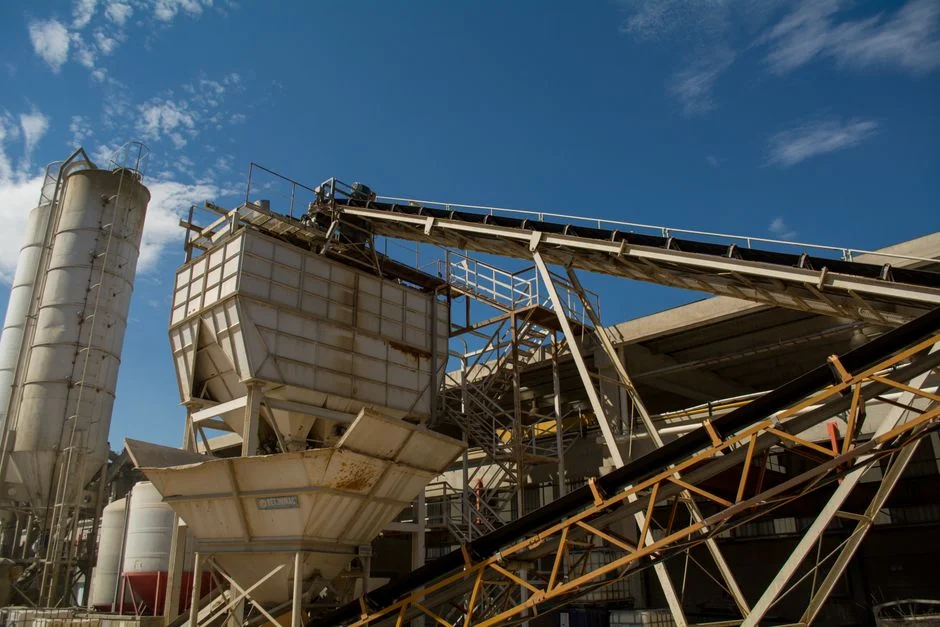
The press cannot be commissioned reliably when only the machine and its nominal capacity are specified. Feed storage and mixing, feed pumping, polymer preparation, dosing control, wash-water provision, drainage, ventilation, and cake discharge form part of the dewatering system and must be reviewed together.
HydropureWater describes its automatic chemical dosing systems as PLC-controlled packages for injecting coagulants, flocculants, pH adjusters, and specialty chemicals. The packages are described as skid-mounted, pre-wired, and factory-tested. Those design features support integration, but they do not establish the correct chemical or dose for rendering sludge; that must follow from the solids characterization and conditioning trial.
Require the supplier to explain how its desk calculation was obtained, what sludge properties were assumed, and how representative samples were tested. Where no verified prior data exists for the rendering duty, include a pilot trial before final acceptance. The flocculant dosing unit selection guide provides a useful framework for defining the injection duty, while the plant-specific sludge analysis must determine the final setting.
Volatile odors and aerosols require controls at more than the press frame. Review the feed tank, covered transfer points, press enclosure, cake chute or discharge conveyor, ventilation outlets, and areas where condensate or wash water can collect. The screw press should not be credited with containing odor or biological exposure unless the specified equipment provides the necessary enclosure and extraction arrangements.
Ask each bidder for a complete materials and utilities list. It should identify feed connection type, polymer supply requirements, wash-water demand, electrical supply, machine drains, ventilation demand, control signals, and the final cake-discharge interface. Any difference between suppliers in these requirements must appear in the commercial comparison rather than remain buried in exclusions.
Select Screw Press or Plate-and-Frame Filter Press
Choose between a continuous screw press and a batch plate-and-frame filter press by applying the same project criteria to both: solids loading, operating pattern, cake handling, footprint, utilities, labor, odor containment, maintenance access, and verified duty data. The decision is not made by equipment type alone.
A screw press is appropriate when continuous operation, application-specific mechanical dewatering, and testable duty are central to the project. FKC states that its presses are custom designed for each dewatering application. That statement supports asking for a bespoke duty definition, but it is not rendering-specific evidence of throughput or cake quality.
A plate-and-frame filter press alternative is relevant when batch dewatering and a defined filter area suit the plant. HydropureWater offers filtration areas from 1 to 500 m², with manual, hydraulic, or fully automatic PLC-controlled operation according to the supplied catalog. This specification supports a technical comparison, not a claim that either system is cheaper or performs better on rendering sludge.
Use a decision rule. If the required operating pattern is continuous and the supplier can demonstrate performance on representative sludge under an agreed test, evaluate the screw press. If intermittent batches, defined filter area, or PLC-controlled plate-and-frame operation better match the required operating pattern, develop that option against the same design basis. If neither supplier can support the duty with representative evidence, hold the final selection until testing resolves the gap.
The supplied research contains installation and corporate experience for screw presses, but no verified side-by-side performance or cost data for rendering sludge. Consequently, throughput, cake dryness, polymer consumption, labor demand, and lifecycle cost cannot be ranked from the available evidence. Require comparable data from bidders and distinguish measured project results from generalized catalogue claims.
| Decision criterion | Screw press | Plate-and-frame filter press | Evidence required to close comparison |
|---|---|---|---|
| Operating pattern | Continuous dewatering | Batch operation; hydraulic or PLC-controlled configurations | Plant production and cleanout schedule |
| Sizing basis | Feed rate and solids-loading envelope | Defined filtration area and batch volume | Supplier duty calculation |
| Cake handling | Continuous discharge arrangement | Batch cake removal and handling | Verified output and downstream route |
| Conditioning | Continuous feed and chemical dosing | Batch charging and chemical dosing | Representative sludge test |
| Utilities and labor | Specify drive, wash water, polymer, and operator attention | Specify hydraulic or PLC system, labor, and handling effort | Bidder utility list and labor basis |
| Performance basis | Custom application claim in available research | Catalog filtration-area and control options | Comparable rendering-duty test data |
Write a Supplier-Ready Technical and Performance Schedule

A defensible RFQ should make every bidder respond to the same rendering-plant design basis, evidence requirements, and acceptance conditions. It should state the required feed rate or solids load, operating pattern, representative sludge characterization, and target cake condition. If those inputs remain unavailable, identify them as open items and prohibit firm performance commitments until they are resolved.
Request a proposed process flow, equipment layout, materials of construction, drive and control philosophy, utilities consumption, and a complete scope of supply. The schedule should also identify exclusions, interfaces, access clearances, lifting provisions, electrical requirements, and the method for final cake discharge.
Require a duty table showing expected performance across the agreed range of sludge conditions rather than one unstated peak value. Supporting evidence should identify the test sludge, test method, operating duration, feed conditions, conditioning used, and any deviations from the proposed commercial machine. A generic installation list is not a substitute for application-specific evidence.
Define acceptance conditions, sampling locations, test duration, and remedies for non-performance before award. The test protocol should establish how feed flow, solids loading, cake solids content, and solids capture will be measured, and who is responsible for representative sampling and laboratory analysis.
FKC’s stated background—more than 6,000 screw presses and 1,000 rotary screen thickeners operating worldwide, more than 60 years manufacturing screw presses, and more than 20 years in the water and wastewater industry—can support supplier due diligence. It cannot prove that a proposed press will meet a rendering-specific outcome. JX Filtration lists ASME, CE, TUV, SGS, and BV certification, but the supplied excerpt does not establish model-specific applicability; request the applicable certificate or declaration and verify its scope.
| RFQ schedule item | Minimum supplier response | Procurement check |
|---|---|---|
| Design basis | Flow, solids load, operating pattern, sludge analysis, cake target | Inputs trace to site data and agreed sampling |
| Proposed process | Flow diagram, layout, upstream and downstream interfaces | No hidden equipment or utility exclusions |
| Equipment | Materials, drive, controls, screens, pumping, washing, discharge | Configuration matches stated duty |
| Performance evidence | Comparable or representative test results and method | Results are measured, not catalogue claims |
| Acceptance | Test conditions, duration, sampling, pass criteria, remedy | Terms appear in the purchase agreement |
| Compliance | Applicable certificates or declarations with scope | Certificate number and model applicability are verifiable |
| Commercial | Price, exclusions, schedule, delivery, and lifecycle items | Bids are normalized and complete |
Plan Commissioning, Maintenance, and Operational Risk
Commissioning should prove that the installed system receives the specified sludge, applies conditioning correctly, reaches the agreed operating state, and discharges cake into the designated handling route. The handover plan should include wet commissioning, operator training, mechanical and electrical checks, control verification, the feed-start procedure, emergency response arrangements, and a baseline performance record.
Define routine inspection points for the feed system, conditioning equipment, drive, screens, bearings, electrical enclosure, wash system, cake chute, and odor-control interfaces. The maintenance schedule should follow the manufacturer’s instructions and observed operating conditions; the available research does not support a universal inspection interval for a rendering duty.
Keep operating records for feed rate, solids loading, conditioning consumption, wash-water use, cake condition, alarms, downtime, and corrective actions. These records provide the early warning that a change in production, cleanup sequence, feed chemistry, or conditioning performance has moved the system away from its verified duty.
The principal commercial risk is selecting a press from generic sludge data when the actual feed is representative rendering-plant sludge. That risk can be reduced by requiring verified feed conditions, a documented test method, and enforceable acceptance criteria rather than by relying on a generalized performance statement. A practical reference for adjacent process design is available in the screw-press design for food-processing wastewater, but its application cannot substitute for site data.
Frequently Asked Questions
What is the main difference between rendering-wastewater treatment and screw-press sludge dewatering?
Rendering-wastewater treatment removes contaminants from the liquid stream, including suspended solids, FOG, oil and grease, and other pollutants. Screw-press sludge dewatering begins after solids have been separated and conditioned; its duty is to reduce the water content of that separated sludge and deliver cake to a defined handling route.
How should a rendering plant size a screw press for batch and continuous production?
Size both cases from a representative solids mass load, not from wastewater flow alone. For batch production, define batch volume, maximum solids accumulation, available storage, and the permitted discharge window. For continuous production, include normal rate, peak rate, production variability, and cleanout contributions. Require the supplier to show how its selected configuration handles the agreed envelope.
What performance data should a supplier guarantee before a screw press is purchased?
Request guarantees tied to the specified feed: solids loading, feed flow, conditioning conditions, cake condition, and solids capture. Require the test method, sampling locations, test duration, laboratory responsibilities, and remedy for non-performance. The available research contains no verified rendering-specific throughput, dryness, polymer-dose, or capture figures, so these values should not be presented as established facts before testing.
How do budget and lifecycle considerations compare a screw press with a plate-and-frame filter press?
Request a normalized lifecycle quotation rather than comparing purchase price alone. It should include conditioning, utilities, labor, maintenance, odor controls, cake handling, disposal, and expected downtime for both options. No comparable rendering-sludge cost data appear in the supplied research, so ask each supplier for assumptions and quantities, then evaluate them against the plant’s own labor, energy, polymer, and disposal costs.
What information should be included in a screw-press RFQ for rendering-plant wastewater?
Include representative wastewater and sludge characterization, the reconciled solids balance, operating pattern, target cake condition, upstream and downstream interfaces, utilities, controls, materials, odor-control requirements, test method, acceptance criteria, scope boundaries, and delivery schedule. The filter press versus screw press comparison can support internal screening, but the RFQ must request comparable evidence from each supplier.