
Start with the factory's wastewater, not the equipment name
A factory in Tbilisi needs an industrial ETP or DAF system selected from its wastewater profile, not its location alone. DAF is usually the best fit when the priority is removing suspended solids, FOG, oil, grease or colloidal material before biological treatment. A complete ETP may combine primary physical and chemical treatment, secondary aerobic or anaerobic biological treatment, and tertiary treatment. Final selection requires representative wastewater tests, average and peak flow, discharge or reuse targets, available space and Georgian authority requirements.
Start with a process inventory: production areas, cleaning chemicals, production shifts, batch discharges, floor drainage, and every direct or indirect sewer connection. A single grab sample will not represent a factory that discharges different contaminants during production, cleaning or an upset. Obtain representative samples covering normal production, peak production, cleaning and upset conditions, then analyze them using a documented method and sampling plan.
The minimum screening request should cover flow, pH, suspended solids, oil and grease, FOG, COD, BOD, colloids, temperature and process-specific contaminants. Define the required endpoint before asking suppliers to propose equipment: controlled sewer or surface discharge, process reuse, sludge disposal, or a combination. The same analysis may support a 2026 DAF selection and decision framework, while chemical-preparation requirements should be reviewed alongside PLC-controlled chemical dosing for DAF pretreatment.
| Information to obtain | Why it affects equipment selection |
|---|---|
| Representative wastewater analysis and sampling record | Identifies whether separation, biological treatment or both are required. |
| Average and instantaneous peak flow | Separates normal treatment duty from batch and cleaning surges. |
| Discharge or reuse specification | Sets the required removal and polishing objectives. |
| Production variability and chemical inventory | Exposes load changes, toxicity risks and treatment demands. |
| Footprint, utilities and sludge route | Determines whether the proposed treatment train is installable and operable. |
Wastewater composition and flow determine the process route. Choosing equipment before completing this characterization creates an avoidable risk of undersizing the hydraulic capacity, overstating removal performance or designing a treatment train that cannot handle the factory's operating pattern.
Match the treatment objective to DAF or ETP
DAF is a physico-chemical separation process: very small air bubbles attach to solid particles and give them a higher rate of ascent. That makes it a direct fit where suspended solids, FOG, oil, grease and colloidal material are the principal treatment targets, subject to confirmatory wastewater-specific testing and process chemistry.
The supplied Quora material describes a refinery ETP in which DAF follows an API separator and precedes biological reactors. In that arrangement, DAF removes remaining emulsified oil and fine solids that could interfere with biological treatment. The source notes that emulsified oil reaching biological stages can coat bacteria, reduce oxygen transfer and damage the microbial population. This refinery example is a process arrangement, not a direct specification for a Tbilisi factory; the actual position of DAF must follow the factory's wastewater analysis.
A full industrial effluent treatment plant has a broader scope. The supplied Quora answer divides ETP treatment into three levels: primary treatment using physical and chemical methods; secondary biological treatment under aerobic or anaerobic conditions; and tertiary cleaning before discharge. Chemical pH control and flocculation can form part of primary treatment, while the biological stage addresses dissolved biodegradable organics.
Use the industrial DAF system for suspended solids and FOG removal when the objective is a defined physical separation or pretreatment duty. Use a full ETP when the endpoint depends on biological treatment of dissolved biodegradable organics. Use a combined DAF-ETP route when oil, FOG or solids must be removed before biological treatment, or when a reuse specification requires further polishing after the main biological stage. A stand-alone DAF may also be adequate for a limited pretreatment or reuse objective, but only if the required water quality and whole-system mass balance support that conclusion.
| Treatment route | Best-supported role | Information needed before selection |
|---|---|---|
| Stand-alone DAF | Suspended-solids, FOG, oil, grease and colloidal separation for a defined pretreatment or reuse objective. | Representative oil, FOG and solids analysis; peak flow; required endpoint; chemical trials. |
| Full ETP | Treatment of wastewater whose principal load is dissolved biodegradable organics requiring biological treatment. | COD, BOD, biodegradability, pH, toxicity, nutrient needs, process variability and endpoint. |
| DAF followed by ETP | Removal of floatable contaminants and fine solids before biological treatment, with tertiary polishing if required. | Complete water and pollutant mass balance, including sludge and downstream treatment capacity. |
| DAF with further polishing | Physical separation followed by membrane or other treatment where the reuse specification demands it. | Clarified-water analysis, reuse criteria and membrane compatibility assessment. |
For the underlying separation principle, see how a DAF machine works. The choice should be tested against the factory's contaminants, operating variability and required outcome—not against a generic assumption that one equipment type is always preferable.
How the selected treatment process should work
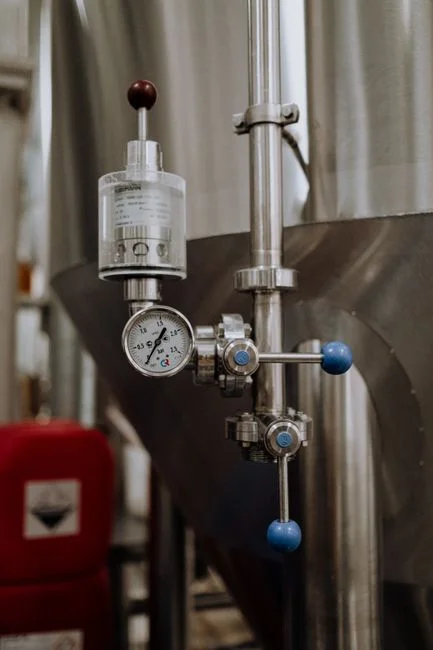
A complete DAF proposal should trace wastewater from inlet conditioning through flotation, solids recovery and clarified-water outlet. A portion of clarified effluent is pressurized and saturated with air, then returned to the flotation tank. The pressure drop releases microbubbles into the untreated stream. The bubbles attach to suspended solids and tiny oil droplets, creating a surface froth that a mechanical skimmer removes into a sludge holding vessel. The supplied Quora answer states that these microbubbles commonly measure 10–100 microns in diameter.
For a full ETP, the process sequence should move from equalization and primary physical or chemical treatment into aerobic or anaerobic biological treatment, then tertiary treatment where required, with sludge handling included at each stage that generates it. Equalization controls the effects of production and discharge variability; primary treatment removes material that can be separated physically or chemically; biological treatment addresses dissolved biodegradable organics; tertiary treatment supplies the final polishing required by the endpoint.
Chemical dosing is a supporting subsystem, not a substitute for process design. Coagulants, flocculants, pH adjusters and specialty chemicals must be selected from the wastewater characteristics and treated through an appropriate PLC-controlled chemical dosing system. The supplier should identify the chemical, target parameter, dose basis, mixing arrangement, control logic, storage requirements and consequences of over- or under-dosing.
Ask each bidder for a process flow diagram that includes equalization, screens or other pretreatment, DAF or primary separation, chemical dosing, biological treatment where applicable, tertiary treatment, recycled streams, sludge removal, odor control and final sampling. A proposal that stops at the main tank without showing how float, sludge and clarified water move onward is incomplete.
Size the system from peak duty and contaminant loading
Hydraulic capacity and pollutant load are separate sizing questions. Separate average daily flow from instantaneous peak flow, then include batch dumps, stormwater and cleaning operations wherever they can enter the wastewater stream. A unit selected only by daily average may be overwhelmed during a short discharge; a unit selected only by peak flow may be unnecessarily large for the prevailing pollutant mass loading.
Request a mass-loading assessment for suspended solids, FOG and oil. Include free oil and emulsified oil separately where both occur, because their separation behavior and chemical demand differ. Suppliers should show how the proposed equipment handles the measured peak flow and contaminant duty, including recycle arrangement, saturation method, skimming capacity, sludge removal, controls and available installation footprint.
The HydropureWater DAF catalog provides 13 standard models from 4–300 m³/h. These are catalog limits, not a Tbilisi factory-specific recommendation. They are useful only as a check against a supplier's verified product range. A dissolved air flotation machine cannot be selected properly from capacity alone; the model must also fit the measured process duty.
| Sizing input | Supplier question | Acceptable basis |
|---|---|---|
| Average and peak flow | What are the design average and instantaneous peak flows, including batch and cleaning discharges? | Factory flow records and a documented design basis. |
| Suspended-solids load | What solids mass enters the selected unit during the design condition? | Representative concentration and flow analysis. |
| FOG and oil load | How are free oil, emulsified oil and FOG represented in the design? | Wastewater-specific analysis and, where needed, separation trials. |
| Process chemistry | Which chemicals are required, and how is dosing controlled? | Jar or comparable test basis with an operating control range. |
| Hydraulic configuration | What recycle ratio, saturation method, skimming arrangement and sludge-removal rate are proposed? | Supplier calculation tied to the measured duty. |
| Installation constraints | Does the arrangement fit the available footprint and utilities? | GA drawings, utility requirements and site constraints. |
Do not accept guaranteed TSS, FOG, COD or BOD removal percentages without wastewater-specific test data and a clearly defined guaranteed process duty. A guarantee is only meaningful when its influent condition, operating condition and test method are written down.
Plan sludge handling and reuse before buying the main unit
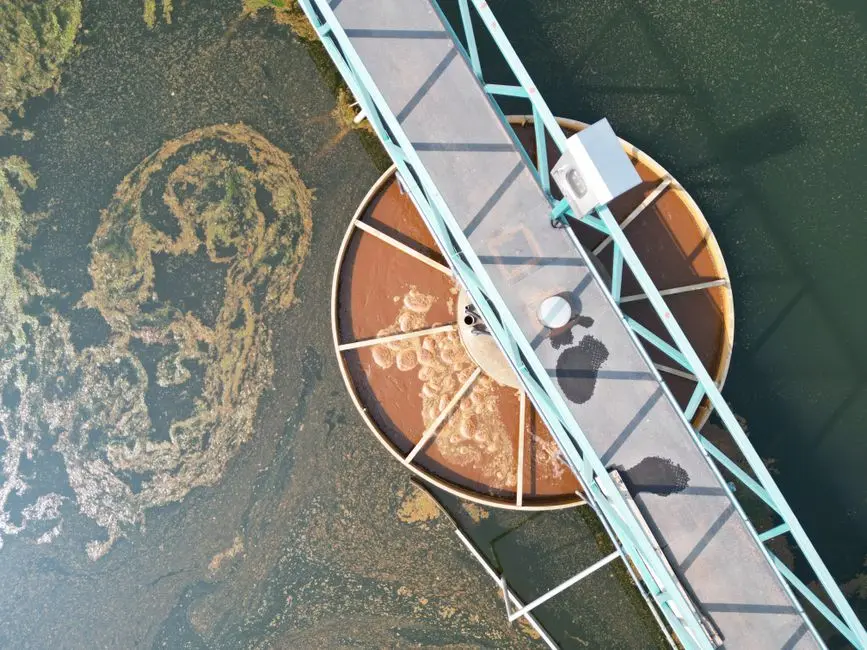
DAF float and biological sludge must be included in the treatment design from the outset. Identify the expected sludge or float volume, oil content, solids concentration, pH and destination from the DAF and ETP mass balance. If the proposal omits sludge collection, storage, dewatering or disposal, it has not demonstrated that the selected main unit can be operated sustainably.
Treat sludge dewatering as part of the ETP scope rather than an optional downstream issue. The HydropureWater plate and frame filter press range covers filtration areas from 1–500 m² and offers manual, hydraulic or fully automatic PLC-controlled operation. The correct configuration must follow the measured sludge characteristics, required cake condition, operating hours and available handling route; the catalog range alone does not establish suitability.
Define the clarified-water destination before fixing the treatment train. If water is intended for discharge, process reuse or further treatment, the required quality and expected variability should be stated. For wastewater reuse, specify the process application, constituent limits and operational consequences of the proposed water—not simply a desire to reuse treated water.
Where very low suspended solids are required, request a downstream membrane evaluation. The HydropureWater ultrafiltration systems use 0.03 μm PVDF membranes, accept up to 300 ppm turbidity and provide automatic backwash and air scour. These specifications identify the stated membrane system envelope; they do not establish that the factory's clarified water is compatible. Include ultrafiltration only when the reuse specification and feed analysis support that process, and require the supplier to justify the design against the full feed profile.
Build a supplier brief that reduces local compliance and delivery risk
A comparable supplier brief should disclose the wastewater basis, test methods, design flow, contaminant loading, treatment objective, proposed materials, controls, utilities and guarantee conditions. It should also identify which Georgian authority or utility applies to the proposed discharge or reuse route. Do not infer a permit type or numeric discharge limit from the factory's location; confirm the applicable route for the factory's case.
Require written boundaries for delivery, civil work, electrical installation, drainage, access platforms, commissioning, operator training, spare parts and local service support. Batch production deserves particular attention: the controls and operating response must address bypass, recycle, high-level, low-level and overload conditions without allowing an uncontrolled discharge or loss of containment.
Compare lifecycle needs rather than equipment price alone. Energy, chemicals, sludge handling, maintenance, controls, replacement parts and operator attention affect operating cost. A proposal based only on acquisition price will not provide a reliable comparison. Use the 2026 DAF operating cost and ROI analysis to structure cost questions, while requiring project-specific values rather than generic estimates.
| Supplier-brief item | Evidence to request | Risk if omitted |
|---|---|---|
| Design basis | Wastewater analysis, sampling method, flow and contaminant loading. | Model or process may not match factory conditions. |
| Performance guarantee | Defined influent, operating conditions, outlet parameters and test method. | Ambiguous performance acceptance. |
| Local approvals | Permit or approval pathway and responsible party. | Design may not be installable or usable as proposed. |
| Scope boundary | Equipment, civil interfaces, utilities, installation and exclusions. | Commercial gap and installation variation. |
| Commissioning and support | Milestones, training, acceptance test, spares and local service response. | Delayed handover and operating risk. |
| Operating cases | Bypass, recycle, high level, low level, overload and recovery sequence. | Uncontrolled discharge or process loss. |
Use published catalog ranges only to test whether the proposed capacity falls within a supplier's verified product range. A range cannot replace project-specific calculations, local approvals or clearly defined performance conditions.
Recommended decision workflow for a Tbilisi factory
The procurement decision becomes defensible when the factory follows a controlled sequence rather than collecting equipment prices first. Characterize the wastewater with representative testing, document production and discharge variability, and define the required effluent endpoint, reuse objective, operating hours, available footprint and local approval route.
- Complete representative factory wastewater analysis and flow monitoring.
- Define the discharge, reuse and sludge-handling requirements.
- Compare stand-alone DAF, full ETP and DAF-ETP against the documented contaminants.
- Develop a preliminary mass balance covering water, contaminants, sludge and utilities.
- Issue one controlled supplier brief requiring a process proposal, sizing calculation, guarantee basis, scope boundary and commercial schedule.
- Verify the selected process through a site-specific pilot or performance trial where variability, emulsified oil or difficult separation makes laboratory data insufficient.
| Stage | Required output | Decision unlocked |
|---|---|---|
| Characterization | Sampling record, wastewater analysis and flow profile. | Which contaminants must be removed? |
| Objective setting | Effluent, reuse and sludge criteria. | What level of treatment is required? |
| Route comparison | DAF, ETP or combined process assessment. | Which process fits the objective? |
| Preliminary engineering | Mass balance, sizing basis, utilities and footprint. | What equipment and civil scope are needed? |
| Supplier evaluation | Technical proposal, guarantees, scope and schedule. | Which offer meets the documented requirements? |
| Verification | Pilot or performance-trial results where needed. | Is the selected route reliable on site? |
This workflow gives a Tbilisi buyer a technical basis for talking to local engineering suppliers and civil contractors. It also exposes missing design data before a purchase order, installation contract or performance guarantee is issued.
Frequently Asked Questions
How much does an industrial ETP or DAF system cost for a factory in Tbilisi?
The supplied research contains no valid Tbilisi equipment-price figure, so a defensible budget cannot be stated from location alone. Request a site-specific quotation based on wastewater flow and loading, treatment target, utilities, civil work, controls, installation, sludge handling and commissioning. Ask for the equipment price, civil and installation exclusions, utility demand, chemical consumption, service scope and warranty separately so alternatives can be compared on the same basis.
Which DAF capacity should be selected for factory wastewater?
Select the DAF by both peak flow and contaminant mass loading, not by the model range alone. The HydropureWater catalog spans 4–300 m³/h across 13 standard models, but that is a product range rather than a sizing recommendation. Provide suppliers with representative flow data, suspended-solids loading, FOG and oil characteristics, the required endpoint and production variability, then require the proposed model to demonstrate how it handles that duty.
How should a factory evaluate an ETP or DAF supplier?
Require wastewater-specific design evidence, a stated sizing basis, local service capability, transparent scope boundaries, commissioning support and clearly defined performance guarantees. The guarantee must specify the influent condition, operating condition, outlet parameter and test method. Also check spare-parts availability, operator training and how the supplier will handle high-level, low-level, overload, bypass and recycle conditions before accepting the offer.
What Georgian compliance requirements apply to the selected treatment route?
Confirm the applicable Georgian discharge or reuse requirements and the approving authority or utility for the factory's specific route; they should not be inferred from the location or copied from another project. Give the proposed process, wastewater analysis, flow, discharge point and reuse purpose to the relevant authority, then record the resulting conditions in the supplier brief. A treatment objective cannot be finalized independently of that confirmation.