Which Rules Govern a Bridgeport Sewer Discharge?
Petroleum bulk plants near Bridgeport meet pretreatment limits by identifying every sewer-discharge stream, characterizing pollutants such as TPH and oil and grease, and comparing the results with the receiving POTW’s enforceable requirements. EPA guidance establishes the framework for technically based local limits, but the controlling sewer-use ordinance or industrial-user permit determines the actual numerical condition. The treatment train therefore begins with source control and equalization, followed by petroleum separation, any justified polishing, and documented discharge monitoring.
The governing framework has three distinct layers. First, EPA’s categorical pretreatment standards apply only to industries and regulated wastestreams within their scope. Second, the federal pretreatment prohibitions restrict discharges that can cause pass through, interfere with POTW operation, create hazards, or impair sludge disposal. Third, the receiving POTW can adopt technically based local limits through its sewer-use ordinance, industrial-user permit, or equivalent control mechanism.
EPA’s Local Limits Development Guidance states that it is guidance, not a regulation, and does not impose legally binding requirements. It identifies 40 CFR 122, 123, 124, and 403 and chapter I, subchapter N as the underlying regulatory framework. If the guidance conflicts with a permit or regulation, the permit or regulation controls. Connecticut has assumed the NPDES program, with permits issued by the Connecticut Department of Energy and Environmental Protection, but an industrial user’s sewer requirements may still be administered by the receiving POTW.
Do not size treatment from a generic national or neighboring-utility limit. First obtain the documents that control the specific connection:
| Document | What the project team should establish |
|---|---|
| POTW sewer-use ordinance | Prohibited discharges, definitions, local limits, monitoring duties, slug-control provisions, fees, and enforcement provisions. |
| Industrial-user permit or equivalent mechanism | Applicable TPH, oil and grease, pH, and other pollutant limits; sample points; analytical methods; monitoring frequency; reporting; and discharge authorization. |
| Categorical-standard applicability | Whether petroleum storage or handling falls within a regulated industrial category and which wastestreams are covered. |
| State and POTW correspondence | Whether the project is subject to additional state conditions, permit modifications, or sewer-capacity and biosolids constraints. |
This document review is the same basic industrial pretreatment compliance framework used for other regulated facilities, but the receiving POTW’s documents—not another utility’s examples—set the project criteria.
Map Every Petroleum-Contaminated Discharge Stream
A bulk terminal’s treatment scope is determined by the sewer-connected flow, not by the volume of petroleum stored. Project teams should walk the site from tank bottoms, loading areas, wash racks, and equipment drains to every final connection and identify what can actually reach the sanitary sewer.
Potential sources for review include tank-bottom or water-draw discharge, truck and tank washing, equipment washdown, oily runoff, hydrostatic-test water, and contaminated stormwater that has been routed into the sanitary system. Each candidate stream needs confirmation; it should not be added to the treatment scope without tracing the drainage path and checking the industrial-user permit.
| Source characterization | Project implication |
|---|---|
| Continuous process discharge | Establish flow, operating hours, pollutant variability, and the need for continuous pretreatment and final monitoring. |
| Episodic wash water | Determine batch volume, frequency, chemistry, and whether a dedicated collection and equalization system is required. |
| Slug-load discharge | Assess the potential for a short pollutant surge to exceed treatment capacity or the permitted discharge condition. |
| Contaminated runoff entering sanitary sewer | Confirm routing, seasonal contribution, and whether coverage, segregation, or exclusion is more appropriate than treatment. |
Map each confirmed stream through generation point, segregated drainage, source control, equalization, pretreatment, monitoring, and final sewer connection. Mark every bypass, manual diversion, and emergency route. Those features are not merely operating details: NACWA’s Industrial Pretreatment Advanced Local Limits training identifies accidental-discharge and slug-control plans among industrial-user management practices that can become pretreatment standards when adopted.
For a petroleum terminal, the engineering objective is to prevent a wash event or leaking line from becoming an uncontrolled slug. Good housekeeping, drip control, covered unloading, and controlled drainage reduce that risk, but they do not replace equalization or treatment where sewer-discharge flows remain. Record which streams are permitted to discharge, which are diverted, and what physical controls prevent a bypass.
Characterize TPH, Oil and Grease, and Other Pollutants of Concern
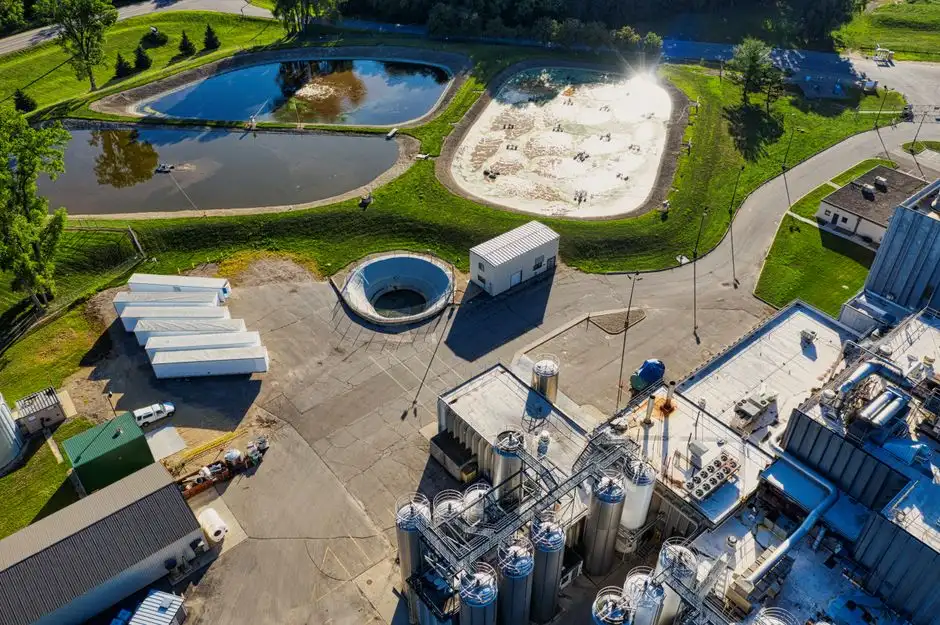
TPH, FOG, and total oil and grease are not interchangeable compliance measurements. Hazen & Sawyer characterizes polar FOG as primarily animal-vegetable based and non-polar petroleum-based hydrocarbons as TPH; a facility handling petroleum may therefore require TPH analysis even if an oil-and-grease result appears compliant.
The available utility survey illustrates why a generic limit is unsafe. Hazen & Sawyer’s survey of approximately 50 utilities found 17 using narrative TPH criteria; among utilities with numeric FOG criteria, limits ranged from 50 to 300 mg/L, while total oil and grease ranged from 100 to 600 mg/L. Three utilities prohibited any amount of FOG. These are comparative survey results, not Bridgeport requirements, and they do not establish a numerical sewer limit for a petroleum bulk plant.
| Parameter or issue | Why it belongs in the plan | Decision input needed |
|---|---|---|
| TPH | Represents non-polar petroleum-based hydrocarbons and is the appropriate parameter for many petroleum-contaminated streams. | POTW definition, limit, analytical method, and sampling basis. |
| Total oil and grease | Measures broader extractable oil and grease; it does not necessarily establish TPH compliance. | Whether the industrial-user permit requires it and how it is defined. |
| FOG | Generally concerns polar animal-vegetable fats, oils, and grease rather than petroleum hydrocarbons. | Any narrative prohibition, numeric limit, or BMP in the controlling mechanism. |
| National pollutants of concern | NACWA lists arsenic, lead, silver, cadmium, mercury, zinc, chromium, molybdenum, BOD5, copper, nickel, TSS, cyanide, selenium, and ammonia. | Site screening and the POTW’s pollutant assessment. |
| Site-specific pollutants | May affect POTW interference, pass through, inhibition, biosolids quality, or worker safety. | POTW permit conditions, biosolids pathway, influent data, and site process inventory. |
The sampling plan should also address any pollutant named in the POTW permit, evidence of collection-system or treatment-plant interference, pass-through potential, inhibition indicators, and pollutants associated with biosolids-quality concerns. EPA’s local-limits approach compares contributions from industrial users, commercial sources, hauled waste, domestic loadings, and uncontrolled sources with POTW influent. The site’s data should then be compared with the receiving authority’s findings rather than treated as proof of pass through or interference.
Use consistent analytical methods across source, pre-treatment, post-treatment, and final-discharge samples. Otherwise, a laboratory result can appear to show an improvement caused by sampling or method differences rather than treatment performance. A separate industrial pretreatment compliance framework can help organize pollutant screening, but the laboratory’s petroleum-specific methods still have to match the POTW’s requirements.
Build a Pretreatment Train That Controls Petroleum Loads
A defensible petroleum pretreatment train removes petroleum at the source, equalizes variable flows and loads, separates free oil and associated solids, and adds treatment only where characterization and the controlling limit justify it. There is no universal hydraulic or concentration design for every terminal.
- Control the source. Eliminate leaks, manage drips, cover unloading where appropriate, segregate contaminated drainage, and keep stormwater out of the sanitary discharge path.
- Equalize the wastewater. Use industrial wastewater equalization to moderate wash-event peaks and provide operating buffer before treatment. Record level, flow, and operating time.
- Remove free oil and solids. Use DAF where free oil, FOG, suspended solids, and colloidal material require primary separation. A DAF system for petroleum wastewater pretreatment is offered with automatic skimming in the cited product range of 4–300 m³/h; that range is a catalog offering, not a recommendation for this site.
- Add justified chemical control. Use automatic chemical dosing for wastewater pretreatment only where wastewater chemistry and jar or pilot testing show a need for coagulant or pH control. EPA’s guidance discusses chemical-specific limits and technically based treatment alternatives rather than mandating one technology.
- Protect downstream equipment. A rotary mechanical bar screen can protect pumps and biological processes where rags, plastics, fibrous debris, or suspended solids are present. Review the GX rotary mechanical bar screen against the actual debris and flow characteristics.
- Add polishing only for a defined objective. Biological treatment, membrane filtration, or additional solids control may be required if the authority identifies dissolved pollutants, inhibition, pass-through, or collection-system concerns that oil separation cannot resolve.
| Process condition | Technical implication |
|---|---|
| Free oil and oil-bearing solids dominate | DAF is a candidate primary separation step, subject to wastewater testing and performance verification. |
| Flow or load is highly variable | Equalization and slug control become central to both treatment reliability and compliance. |
| Colloids require destabilization | Evaluate chemical conditioning through jar and pilot testing; specify automatic dosing only if justified. |
| Dissolved pollutants or inhibition remain | Oil separation is insufficient by itself; define an appropriate polishing or biological step. |
| Excessive rags or fibrous debris are present | Provide solids screening before pumps and sensitive downstream processes. |
Size the system from a site-specific mass balance using measured wastewater flow, measured pollutant concentration, and operating hours. The industrial ETP and DAF equipment selection guide illustrates the need to define the wastewater and required outcome before equipment selection. A product flow range cannot establish the required tank, DAF, chemical, or polishing capacity for a Bridgeport terminal.
Turn Treatment into a Defensible Compliance Program
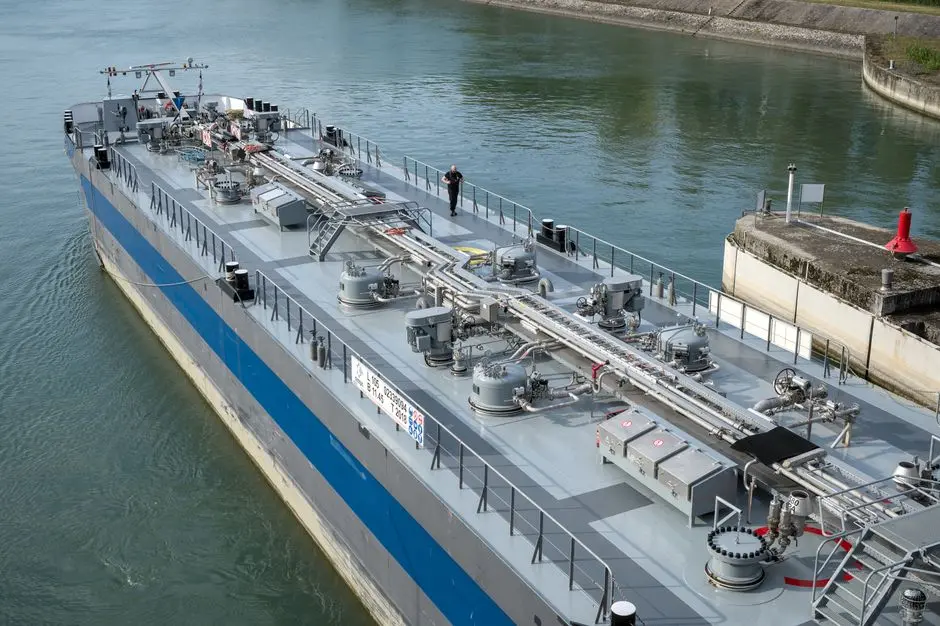
Compliance is demonstrated through a repeatable comparison between monitored wastewater, treatment performance, and the exact condition in the industrial-user permit or equivalent control mechanism. An equipment datasheet does not establish permit compliance.
Define pre-treatment and post-treatment sampling points in the permit program. The program should state the sampling method, frequency, analytical method, flow measurement, laboratory quality controls, calibration requirements, and chain-of-custody procedure. Keep the pollutant definition and analytical method consistent across the treatment train and final compliance samples.
| Record | Why it matters |
|---|---|
| Wastewater flow and operating hours | Converts concentrations into the mass loading used to compare actual and allowable loading. |
| Equalization level and bypass status | Shows whether slug events were controlled and whether untreated flow could reach the sewer. |
| Oil skimmer, DAF, chemical, and solids-control performance | Links operating conditions to treatment results. |
| Chemical use and differential pressure where applicable | Supports operating-condition review, maintenance planning, and excursion diagnosis. |
| Laboratory results and chain-of-custody records | Establishes sample validity and links analytical data to specific discharges. |
| Corrective-action records | Demonstrates how excursions were contained, investigated, and closed. |
Apply EPA’s loading logic before blaming treatment for a violation. Calculate the maximum allowable headworks loading, compare it with actual loading, and examine evidence of pass through or interference. A concentration result alone does not answer whether the facility exceeded its allocated loading or whether a POTW problem contributed to the result.
For an excursion, isolate or divert the affected stream, confirm the condition with repeat testing, inspect treatment performance, and resume discharge only as the control mechanism permits. If slug-control provisions require notification, notify the authority according to those provisions. This approach is consistent with the monitoring and audit logic in the pretreatment guide for industrial compliance programs.
Choose Equipment and a Supplier Using Compliance-Based Criteria
Choose a supplier that will size and guarantee performance against the receiving authority’s written requirement, not against a generic “oil removal” claim. No defensible equipment price can be stated from the available research because site flow, wastewater characterization, treatment objectives, utilities, installation conditions, and acceptance criteria are not supplied.
| Procurement check | Information the buyer should require |
|---|---|
| Design basis | Measured flow, pollutant concentrations, operating hours, variability, wastewater chemistry, and required final performance. |
| Performance evidence | Results for the specified petroleum wastewater, applicable flow range, duty cycle, and proposed operating conditions. |
| Acceptance test | Written protocol, sampling points, analytical methods, test duration, acceptance condition, and treatment of nonrepresentative results. |
| Scope boundary | Electrical, controls, utilities, permits, foundations, installation, training, startup, and warranty support. |
| Operating cost | Consumables, sludge or recovered-oil handling, operator labor, energy, maintenance, and downtime exposure. |
Ask each bidder how it will guarantee the controlling local limit, what evidence supports that claim, and which conditions are excluded. For process selection, compare DAF versus clarifier selection against petroleum characteristics, removable contaminants, hydraulic variability, recovered material, and required performance—not headline capacity alone.
Frequently Asked Questions
Does DAF alone guarantee compliance with a local sewer limit?
No. DAF is a candidate primary process for free oil, FOG, suspended solids, and colloidal material, but suitability depends on the actual wastewater, target pollutant, required removal, influent variability, and controlling POTW condition. Any dissolved pollutant, inhibition concern, or pass-through issue may require polishing or another control step. The industrial-user permit must define the acceptance requirement.
How should a bulk plant select and evaluate a DAF supplier?
Provide the wastewater characterization, flow and duty-cycle data, operating variability, target performance, site constraints, and proposed acceptance test. Require the supplier to state the treatment basis, included pretreatment steps, control philosophy, maintenance access, and exclusions. The buyer should verify demonstrated performance under conditions resembling the site duty rather than accepting a generic capacity claim.
What size pretreatment system does a petroleum bulk plant need?
Base sizing on measured flow, pollutant loading, operating hours, variability, and required removal performance. A site-specific mass balance must reconcile wastewater flow, measured pollutant concentration, and operating time. Because the research provides no site flow or loading data, it does not support a defensible system size for this facility.
What will a pretreatment system cost, and can a numerical local limit be quoted from EPA guidance?
No reliable price or Bridgeport numerical limit can be quoted from the available research. Request a written quotation after supplying wastewater characterization, flow and duty data, required performance, site utilities, installation conditions, and acceptance criteria. EPA’s Local Limits Development Guidance is not a regulation; obtain the actual limit from the receiving POTW’s sewer-use ordinance, industrial-user permit, or equivalent control mechanism.
What records should be retained to demonstrate pretreatment performance?
Retain source and final-discharge results, flow and operating data, equalization records, maintenance, chemical use, bypass or slug events, corrective actions, and calibration and chain-of-custody records. Use the same pollutant definition and analytical method throughout the treatment train so the results can be compared directly and defended during an audit or excursion review.