What wastewater profile determines the right Accra treatment system?
The right system depends on the wastewater, not merely the factory’s location. A factory in Accra may need a DAF-led ETP when its principal contaminants are oil, grease, FOG, colloids or floatable solids; the 2030 Water Resources Group notes that local conditions differ and no universal solution fits every basin. A full ETP becomes more appropriate when the wastewater also contains substantial dissolved organic matter requiring biological treatment, pH control or tertiary polishing. Selection should begin with representative samples, average and peak flow, FOG, TSS, pH, biological treatability, discharge route and reuse needs, then be confirmed through pilot testing and site-specific acceptance criteria.
An industrial effluent treatment plant is the complete treatment train used to bring factory wastewater to a defined discharge or reuse condition. Dissolved air flotation is one physico-chemical separation step within that train, not a synonym for the complete plant. The first decision is therefore whether the governing duty is removal of floatable contaminants, removal of dissolved biodegradable material, or both.
Request samples covering normal production, batch discharges, cleaning cycles and peak-discharge periods. A single laboratory result can miss the oily, high-strength stream that controls equipment selection. Compile average and peak flow, discharge duration, operating shifts, planned production changes, pH, TSS, oil and grease, FOG, colloids, dissolved organics, temperature and toxicity. Assess biological treatability before committing to a biological stage. Use the 2026 DAF unit selection framework to structure that evidence.
| Wastewater characteristic | What it may indicate | Information required before selection |
|---|---|---|
| Free oil, emulsified oil or FOG | Floatable or oil-removal duties may be central | Representative oil, grease and FOG results; emulsion characteristics; batch-flow record |
| TSS and colloids | Separation and solids-handling requirements | Suspended-solids profile, settleability, particle characteristics and peak solids load |
| Dissolved organics | Possible biological-treatment requirement | Organic characterisation, treatability testing and toxicity assessment |
| pH and temperature | Conditioning, biological and equipment constraints | Diurnal and production-cycle range; effects of proposed pretreatment |
| Intended outcome | Defines the required treatment train | Discharge route, reuse application and governing water-quality specification |
The 2030 Water Resources Group’s basin-specific principle applies: water-management decisions must reflect the individual characteristics of the location rather than impose a one-size-fits-all solution (2030 WRG, 2013). The supplied research does not establish Ghana-specific discharge limits. The applicable environmental consent, sewer acceptance conditions or reuse specification must therefore be identified during design and confirmed with the responsible authority before the treatment objective is frozen.
DAF-led ETP or full ETP: which treatment objective comes first?
DAF is the stronger starting point when floatable oil, FOG, colloidal material or suspended solids control the required performance. A full or hybrid ETP is the stronger starting point when dissolved organic load, pH adjustment, flocculation, biological treatment, sedimentation or tertiary polishing must form part of the train.
In a dissolved air flotation unit, part of the clarified effluent is pressurised and saturated with air in a dedicated drum before being returned to the flotation tank. Pressure reduction then creates micro-bubbles that attach to suspended solids and tiny oil droplets. OpenBlueprint reports that these bubbles usually measure between 10 and 100 microns in diameter (OpenBlueprint, Quora, 2025-07-15). The bubbles lift material into froth, a mechanical skimmer removes the accumulated sludge, and clarified water leaves beneath an overflow weir.
That mechanism makes DAF useful for oil and grease removal and suspended solids removal, particularly where emulsified oil could interfere with a downstream biological stage. It does not remove the full range of dissolved contaminants that an industrial ETP may have to address. The detailed distinctions are set out in the DAF versus oil-water separator comparison and the DAF alternatives engineering comparison.
| Decision point | Prefer DAF-led treatment when | Prefer full or hybrid ETP when |
|---|---|---|
| Main contaminant | Oil, FOG, colloids or floatable suspended solids are the principal duty | Dissolved organics and biological treatment are central, with physical separation still needed |
| Wastewater character | Emulsified oil must be removed before sensitive biological stages | The train must combine pH control, flocculation, biology, sedimentation and polishing |
| DAF role | Principal separation stage, potentially following source control or pretreatment | One stage within a broader treatment train |
| End objective | Recover oil or solids and achieve the specified discharge or reuse condition | Meet a broader effluent specification involving dissolved-load treatment |
Sector experience reinforces that there is no universal industrial solution. The 2030 Water Resources Group catalogue includes water reuse in textiles, mining-water optimisation, water reduction in the food sector and reuse in power and steel production (2030 WRG, 2013). Each case pursues a different water or treatment objective, so the factory’s required outcome must determine the architecture.
Do not treat DAF as a complete ETP. Equally, do not route emulsified or oily factory wastewater directly to biology merely because biological treatment is common. Oil reaching biological reactors can coat bacteria, inhibit oxygen transfer and damage the microbial colony, according to OpenBlueprint’s refinery example (2025-07-15).
How a factory wastewater treatment train is built
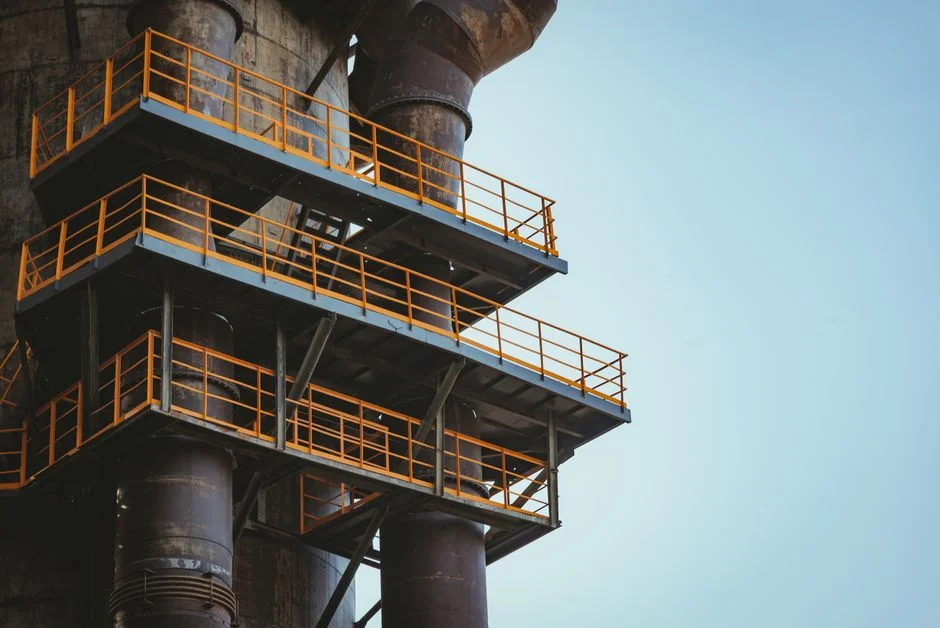
A treatment train should remove contaminants in the order dictated by wastewater characteristics, with each stage protecting the performance of the next. The treatment-level framework described in the Quora ETP answer separates primary physical and chemical treatment, secondary aerobic or anaerobic biological treatment, and tertiary final cleaning (Ishanee Sharma, Quora, accessed 2026).
- Segregate clean cooling water, washwater, oily process streams and sanitary flows where practical.
- Remove coarse solids and equalise flow, concentration and temperature before precision treatment.
- Apply source control, FOG pretreatment, pH adjustment and chemical conditioning where required by the wastewater profile.
- Use DAF or clarification for the relevant floatable or settleable load.
- Add biological wastewater treatment where dissolved biodegradable material and the reuse or discharge objective require it.
- Provide polishing and controlled discharge or reuse only against an agreed water-quality specification.
OpenBlueprint describes one refinery arrangement with an API separator first, DAF as secondary clarification and biological reactors downstream (OpenBlueprint, 2025-07-15). That is a useful reference sequence, not a universal template. The reason for placing DAF before biology in that application is that emulsified oil can coat bacteria, prevent oxygen transfer and destroy the microbial colony.
Chemical dosing is a supporting subsystem, not a substitute for process design. Coagulants, flocculants and pH adjusters may be required to break emulsions, aggregate particles and condition the feed. An automatic chemical dosing system can be integrated as a PLC-controlled, skid-mounted, pre-wired and factory-tested unit, but the chemical recipe must be verified with representative wastewater.
Sludge handling belongs in the design from the outset. DAF skimmings and chemical sludge need a defined removal, storage and dewatering route; otherwise flotation merely transfers the pollution to another waste stream. The pressure flotation operating-troubleshooting guide is useful for identifying downstream performance and maintenance issues.
Wastewater reuse is conditional on the end use. A cooling, washing or process-reuse specification may require different treatment from discharge to a sewer or receiving water. The supplied research provides no universal Accra reuse standard, so reuse should not be promised until the receiving process and required water quality are defined.
Size the system from peak flow and pollutant load
Equipment should be sized from peak hydraulic flow and peak pollutant loading, not from average daily flow or a catalogue model name. The calculation must also account for operating duration and variability, including batch dumps, washdown events and any storm or runoff that enters the factory wastewater system.
HydropureWater lists 13 DAF models with capacities from 4 to 300 m³/h, but the supplied sources provide no universal model-to-application selection rule. Catalogue capacity is therefore an initial envelope, not a completed sizing calculation. Use the DAF sizing guide for tank-bottom water as a technical prompt for the required data, then ask the supplier to demonstrate the selected duty point.
| Sizing input | Why it controls selection | Evidence required from the factory or trial |
|---|---|---|
| Peak flow and duration | Defines hydraulic treatment and equalisation needs | Continuous flow record plus production, washdown and batch-discharge profile |
| Oil, FOG or solids load | Defines contaminant flux and chemical demand | Representative characterisation and, where required, pilot results |
| Feed variability | Tests whether the train can absorb operational upsets | Concentration, pH and temperature ranges across production cycles |
| Contingency and redundancy | Determines operation during maintenance, outages and upset batches | Factory operating plan and supplier’s proposed response |
| Sludge route | Confirms that the treatment train can be operated sustainably | Expected skum and chemical-sludge characteristics, storage and removal plan |
The refinery DAF configuration described by OpenBlueprint includes a pressure vessel, separate saturation drum, recycle flow, flotation tank, skimmer and overflow arrangement (OpenBlueprint, 2025-07-15). These items should be quoted as one integrated process with clarified recycle, rather than evaluated as disconnected items.
Ask how the plant will operate during maintenance, a power interruption, an upset batch or peak production. The answer should identify standby equipment, equalisation strategy, control response, safe shutdown and recovery—not merely promise availability. A supplier’s 2026 DAF unit selection framework can support a structured technical comparison.
Removal efficiency, footprint, civil-work requirements and delivery lead time were not established by the supplied research for an Accra factory. Require the supplier to state each item, define its basis and demonstrate compliance through the proposed acceptance test.
Accra implementation, procurement and acceptance criteria
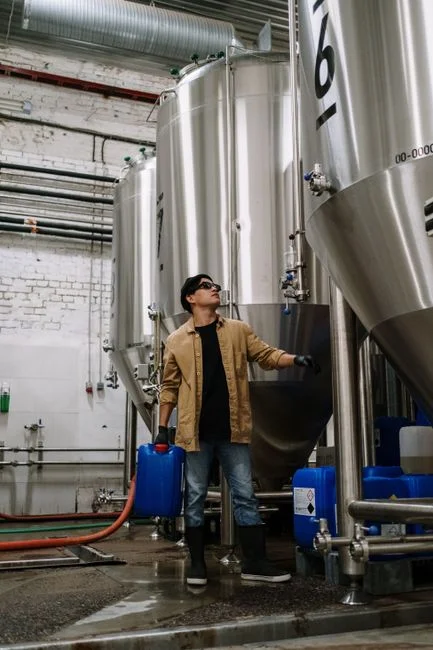
A defensible RFQ converts the measured wastewater duty into a defined treatment obligation. It should state the feed flow regime, wastewater characteristics, required effluent specification, recovery objective, installation constraints, available utilities and operating hours. Include the proposed process flow, mass balance, equipment list, controls, performance guarantees and responsibility for every major activity.
Ask whether the quotation includes feed pumping, air saturation, recycle, tank and internals, chemical storage, controls, skid framing, installation, commissioning, operator training, maintenance and spare parts. Undefined scope at this stage produces quotations that cannot be compared on price or responsibility.
| RFQ area | Information the buyer should request | Acceptance evidence to agree |
|---|---|---|
| Process design | Proposed train, flow diagram, mass balance and chemical approach | Demonstration on representative wastewater or an agreed pilot trial |
| Local implementation | Electricity, compressed air, service access, operator skill, chemical delivery, sludge removal and access requirements | Site survey, installation schedule and written responsibility matrix |
| Performance | Guaranteed results tied to feed and operating conditions | Sampling points, test methods, operating conditions, test duration and remedy for non-performance |
| Operations and lifecycle | Energy, chemicals, consumables, maintenance, spares, sludge handling and training | Commissioning records, operator handover and agreed spare-part list |
For a new industrial stream, require a pilot or representative wastewater trial. The trial should use the proposed feed and relevant operating conditions, with measurements that directly test the agreed objective. It should not rely on clean water, a vendor sample or a one-off grab result that does not represent production.
Local implementation questions are part of the technical scope, not a substitute for legal approval. Identify the responsible Ghanaian authority and applicable consent during scoping, and obtain the receiving sewer, watercourse or reuse conditions. The supplied research does not establish the relevant Ghanaian limits, so the final specification must come from the applicable regulatory or receiving-body document.
Compare lifecycle cost rather than purchase price alone. Request chemical consumption, energy use, consumable replacement, routine maintenance, spare-part availability and sludge-handling requirements. Ask for local service capability and operator training. Practical implementation experience from the industrial DAF local-supplier checklist can guide the site questions, but it does not establish Ghanaian legal requirements.
Frequently Asked Questions
What will an industrial ETP or DAF system cost in Accra?
The supplied research contains no valid Accra ETP or DAF price. Request a quote based on measured peak flow and pollutant load, the selected treatment architecture, civil works, utilities, controls, chemicals, sludge handling, commissioning, training and support. Ask suppliers to separate equipment, installation and lifecycle costs so omissions can be identified.
How should a factory select an ETP or DAF supplier?
Ask for wastewater-specific references, the proposed process flow and mass balance, performance guarantees tied to agreed feed and test conditions, installation responsibilities, local service capability and operator training. Then check whether those commitments appear in the contract and acceptance procedure rather than only in the proposal.
Is catalogue capacity enough to size a factory wastewater treatment system?
No. Peak flow, pollutant flux, operating duration and variability must drive selection. A catalogue capacity is only the starting envelope; the supplier should demonstrate how the selected unit handles the factory’s measured duty and relevant batch or upset conditions.
Can equipment selection be completed before regulatory approval?
No final design should be frozen before the applicable consent and receiving sewer, watercourse or reuse conditions are established. Equipment selection can develop technical options, but the legal effluent specification and discharge route must be confirmed before final sizing and acceptance criteria are agreed.
Related Equipment
- industrial DAF system — specifications, capacity range, and technical data