Why Abuja’s Wastewater Treatment Needs Are Unique: 2025 Challenges & Compliance
In Abuja FCT, Nigeria, the top sewage treatment equipment suppliers offer systems with TSS removal efficiencies of 92–98% and flow rates from 1 m³/h (residential) to 300 m³/h (industrial). For example, dissolved air flotation (DAF) systems achieve 95%+ TSS removal at 50–500 mg/L influent, while membrane bioreactors (MBRs) deliver near-reuse-quality effluent (<1 NTU) for hospitals and food processing plants. Local compliance with NESREA’s 2024 discharge limits (e.g., BOD <30 mg/L, COD <125 mg/L) requires equipment tailored to Abuja’s wastewater characteristics, including high organic loads from abattoirs and low alkalinity in municipal sewage.
Abuja's wastewater presents specific challenges that necessitate careful equipment selection. Industrial operations, particularly food processing and abattoirs, contribute significantly to high organic loads, with Biochemical Oxygen Demand (BOD) often ranging from 300–800 mg/L. municipal sewage in the region typically exhibits low alkalinity (50–150 mg/L CaCO₃), which can impact biological treatment processes. Seasonal variations also play a role, with flow rates potentially increasing by 20–30% during the rainy season, according to NESREA 2024 data. These factors demand robust and adaptable treatment solutions.
Meeting the National Environmental Standards and Regulations Enforcement Agency (NESREA) 2024 discharge limits is paramount. These limits include BOD <30 mg/L, Chemical Oxygen Demand (COD) <125 mg/L, Total Suspended Solids (TSS) <30 mg/L, a pH range of 6–9, and fecal coliform counts below 1,000 CFU/100 mL. For sensitive sectors like hospitals and food processing plants, these limits are even more stringent, often requiring COD below 80 mg/L. Failing to comply can result in substantial fines and operational disruptions.
The economic landscape of Abuja also influences procurement decisions. The average electricity cost in Abuja, as of 2024, stands at ₦65/kWh, according to the Nigerian Electricity Regulatory Commission. Skilled operators can command salaries around ₦150,000 per month. Additionally, import duties on treatment equipment from non-ECOWAS suppliers can add approximately 20% to the initial capital expenditure. These costs, coupled with the operational demands of treatment systems, must be factored into long-term budgeting.
Common compliance pitfalls in Abuja include the installation of undersized systems, often by repurposing residential package plants for industrial flows, leading to insufficient treatment. A lack of automation can result in inconsistent effluent quality, making it difficult to meet NESREA standards reliably. the intermittent nature of power supply necessitates the inclusion of backup power solutions, such as generators, to ensure continuous operation and prevent environmental breaches. Ignoring these local realities can lead to significant operational and financial challenges.
| Parameter | Typical Range/Limit | Notes |
|---|---|---|
| BOD | 300–800 mg/L (Industrial) | High organic load from food processing/abattoirs. |
| Alkalinity (as CaCO₃) | 50–150 mg/L | Low levels can impact biological treatment efficiency. |
| Flow Variation (Rainy Season) | +20–30% | Requires systems with flow equalization capabilities. |
| NESREA BOD Discharge Limit | < 30 mg/L | Stricter for hospitals/food processors. |
| NESREA COD Discharge Limit | < 125 mg/L | Stricter for hospitals/food processors (< 80 mg/L). |
| NESREA TSS Discharge Limit | < 30 mg/L | |
| NESREA pH Discharge Limit | 6–9 | |
| NESREA Fecal Coliform Limit | < 1,000 CFU/100 mL | |
| Electricity Cost (Average) | ₦65/kWh | Per NERC 2024 data. |
| Skilled Operator Salary (Monthly) | ₦150,000 | |
| Import Duty (Non-ECOWAS) | 20% | On equipment cost. |
Top 5 Sewage Treatment Equipment Suppliers in Abuja: Technical Specs & Vendor Comparison
Selecting the right sewage treatment equipment supplier in Abuja FCT Nigeria requires a thorough evaluation of their technical capabilities, local support, and track record. The following comparison table outlines key aspects of prominent suppliers, offering insights into their core technologies, performance metrics, and operational characteristics relevant to Abuja’s unique wastewater challenges. It is crucial to note that while Jiji.ng lists a wide range of water treatment systems, many are geared towards residential use and may not meet the stringent demands of industrial or large-scale municipal projects. Verified suppliers with established local presence and project portfolios are essential for robust industrial wastewater treatment Nigeria applications.
When evaluating suppliers, consider their experience with specific technologies like Dissolved Air Flotation (DAF) for high-efficiency TSS and FOG removal in Abuja’s industrial wastewater, or Membrane Bioreactors (MBR) for near-reuse-quality effluent in hospitals and residential communities. The level of automation offered by a supplier directly impacts operational consistency and the need for skilled labor. Local service teams are invaluable for rapid response and maintenance, minimizing downtime. Lead times can also be a critical factor, especially for projects with tight deadlines.
For instance, AlphaBlue Water Services Limited is known for its DAF and Reverse Osmosis (RO) systems, catering to flow rates from 5–200 m³/h. Aqua Sea Drop Limited focuses on package plants and MBRs, particularly for hospital applications, with flow rates typically ranging from 1–50 m³/h. While Jiji.ng listings can provide a broad market overview, prices there (₦3,500–₦50M) generally reflect smaller, less complex systems. For industrial and municipal projects, established players like Finlay Nigeria Ltd., a reliable supplier of processing plants in West Africa, and Veolia Nigeria offer more comprehensive solutions and support.
A critical gap in the Abuja market is the limited availability of on-site generation for advanced disinfection methods like Chlorine Dioxide (ClO₂). Many hospitals and food processing plants require this for effective pathogen inactivation and to meet stringent discharge standards. Currently, this often necessitates the import of ClO₂ solutions, which can cost approximately ₦1,200 per liter for a 2% solution, adding significantly to operational expenses. Suppliers who can offer integrated on-site generation, such as with a Chlorine Dioxide (ClO₂) generator, provide a distinct advantage in terms of cost-effectiveness and supply chain reliability.
| Supplier Name | Core Technologies | Flow Rate Range (m³/h) | TSS Removal Efficiency (%) | Automation Level | Local Service Team | Lead Time (Weeks) | Notable Projects in Abuja / Focus |
|---|---|---|---|---|---|---|---|
| AlphaBlue Water Services | DAF, RO | 5–200 | 95+ (DAF) | Semi-Full | Yes | 8–16 | Industrial, Commercial Water Treatment |
| Aqua Sea Drop Limited | Package Plants, MBR | 1–50 | 98+ (MBR) | Semi-Full | Yes | 6–12 | Hospitals, Residential Communities |
| Jiji.ng Listings (General) | Various (mostly residential) | 0.5–10 | 70–90 | Manual-Low | Varies | Immediate (stock dependent) | Residential, Small Businesses |
| Finlay Nigeria Ltd. | Industrial Processing Plants | Customizable | Varies by technology | Full | Yes | 12–24 | Industrial, Municipal Infrastructure |
| Veolia Nigeria | Integrated Solutions (DAF, MBR, etc.) | Customizable | Varies by technology | Full | Yes | 16–28 | Large-Scale Municipal, Industrial |
How to Choose the Right Sewage Treatment System for Your Abuja Project: A Decision Framework
Selecting the optimal sewage treatment system in Abuja requires a structured approach, moving from understanding influent characteristics and regulatory demands to evaluating site constraints and budget. This decision framework is designed to guide procurement managers and facility engineers through the process of matching project needs with the most suitable technology, whether it be DAF systems for high-efficiency TSS and FOG removal in Abuja’s industrial wastewater, or MBR systems for near-reuse-quality effluent in hospitals and residential communities.
The first step involves a thorough analysis of your wastewater. Define the influent quality, paying close attention to BOD, TSS, Fats, Oils, and Grease (FOG) concentrations, as well as any specific contaminants. Simultaneously, determine the required effluent quality. For industrial facilities and hospitals, this means strictly adhering to NESREA’s discharge limits, or even aiming for higher standards if water reuse is a goal. For residential projects, meeting basic NESREA standards is usually sufficient.
The second step is to accurately calculate the flow rate. This includes both the average daily flow and the peak flow. Peak flows can be significantly influenced by factors such as industrial batch processes, rainfall, or specific operational schedules. Understanding these variations is critical for sizing a system that can handle fluctuations without compromising treatment efficiency.
The third step involves assessing your site constraints and operational capabilities. Consider the available footprint for the treatment plant, as space can be a premium in urban Abuja. Evaluate the reliability of the local power supply; systems requiring significant power will necessitate robust backup solutions. Finally, consider the skill level of your available operators. Highly automated systems may require less specialized training, while more manual systems demand experienced personnel. For gated communities, package sewage treatment plants Abuja are often preferred due to their ease of operation and maintenance, requiring minimal skilled labor.
To illustrate, consider a 50 m³/h food processing plant with high FOG levels (around 1,200 mg/L). A DAF system, with an estimated CAPEX of ₦12M–₦25M, would be an effective primary treatment solution to remove FOG and TSS before further biological treatment. Conversely, a 10 m³/h hospital generating wastewater with high pathogen loads and requiring near-reuse-quality effluent would benefit from an MBR system, which typically has a CAPEX of ₦18M–₦35M but delivers superior effluent quality and a smaller footprint.
| Project Type | Recommended Technology | Typical CAPEX Range (₦) | Typical OPEX (₦/m³) | Compliance Risk | Key Considerations |
|---|---|---|---|---|---|
| Residential / Gated Community | Package Plants, Extended Aeration | 3M–12M (1–20 m³/h) | 150–250 | Low | Ease of operation, compact footprint. |
| Hospital | MBR, Advanced Oxidation Processes (for disinfection) | 18M–40M (10–50 m³/h) | 300–500 | Very Low | High effluent quality for reuse/discharge, small footprint. Requires reliable power. On-site ClO₂ generation ideal. |
| Food Processing Plant | DAF (for FOG/TSS), Aerobic/Anaerobic Digestion, MBR | 12M–25M (DAF, 50 m³/h) + Biological Treatment | 250–450 | Medium | High FOG & organic load management. DAF systems for high-efficiency TSS and FOG removal in Abuja’s industrial wastewater. |
| Municipal / Community | Conventional Activated Sludge, MBR, Package Plants | Customizable (Large scale) | 100–300 | Low–Medium | Scalability, robustness, operational cost-effectiveness. |
2025 Cost Breakdown for Sewage Treatment Equipment in Abuja: CAPEX, OPEX & ROI Calculator
Understanding the total cost of ownership (TCO) for sewage treatment equipment in Abuja FCT Nigeria is crucial for informed financial planning. This includes not only the initial capital expenditure (CAPEX) but also the ongoing operational expenditure (OPEX), maintenance, and potential hidden costs such as permits and import duties. The following breakdown provides 2025 cost benchmarks for various treatment technologies relevant to industrial wastewater treatment Nigeria and municipal projects.
Capital expenditure for DAF systems in Abuja can range from ₦8M to ₦25M for flow rates between 10–100 m³/h. MBR systems, offering superior effluent quality, typically have a higher CAPEX, ranging from ₦15M to ₦40M for 10–50 m³/h. Package plants, suitable for smaller-scale residential or community applications, are more budget-friendly, with prices from ₦3M to ₦12M for 1–20 m³/h. It's important to note that these figures generally exclude import duties of up to 20% for equipment sourced from outside ECOWAS, which can significantly increase the final delivered cost.
Operational expenditure is heavily influenced by electricity consumption, chemical usage, and labor costs. Electricity costs in Abuja average ₦65/kWh. DAF systems typically consume 0.5–1.2 kWh/m³, while MBR systems can range from 0.8–1.5 kWh/m³. Chemical costs vary; coagulants for DAF systems might cost around ₦1,200/L, and disinfectants can range from ₦2,500/L upwards. Labor costs, assuming a full-time operator at ₦150,000 per month, are a significant component of OPEX for systems requiring manual oversight.
A comparative analysis over five years highlights the TCO trade-offs. For a hypothetical 50 m³/h system, a DAF system might have a CAPEX of ₦20M and an annual OPEX of ₦6.5M (including chemicals, electricity, and basic maintenance). An MBR system with a CAPEX of ₦30M might have an annual OPEX of ₦7.8M, but potentially lower sludge disposal costs. Package plants offer lower CAPEX but may have higher OPEX per cubic meter for comparable treatment levels.
Investing in appropriate treatment technology can lead to substantial savings by avoiding fines and enabling water reuse. For example, a food processing plant investing ₦20M in a DAF system could avoid ₦5M/year in NESREA fines for non-compliance. If the treated water is reused for non-potable purposes (e.g., cooling towers, irrigation), it can further reduce operational costs, potentially yielding a payback period of 3.5 years, demonstrating a strong return on investment.
| Technology | Estimated CAPEX (₦) | Estimated Annual OPEX (₦) | Estimated 5-Year Maintenance Costs (₦) | Total 5-Year TCO (₦) |
|---|---|---|---|---|
| DAF System | 20,000,000 | 6,500,000 | 1,500,000 | 61,000,000 |
| MBR System | 30,000,000 | 7,800,000 | 2,000,000 (includes membrane replacement) | 71,000,000 |
| Package Plant (Advanced) | 10,000,000 | 5,200,000 | 1,000,000 | 37,200,000 |
Abuja’s Compliance Checklist: Permits, Discharge Limits & NESREA Approval Process
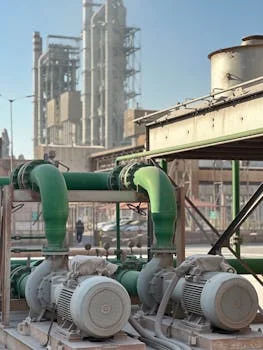
Navigating the regulatory landscape for sewage treatment equipment in Abuja FCT Nigeria is a critical step that requires meticulous attention to detail to avoid costly delays and penalties. This checklist outlines the essential permits, approvals, and compliance steps mandated by NESREA and other relevant authorities. Understanding the NESREA sewage discharge limits Abuja and the associated approval processes is fundamental for any new installation or upgrade of wastewater treatment facilities.
The process typically begins with obtaining an Environmental Impact Assessment (EIA) certificate from NESREA for systems exceeding 50 m³/h. The cost for an EIA can range from ₦500,000 to ₦2M, with an approval timeline of 3–6 months. Following EIA approval, a discharge permit from the FCT Water Board is required, with annual fees ranging from ₦200,000 to ₦800,000. Additional approvals include clearance from the State Ministry of Environment (approximately ₦150,000) and a local government development permit (₦50,000–₦200,000).
The NESREA approval process involves submitting detailed technical specifications of the proposed treatment system, including its flow rate, treatment processes, and anticipated effluent quality. A site inspection by NESREA officials is usually conducted to verify compliance with environmental regulations and the proposed design. For hospitals, adherence to the National Environmental (Healthcare Waste) Regulations 2021 is also mandatory, often requiring more advanced disinfection and containment measures. For food processing plants, meeting stringent standards for COD and BOD is paramount.
Common compliance failures often stem from inadequate planning. This includes not accounting for the need for backup power generators, which are essential given the intermittent nature of electricity supply. Failure to properly calibrate sensors and instrumentation can lead to inconsistent effluent quality, failing to meet discharge limits. the use of unapproved or substandard chemicals can impact treatment efficacy and potentially violate environmental standards. For instance, while chlorine gas might seem like a cost-effective disinfectant, its safety concerns and regulatory restrictions often make alternatives like on-site ClO₂ generation the preferred choice for hospitals and food processors.
| Stage | Permit/Approval | Issuing Authority | Estimated Cost (₦) | Estimated Timeline | Key Requirements |
|---|---|---|---|---|---|
| Pre-Installation | Environmental Impact Assessment (EIA) | NESREA | 500,000–2,000,000 | 3–6 Months | For systems >50 m³/h. Technical report, site assessment. |
| Pre-Installation | FCT Water Board Discharge Permit | FCT Water Board | 200,000–800,000 (Annual) | 2–4 Weeks | Effluent quality data, system design. |
| Pre-Installation | Ministry of Environment Approval | State Ministry of Environment | 150,000 | 1–2 Weeks | General environmental compliance. |
| Pre-Installation | Local Government Development Permit | Local Government Area | 50,000–200,000 | 2–4 Weeks | Site development and building permits. |
| Installation | NESREA Site Inspection | NESREA | (Covered by EIA fee) | 1–2 Weeks | Verification of installed system against approved design. |
| Operation | Monthly Effluent Testing | Facility Operator / Certified Lab | Varies (e.g., ₦50,000–₦150,000/month) | Ongoing | Monitoring BOD, COD, TSS, pH, coliforms. |
| Operation | Annual Permit Renewal | FCT Water Board | (As above) | Annual | Submission of compliance reports. |
Frequently Asked Questions
Q: How much does a sewage treatment plant cost in Abuja FCT Nigeria?
A: Capital expenditure (CAPEX) for sewage treatment plants in Abuja ranges from approximately ₦3M for a 1 m³/h residential package plant to ₦40M for a 100 m³/h industrial DAF system. Operational expenditure (OPEX) averages between ₦150–₦400 per cubic meter, heavily influenced by local electricity tariffs and chemical costs. For example, a 50 m³/h DAF system typically incurs an upfront cost of ₦12M–₦25M and an operating cost of around ₦250/m³ (based on 2025 data).
Q: What are the best chemicals for sewage treatment in Abuja?
A: Standard chemicals for DAF systems include coagulants like polyaluminum chloride (costing around ₦1,200/L) and flocculants such as polyacrylamide (approximately ₦2,500/L). For disinfection, especially in hospitals, chlorine dioxide (ClO₂) is highly recommended due to its effectiveness against a broad spectrum of pathogens and its low residual toxicity. A 2% ClO₂ solution can cost around ₦3,000/L. It is advisable to avoid chlorine gas due to safety concerns and its prohibition in Abuja for such applications.
Q: Can I install a sewage treatment plant without NESREA approval in Abuja?
A: No, installing a sewage treatment plant without the necessary NESREA approval is not permissible in Abuja. NESREA mandates an Environmental Impact Assessment (EIA) for systems exceeding 50 m³/h and requires a discharge permit for all installations. Operating without these approvals can lead to substantial fines, ranging from ₦1M to ₦5M, and potential shutdown orders. Hospitals and food processing facilities face even stricter scrutiny and higher penalties for non-compliance.
Q: What is the lifespan of sewage treatment equipment in Abuja?
A: With proper maintenance, DAF systems are designed to last between 15–20 years. MBR systems have a membrane lifespan of 5–8 years, with replacement costs for a 50 m³/h system typically ranging from ₦2M to ₦5M. Package plants generally have a lifespan of 10–15 years. Local environmental factors, such as power surges and the presence of sand in influent streams, can potentially reduce the operational lifespan of equipment by 20–30% if not adequately mitigated.
Q: Where can I buy sewage treatment equipment in Abuja?
A: Leading suppliers of sewage treatment equipment in Abuja include AlphaBlue Water Services (specializing in DAF and RO systems) and Aqua Sea Drop (offering package plants and MBR solutions). For industrial applications, Finlay Nigeria provides comprehensive processing plant solutions. For more budget-conscious residential systems, platforms like Jiji.ng list various options ranging from ₦3,500 to ₦5M; however, buyers should exercise caution, thoroughly verify seller credibility, and confirm the availability of after-sales support before making a purchase.
Related Equipment
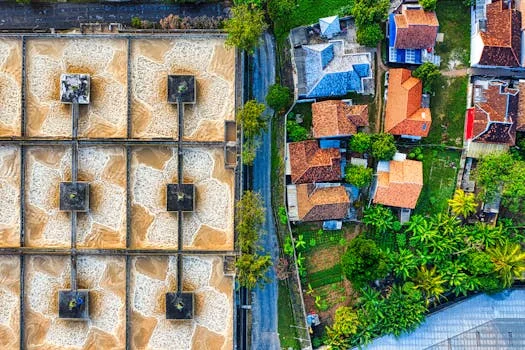
The following HydropureWater products are engineered for the wastewater challenges discussed above:
- DAF systems for high-efficiency TSS and FOG removal in Abuja’s industrial wastewater — view specifications, capacity range, and technical data
- MBR systems for near-reuse-quality effluent in Abuja’s hospitals and residential communities — view specifications, capacity range, and technical data
- on-site ClO₂ generation for hospital wastewater disinfection in Abuja — view specifications, capacity range, and technical data
Need a customized solution? Request a free quote with your specific flow rate and pollutant parameters.