Why a Bronx Data Center's Water Footprint Is Different
A 100 MW hyperscale hall in Hunts Point or Mott Haven behaves differently than the same facility in Phoenix or Ashburn because the local hydrology, sewer envelope, and grid mix dictate the water balance. Open-loop evaporative cooling is an inflexible 24/7 demand that cannot be ramped down during drought without shutting compute, per NC State coverage of hydrologist Matthias Sprenger (2026-09).
A 100 MW facility can require up to ~2 million liters of water per day, an order-of-magnitude sizing anchor that holds across geographies (IDE Tech). A Northeast facility sits in a cooler, wetter climate than an Arizona site, so direct evaporative loss per MWh is lower, but the site still imports indirect water through regional power generation — Ceres data cited in the same NC State article notes that 78% of electricity in seven analyzed states came from water-using power plants, with 66% of that generation sited in medium-high to high water-stress basins.
The Bronx is served by the New York City Department of Environmental Protection (NYCDEP) sewer system, so any blowdown plan must assume compatibility with the NYCDEP Rules Governing Use of Sewers. The relevant rule categories to confirm with compliance are: prohibited discharges, SIC-based categorical limits, fats/oils/grease caps, and metals limits. The supplied research gives no Bronx-specific numeric limits, so these are flagged as confirm-with-compliance inputs rather than quoted figures. Con Edison district steam and chilled-water interactions, Hudson River estuary and Long Island Sound thermal-plume sensitivity, and constrained yard or rooftop mechanical areas typical of Bronx industrial parcels add three more local overlays that generic guides do not address.
What Is Actually in Cooling-Tower Blowdown
Blowdown TDS is typically 1,200-6,000 mg/L, roughly 4-8x the makeup water, with the upper end driven by cycles of concentration and source water, per Genesis Water Tech. Scaling minerals — calcium, magnesium, silica, and alkalinity — concentrate alongside biocides, corrosion inhibitors, scale inhibitors, and dispersants, while legacy chromate or high-phosphate chemistries complicate downstream reuse. Suspended solids in blowdown typically run 10-50 mg/L from corrosion products, biofilm fragments, and airborne particulates, and biological content from planktonic bacteria and biofilm formers must be designed out of any recovery system. Discharge of blowdown into waterways can elevate salinity and carry biocides and anti-scalants, and warm discharge adds a thermal-pollution overlay that can stress aquatic life and lower dissolved oxygen (NC State / Sprenger, 2026-09).
| Parameter | Typical Blowdown Range | Source / Date |
|---|---|---|
| TDS (4-8× makeup) | 1,200-6,000 mg/L | Genesis Water Tech |
| Suspended solids | 10-50 mg/L | Genesis Water Tech |
| Permeate TDS after RO | 10-50 mg/L | Genesis Water Tech |
| MVC distillate TDS | < 10 mg/L | Genesis Water Tech |
| IDE MAXH₂O permeate silica | ~1 mg/L | IDE Tech |
| Loss to blowdown at 4 cycles | 25-30% of makeup | Genesis Water Tech |
A multi-media filter ahead of the membrane train allows the side-stream and the blowdown RO to run on cleaner feed; see a multi-media filter for side-stream cooling-water filtration as a typical insertion point.
Treatment Train for a Bronx Site: Filtration → UF → RO → Optional ZLD
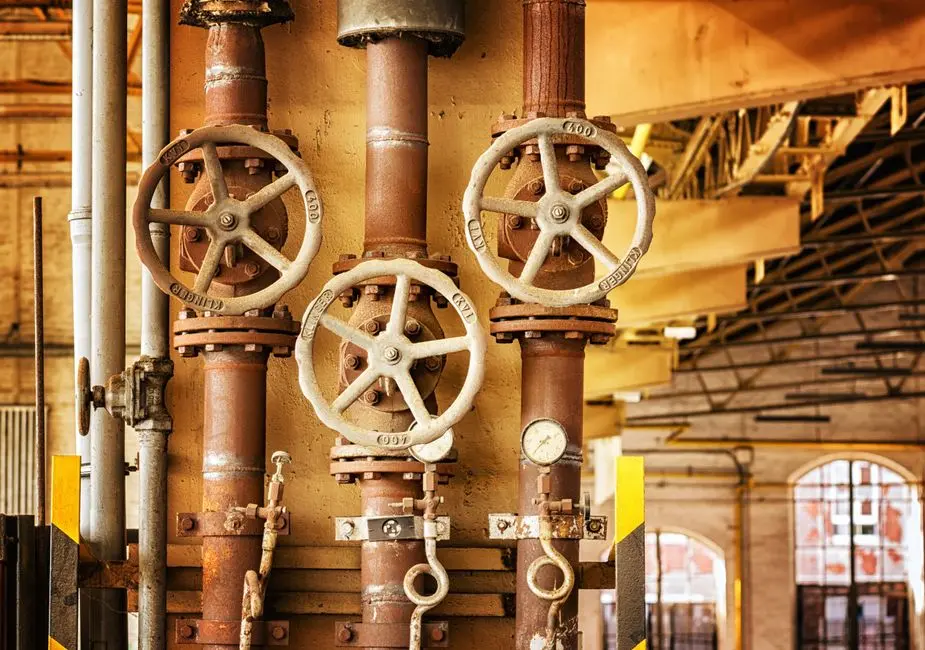
The unit operations for a Bronx blowdown train follow the same sequence used elsewhere, but the yard footprint and the discharge envelope drive the recovery target. Side-stream filtration sized at roughly 1-5% of circulation flow enables higher cycles of concentration and cleaner blowdown, with a CAPEX band of $50,000-200,000 for typical data center installations (Genesis Water Tech). Ultrafiltration at 0.01-0.1 micron pore size and 10-30 psi is the workhorse pretreatment ahead of RO, removing suspended solids, bacteria, and high-MW organics with 90-95% recovery and routine CIP every 1-3 months. An ultrafiltration system for blowdown pretreatment typically sits between the side-stream filters and the RO.
Reverse osmosis removes 95-99% of dissolved solids and produces 10-50 mg/L TDS permeate usable directly as cooling-tower makeup. Conventional brackish-water RO on cooling-tower blowdown caps at 75-80% recovery before silica and calcium scaling dominate (Genesis Water Tech; IDE Tech). A 50,000 GPD blowdown RO system CAPEX band is $250,000-500,000 installed, with OPEX of $1.50-3.00 per thousand gallons treated including energy, chemicals, membrane replacement, and maintenance. An industrial RO system for cooling-tower makeup reuse sized to the blowdown flow is the core capex line item. Mechanical vapor compression and brine concentrators push overall system recovery to 85-95% by treating RO concentrate; full ZLD systems reach 95-99% recovery with a final crystallizer, but at CAPEX $3-8 million and OPEX $5-15 per thousand gallons (Genesis Water Tech). The IDE MAXH₂O example reports ~95% overall recovery with permeate silica down to ~1 mg/L, illustrating that higher recovery than conventional 75-80% RO is technically achievable with salt-precipitation controls (IDE Tech).
For a yard-constrained Bronx parcel, the practical layout is side-stream filtration on a pad, UF skids on a structural mezzanine, RO in a covered skid bay, and only the MVC/crystallizer block sized to the realistic waste-handling capacity the site can support. For a broader view of how this train fits into facility-level water planning, see a broader 2026 guide to data center cooling water solutions or a parallel site case in data center cooling blowdown treatment in Tirunelveli. A standalone CAPEX view for the UF block is in the 2026 ultrafiltration system cost guide.
Discharge to the NYC Sewer vs. On-Site Reuse
Direct-discharge fees in water-stressed regions now exceed $5-15 per thousand gallons, and some jurisdictions have implemented TDS limits below 1,500 mg/L for blowdown discharge (Genesis Water Tech). The Bronx is not hydrologically water-stressed in the Southwest sense, but discharge-fee trajectories and tightening permit envelopes push operators toward reuse. Cooling-tower makeup reuse typically achieves 60-85% recovery and is the highest-value end use, because it directly displaces both freshwater intake and discharge volume. Process-water reuse for landscape irrigation or equipment washdown accepts lower recovery and is a useful partial sink where the Bronx site has irrigation demand on adjacent property. Discharge-compliance-only treatment focuses on TDS reduction, metals polishing, or biocide neutralization to meet the permit envelope, with economics driven by avoided fees rather than water savings.
| End Use / Strategy | Typical Recovery | Economic Driver | Source |
|---|---|---|---|
| Cooling-tower makeup reuse (RO) | 60-85% | Displaced freshwater + avoided discharge | Genesis Water Tech |
| Process / irrigation reuse | Lower; site-dependent | Offset of non-potable demand | Genesis Water Tech |
| Discharge compliance only | Permit-driven | Avoided discharge fees ($5-15/kgal in stressed regions) | Genesis Water Tech |
| Partial ZLD (RO + MVC) | 85-95% | Volume reduction; CAPEX $1-3M for 10-30k GPD MVC | Genesis Water Tech |
| Full ZLD with crystallizer | 95-99% | No liquid discharge; CAPEX $3-8M, OPEX $5-15/kgal | Genesis Water Tech |
A Bronx site must layer NYCDEP Rules Governing Use of Sewers on top of these generic options; the supplied research does not provide Bronx-specific numeric discharge limits, so this is a confirm-with-compliance input. An automatic chemical dosing for antiscalant and biocide control skid sits between UF and RO to keep the membrane train within its scaling envelope.
Matching Cooling-Water Chemistry to a Reuse-First Design
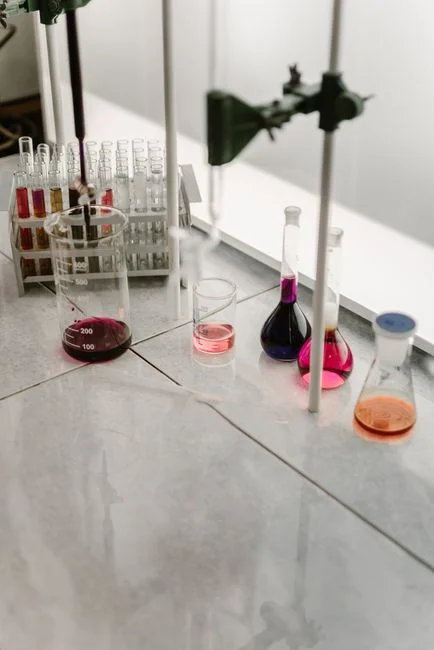
The blowdown recovery system only works if the upstream cooling-water chemistry program is redesigned in parallel. Traditional liquid treatment chemicals concentrate in blowdown proportionally to cycles of concentration and can foul downstream membrane systems or trip discharge limits (Genesis Water Tech). Tablet-based, controlled-dissolution programs and non-phosphate, low-toxicity chemistries reduce the chemical load that reaches the RO and improve compatibility with membrane treatment. When RO permeate is returned to the cooling tower as ultra-pure makeup, treatment chemistry can be optimized for actual circulating-water quality rather than compensating for variable makeup water, which improves biocide demand and reduces fouling at heat exchangers.
Antiscalant injection is required to control RO scaling on the high-TDS blowdown feed; the design pressure band is 150-400 psi to overcome osmotic pressure of the concentrate (Genesis Water Tech). Operating at higher cycles raises scaling risk, so the chemistry program and the membrane cleaning frequency must be designed together. Plan on a stock of RO and UF membrane replacement elements sized to the CIP cycle so a fouling event does not stall the train.
Decision Framework for a Bronx Data Center
- Confirm the local regulatory envelope. Pull the current NYCDEP Rules Governing Use of Sewers with compliance and the upstate grid operator, since supplied research has no Bronx-specific numeric discharge limits to quote. Identify whether the site sits in a combined-sewer area, which affects storm-flow discharge rules.
- Quantify blowdown volume from cycles of concentration. At 4 cycles, 25-30% of makeup water becomes blowdown; the reuse design is sized to that flow (Genesis Water Tech). A 100 MW facility at ~2 million L/day (IDE Tech) at 4 cycles puts blowdown in the high hundreds of thousands of liters per day.
- Pick a recovery target. 60-85% for makeup substitution, 85-95% with MVC brine concentration, 95-99% for full ZLD (Genesis Water Tech; IDE Tech). Match the target to available yard area, available waste-heat, and whether the site has a solids-disposal path for the crystallizer output.
- Lay out the unit-operation sequence. Side-stream filtration → UF → RO → optional MVC/crystallizer. Verify energy and waste-handling footprints against the parcel and any rooftop mechanical limits.
- Close the loop with hydrology and transparency. A Bronx facility represents an inflexible continuous demand on regional water, so the design should include monitoring and transparent reporting on intake, blowdown volume, and discharge quality to address community concerns (NC State / Sprenger, 2026-09).
Frequently Asked Questions
What TDS range should a Bronx data center expect in cooling-tower blowdown?
Plan on 1,200-6,000 mg/L, with 4-8x concentration relative to NYC makeup water at 4 cycles of concentration (Genesis Water Tech). The exact number is site-dependent on cycles and source water, so the design should bracket both ends of the band.
How high can a standard RO recover on cooling-tower blowdown, and how do you push past it?
Conventional brackish-water RO on blowdown caps at 75-80% recovery before silica and calcium scaling dominate (IDE Tech). To push past it, route RO concentrate to an MVC or brine concentrator (95-98% recovery on the concentrate stream) or use a salt-precipitation design like the IDE MAXH₂O architecture, which reports ~95% overall recovery and
Frequently Asked Questions
What wastewater treatment does a data center in The Bronx, NY actually need in 2026?
In 2026, Bronx data centers must treat cooling tower blowdown to manage high concentrations of suspended solids, silica, and dissolved minerals before discharge. Treatment typically involves a combination of side-stream filtration to manage total suspended solids (TSS), chemical scale inhibitors, and, increasingly, reverse osmosis (RO) or electrodialysis reversal (EDR) to concentrate blowdown and reduce overall water consumption in compliance with local sustainability mandates.
Facilities must also implement pH adjustment systems to meet the strict range requirements of the New York City Department of Environmental Protection (NYCDEP). Because NYC water is soft but concentrated through evaporation, treatment focus is primarily on preventing mineral scaling and ensuring that heavy metal concentrations resulting from cooling water additives remain below local sewer use limits.
How much does a cooling-tower blowdown RO system cost for a 50,000 GPD data center?
For a 50,000 gallons per day (GPD) capacity, a turnkey industrial reverse osmosis system typically costs between $350,000 and $600,000. This estimate includes pre-treatment filtration, high-pressure pumps, membrane skids, and automated control integration, but excludes site-specific plumbing modifications and electrical upgrades required for installation in an urban Bronx facility.
Ongoing operational expenditures, including membrane replacement, anti-scalant chemicals, and energy consumption, generally add an additional $0.02 to $0.05 per gallon of treated water. Total cost variability depends heavily on the specific water chemistry of the NYC municipal supply and the required concentration factor for the facility's specific cooling load.
What is the typical TDS and scaling risk in cooling-tower blowdown from a hyperscale data center?
Hyperscale cooling tower blowdown typically exhibits Total Dissolved Solids (TDS) concentrations ranging from 1,500 mg/L to 4,000 mg/L, depending on the cycles of concentration (CoC). When operators push systems to 6-8 cycles to save water, the risk of calcium carbonate and silica scaling increases exponentially, necessitating aggressive chemical dosing.
In the Bronx, where municipal water is relatively low in hardness, the primary risk remains silica polymerization and calcium phosphate scaling if high-efficiency water treatment chemicals are not strictly monitored. Failure to manage these levels leads to rapid fouling of heat exchangers, which can increase the Power Usage Effectiveness (PUE) of the data center by 3-5% due to reduced thermal transfer efficiency.
Can a Bronx data center discharge blowdown to the NYC sewer system, and what NYCDEP rules apply?
Yes, data centers can discharge blowdown to the NYC sewer system, but they must comply with the NYCDEP Bureau of Wastewater Treatment regulations outlined in Title 15 of the Rules of the City of New York. Facilities are required to obtain a Wastewater Quality Control Permit if the discharge meets specific volume or contaminant thresholds, ensuring that pH levels remain between 5.0 and 12.0 and that no prohibited substances, such as toxic organics or heavy metals, exceed local limits.
Operators must also install flow meters and sampling ports to allow for periodic NYCDEP inspections. Because The Bronx utilizes a combined sewer system, the NYCDEP mandates that cooling tower discharge does not contribute to hydraulic overloading during peak storm events, often requiring flow-equalization tanks to regulate discharge rates during heavy rain.
What is the maximum recovery rate of a reverse osmosis system on cooling-tower blowdown?
The maximum recovery rate for an RO system treating cooling tower blowdown is typically between 75% and 85%. While higher recovery rates are theoretically possible, they are generally avoided due to the high risk of membrane scaling from silica and calcium sulfate, which precipitate rapidly once the solubility limit is exceeded in the brine stream.
Achieving recovery rates at the higher end of this range requires advanced anti-scalant chemistries and frequent membrane cleaning cycles (CIP). In practice, most Bronx-based facilities target a 75% recovery rate to balance water conservation goals with the longevity of the RO membranes and the maintenance costs of the treatment infrastructure.