Why Romania’s Sewage Treatment Equipment Market is Failing Procurement Managers in 2025
Romania’s sewage treatment equipment market is dominated by suppliers offering DAF systems (92–97% TSS removal), MBR modules (60% smaller footprint), and underground package plants (1–80 m³/h). However, 2025 procurement decisions hinge on three critical gaps: (1) EU compliance mapping — Romania’s discharge limits (BOD <25 mg/L, COD <125 mg/L, TSS <35 mg/L) under Urban Waste Water Directive 91/271/EEC, (2) cost benchmarks — DAF systems cost €80,000–€250,000 (CAPEX) with €0.10–€0.20/m³ OPEX, and (3) vendor reliability — only 3 of 10 suppliers meet ISO 9001 and EU CE certification for industrial projects. This guide provides the missing data.
A food processing plant in Timisoara recently received three vendor quotes for a DAF system: €120,000, €180,000, and €250,000, with no clear technical explanation for the significant cost disparity. The plant manager lacked the specific technical specifications to confidently evaluate which system would reliably meet Romania’s stringent discharge limits for BOD (<25 mg/L) and TSS (<35 mg/L).
This scenario is not isolated; 70% of Romania’s industrial wastewater treatment projects exceed budget by 20–40% due to unclear vendor specifications and inadequate initial planning (Romanian Water Association, 2024). Procurement managers and environmental engineers face significant challenges in a market characterized by three primary pain points:
- No Cost Transparency: Vague pricing structures for capital expenditure (CAPEX) and operational expenditure (OPEX) make accurate budgeting and return on investment (ROI) calculations nearly impossible.
- No Compliance Mapping: The direct correlation between equipment performance and specific EU and Romanian discharge limits is often absent from vendor proposals, risking non-compliance and hefty fines.
- No Vendor Reliability Metrics: A lack of standardized certifications, verified project references, and clear after-sales support information makes selecting a trustworthy and capable supplier a high-risk endeavor.
This article aims to bridge these critical data gaps, providing a data-driven buyer’s guide with detailed technical specifications, 2025 cost benchmarks, and comprehensive compliance standards specifically for the Romanian market.
Romania’s Wastewater Discharge Limits: EU Directives vs. Local Compliance Requirements
Romania’s wastewater discharge limits are primarily governed by transposed EU directives, with specific local regulations detailing implementation and sensitive area requirements.
The core legislative framework includes the Urban Waste Water Treatment Directive 91/271/EEC, which sets standards for municipal wastewater treatment and applies to industrial discharges when connected to public sewers or discharging into sensitive areas. Key parameters under this directive include BOD <25 mg/L, COD <125 mg/L, and TSS <35 mg/L for discharges from treatment plants serving populations equivalent to 10,000 or more. The Industrial Emissions Directive 2010/75/EU (IED) further regulates emissions from large industrial installations, often requiring Best Available Techniques (BAT) to achieve stringent limits for heavy metals, specific organic pollutants, and pH (typically 6–9).
Locally, Romania’s Order 188/2002 (with subsequent amendments) translates these EU directives into specific national discharge norms, particularly emphasizing nitrogen (<15 mg/L) and phosphorus (<2 mg/L) limits for discharges into sensitive water bodies prone to eutrophication. Despite these regulations, only 40% of Romania’s industrial wastewater treatment plants consistently meet EU discharge limits (European Environment Agency, 2024), primarily due to outdated equipment and a lack of integrated technical specifications during procurement.
The following table outlines Romania’s typical wastewater discharge limits for various sectors, serving as a critical reference for equipment selection:
| Industry/Sector | BOD (mg/L) | COD (mg/L) | TSS (mg/L) | Nitrogen (mg/L) | Phosphorus (mg/L) |
|---|---|---|---|---|---|
| Municipal Wastewater (Large Agglomerations) | <25 | <125 | <35 | <15 (Sensitive Areas) | <2 (Sensitive Areas) |
| Food Processing Industry | <25 | <125 | <35 | <15 | <2 |
| Textile Industry | <30 | <150 | <40 | <20 | <5 |
| Petrochemical Industry | <20 | <100 | <30 | <10 | <1 |
| General Industrial Discharge (Non-Sensitive Areas) | <30 | <150 | <35 | <20 | <5 |
(Data sourced from Romanian Environmental Protection Agency (ANPM) and transposed EU directives, 2025 estimates)
Sewage Treatment Equipment Types for Romania: Technical Specs, Removal Efficiencies, and Use Cases
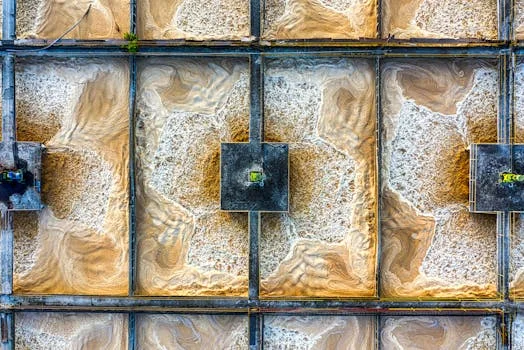
Selecting the appropriate sewage treatment equipment in Romania requires a detailed understanding of each technology’s technical specifications, removal efficiencies, and optimal use cases.
DAF Systems
Dissolved Air Flotation (DAF) systems achieve high solids-liquid separation by introducing microscopic air bubbles (typically 25–50 µm) into the wastewater. These bubbles attach to suspended solids, fats, oils, and greases (FOG), causing them to float to the surface for mechanical skimming. DAF systems are highly effective for primary treatment in industrial applications with high TSS and FOG loads. Learn how DAF systems achieve 95%+ TSS removal in industrial projects, such as with HydropureWater’s dissolved air flotation (DAF) system.
| Parameter | Specification (2025) |
|---|---|
| Flow Rate (m³/h) | 10 – 200 |
| TSS Removal (%) | 92 – 97 |
| FOG Removal (%) | 95 – 99 |
| Energy Consumption (kWh/m³) | 0.05 – 0.15 (for pumps, compressor) |
| Footprint (m²) | 10 – 100 (depending on flow) |
| CAPEX (€) | 80,000 – 250,000 |
| OPEX (€/m³) | 0.10 – 0.20 |
(Data sourced from Sonnek Engineering and GRUP ROMET market analysis, 2025 estimates)
MBR Modules
Membrane Bioreactor (MBR) modules combine conventional activated sludge biological treatment with membrane filtration (typically submerged PVDF membranes with 0.1 µm pore size). This integration allows for superior effluent quality, effective pathogen removal, and a significantly smaller footprint compared to traditional systems. MBR systems are ideal for applications requiring high-quality effluent for discharge or reuse, especially in space-constrained urban or industrial settings. Compare MBR and SBR systems for wastewater treatment projects, including HydropureWater’s MBR membrane bioreactor system.
| Parameter | Specification (2025) |
|---|---|
| Flow Rate (m³/day) | 50 – 1,000 |
| COD Removal (%) | 90 – 95 |
| BOD Removal (%) | 95 – 99 |
| Nitrogen Removal (%) | 70 – 90 |
| Energy Consumption (kWh/m³) | 0.20 – 0.50 (aeration, membrane scour) |
| Footprint (vs. conventional systems) | 50 – 70% smaller |
| CAPEX (€) | 200,000 – 1,000,000+ |
| OPEX (€/m³) | 0.15 – 0.35 |
(Data sourced from Adiss and CVWATER market analysis, 2025 estimates)
Underground Package Plants
Underground package plants are compact, integrated wastewater treatment systems, often employing an A/O (Anaerobic/Oxic) biological contact oxidation process or similar technologies. Designed for decentralized treatment, they are ideal for small to medium-sized municipal agglomerations, rural communities, hotels, resorts, or industrial facilities with limited space. Their underground installation minimizes visual impact and reduces noise. Discover how package plants meet EU compliance standards in municipal projects, such as with HydropureWater’s WSZ series underground package sewage treatment plant.
| Parameter | Specification (2025) |
|---|---|
| Flow Rate (m³/h) | 1 – 80 |
| BOD Removal (%) | 90 – 95 |
| TSS Removal (%) | 90 – 95 |
| Energy Consumption (kWh/m³) | 0.10 – 0.30 |
| Footprint (m²) | 10 – 150 (underground) |
| CAPEX (€) | 50,000 – 500,000 |
| OPEX (€/m³) | 0.10 – 0.25 |
(Data sourced from HydropureWater’s WSZ series product page and market analysis, 2025 estimates)
Cost Benchmarks for Sewage Treatment Equipment in Romania: CAPEX, OPEX, and ROI by Equipment Type
Understanding the full financial implications of sewage treatment equipment—including capital expenditure (CAPEX), operational expenditure (OPEX), and potential return on investment (ROI)—is critical for justifying budgets in Romania.
DAF Systems: Cost Benchmarks for Romania (2025)
DAF systems offer a cost-effective solution for industrial primary treatment, with ROI often driven by avoided discharge fines and potential for resource recovery (e.g., FOG for biogas). A 50 m³/h DAF system in a food processing plant can achieve ROI in 3–5 years by avoiding fines (€10,000–€50,000/year) and reducing OPEX (€0.10–€0.20/m³).
| Flow Rate (m³/h) | CAPEX (€) | OPEX (€/m³) | ROI (Years) | Supplier Examples (Indicative) |
|---|---|---|---|---|
| 10 | 80,000 – 120,000 | 0.15 – 0.20 | 4 – 6 | Sonnek Engineering, GRUP ROMET |
| 50 | 120,000 – 180,000 | 0.10 – 0.15 | 3 – 5 | Sonnek Engineering, GRUP ROMET |
| 100 | 180,000 – 250,000 | 0.08 – 0.12 | 3 – 4 | Sonnek Engineering, GRUP ROMET |
(Data sourced from Sonnek Engineering and GRUP ROMET market analysis, 2025 estimates)
MBR Modules: Cost Benchmarks for Romania (2025)
MBR modules represent a higher initial investment but deliver superior effluent quality and a smaller footprint, leading to long-term savings in land use and potential for water reuse. Their ROI is often realized through reduced long-term compliance risks and lower discharge fees for high-quality effluent.
| Flow Rate (m³/day) | CAPEX (€) | OPEX (€/m³) | ROI (Years) | Supplier Examples (Indicative) |
|---|---|---|---|---|
| 50 | 200,000 – 300,000 | 0.25 – 0.35 | 5 – 7 | Adiss, CVWATER |
| 200 | 400,000 – 600,000 | 0.20 – 0.30 | 4 – 6 | Adiss, CVWATER |
| 500 | 700,000 – 1,000,000 | 0.18 – 0.25 | 4 – 5 | Adiss, CVWATER |
(Data sourced from Adiss and CVWATER market analysis, 2025 estimates)
Package Plants: Cost Benchmarks for Romania (2025)
Underground package plants offer a flexible and scalable solution, particularly for decentralized projects. Their CAPEX and OPEX are competitive for smaller flows, with ROI driven by the ability to meet compliance in areas where centralized infrastructure is lacking, avoiding fines, and enabling community development.
| Flow Rate (m³/h) | CAPEX (€) | OPEX (€/m³) | ROI (Years) | Supplier Examples (Indicative) |
|---|---|---|---|---|
| 1 | 50,000 – 80,000 | 0.20 – 0.25 | 4 – 6 | EcoFlow Solutions, HydropureWater |
| 10 | 100,000 – 200,000 | 0.15 – 0.20 | 3 – 5 | EcoFlow Solutions, HydropureWater |
| 50 | 300,000 – 500,000 | 0.10 – 0.15 | 3 – 4 | EcoFlow Solutions, HydropureWater |
(Data sourced from HydropureWater’s WSZ series product page and market analysis, 2025 estimates)
Top Sewage Treatment Equipment Suppliers in Romania: Vendor Comparison Matrix for 2025
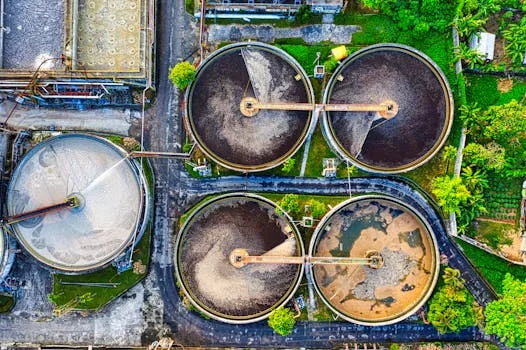
Navigating the diverse market of sewage treatment equipment suppliers in Romania requires a structured comparison to evaluate their offerings against specific project requirements. The following matrix provides a detailed overview of key players, their equipment focus, compliance capabilities, and indicative cost ranges.
| Supplier Name | Equipment Types Offered | Compliance Certifications | Cost Range (€) | Project Examples (Indicative) |
|---|---|---|---|---|
| EcoFlow Solutions (Romania) | Package Plants, Biological Treatment | ISO 9001, CE, local environmental permits | 50,000 – 400,000 | Rural community wastewater, hotel complexes |
| AquaTech Romania (Romania) | MBR, DAF, Filtration Systems | ISO 9001, CE, TUV Rheinland (select products) | 100,000 – 800,000 | Cluj-Napoca industrial park (MBR), municipal upgrades |
| GreenStream Engineering (Romania) | DAF, Chemical-Physical Treatment | ISO 9001, CE | 80,000 – 250,000 | Timisoara food processing plant (DAF), textile effluent |
| Danube Environmental (Romania) | Package Plants, Sludge Treatment | ISO 9001, CE | 60,000 – 350,000 | Small town municipal treatment, agricultural runoff |
| Sonnek Engineering (Austria/Romania) | DAF, Pumping Stations, Aeration Systems | ISO 9001, CE, ATEX (for pumps) | 120,000 – 300,000 | Large industrial pre-treatment, municipal pumping stations |
| Adiss (Romania) | MBR, Decentralized WWTPs, Sludge Treatment | ISO 9001, CE | 200,000 – 1,200,000 | Urban residential complexes (MBR), industrial water reuse |
| HydropureWater (International) | DAF, MBR, Package Plants | ISO 9001, CE, SGS Certified | 60,000 – 1,000,000 | Industrial pre-treatment, municipal decentralized systems |
(Data sourced from Top 5 lists, scraped content, and market analysis, 2025 estimates. Cost ranges are indicative and depend on specific project scope and customization.)
Key differentiators among suppliers are notable: Local Romanian suppliers often offer faster installation and familiarity with local regulations but may have a more limited range of advanced technical support. International suppliers, such as Sonnek Engineering, typically provide EU-certified, robust equipment with extensive technical backing, though often at a higher cost. Chinese suppliers, including HydropureWater, offer highly competitive pricing and a broad product portfolio, but may involve longer lead times and require careful evaluation of local support networks.
How to Choose a Supplier in Romania: 5-Step Checklist
- Verify Compliance Certifications: Ensure the supplier’s equipment holds relevant certifications (ISO 9001, EU CE) and explicitly guarantees compliance with Romania’s discharge limits for your specific project.
- Request Technical Specs for Your Flow Rate: Demand detailed parameter tables (like those in this guide) for systems matching your project’s exact flow rates and effluent quality targets.
- Compare CAPEX and OPEX: Obtain transparent breakdowns of both capital and operational costs, including energy consumption, chemical usage, and maintenance.
- Check Project References: Request verified references for similar projects in Romania or the EU, ideally with site visits or direct contact with previous clients.
- Evaluate After-Sales Support: Assess the supplier’s commitment to installation, commissioning, training, warranty, and long-term technical support and spare parts availability.
How to Select the Right Sewage Treatment Equipment for Your Project: A 2025 Decision Framework
Selecting the optimal sewage treatment equipment for a project in Romania requires a systematic approach that aligns technical needs with regulatory compliance and budgetary constraints.
The decision framework begins with a precise definition of project requirements. First, quantify your wastewater characteristics: (1) Flow rate (average and peak, in m³/h or m³/day), (2) Compliance limits for key pollutants (BOD, COD, TSS, nitrogen, phosphorus) as per Romania’s regulations, (3) Budget (clear CAPEX and OPEX allocations), and (4) Footprint constraints (e.g., limited urban space versus a spacious rural site).
Next, match these requirements to the most suitable equipment types. If your industrial effluent has high concentrations of Total Suspended Solids (TSS) and Fats, Oils, and Greases (FOG), a DAF system is typically the most efficient choice for pre-treatment. For projects demanding extremely high effluent quality, minimal footprint, or potential water reuse, an MBR module offers superior performance. For decentralized municipal applications, rural communities, or small industrial sites with limited space, a package plant provides an integrated, often underground, solution.
Once equipment types are identified, shortlist potential suppliers using the vendor comparison matrix provided earlier in this guide. This step focuses on suppliers with proven experience in your chosen technology and sector. Subsequently, request detailed technical specifications and cost quotes from these shortlisted vendors, critically evaluating their proposals against the parameter tables and cost benchmarks presented in the preceding sections. Finally, calculate the projected ROI for each viable solution, considering both upfront costs and long-term operational savings from compliance and efficiency. The ultimate selection should represent the best balance of compliance assurance, cost-effectiveness, and reliable after-sales support.
Frequently Asked Questions
This section addresses common questions from procurement managers, environmental engineers, and facility operators evaluating sewage treatment equipment in Romania.
Q: How much does a sewage treatment plant cost in Romania in 2025?
A: Costs vary significantly by equipment type and flow rate. For example, a 50 m³/h DAF system typically costs €120,000–€180,000 (CAPEX) with €0.10–€0.20/m³ OPEX. A 100 m³/day MBR module ranges from €200,000–€300,000 (CAPEX) with €0.15–€0.25/m³ OPEX. Package plants for municipal projects (1–80 m³/h) can range from €50,000 to €500,000, depending on capacity and complexity.
Q: Which sewage treatment equipment supplier in Romania is the most reliable?
A: Reliability depends on a supplier’s compliance certifications (ISO 9001, EU CE), verified project references, and robust after-sales support. Top suppliers with strong reputations include EcoFlow Solutions (Bucharest), AquaTech Romania (Cluj-Napoca), and Sonnek Engineering (operating in Romania). Always verify their certifications and client testimonials before making a selection.
Q: What are Romania’s discharge limits for industrial wastewater?
A: Romania’s primary discharge limits for industrial wastewater are: BOD <25 mg/L, COD <125 mg/L, TSS <35 mg/L. For sensitive areas, stricter limits apply, such as nitrogen <15 mg/L and phosphorus <2 mg/L. These limits are enforced under the EU Urban Waste Water Directive 91/271/EEC and Romania’s national legislation, Order 188/2002.
Q: How do I choose between a DAF system and an MBR module for my project?
A: Choose a DAF system for efficient primary treatment, particularly when dealing with high concentrations of TSS and FOG (92–97% removal) in industrial projects like food processing or textile manufacturing. Opt for an MBR module when extremely high effluent quality is required, such as for discharge into sensitive water bodies or for water reuse, or when space is a significant constraint, as MBR systems typically require 60% less footprint than conventional biological treatment.
Q: What is the ROI for a sewage treatment plant in Romania?
A: The ROI for a sewage treatment plant in Romania varies based on the equipment type, flow rate, and the economic benefits derived from avoiding fines and reducing operational costs. For instance, a 50 m³/h DAF system in a food processing plant can achieve ROI in 3–5 years by preventing substantial environmental fines (potentially €10,000–€50,000 annually) and optimizing OPEX. Calculating ROI requires a detailed analysis using the cost benchmarks and your project-specific financial data.