Package wastewater treatment plants in Ireland are compact, pre-engineered systems designed for residential, commercial, and industrial applications where space is limited or connection to municipal sewers is impractical. In 2025, these systems must comply with Ireland’s Urban Waste Water Treatment Directive (91/271/EEC), which mandates secondary treatment (BOD < 25 mg/L, TSS < 35 mg/L) for discharges to sensitive areas. Key technologies include Membrane Bioreactors (MBR), Sequencing Batch Reactors (SBR), and Anoxic/Oxic (A/O) processes, with removal efficiencies ranging from 90-99% for BOD, COD, and nitrogen. Costs vary by capacity: a 10 PE system averages €8,000-€12,000, while a 50 PE system ranges from €30,000-€50,000 (2025 benchmarks). This guide provides technical specs, compliance mapping, and supplier selection criteria for Irish buyers.
What Is a Package Wastewater Treatment Plant and How Does It Work?
A package wastewater treatment plant is a pre-fabricated, modular system designed for decentralized sewage treatment, particularly where connection to a municipal sewer network is not feasible or cost-effective. These systems, often described as 'bespoke modular' solutions (Coftec), integrate multiple treatment stages into a single, compact unit, significantly reducing the required footprint compared to conventional, site-built facilities. For instance, an underground package sewage treatment plant can reduce surface footprint by 50-70% compared to traditional designs (HydropureWater data, 2025).
Core components of a typical package plant include:
- Primary Sedimentation: Raw wastewater first enters a primary settlement tank where heavier solids settle out, and lighter materials (fats, oils, grease) float to the surface for removal. This stage reduces the organic load on subsequent biological processes.
- Biological Treatment: The pre-treated wastewater then moves to a biological reactor where microorganisms consume dissolved organic pollutants. This is the heart of the treatment process, employing various technologies:
- Membrane Bioreactor (MBR): Utilizes submerged or external membranes (like a sophisticated coffee filter) to separate treated water from activated sludge, ensuring a high-quality effluent free of suspended solids.
- Sequencing Batch Reactor (SBR): Operates in a fill-and-draw sequence within a single tank, performing aeration, sedimentation, and decantation in distinct time phases. This batch process allows for flexible operation and robust performance against flow variations.
- Anoxic/Oxic (A/O): Employs separate anoxic (low oxygen) and oxic (high oxygen) zones to facilitate both nitrification (ammonia to nitrate) and denitrification (nitrate to nitrogen gas), effectively removing nitrogen compounds.
- Secondary Clarification: In systems without membranes (like SBR and A/O), treated wastewater flows into a secondary clarifier where remaining biological solids (sludge) settle, producing a clear effluent.
- Disinfection: The final stage often involves disinfection using ultraviolet (UV) light or chlorine to eliminate pathogenic bacteria and viruses before discharge.
Package plants offer several advantages over conventional systems, including a smaller footprint (often 50-70% reduction), faster installation (typically 2-4 weeks compared to 6-12 months for site-built plants), and lower initial capital costs for equivalent capacities (Tricel highlights their 'compact' designs for this reason). However, limitations include potential sensitivity to hydraulic or organic shock loads and specific maintenance requirements, such as periodic membrane cleaning for MBR systems.
Package Wastewater Treatment Technologies Compared: MBR vs. SBR vs. A/O
Selecting the appropriate package wastewater treatment technology hinges on balancing effluent quality requirements, site constraints, energy consumption, and operational complexity. Each primary technology—Membrane Bioreactor (MBR), Sequencing Batch Reactor (SBR), and Anoxic/Oxic (A/O)—offers distinct performance characteristics.
- Membrane Bioreactor (MBR): MBR systems integrate biological treatment with membrane filtration, typically using submerged microfiltration or ultrafiltration membranes with pore sizes between 0.1-0.4 μm. This physical barrier ensures exceptionally high effluent quality. MBR achieves BOD removal efficiencies of approximately 98%, TSS removal of 99%, and nitrogen removal up to 85% (HydropureWater field data, 2025). They boast the smallest footprint among the three, often requiring 30-50% less space than SBR or A/O due to higher mixed liquor suspended solids (MLSS) concentrations. Energy consumption ranges from 0.8-1.2 kWh/m³ of treated wastewater, primarily due to aeration and membrane scouring. Maintenance involves routine membrane cleaning (chemical cleaning every 3-6 months) and periodic replacement (membranes typically last 5-10 years). An MBR membrane bioreactor system for high-quality effluent is ideal for applications demanding stringent discharge limits or water reuse.
- Sequencing Batch Reactor (SBR): SBRs operate on a fill-and-draw principle within a single tank, cycling through distinct phases: fill, react (aeration), settle, and decant. This batch operation allows for precise control over the treatment process and excellent adaptability to variable influent flows, making them suitable for hotels or seasonal residential communities. SBR systems typically achieve BOD removal of 92%, TSS removal of 95%, and nitrogen removal up to 70% (EPA 2024 benchmarks). Their footprint is moderate, larger than MBR but often smaller than conventional continuous-flow systems. Energy consumption for SBRs is generally lower, ranging from 0.5-0.8 kWh/m³, driven primarily by aeration blowers. Maintenance is relatively straightforward, focusing on automated controls and sludge management, with minimal continuous operator input.
- Anoxic/Oxic (A/O): A/O systems utilize separate anoxic and oxic zones to promote biological nutrient removal. Wastewater flows continuously through an anoxic zone (for denitrification) followed by an oxic zone (for BOD removal and nitrification). These systems typically achieve BOD removal of 90%, TSS removal of 92%, and nitrogen removal up to 60%. A/O systems generally require the largest footprint among the three, as they involve multiple tanks or compartments. Energy use is the lowest, at approximately 0.4-0.6 kWh/m³, mainly for aeration. Maintenance primarily involves managing sludge return and ensuring optimal dissolved oxygen levels in each zone. A/O systems are often chosen for applications where nitrogen removal is a primary concern but space is less restrictive.
For compliance implications, MBR systems inherently achieve tertiary treatment standards (e.g., <10 mg/L BOD), making them suitable for discharge to sensitive receiving waters or for water reuse. SBR and A/O systems may require additional polishing steps, such as sand filtration or chemical dosing, to meet comparable sensitive area discharge limits, particularly for phosphorus removal.
| Technology | BOD Removal Efficiency | TSS Removal Efficiency | Nitrogen Removal Efficiency | Footprint (Relative) | Energy Use (kWh/m³) | Typical Application |
|---|---|---|---|---|---|---|
| MBR | 98% | 99% | 85% | Smallest | 0.8 - 1.2 | High-quality effluent, water reuse, sensitive areas |
| SBR | 92% | 95% | 70% | Moderate | 0.5 - 0.8 | Variable flows, hotels, seasonal communities |
| A/O | 90% | 92% | 60% | Largest | 0.4 - 0.6 | Nitrogen-sensitive areas, less stringent effluent |
Irish EPA Compliance: What Standards Apply to Your Package Plant?
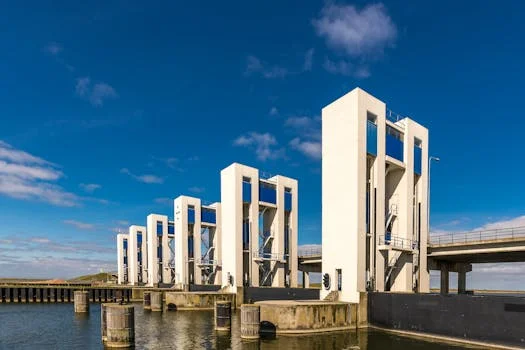
Compliance with Irish Environmental Protection Agency (EPA) standards is mandatory for all package wastewater treatment plants discharging to ground or surface waters in Ireland, primarily governed by the Urban Waste Water Treatment Directive 91/271/EEC. This directive mandates specific effluent quality standards for discharges from agglomerations (population equivalents, PE) of 50 or more.
Key secondary treatment standards under 91/271/EEC include:
- Biochemical Oxygen Demand (BOD): < 25 mg/L
- Total Suspended Solids (TSS): < 35 mg/L
- Chemical Oxygen Demand (COD): < 125 mg/L
For discharges to designated sensitive areas, stricter tertiary treatment standards apply, specifically for nutrient removal:
- Total Nitrogen: < 15 mg/L (for agglomerations 10,000-100,000 PE) or < 10 mg/L (for agglomerations >100,000 PE)
- Total Phosphorus: < 2 mg/L (for agglomerations 10,000-100,000 PE) or < 1 mg/L (for agglomerations >100,000 PE)
Ireland's EPA licensing process for package plants involves several steps. Operators must typically engage in a pre-application consultation with the EPA to discuss the proposed discharge, site characteristics, and potential environmental impacts. This leads to the establishment of site-specific discharge limits, which can be more stringent than the general directive requirements based on the receiving water's sensitivity. Ongoing monitoring requirements, such as quarterly sampling and submission of results, are standard components of an EPA discharge license. For specialized applications, a compact medical wastewater treatment system would face additional specific discharge parameters for pharmaceutical residues or pathogens.
Sensitive areas, requiring stricter limits and often tertiary treatment technologies like MBR, are concentrated in counties with vulnerable water bodies. These include significant portions of Dublin, Cork, and Galway, particularly around coastal waters, estuaries, and designated freshwater protection zones. The EPA publishes maps and guidelines outlining these areas, which dictate the need for advanced nutrient removal.
Small systems, specifically those below 50 PE, may qualify for simplified compliance procedures, often regulated by local authorities rather than directly by the EPA, though they must still meet basic effluent standards (per EPA 2024 guidelines on small-scale discharges). However, non-compliance with discharge licenses carries significant penalties, including fines up to €5,000 per day for ongoing breaches and potential legal action, as indicated by EPA 2023 enforcement data.
Cost Breakdown: CAPEX, OPEX, and ROI for Package Plants in Ireland (2025 Data)
Understanding the full lifecycle cost of a package wastewater treatment plant is crucial for informed procurement decisions. This involves evaluating Capital Expenditure (CAPEX), Operational Expenditure (OPEX), and potential Return on Investment (ROI).
Capital Expenditure (CAPEX) Breakdown:
Initial investment costs for package plants in Ireland vary significantly with capacity and technology choice. A typical CAPEX breakdown includes:
- Equipment (60-70%): This covers the package plant unit itself, including tanks, pumps, blowers, membranes (for MBR), and control panels.
- Installation (15-20%): Labor and equipment for placing the unit, connecting piping, and electrical work.
- Civil Works (10-15%): Excavation, concrete slab, fencing, and landscaping.
- Permits & Fees (5%): EPA discharge licenses, planning permission, and other regulatory charges.
Current (2025) CAPEX benchmarks in Ireland are:
- 10 PE system: €8,000 - €12,000 (e.g., small commercial units, single large residence). Tricel and BIOROCK offer models in this range.
- 50 PE system: €30,000 - €50,000 (e.g., small hotel, rural school, cluster housing).
- 200 PE system: €120,000 - €180,000 (e.g., larger industrial site, medium-sized residential community).
Operational Expenditure (OPEX) Breakdown:
Annual operating costs are ongoing and can significantly impact the long-term viability of a system.
- Energy: 0.4 - 1.2 kWh/m³ treated. MBR systems are at the higher end due to aeration and membrane scouring, while A/O systems are generally lower.
- Chemicals: €0.10 - €0.30/m³ treated. Varies based on disinfection needs (chlorine), pH adjustment, or phosphorus removal.
- Maintenance: €500 - €2,000/year for routine checks, sensor calibration, and minor repairs. MBR systems may have higher maintenance for membrane cleaning.
- Sludge Disposal: €200 - €500/ton. Cost depends on sludge volume, dewatering efficiency, and local disposal rates.
Return on Investment (ROI) Framework:
ROI for a package plant is often calculated by comparing its lifecycle cost against the alternative of connecting to a municipal sewer, or avoiding penalties for non-compliance. Municipal sewer connection can cost €1,000-€3,000 per PE for off-site infrastructure (e.g., new sewer lines, pumping stations) in remote locations. For a 50 PE system, a payback period of 5-7 years is common when considering avoided connection fees and regulatory compliance. Cost benchmarks for package plants in emerging markets can offer a different perspective but local Irish conditions significantly influence ROI.
Funding Options: Enterprise Ireland offers grants for industrial research, development, and environmental projects that may cover a portion of package plant costs. Local authorities sometimes provide subsidies for rural wastewater solutions, particularly for private domestic systems.
Hidden Costs:
- Soil Percolation Tests: €500 - €1,500 (required for discharge to ground).
- Planning Permission: €1,000 - €3,000 (varies by local authority and project complexity).
- Extended Warranties: 10-15% of CAPEX, offering peace of mind beyond standard terms.
| Cost Category | 10 PE System (Range) | 50 PE System (Range) | 200 PE System (Range) | Notes |
|---|---|---|---|---|
| CAPEX | ||||
| Equipment | €5,000 - €8,000 | €18,000 - €35,000 | €70,000 - €120,000 | Excludes civil works |
| Installation | €1,500 - €2,500 | €4,500 - €9,000 | €18,000 - €30,000 | Labor, plumbing, electrical |
| Civil Works | €1,000 - €2,000 | €3,000 - €7,500 | €12,000 - €24,000 | Excavation, base, backfill |
| Permits & Fees | €500 - €1,000 | €1,500 - €2,500 | €3,000 - €6,000 | EPA, planning, percolation |
| Total CAPEX | €8,000 - €12,000 | €30,000 - €50,000 | €120,000 - €180,000 | |
| OPEX (Annual) | ||||
| Energy | €100 - €300 | €500 - €1,500 | €2,000 - €6,000 | Varies by technology (MBR highest) |
| Chemicals | €50 - €150 | €250 - €750 | €1,000 - €3,000 | Disinfection, pH, P removal |
| Maintenance | €500 - €1,000 | €1,000 - €2,000 | €3,000 - €6,000 | Routine checks, parts, labor |
| Sludge Disposal | €200 - €500 | €1,000 - €2,500 | €4,000 - €10,000 | Per ton, varies by volume |
Supplier Selection: How to Evaluate Package Plant Vendors in Ireland
Choosing the right supplier for a package wastewater treatment plant in Ireland is a critical decision that impacts long-term operational efficiency, compliance, and overall project success. A robust evaluation framework helps mitigate risks associated with poor design, inadequate support, or non-compliance.
Key criteria for evaluating potential vendors include:
- Compliance with Irish EPA Standards: The supplier must demonstrate a thorough understanding of and adherence to all relevant Irish EPA guidelines, including the Urban Waste Water Treatment Directive 91/271/EEC and site-specific discharge limits. Request proof of successful installations with EPA compliance records.
- Local Installation and Support: Proximity and availability of local installation teams and certified technicians are crucial for timely project completion and responsive troubleshooting. Inquire about their service network across Ireland.
- Warranty Terms: Understand the warranty coverage for the entire system, including tanks, mechanical components, and biological media. For instance, BIOROCK offers a 10-year warranty on their media and 25 years on tanks, indicating confidence in product longevity.
- Lead Time: Typical lead times for package plants range from 4-12 weeks, depending on customization and component availability. Confirm realistic delivery and installation schedules.
- After-Sales Service: Evaluate the vendor's commitment to post-installation support, including maintenance contracts, emergency response times, availability of spare parts, and remote monitoring capabilities.
- Technical Expertise: Assess the engineering team's experience with similar industrial or commercial applications, not just residential systems.
Red Flags to Watch For:
- Lack of EPA-certified case studies for industrial or commercial installations in Ireland.
- Vague performance guarantees without specific effluent quality benchmarks.
- Absence of local references or difficulty in arranging site visits to existing installations.
- Unrealistic low pricing that may indicate compromised quality or hidden costs.
Here is a comparison of some notable package plant suppliers operating in Ireland:
| Supplier | Typical Capacities | Primary Technologies | Warranty Highlights | Local Support |
|---|---|---|---|---|
| Tricel | 4-50 PE+ | Aerated Filter (AF) | Varies by product, typically 10-20 years on tanks | Extensive Irish network |
| BIOROCK | 4-30 PE | Non-electric fixed-bed (ANR) | 10 years on media, 25 years on tanks | Distributor network |
| GRAF | 4-50 PE+ | SBR, Bio-filtration | Varies by product, often 15-25 years on tanks | Irish distributors |
| Coftec | 50-500 PE+ | MBR, SBR, SAF, DAF | Project-specific | Custom modular solutions |
| Molloy | 50-1000 PE+ | MBR, SBR, Activated Sludge | Project-specific | Commercial & municipal focus |
| HydropureWater | 10-2000 PE+ | MBR, SBR, A/O | Up to 10 years on select components | International, local partners |
Essential Questions to Ask Prospective Vendors:
- "Can you provide a site-specific compliance report and effluent quality guarantees for my proposed application?"
- "What is your average installation time for a system of this capacity, and what are the key dependencies?"
- "Do you offer performance guarantees, and what are the conditions for activation?"
- "What is your typical response time for service calls in my region?"
- "Can you detail the annual maintenance requirements and associated costs for this specific technology?"
Site Visit Checklist: Before final selection, arrange to inspect a vendor’s installed system, preferably one similar in scale and application to your project. Review maintenance logs, interview existing operators about ease of use and reliability, and assess the overall quality of the installation and after-sales support. This hands-on evaluation provides insights beyond marketing materials. Understanding how Singapore’s PUB regulates package plants can also offer a comparative perspective on regulatory stringency and supplier accountability.
Frequently Asked Questions
What is the typical lifespan of a package wastewater treatment plant?
The structural components (tanks) of a package plant, particularly those made from concrete or high-density polyethylene (HDPE), can last 25-50 years. Mechanical and electrical components, such as pumps, blowers, and control panels, typically have a lifespan of 10-15 years but may require periodic replacement or refurbishment. Membranes in MBR systems generally last 5-10 years before needing replacement.
Do package plants require electricity to operate?
Most modern package wastewater treatment plants require electricity to power aeration blowers, pumps, and control systems. Energy consumption varies significantly by technology, with MBR systems typically requiring more power than SBR or A/O due to membrane scouring and higher aeration demands. Some non-electric systems exist (e.g., passive biofilters), but they generally offer lower treatment capacities and effluent quality, often suitable only for very small, non-sensitive applications.
How often do package plants need maintenance?
Routine maintenance is crucial for optimal performance and compliance. This typically involves monthly visual inspections, quarterly sludge level checks, and annual servicing by a qualified technician. Specific tasks like membrane cleaning (for MBR) or calibration of sensors may be required more frequently. Regular maintenance ensures the system operates efficiently, prevents breakdowns, and helps meet discharge limits.
Can package plants treat industrial wastewater?
Yes, package plants can be designed to treat a wide range of industrial wastewaters, including those from food and beverage processing, light manufacturing, and commercial facilities. However, industrial applications often require specialized pre-treatment steps (e.g., oil-water separation, pH neutralization) due to higher concentrations of specific pollutants or varying flow characteristics. Custom-engineered package solutions are common for industrial sites to meet specific effluent quality targets.
What permits are needed for a package plant in Ireland?
For systems discharging to ground or surface waters, an EPA discharge license is typically required for larger agglomerations (>50 PE), or a local authority discharge permit for smaller systems. Additionally, planning permission from the local county council is almost always necessary for the installation of a new wastewater treatment system, regardless of its size. A site-specific percolation test is also mandatory to determine the suitability of the ground for effluent discharge.
Are package plants suitable for remote locations without municipal sewers?
Absolutely. Package wastewater treatment plants are specifically designed for decentralized treatment in remote residential communities, hotels, schools, industrial sites, and other developments where connection to a municipal sewer network is impractical, prohibitively expensive, or unavailable. They provide a self-contained, compliant solution for managing wastewater on-site.
Related Equipment
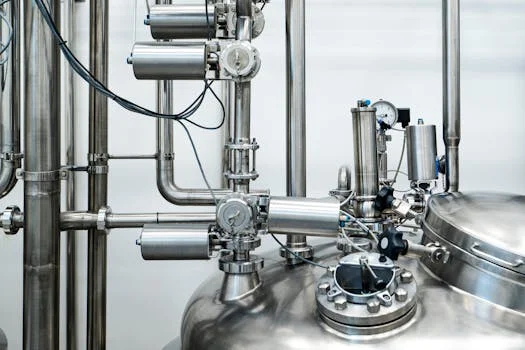
The following HydropureWater products are engineered for the wastewater challenges discussed above:
- underground package sewage treatment plant — view specifications, capacity range, and technical data
Need a customized solution? Request a free quote with your specific flow rate and pollutant parameters.