Underground sewage treatment systems (like HydropureWater’s WSZ Series) deliver 90-95% BOD₅ and 85-90% TSS removal in a buried footprint, making them ideal for space-constrained sites. However, alternatives like aerobic treatment units (95-98% BOD removal) or MBR systems (99%+ pathogen reduction) may be required for sensitive environments or reuse applications. This 2025 comparison provides engineering specs, cost benchmarks, and a decision framework to match your project’s effluent standards, soil conditions, and budget.
When Underground Sewage Treatment Systems Fail: A Factory Manager’s Dilemma
A recent EPA-equivalent inspection flagged a mid-sized food processing plant in Indonesia for discharging wastewater with a BOD of 250 mg/L, significantly exceeding the 30 mg/L regulatory limit. The plant manager, Ms. Dewi, faced immediate non-compliance penalties and the looming threat of operational shutdown. Their existing conventional septic system, designed decades ago for much lower organic loads, was clearly overwhelmed. Ms. Dewi's primary constraints were severe: the plant operated on a compact industrial plot with a high water table, making any large-scale surface expansion impossible, and regulatory authorities demanded rapid compliance within six months. While traditional underground sewage treatment systems are often lauded for their low maintenance and minimal visual impact, they typically cannot achieve the stringent effluent quality required for high-strength industrial wastewater or sensitive receiving environments. For a food processing plant, which generates high concentrations of fats, oils, grease (FOG), and organic matter, a standard septic system, even a buried one, is fundamentally inadequate for modern discharge standards. This scenario underscores the critical need for advanced alternatives, such as aerobic treatment units, MBR systems, or DAF systems, which offer superior treatment capabilities and are explored in detail within this engineering comparison and decision framework.
How Underground Sewage Treatment Systems Work: Engineering Principles and Limitations
Underground sewage treatment systems, exemplified by HydropureWater’s WSZ Series, primarily employ an Anoxic/Oxic (A/O) biological process for wastewater purification. This integrated process typically involves an initial anoxic zone for denitrification, followed by an aerobic zone where microorganisms break down organic matter. The typical hydraulic retention time (HRT) for these systems ranges from 6 to 12 hours, allowing sufficient contact time for biological reactions, while sludge age is maintained between 15-30 days to ensure a stable microbial population. Following biological treatment, treated water undergoes sedimentation to separate biomass from the effluent, often followed by disinfection (e.g., UV or chlorination) to meet basic discharge standards. This sequence allows underground systems to achieve 90-95% BOD₅ removal and 85-90% TSS removal, consistent with EPA 2024 benchmarks for secondary treatment. However, these systems exhibit key limitations, including poor nitrogen and phosphorus removal, which often falls below 50% without additional chemical dosing. They are also sensitive to hydraulic overloads, which can wash out biomass and reduce treatment efficiency, and are generally unsuitable for high-strength industrial wastewater with COD concentrations exceeding 1,000 mg/L. While requiring minimal operator intervention for daily operations, they may necessitate periodic chemical dosing for pH adjustment or enhanced nutrient removal to meet stricter compliance. For more details on these compact, buried solutions, explore HydropureWater’s WSZ Series for buried sewage treatment.
| Parameter | Typical Range (WSZ Series A/O Process) |
|---|---|
| Process Type | Anoxic/Oxic (A/O) Biological Treatment |
| Hydraulic Retention Time (HRT) | 6-12 hours |
| Sludge Age (MCRT) | 15-30 days |
| BOD₅ Removal Efficiency | 90-95% |
| TSS Removal Efficiency | 85-90% |
| Nitrogen Removal Efficiency | 30-50% (without advanced modules) |
| Phosphorus Removal Efficiency | 10-30% (without chemical dosing) |
| Typical Influent COD Limit | < 1,000 mg/L |
| Operator Intervention | Minimal (periodic checks, sludge removal) |
Alternative Sewage Treatment Systems: Engineering Specs and Performance Benchmarks
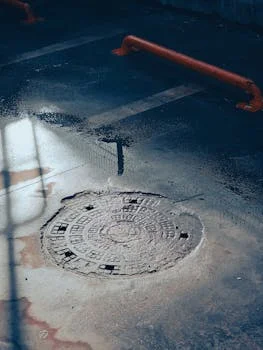
While underground systems offer discreet treatment, a range of alternative sewage treatment technologies provide enhanced removal efficiencies and address specific site or effluent quality demands. Aerobic Treatment Units (ATUs), for instance, utilize forced aeration to promote robust microbial activity, achieving 95-98% BOD₅ removal and 90-95% TSS removal, often with better nitrogen reduction than conventional underground systems. Mound systems are engineered for sites with shallow soil or high water tables, using a raised sand filter bed for treatment and dispersal, typically achieving 80-90% BOD₅ removal. Chamber systems offer a modular alternative to traditional gravel trenches, providing similar treatment levels but with increased flexibility in design. For the highest effluent quality, Membrane Bioreactor (MBR) systems integrate biological treatment with membrane filtration, capable of achieving <1 mg/L BOD₅ and 99%+ pathogen reduction, making them ideal for water reuse applications; however, MBR systems require membrane cleaning every 3-6 months. Dissolved Air Flotation (DAF) systems, while not primary biological treatment, excel in removing 95%+ Fats, Oils, and Grease (FOG) and suspended solids, making them a crucial pretreatment step for industrial wastewater but unsuitable for standalone domestic sewage treatment. Constructed wetlands offer a natural, low-energy solution, removing 80-90% BOD₅ and TSS, along with significant nutrient reduction, but demand substantial land area. It is important to note that many alternative systems, particularly MBR, require effective pretreatment like screening to protect sensitive components, while others like aerobic units often necessitate post-treatment disinfection.
| System Type | BOD₅ Removal (%) | TSS Removal (%) | Nitrogen Removal (%) | Footprint (m²/m³/h) | Energy Use (kWh/m³) | Maintenance Frequency | Typical Applications | Compliance Standards Met |
|---|---|---|---|---|---|---|---|---|
| Underground (WSZ Series) | 90-95 | 85-90 | 30-50 | 0.05-0.10 | 0.3-0.5 | Annual (sludge removal) | Small communities, resorts, rural sites | EPA Secondary Treatment, local discharge |
| Aerobic Treatment Units | 95-98 | 90-95 | 50-70 | 0.08-0.15 | 0.5-0.8 | Quarterly (inspection, pump) | Residential, commercial, high-strength domestic | EPA Advanced Secondary, local reuse |
| Mound Systems | 80-90 | 80-90 | 40-60 | 0.2-0.4 (larger due to soil) | 0.1-0.2 (pump) | Annual (inspection) | Sites with poor soil, high water table | Local soil infiltration standards |
| Chamber Systems | 80-90 | 80-90 | 40-60 | 0.15-0.3 | 0.1-0.2 (pump) | Annual (inspection) | Similar to mound, flexible design | Local soil infiltration standards |
| MBR Systems | >99 (<1 mg/L) | >99 (<1 mg/L) | 70-90 | 0.02-0.05 | 0.8-1.5 | Monthly (monitoring), 3-6 months (membrane cleaning) | Hospitals, hotels, industrial reuse, sensitive environments | WHO, EU, EPA Class A reuse, stringent discharge |
| DAF Systems | (Pre-treatment) | 95+ (FOG, TSS) | N/A | 0.03-0.08 | 0.4-0.7 | Weekly (skimming), Monthly (cleaning) | Food processing, industrial with FOG/TSS | Pre-treatment compliance |
| Constructed Wetlands | 80-90 | 80-90 | 50-80 | 0.5-2.0 (large) | 0.05-0.1 (pump) | Annual (vegetation management) | Rural communities, ecotourism, post-treatment polishing | Local ecological discharge |
For advanced solutions like MBR, discover MBR systems for high-effluent-quality applications. To address specific industrial challenges, learn how DAF systems remove FOG and suspended solids.
Cost Comparison: Underground vs Alternative Systems (2025 Benchmarks)
Evaluating the total cost of ownership for wastewater treatment systems involves assessing capital expenditure, operational expenses, and long-term maintenance, with significant variations across technologies. Underground sewage treatment systems, while having a lower upfront capital cost, can incur additional expenses for soil testing and permits, ranging from $5,000 to $20,000 depending on local regulations. Their operational costs are generally the lowest, typically between $0.10-$0.30 per cubic meter of treated water, primarily for power and minimal labor. Conversely, advanced systems like MBR, while having higher capital costs, offer superior performance that can lead to significant savings in regulatory fines or open up opportunities for water reuse. For instance, a 50 m³/day MBR system might cost $150,000 upfront, but achieving near-zero discharge can save a facility like Ms. Dewi's food processing plant an estimated $20,000 per year in potential regulatory fines compared to an underperforming underground system. Many alternative systems also qualify for green financing or subsidies, such as those under the EU Water Framework Directive for MBR systems, which can offset initial investment. Lifespan also plays a critical role, with MBR systems often outlasting aerobic units due to robust membrane technology and regular maintenance protocols.
| System Type | Capital Cost ($/m³/day) | Operational Cost ($/m³) | Lifespan (years) | Annual Maintenance Cost (% of capital) |
|---|---|---|---|---|
| Underground (WSZ Series) | $1,200-$2,500 | $0.10-$0.30 | 15-25 | 2-4% |
| Aerobic Treatment Units | $2,000-$4,000 | $0.30-$0.50 | 10-15 | 4-6% |
| MBR Systems | $3,000-$6,000 | $0.40-$0.70 | 20-30 | 3-5% (includes membrane cleaning) |
| DAF Systems | $1,500-$3,500 | $0.35-$0.60 | 15-20 | 4-7% (includes sludge disposal) |
| Mound Systems | $2,500-$5,000 | $0.15-$0.35 | 20-30 | 2-3% |
| Constructed Wetlands | $1,000-$3,000 | $0.05-$0.20 | 25-50 | 1-2% |
Decision Framework: Matching Your Project to the Right System
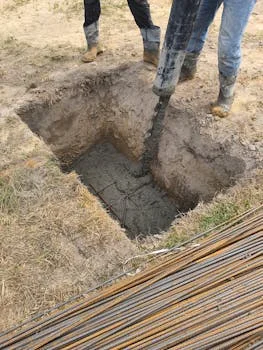
Selecting the optimal sewage treatment system requires a systematic evaluation of project-specific criteria, including effluent quality targets, site limitations, budget, and available operational expertise. For projects with stringent discharge limits, such as those near sensitive water bodies or requiring water reuse, MBR systems or advanced aerobic units are often the most suitable choice due to their high BOD, TSS, and pathogen removal efficiencies. Conversely, if land is plentiful, soil conditions are favorable (e.g., sandy loam), and effluent quality requirements are less demanding, a conventional underground system or a mound system might be more cost-effective. Site constraints play a significant role; limited space heavily favors compact MBR or package aerobic systems, while a high water table or poor permeability clay soil would preclude a standard drainfield, necessitating a mound or chamber system. Budget considerations are also paramount; while initial capital costs for advanced systems are higher, the long-term operational savings from reduced fines, potential water reuse, and lower maintenance for robust technologies can provide a superior return on investment. the level of operator expertise available will influence system complexity; simple underground systems require minimal intervention, whereas MBR systems demand more skilled monitoring and maintenance. Often, for complex industrial applications, a hybrid system, combining the strengths of multiple technologies—such as an underground biological treatment unit followed by a DAF system for targeted FOG removal—proves to be the most cost-effective and compliant solution.
| Use Case | Recommended System(s) | Rationale |
|---|---|---|
| Residential Communities | Underground (WSZ Series), Aerobic Treatment Units, Mound Systems | Balance of cost, footprint, and typical effluent standards. Mound for poor soil. |
| Hotels & Resorts | MBR Systems, Aerobic Treatment Units | High guest density, variable flow, often near sensitive areas, potential for reuse (MBR). |
| Hospitals | MBR Systems | Critical for pathogen reduction, high effluent quality for discharge or reuse, limited space. |
| Food Processing Plants | DAF (pre-treatment) + MBR/Aerobic | High FOG and organic load. DAF for FOG removal, MBR/Aerobic for biological treatment. |
| Rural Schools | Underground (WSZ Series), Aerobic Treatment Units, Constructed Wetlands | Cost-effectiveness, ease of maintenance, educational value (wetlands), moderate flow. |
Frequently Asked Questions
Addressing common inquiries regarding alternative sewage treatment systems is crucial for informed procurement and engineering decisions.
1. How much more expensive is an alternative septic system compared to an underground system?
Aerobic treatment units typically cost 60-100% more upfront than standard underground systems (e.g., $2,000-$4,000/m³/day vs. $1,200-$2,500/m³/day). MBR systems can be 150-300% more expensive initially ($3,000-$6,000/m³/day). While capital costs are higher, these alternatives may reduce operational costs by 20% or more for high-strength wastewater by avoiding regulatory fines and enabling water reuse, offering a better long-term ROI.
2. What are the three best alternatives to a septic system for a hospital?
For a hospital, the three best alternatives are MBR systems, advanced aerobic treatment units, or a hybrid system incorporating robust pretreatment. MBR systems are highly recommended due to their superior pathogen reduction (>99%) and ability to meet stringent effluent reuse standards. Advanced aerobic units offer strong BOD/TSS removal, while constructed wetlands can serve as a post-treatment polishing step if sufficient land is available and reuse is less critical. The choice depends on specific effluent reuse needs and local regulations.
3. How long do alternative septic systems last?
The lifespan of alternative septic systems varies significantly by type and maintenance. Underground (WSZ Series) systems typically last 15-25 years. Aerobic treatment units generally have a lifespan of 10-15 years, primarily due to mechanical components like blowers and pumps. MBR systems, with proper membrane cleaning and component replacement, can last 20-30 years, with membranes needing replacement every 5-10 years. Regular, preventative maintenance is crucial for maximizing the longevity of any system. For a broader comparison of system lifespans and costs, compare package vs conventional systems for your project.
4. Can I install an underground sewage treatment system in clay soil?
No, installing a standard underground sewage treatment system with a conventional drainfield directly into clay soil is generally not recommended and often prohibited by regulations. Clay soils have poor permeability and drainage characteristics (percolation rates often >60 minutes/inch), which prevent the treated effluent from infiltrating the ground effectively. This can lead to surface ponding, system backup, and environmental contamination. For sites with clay soil, alternative solutions like mound systems or chamber systems, which create an elevated drainfield using permeable fill material, are necessary.
5. What permits do I need for an alternative septic system?
Permit requirements for alternative septic systems vary significantly by region, state, and local municipality. Typically, you will need permits for system design, installation, and operation. This usually involves submitting detailed engineering plans, undergoing soil testing (percolation tests), obtaining approval from local health departments or environmental agencies (EPA-equivalent), and potentially securing land-use or construction permits. Ongoing effluent sampling and compliance with local discharge standards are also common requirements. It is essential to consult with local authorities early in the planning process. For insights into industrial wastewater treatment projects, see how industrial wastewater treatment solutions are applied in real-world projects.