Why Muscle Shoals EV and Auto Plants Face a Real DAF-vs-Clarifier Choice
Muscle Shoals is one of the densest automotive and steel mill clusters in the Southeast, and its plants discharge a waste mix that is unusual even within the auto sector. According to a CWA compliance evaluation inspection report (2021) covering a similar industrial user, that facility received used-oil processing waste plus wastewater from metal stamping operations, steel mills, landfill leachate, and automakers washing rolling oil off equipment.
The same report documented a DAF followed by a lamella clarifier in the treatment train, with solids from the clarifier, solids from the bottom of the Final Effluent Tanks, and DAF recycle being routed back into the system for re-treatment. That feed list and recycle loop is the same one an EV-component plant, a Tier-1 stamper, or a body-in-white plant in the Muscle Shoals corridor must engineer for in 2026, because the rolling oils, drawing compounds, phosphate rinses, paint detack, coolant leak-off, and (for EV lines) cathode black-mass and electrolyte-bearing rinses all end up in the same sewer.
Two regulatory realities force the technology choice. Alabama Department of Environmental Management (ADEM) industrial pretreatment permits and any direct-discharge permit on these flows require consistent oil-and-grease and total suspended solids (TSS) removal before the sewer, and any equipment change that alters the influent profile of an existing permitted outfall triggers permit review. Because the two units are coupled by recycle—float from the DAF, underflow from the clarifier—a failure in one is a failure in both, and the Muscle Shoals engineer must pick the order, not just the unit. A complementary 2026 guide on DAF or clarifier for fabricated metals wastewater in Florence, US walks through the same coupling for stamping-only sites a short drive east.
How a DAF Clarifier Actually Treats Automotive Wastewater
A dissolved air flotation (DAF) system is a flotation clarifier that uses saturated water depressurized inside the vessel to release 30–50 micron microbubbles, which attach to flocculated solids, free oils, and FOG, lifting them to the surface where a paddle skimmer removes the float (Clearwater Industries / SigmaDAF USA, 2026). Heavier solids settle in the collection zone at the bottom of the unit and are removed by an auger, allowing the DAF to be applied to mixed streams rather than only the buoyant fraction. Performance requires chemical conditioning, achieved through serpentine flocculator mix tubes or chemical mix tanks supplied alongside the unit (Clearwater Industries / SigmaDAF USA, 2026).
SigmaDAF USA's standard build is 304SS, with 316SS, polypropylene, and other materials available for corrosive streams; the four standard models cover very high solids (FPAC), low-to-medium solids (FPBC), high flow with low-to-large solids (FPHF), and the pre-assembled turnkey Compact line (Clearwater Industries / SigmaDAF USA, 2026). The Compact DAF handles flows of 66 GPM or less via a single-skid plug-and-play unit, while flows above 66 GPM use a modular two-skid system (Clearwater Industries / SigmaDAF USA, 2026). Plants running DAF or clarifier for EV/auto wastewater in Saline face a similar material-of-construction question where electrolyte-bearing rinses are present.
How a Lamella or Gravity Clarifier Treats the Same Stream
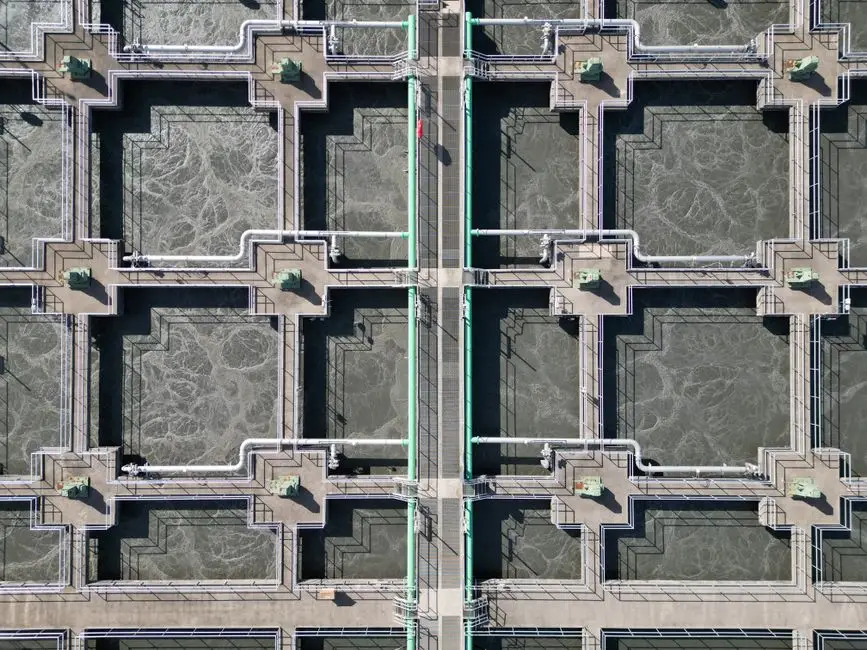
Clarifiers separate by gravity using inclined-plate (lamella) designs to shorten the settling path and increase the effective surface loading rate. EPA's 1975 Process Design Manual for Suspended Solids Removal places flotation alongside sedimentation as a gravity-separation variant, with the choice driven by whether settleable or floatable particles dominate the feed (EPA, 1975).
The same CWA compliance evaluation of the MWL facility described a lamella clarifier with a 450 gpm design hydraulic loading. Above that flow, the inspector observed that discharge velocity was high enough to carry solids across the clarifier troughs, producing "inadequate settling before discharge," and noted a significant amount of solids on the water surface at the top of the clarifier (EPA CWA Compliance Evaluation, 2021). Clarifiers tolerate steady, well-conditioned flow and minimize coagulant consumption, but they cannot lift emulsified oils or low-density FOG—the exact contaminants produced by rolling-oil washing, stamping, and drawing compounds. A high-efficiency lamella clarifier works well downstream of a DAF for polishing, but as a primary unit on a free-oil feed it will pass the oil through.
DAF vs Clarifier for Muscle Shoals EV/Auto Wastewater: Head-to-Head
The following table provides the data a procurement committee can use to evaluate these systems.
| Parameter | DAF Clarifier | Lamella / Gravity Clarifier |
|---|---|---|
| Primary mechanism | 30–50 micron microbubbles attach to floc, lift oil and low-density TSS to the surface; bottom auger handles heavier settleables (Clearwater Industries / SigmaDAF USA, 2026) | Gravity settling on inclined plates; relies on settleable solids and adequate hydraulic residence time (EPA, 1975) |
| Target contaminant | Free oils, emulsified FOG, low-density TSS, metal fines when floc-conditioned | Heavy, settleable TSS, metal stamping fines, precipitated phosphate sludge |
| Oil & grease handling | Rises with float; skimmed from surface | Passes through; clarifier does not remove emulsified oil |
| Failure mode on the Muscle Shoals feed | Skimmer outage: "Wastewater and air was routed through the DAF, but the skimmer was not operating" — float then overburdens downstream clarifier (EPA CWA Compliance Evaluation, 2021) | Hydraulic overload above 450 gpm: "inadequate settling before discharge," solids carried across troughs (EPA CWA Compliance Evaluation, 2021) |
| Flow band (vendor) | Compact single-skid ≤66 GPM; modular two-skid >66 GPM (Clearwater Industries / SigmaDAF USA, 2026) | Design point 450 gpm for the documented lamella unit; above that, equalization or parallel trains required (EPA CWA Compliance Evaluation, 2021) |
| Footprint per m³/h | Compact skid is small for ≤66 GPM; rectangular DAF cells are compact for high flow | Lamella plate pack raises effective area, but tank volume is still large for high flow |
| Sensitivity to flow spikes | Moderate — high-rate spillover drops float back into the cell, but skimmer must keep up | High — short-circuiting and surface solids above the design gpm (EPA CWA Compliance Evaluation, 2021) |
| Chemical demand | Requires coagulation + flocculation upstream; polymer common (Clearwater Industries / SigmaDAF USA, 2026) | Can run with minimal coagulant on settleable-only feeds |
| Sludge character | Float (oily, high-solids) and bottom auger solids, both usually dewatered together on a plate and frame filter press for sludge dewatering | Thickened underflow; recycle back upstream in batch plants (EPA CWA Compliance Evaluation, 2021) |
| Typical placement in the train | First unit on free-oil feed, or polishing unit downstream of a clarifier when TSS is already low | First unit when feed is heavy settleables only; polishing after DAF on mixed streams |
| Material options for EV rinses | 304SS standard; 316SS or polypropylene available for corrosive electrolyte streams (Clearwater Industries / SigmaDAF USA, 2026) | Same material question, with the same electrolyte-stream caveat |
The decision rule is straightforward. Pick DAF when the feed carries free oils, FOG, and low-density TSS from rolling-oil washing, stamping, drawing, or paint pretreatment. Pick clarifier when the dominant load is heavy settleable solids, flow is steady, and chemical coagulant use must be minimized. Run DAF upstream of a clarifier when the plant generates both free oils and a heavy settleable load, or when the existing permitted outfall must be protected with a polish step before discharge.
Sizing the Equipment for Muscle Shoals Flow Rates
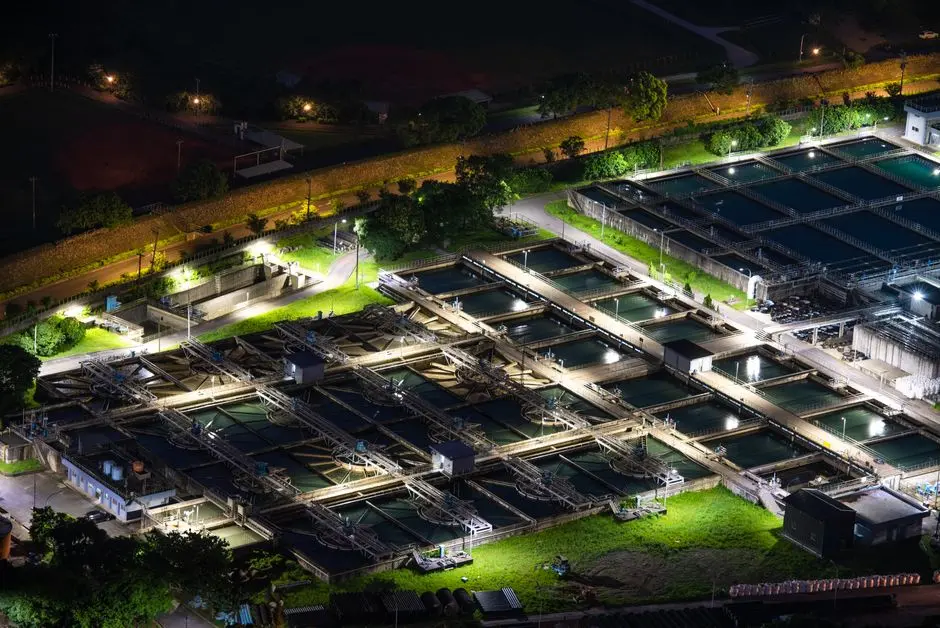
Equipment sizing begins with the Compact DAF threshold of 66 GPM (Clearwater Industries / SigmaDAF USA, 2026): a single process line under 66 GPM specifies the plug-and-play skid, while a line above 66 GPM moves to the modular two-skid layout. The 450 gpm lamella clarifier figure from the CWA compliance evaluation serves as the benchmark: any clarifier-only design above 450 gpm needs pilot data, equalization, or a parallel train, and any DAF-only design carrying settleable metal fines needs a bottom-solids auger sized to that specific load (EPA CWA Compliance Evaluation, 2021).
Specify the chemical conditioning train with the DAF unit. The vendor pairs serpentine flocculator tubes or mix tanks with the unit, and an automatic chemical dosing system sized to the actual GPM and TSS band is part of the same scope (Clearwater Industries / SigmaDAF USA, 2026). For EV cathode and electrolyte-bearing rinses, request 316SS or polypropylene construction rather than the 304SS default; this material choice is a corrosion allowance that affects the warrantee period. Reducing chemical sludge starts at the conditioning stage—a relevant reference is the engineering guide on reducing chemical sludge production in industrial wastewater.
2026 Cost, Lead Time, and Compliance Questions to Put in the RFQ
Because no 2026 CAPEX or OPEX benchmark for DAF or lamella clarifier equipment is available, the RFQ must drive price discovery. Ask each bidder for a delivered-and-installed price on a defined GPM and TSS band, plus a five-year chemical and sludge-handling OPEX, with each line item broken out for comparison. The request should also ask vendors to confirm the 30–50 micron bubble specification, the skimmer redundancy plan, and the bottom-auger solids handling for settleable fines (EPA CWA Compliance Evaluation, 2021; Clearwater Industries / SigmaDAF USA, 2026).
For supplier selection, request build-standard documentation (304SS vs 316SS vs polypropylene) and reference installs at auto, metal-stamping, or EV-component sites. On lead time, the project plan should account for vendor manufacturing windows, site acceptance testing, and the ADEM pretreatment permit review required for any equipment change that shifts the influent profile. This permit review is a critical-path item that gates the startup date.
Frequently Asked Questions
What flow rate should we use to pick between a DAF and a clarifier in 2026?
For DAF sizing, the Compact line splits at 66 GPM: single skid for flows at or below 66 GPM, modular two-skid layout above 66 GPM (Clearwater Industries / SigmaDAF USA, 2026). For a clarifier-only design, the CWA compliance evaluation reports a 450 gpm lamella clarifier at which the inspector observed inadequate settling and solids carryover; any clarifier-only design at or above that band needs equalization, pilot data, or a parallel train (EPA CWA Compliance Evaluation, 2021). For a mixed-stream plant, run the DAF upstream at its sized GPM and treat the clarifier as a polish step.
How do we choose a DAF or clarifier supplier for an auto or EV plant without a 2026 price benchmark?
The selection process should focus on supplier qualification rather than sticker price. Ask each bidder to confirm the 30–50 micron bubble specification, build standard (304SS, 316SS, or polypropylene for
Frequently Asked Questions
What are the primary differences between DAF and clarifiers for EV battery manufacturing wastewater?
Dissolved Air Flotation (DAF) systems are typically preferred for EV wastewater containing emulsified oils, greases, and low-density suspended solids, utilizing micro-bubbles to float contaminants to the surface for skimming. In contrast, conventional clarifiers rely on gravity sedimentation to remove high-density metal hydroxides and heavy inorganic particulates that settle at rates governed by Stokes' Law.
For Muscle Shoals facilities, DAF units often achieve a smaller footprint and faster hydraulic residence times (typically 20–45 minutes), whereas clarifiers require larger basins and residence times of 2–4 hours to manage the specific gravity of automotive metal-laden sludge.
How do Alabama environmental standards influence the selection of wastewater treatment technology?
Facilities in Muscle Shoals must comply with ADEM (Alabama Department of Environmental Management) discharge permits, which often set stringent limits on Total Suspended Solids (TSS), Oil & Grease (O&G), and heavy metals like Nickel, Manganese, and Cobalt. DAF systems are frequently mandated as a pretreatment step to ensure O&G levels remain below 10–15 mg/L before biological treatment or final discharge.
If the wastewater stream contains high concentrations of heavy metal hydroxides generated from battery cathode production, a clarifier is essential to meet the typical NPDES permit requirement of <1.0 mg/L for total heavy metals, as these particles are too dense for effective flotation.
What is the expected solids removal efficiency for EV wastewater in 2026?
Modern DAF units configured with advanced polymer dosing can achieve TSS removal efficiencies of 85% to 95% for light automotive process waste. These systems are particularly effective when the influent contains automotive lubricants or coolant residues that interfere with settling.
Clarifiers, when optimized with high-rate lamella plate technology, can achieve 90% to 98% removal of metal precipitates. By 2026, the integration of automated sludge blanket level sensors is expected to maintain these efficiencies consistently, even with the fluctuating flow rates common in high-volume EV component manufacturing.
Which system is more cost-effective for high-volume EV battery production lines?
The total cost of ownership depends on the sludge handling requirements. DAF systems produce a "float" sludge with 3% to 5% solids concentration, which may require further mechanical dewatering, while clarifiers produce an underflow sludge that can reach 1% to 2% solids, often necessitating larger thickeners.
For Muscle Shoals factories with limited plot space, the higher capital expenditure of a DAF system is often offset by the reduced civil engineering costs associated with a smaller footprint. However, if the wastewater stream is dominated by heavy inorganic waste, the lower operational energy requirements of a gravity clarifier provide a superior return on investment over a 10-year lifecycle.
Can DAF and clarifiers be used in a hybrid configuration?
Yes, a hybrid treatment train is the industry standard for complex EV wastewater. A typical configuration utilizes a DAF unit as a primary stage to remove oils and light organics, followed by a clarifier to settle out the heavy metal hydroxides formed during chemical precipitation.
This sequential approach prevents oil-blinded flocculants from entering the clarifier, which would otherwise inhibit settling and lead to permit violations. By 2026, this multi-stage approach is considered best practice for ensuring compliance with the diverse chemical profiles found in battery anode and cathode manufacturing effluents.