How a UASB Reactor Works in One Paragraph
A UASB (Upflow Anaerobic Sludge Blanket) reactor treats wastewater by letting it enter at the bottom of a sealed vessel and flow upward through a dense blanket of granular anaerobic sludge. As the wastewater rises, hydrolytic bacteria on the outer layers of each granule break complex organics into volatile fatty acids; acidogens and acetogens convert those into acetate, hydrogen, and carbon dioxide; and methanogens in the granule interior convert the intermediates into methane and CO₂, which exit the top of the tank as biogas (blog.anaerobic-digestion.com).
The granules that make this possible are 1–3 mm in diameter, self-immobilize the biomass without carriers or mechanical mixing, and let the reactor hold mixed-liquor suspended solids above 40 g/L — several times the concentration of a conventional anaerobic digester (blog.anaerobic-digestion.com). Because methanogenic activity in a mature granule exceeds 1 g COD per g VSS per day, the bed tolerates the high organic loading rates that distinguish UASB from older anaerobic designs (blog.anaerobic-digestion.com).
At the top of the reactor, an integrated three-phase separator uses inverted baffles and a quiescent settling zone to separate biogas, clarified effluent, and any detached biomass in a single device — no external clarifier or carrier media required (blog.anaerobic-digestion.com). The rising gas also drives gentle internal mixing, which is why the system needs only influent pumping and no aeration. The result is a compact, sealed reactor that converts organics to biogas while discharging a polished effluent to the next treatment stage.
UASB Reactor Design Parameters That Decide Feasibility
Before a UASB reactor is even sketched, the wastewater has to fit inside a narrow operating envelope. The numbers below are the only ones used in this section, all from blog.anaerobic-digestion.com:
| Parameter | Industrial UASB | Municipal UASB | Conventional anaerobic digester (comparison) |
|---|---|---|---|
| Organic loading rate (OLR) | 4–15 kg COD/m³/day | Lower end of industrial range | 1–3 kg COD/m³/day |
| Hydraulic retention time (HRT) | 6–12 h | 10–14 h | 20–30 days |
| Upflow velocity (normal / peak) | 0.5–1.5 m/h normal, up to 3 m/h peak | Same envelope | Not applicable (mixed) |
| Reactor height | 4.5–7 m | 3–5 m | — |
| Height-to-diameter ratio (H/D) | 3:1 to 5:1 | 3:1 to 5:1 | — |
| Granule size | 1–3 mm | 1–3 mm | Flocculent, no granules |
| Specific methanogenic activity | > 1 g COD/g VSS/day | > 1 g COD/g VSS/day | Lower |
| Biogas collection sizing | 0.35 m³/kg COD removed + 20–30% safety factor | Same basis | — |
Granule characteristics are the real design constraint, not HRT on paper. A vendor should be asked for both the target granule size (1–3 mm) and the expected specific methanogenic activity (>1 g COD/g VSS/day) because both numbers govern whether the reactor can hold the design OLR (blog.anaerobic-digestion.com). Biogas collection must be sized at ~0.35 m³ per kg COD removed with a 20–30% safety factor; undersized domes create back-pressure that disrupts the sludge blanket (blog.anaerobic-digestion.com).
Materials have to resist H₂S corrosion in the biogas. Designers typically specify stainless steel, HDPE, or FRP for the three-phase separator and distribution internals, and reinforced concrete or coated steel for the vessel itself (blog.anaerobic-digestion.com). For a brewery, distillery, dairy, starch, or pulp & paper stream whose COD, temperature, and SS all sit inside the envelope above, UASB is on the table. For dilute, cold, or high-SS sewage without pre-treatment, the numbers above are the first warning that the reactor will underperform.
Advantages of a UASB Reactor
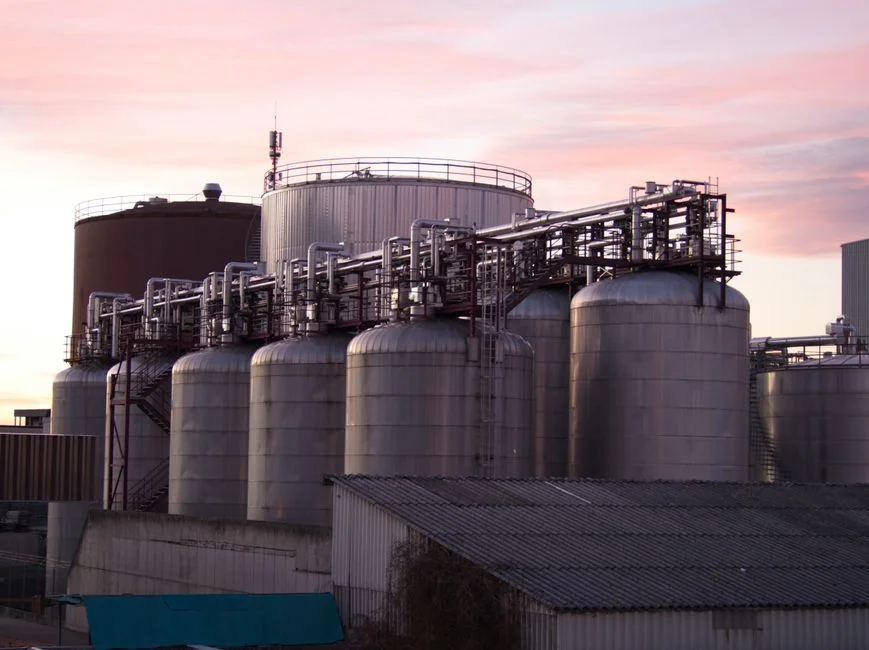
Energy and OPEX collapse because there is no aeration; the only continuous electrical load is the influent feed pump, since rising biogas provides internal mixing (pankajiitkgp.github.io PDF). CAPEX and footprint are small because the 4–15 kg COD/m³/day OLR is several times the loading of conventional anaerobic digesters, shrinking the reactor volume, and the civil work is straightforward reinforced concrete or coated steel (blog.anaerobic-digestion.com; pankajiitkgp.github.io PDF).
Biogas is a real revenue line, not a side note: roughly 0.35 m³ of biogas is produced per kg COD removed, usable in boilers, CHP units, or upgraded to biomethane (blog.anaerobic-digestion.com). Sludge yield is very low because anaerobic growth is slow, the excess sludge is already stabilized, granules can be preserved inside the reactor for months without feeding, and the solids dewater easily (pankajiitkgp.github.io PDF). COD removal is 80–95% under steady industrial conditions with mature granules (blog.anaerobic-digestion.com) — but the same family of UASB plants has been measured at 15–90% (pankajiitkgp.github.io PDF), so the headline number is best-case, not guaranteed.
Disadvantages and Failure Modes Engineers Underestimate
Granulation is the make-or-break step. The 1–3 mm granules that make UASB possible are hard to control, depend on the wastewater matrix, and dictate what COD removal is actually achievable — which is why the realistic range spans 15–90% rather than the marketed 80–95% (pankajiitkgp.github.io PDF; blog.anaerobic-digestion.com). If granulation fails or granules disintegrate, the reactor's main advantage evaporates and biomass washes out with the effluent.
The process is sensitive to inhibitors. Cyanide, chloroform, heavy metals, ammonia spikes, and abrupt pH or temperature drops can collapse the methanogen population, and as OLR rises the operator must actively monitor alkalinity to keep volatile fatty acids from acidifying the bed (pankajiitkgp.github.io PDF). Pathogen, virus, helminth, and nutrient (N, P) removal are all poor, so a downstream disinfection and nutrient step is mandatory before discharge or reuse (pankajiitkgp.github.io PDF; Aiyuk et al. 2010, doi:10.7763/ijesd.2010.v1.76).
Suspended-solids accumulation is the failure mode the marketing literature skips. Aiyuk et al. (2010) report that a domestic-sewage UASB with no pre-treatment removed 80% of COD on average, but sludge production reached ~70% of influent COD as suspended solids, forcing sludge discharge roughly every 100 days, after which perturbations to the methanogens caused reactor imbalance and a drop in performance. The study's conclusion is direct: additional steps are necessary to remove the suspended solids and nutrients, and to effectively treat such a wastewater (Aiyuk et al. 2010, doi:10.7763/ijesd.2010.v1.76). On top of that, first start-up takes several weeks of careful seeding and loading ramp before design performance is reached (pankajiitkgp.github.io PDF).
UASB vs Activated Sludge vs MBR: Matching Reactor to Loading
Reactor choice should follow the wastewater's organic strength and the discharge target, not brand familiarity. The matrix below is anchored to the UASB envelope of 4–15 kg COD/m³/day versus 1–3 kg COD/m³/day for conventional anaerobic digesters, both from blog.anaerobic-digestion.com:
| Criterion | UASB (anaerobic) | Conventional Activated Sludge | MBR (membrane bioreactor) |
|---|---|---|---|
| Typical OLR | 4–15 kg COD/m³/day (industrial) | 0.3–1.0 kg BOD/m³/day (aerobic) | 0.5–2.0 kg BOD/m³/day (aerobic) |
| Energy profile | No aeration; influent pump only | Aeration blowers, often the largest plant load | Aeration + membrane air scour + permeate pumps |
| Sludge yield | Very low, already stabilized | High, requires further digestion | High, requires further handling |
| Effluent quality | 80–95% COD removal but poor on N, P, pathogens | Good COD, BOD, partial N; variable SS | Very low SS, low BOD/COD, pathogen log-reduction |
| Best-fit wastewater | High-strength, biodegradable industrial (brewery, distillery, dairy, starch, pulp & paper) | Medium-strength municipal and industrial with ample power and aeration budget | Tight discharge limits, water reuse, sites with limited footprint |
The trade-off is explicit: UASB wins on OPEX and biogas yield for high-strength biodegradable streams, while activated sludge and MBR win on effluent quality, nutrient removal, and pathogen compliance. That is why real plants combine them — a UASB upstream of a polishing stage such as the HydropureWater MBR membrane bioreactor system can still net positive on energy when biogas is recovered, because the MBR's aeration load is sized to the residual organics rather than the raw wastewater.
The Post-Treatment Train UASB Always Needs
Selecting UASB really means selecting a train. Solids, FOG, and any biomass that escapes the three-phase separator should be polished upstream of the biological step with a HydropureWater DAF system or lamella clarifier, otherwise they overload and foul the downstream membranes (Aiyuk et al. 2010, doi:10.7763/ijesd.2010.v1.76).
Residual organics, ammonia, and total nitrogen are removed downstream by MBR, UF, or a conventional activated sludge polish — the same MBR system discussed above is a typical choice when the discharge target is reuse. Disinfection comes last, with a HydropureWater UV sterilizer for a chemical-free pathogen kill, or a HydropureWater chlorine dioxide generator where residual disinfection is needed without chlorination by-products — both relevant when UASB effluent is reused for irrigation or industrial process water. Finally, the low-volume, well-stabilized UASB sludge is dewatered with a HydropureWater plate and frame filter press to cut hauling cost, the same equipment class covered in our filter press design for food processing wastewater guide. For context on how a complete train is laid out, see our reference on hybrid DAF-MBR-RO trains for industrial wastewater.
Vendor Qualification Checklist Before You Buy a UASB Reactor
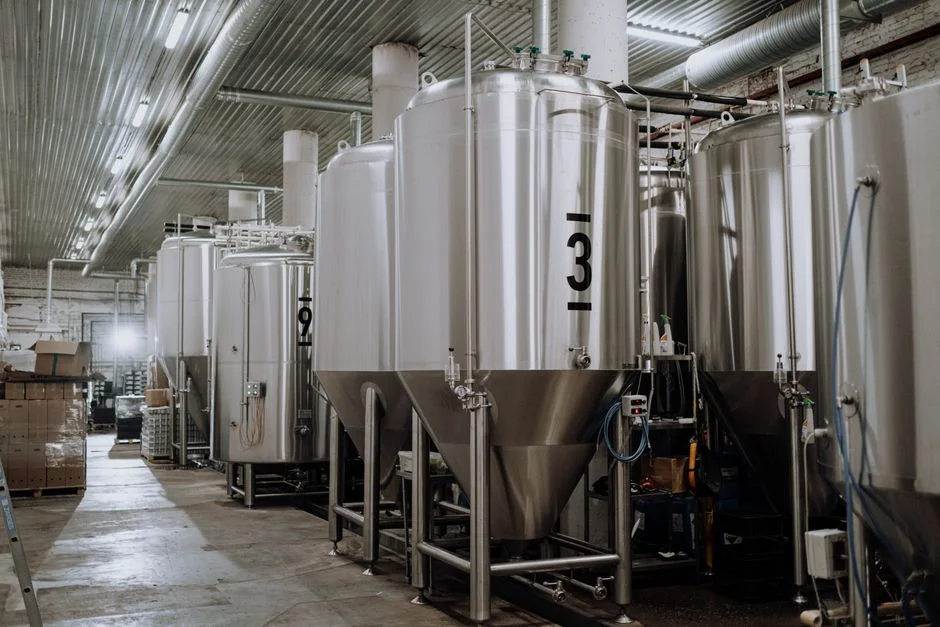
Convert the engineering above into a procurement tool. The table below is the minimum a credible UASB supplier should answer before an RFQ is issued; suppliers who hesitate on the rows in bold are integrators, not UASB specialists.
| Question to the vendor | Why it matters | Evidence to look for |
|---|---|---|
| Reference list at similar OLR (4–15 kg COD/m³/day) and similar wastewater matrix | UASB performance is wastewater-specific; designed values are not measured values | Operating data, not brochures; COD removal measured over >6 months (blog.anaerobic-digestion.com) |
| Granule seeding strategy: inoculum source, target size 1–3 mm, time to reach SAA > 1 g COD/g VSS/day, contingency if granulation fails | Granulation is the make-or-break step (pankajiitkgp.github.io PDF) | Written protocol, not a promise |
| Process guarantees tied to influent envelope: COD removal, biogas yield ~0.35 m³/kg COD removed, effluent SS, alkalinity/pH control scope | Defines liability and operating cost | Numeric guarantees with the influent envelope stated explicitly (blog.anaerobic-digestion.com) |
| Post-treatment integration: does the vendor supply the full train (DAF/clarifier + biological polish + disinfection) or only the UASB vessel? | A UASB that is not integrated with its polish train is incomplete | Single-source P&ID and I/O list; same vendor responsible for commissioning all stages |
| Sludge handling and discharge plan, including expected discharge frequency for the specific influent SS load | Without pre-treatment, discharge can be needed ~every 100 days and triggers reactor imbalance (Aiyuk et al. 2010) | Calculated frequency based on influent SS, not a generic "as needed" |
| Materials of construction for H₂S-corrosion resistance (SS / HDPE / FRP internals) | Biogas H₂S corrodes carbon steel rapidly | Material certificates on the datasheet (blog.anaerobic-digestion.com) |
HydropureWater supplies the integrated package with factory-tested skids, so the post-treatment rows above can be answered within a single RFQ rather than across multiple vendors.
Frequently Asked Questions
What COD removal and biogas yield can a UASB reactor realistically deliver?
A UASB reactor with mature granules can deliver 80–95% COD removal at organic loading rates of 4–15 kg COD/m³/day, and produces roughly 0.35 m³ of biogas per kg COD removed (blog.anaerobic-digestion.com). In practice, the same family of plants has been measured at 15–90% COD removal because performance is wastewater-specific (pankajiitkgp.github.io PDF), so any RFQ response should be evaluated against a measured reference at the same OLR, not the headline figure.
How long does a UASB reactor take to start up, and what does commissioning actually require?
First start-up of a UASB takes several weeks of careful seeding and a stepwise loading ramp before design performance is reached, and the granulation process itself is difficult to control and depends on the wastewater properties (pankajiitkgp.github.io PDF). A credible supplier will commit to a written seeding protocol, a target granule size of 1–3 mm, and a defined time to reach specific methanogenic activity above 1 g COD/g VSS/day (blog.anaerobic-digestion.com).
What is the typical CAPEX range and ROI for a UASB reactor on an industrial wastewater stream?
The supplied research does not include a CAPEX figure or a payback period for UASB reactors, so any specific dollar value would be invented. What the research does support is the cost structure: low investment cost, low land requirement, low energy cost (influent pumping only), short retention time, and a biogas by-product that can offset OPEX (pankajiitkgp.github.io PDF; blog.anaerobic-digestion.com). The right step before issuing an RFQ is to ask each shortlisted vendor for a budget-grade CAPEX, OPEX, and biogas-yield estimate tied to your influent envelope, then compare them on the same basis.
How do I select a UASB supplier and avoid integrators who have never commissioned one?
Filter on three items from the qualification table above: a reference list at 4–15 kg COD/m³/day with measured COD removal on a similar wastewater matrix; a written granule seeding strategy with a contingency if granulation fails (pankajiitkgp.github.io PDF); and evidence that the same vendor supplies and commissions the full post-treatment train rather than only the UASB vessel (Aiyuk et al. 2010, doi:10.7763/ijesd.2010.v1.76). A supplier who cannot produce all three should not be carrying the performance guarantee.