

The Dallas Compliance Envelope: PALS, 40 CFR 433, and the Trinity River Authority
Dallas Water Utilities Pretreatment and Laboratory Services (PALS) is the Control Authority for industrial users that discharge to the city's Publicly Owned Treatment Works (POTW), which consists of two wastewater treatment plants treating up to 260 million US gallons per day, fourteen pump stations, and over 4,100 miles of sanitary sewer collection pipelines (Dallas Water Utilities, Wikipedia, S3). PALS administers local, state, and federal regulations to control pollutants discharged from commercial and industrial users that may pass through or interfere with the POTW (Dallas Water Utilities, Wikipedia, S3).
For a transportation equipment plant, the controlling federal rule is 40 CFR Part 403, the General Pretreatment Regulations, and — where the site performs plating, chromate conversion coating, electroless deposition, or other metal-bearing surface finishing — the categorical standards at 40 CFR Part 433 Metal Finishing (DFW Ordinance 32913, City of Dallas, 2024-11, S5). Those categorical standards set numeric daily-maximum and monthly-average limits for lead, cadmium, total chromium, hexavalent chromium, nickel, copper, zinc, and cyanide, and they are incorporated by reference through the definition of "Categorical Standard(s)" in the local ordinance (DFW Ordinance 32913, S5).
The federal NPDES program is delegated to the Texas Commission on Environmental Quality and is administered as the Texas Pollutant Discharge Elimination System (TPDES). The Trinity River Authority of Texas holds the TPDES permit that the local pretreatment program is built to protect, and the DFW Airport ordinance is structured to "enable the Board to meet its contractual obligations under the Wastewater Service Contract with the Trinity River Authority" (DFW Ordinance 32913, S5). A plant's status as a Significant Industrial User or Non-Significant Categorical Industrial User determines baseline monitoring reports, 90-day compliance reports, self-monitoring frequency, and exposure to Significant Noncompliance status if a limit is missed (DFW Ordinance 32913, S5). The CoreLogic NAICS code for the site (336xxx) feeds that determination because metal-finishing categorical applicability is triggered by the regulated process activity, not by primary SIC code alone.
Absolute Prohibitions a Dallas Plant Must Hit Before the Sewer Tap
The pass/fail thresholds in the DFW ordinance apply to every discharge point regardless of categorical status, and the screening test against them is a faster design check than chasing numeric limits for individual metals. The ordinance prohibits any substance or wastewater having a pH less than 5.5 or more than 11.0, or anything "otherwise capable of causing corrosive or structural damage" to the Airport Wastewater System and the POTW (DFW Ordinance 32913, S5). Closed-cup flashpoint below 140°F (60°C) using the test methods specified in 40 CFR 261.21 is a fire and explosive hazard (DFW Ordinance 32913, S5). Temperature is gated twice: wastewater greater than 150°F (65°C), or anything that would push the POTW headworks above 104°F (40°C), is prohibited because of biological inhibition in the activated sludge system (DFW Ordinance 32913, S5). Petroleum oil, non-biodegradable cutting oil, and products of mineral oil origin are prohibited "in amounts that will cause Interference or Pass Through" — the specific reason an oil-water separator or DAF unit sits at the front of virtually every transportation equipment pretreatment train (DFW Ordinance 32913, S5). Trucked or hauled septage may only enter at points designated by the Executive Director, which means off-site disposal must be routed to an approved receiving point rather than a sanitary manhole (DFW Ordinance 32913, S5).
| Prohibition | Threshold (DFW Ordinance 32913, S5) | Design implication |
|---|---|---|
| pH | 5.5 – 11.0 | Equalization tank with pH probe and dosing tie-in sized for peak acid/alkaline rinse swings |
| Flashpoint | ≥ 140°F (60°C), 40 CFR 261.21 method | Solvent streams segregated from sanitary sewer; route through hazardous waste manifest |
| Temperature | ≤ 150°F (65°C) at sewer; ≤ 104°F (40°C) at POTW headworks | Quench or temper hot rinse streams before equalization |
| Petroleum / non-biodegradable oil | No amount causing Interference or Pass Through | Oil-water separator or DAF ahead of any chemical step |
| Trucked / hauled waste | Only at Executive Director-designated points | Manifested disposal through licensed transporter; no sanitary-manhole dumping |
Building the On-Site Pretreatment Train for a Transportation Equipment Plant
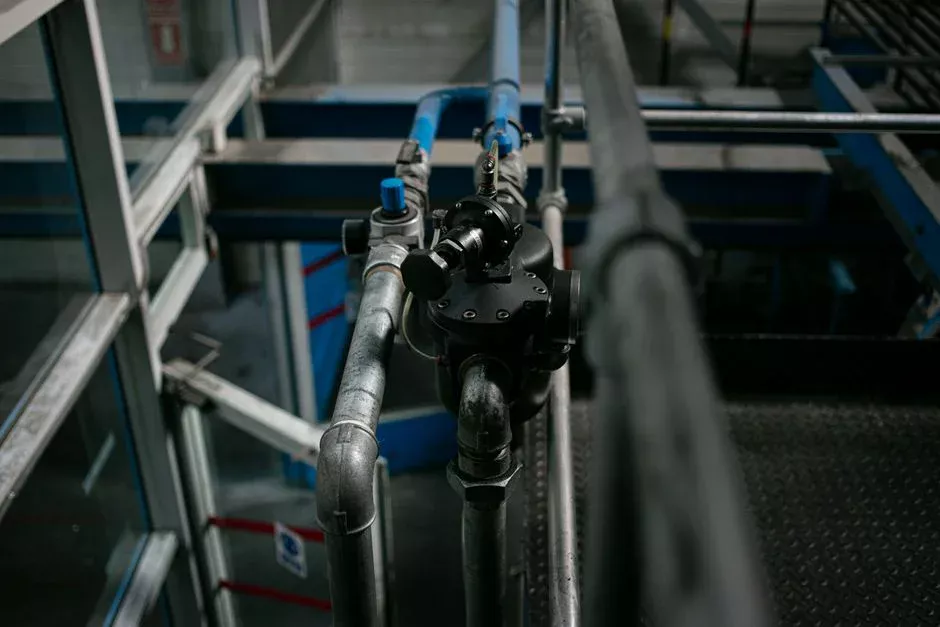
The process train must be ordered to remove substances that disable downstream chemistry before it reaches a metals precipitation tank. A rotary mechanical bar screen for headworks protection is the typical first stage at a parts plant with wash bays, removing rags, chips, and packaging that would otherwise blind a downstream DAF system for oil and suspended-solids removal or plate and frame filter press. Emulsified oils and greases are removed ahead of chemical treatment because they foul hydroxide precipitation, blind filter cloths, and consume coagulant — this is the reason the absolute prohibition on petroleum oil sits in the ordinance in the same section that defines Pass Through (DFW Ordinance 32913, S5). Where chrome plating, chromate conversion coating, or hard-chrome finishing is in scope, hexavalent chromium reduction to trivalent form is required to meet the 40 CFR 433 total chromium daily-maximum and monthly-average limits, and is typically done with sulfur dioxide or ferrous sulfate at low pH before metals precipitation (DFW Ordinance 32913, S5 framework, citing 40 CFR Part 403 categorical incorporation). Metals precipitation at controlled pH is the step that drops dissolved nickel, zinc, copper, and lead below categorical limits, and it is followed by a lamella clarifier for metals precipitation to drop total suspended solids ahead of the flow meter.
pH equalization to within the 5.5–11.0 window is the final compliance gate before the PALS sampling point, and it is best driven by an automatic chemical dosing system tied to a pH probe in the equalization tank rather than manual additions. Sludge from the DAF float and clarifier underflow is dewatered with a filter press for sludge dewatering to minimize the volume of hauled waste, which matters because the generator retains cradle-to-grave liability under RCRA even after the waste leaves the site in a licensed transporter's truck (PROS Services wastewater transportation guide, S4). The cradle-to-grave exposure is the reason the dewatering step is not optional — every gallon of water left in the sludge is a gallon of manifest line item and a future EPA Form 8700-22 signature (PROS Services, S4).
Parameter Table: Where the Limits Come From
The binding number for each regulated metal is the 40 CFR 433 categorical daily-maximum or monthly-average limit, but the practical design target is the lower of that categorical number and any local limit PALS writes into the discharge permit letter. Categorical Pretreatment Standards are defined under the DFW ordinance as "any regulation containing pollutant discharge limits promulgated by EPA in accordance with Sections 307(b) and (c) of the Act" and are part of the National Pretreatment Standards hierarchy (DFW Ordinance 32913, S5). Total Toxic Organics is evaluated against 0.01 mg/L per compound on the 40 CFR 122 Appendix D Table II list for noncategorical and categorical SIUs, with pesticides excluded unless specifically designated in a particular categorical classification (DFW Ordinance 32913, S5). The pH 5.5–11.0, flashpoint ≥140°F, sewer temperature ≤150°F, and POTW headworks ≤104°F values are absolute prohibited-discharge thresholds, not categorical limits — a discharge is noncompliant on those alone, even when the metals are below detection (DFW Ordinance 32913, S5). PALS local limits can be tighter than the categorical standards, making the design target the lower of the two (Dallas Water Utilities, Wikipedia, S3).
| Parameter | Source framework | Threshold as stated in research | What the buyer needs to confirm |
|---|---|---|---|
| pH | DFW Ordinance 32913, S5 | 5.5 – 11.0 | PALS permit-letter value (may be tighter) |
| Flashpoint | DFW Ordinance 32913, S5 (40 CFR 261.21 method) | ≥ 140°F (60°C) | Method used by laboratory |
| Sewer temperature | DFW Ordinance 32913, S5 | ≤ 150°F (65°C) | Peak rinse stream temperature |
| POTW headworks temperature | DFW Ordinance 32913, S5 | ≤ 104°F (40°C) | Confirmation with TRA/TCEQ |
| Total Toxic Organics (per compound) | DFW Ordinance 32913, S5 (40 CFR 122 App. D Table II) | 0.01 mg/L (pesticides excluded unless designated) | Analytical scan list vs. categorical scope |
| Categorical metals (Pb, Cd, total Cr, hex Cr, Ni, Cu, Zn, cyanide) | 40 CFR 433 (incorporated via 40 CFR 403; DFW Ordinance 32913, S5) | Daily-maximum and monthly-average limits as published in 40 CFR 433 | Current 40 CFR 433 values at design time and PALS local-limit overlay |
Permitting, Sampling, and Avoiding Significant Noncompliance in 2026
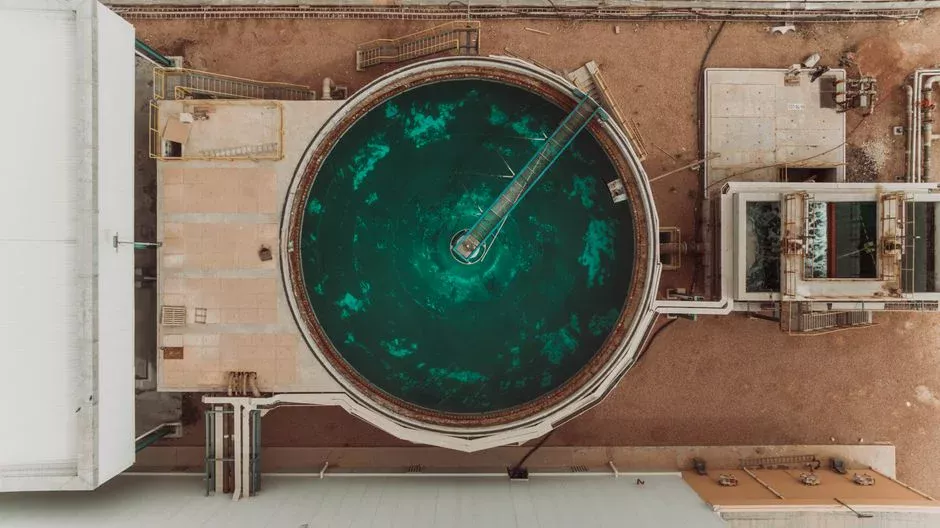
An EHS manager at a Dallas transportation equipment plant must establish the regulatory classification before ordering equipment. PALS administers local, state, and federal rules and requires industrial users to install, operate, and adequately maintain pretreatment equipment before connecting to the sanitary sewer (Dallas Water Utilities, Wikipedia, S3). The application package must characterize every process waste stream, identify categorical applicability — 40 CFR 433 Metal Finishing where the site does plating, chromate conversion coating, or other surface finishing — and propose the corresponding monitoring schedule. Self-monitoring and reporting frequency scale with SIU versus NSCIU status, and missed reports or limit exceedances can trigger a Notice of Violation and Significant Noncompliance status, which is publicly listed and can escalate to enforcement (DFW Ordinance 32913, S5). Baseline monitoring reports and 90-day compliance reports are standard 40 CFR 403 deliverables for new categorical sources, and existing sources must re-certify on the schedule PALS sets (DFW Ordinance 32913, S5).
Off-site disposal is the part of the workflow that creates the most liability. For hazardous streams, the generator prepares EPA Form 8700-22, the Uniform Hazardous Waste Manifest, which tracks the waste from "cradle" to final disposal under RCRA; non-hazardous liquid waste typically uses state-level liquid industrial waste tracking, but best practice is to keep detailed records for every shipment (PROS Services, S4). The generator retains RCRA cradle-to-grave liability even after the waste leaves the site in a licensed transporter's truck, which is why transporter selection, manifested disposal, and on-site sludge volume reduction are linked decisions (PROS Services, S4). Sampling in 2026 needs to be planned against the PALS permit cycle, not internal production schedules, because SNC status is determined by compliance with the permit's reporting calendar.
Frequently Asked Questions
How should a Dallas transportation equipment plant choose between a dissolved air flotation unit and a traditional oil-water separator?
Select based on the influent oil-and-solids profile. A DAF system is the better fit when the plant has emulsified oils from machining coolants, wash-bay surfactants, or alkaline cleaning, because the micro-bubbles attach to emulsified oil droplets that a gravity oil-water separator cannot break. A traditional oil-water separator is sufficient when the only petroleum stream is free oil from drip pans and the flow is steady
Frequently Asked Questions
What permits does a Dallas transportation equipment plant need before discharging to the sanitary sewer in 2026?
Transportation equipment manufacturers in Dallas must obtain an Industrial Wastewater Discharge Permit issued by Dallas Water Utilities (DWU). This permit is mandatory for any Significant Industrial User (SIU) as defined by 40 CFR 403.3(v), and it establishes site-specific local limits, monitoring requirements, and reporting schedules that must be strictly adhered to before discharging process wastewater into the municipal sanitary sewer system.
In addition to the DWU permit, facilities must ensure compliance with 40 CFR 433 (Metal Finishing Point Source Category) standards. Depending on the specific nature of the chemical processes used, a facility may also need to maintain a Stormwater Pollution Prevention Plan (SWPPP) under the TPDES Multi-Sector General Permit if any industrial activities are exposed to stormwater runoff.
How much does a compliant on-site pretreatment system cost for a mid-size Dallas parts manufacturer, and what drives the budget?
For a mid-size transportation equipment plant, a fully compliant on-site pretreatment system typically ranges from $250,000 to $750,000 for equipment procurement and installation. This budget is primarily driven by the specific flow rate (measured in gallons per day), the concentration of regulated heavy metals such as cadmium, chromium, and lead in the influent, and the complexity of the chemical precipitation and solids dewatering process required to meet 2026 discharge limits.
Secondary cost drivers include the necessity for automated pH adjustment systems, continuous flow monitoring hardware, and the integration of advanced sludge handling equipment to reduce hazardous waste disposal costs. Site-specific factors, such as available floor space for the skid and the existing facility’s plumbing configuration, can further influence the final capital expenditure by 15% to 25%.
Which equipment suppliers in Texas can deliver a full DAF-plus-clarifier pretreatment skid with 40 CFR 433 documentation in under 12 months?
Several Texas-based industrial water treatment firms, including companies such as Evoqua Water Technologies (with regional service hubs), Beckart Environmental, and local specialized integrators like ClearWater Solutions, currently offer DAF-plus-clarifier skid packages designed for metal finishing applications. These vendors typically maintain modular designs that can be adapted to meet 40 CFR 433 standards within a 32- to 40-week lead time, provided project specifications are finalized early.
To ensure a delivery window under 12 months, procurement teams must request a comprehensive submittal package that includes certified performance data, material safety compliance, and documentation verifying that the system is engineered to meet EPA categorical pretreatment standards. Engaging a firm that provides turnkey installation and commissioning support is critical for verifying compliance documentation immediately upon delivery.
What are the monitoring and reporting frequency requirements for an SIU versus an NSCIU under 40 CFR 433?
Under 40 CFR 403 and local Dallas ordinances, a Significant Industrial User (SIU) is generally required to perform self-monitoring for regulated pollutants at least twice per year, though Dallas Water Utilities may mandate monthly or quarterly sampling depending on historical compliance data. SIUs must submit a Periodic Compliance Report (PCR) twice annually that summarizes the nature and concentration of regulated pollutants in their effluent.
In contrast, a Non-Significant Categorical Industrial User (NSCIU) is subject to significantly reduced regulatory oversight. An NSCIU must provide an annual certification statement confirming that the facility does not discharge more than 100 gallons per day of total categorical wastewater and has not modified its processes in a way that would increase pollutant loading, effectively exempting them from the rigorous bi-annual sampling requirements applied to SIUs.
What are the real fines and enforcement risks if a Dallas plant misses a single monthly average metals limit in 2026?
Missing a monthly average metals limit in Dallas triggers an immediate Notice of Violation (NOV) from Dallas Water Utilities. Under the Clean Water Act and local ordinances, the city has the authority to assess civil penalties that can reach up to $2,000 to $10,000 per violation, per day, depending on the severity and duration of the exceedance. Repeated violations can lead to the facility being classified as a "Significant Non-Compliance" (SNC) entity, which requires public notification in local newspapers.
Beyond monetary fines, enforcement risks include the mandatory implementation of a costly Compliance Schedule, increased mandatory sampling frequency at the facility’s expense, and the potential for temporary suspension of the discharge permit. In extreme cases of willful or negligent non-compliance, the city may pursue legal action or issue a cease-and-desist order, effectively forcing a total shutdown of manufacturing operations until pretreatment efficacy is restored.