

Why Togiak-area food and beverage plants need pretreatment before any sewer discharge
Food and beverage processors in the Togiak area sit under two overlapping rule sets: federal EPA categorical pretreatment standards and any stricter local sewer-district limits on BOD, TSS, pH, and FOG (Crystal Clean). The federal floor exists because industrial-strength food-processing discharge can overload POTW biological processes, accumulate solids in sewers, and damage infrastructure through pH extremes (Crystal Clean). Local sewer districts typically set limits stricter than that floor, with BOD caps expressed as total suspended solids (TSS) limits and permit-driven monitoring, sampling, and reporting obligations that vary by jurisdiction (Crystal Clean).
F&B wastewater characteristics make this dual-track framework non-optional. High BOD and COD, variable pH from acidic fruit-wash streams and alkaline CIP caustics, suspended solids, and FOG combine in ways that municipal sewage treatment was never designed for (ALAR; USP Technologies; Crystal Clean). In rural Alaska, including the Bristol Bay region around Togiak, sewer access can be seasonal or absent, so "discharge to a POTW" is often replaced by holding lagoons or scheduled hauling to a permitted hub — but pretreatment still applies before either route.
Non-compliance escalates quickly. Penalties range from warning letters and administrative penalties to increased monitoring, mandatory pretreatment installation, permit revocation, and, in severe cases, production shutdowns (Clean Water Services; Crystal Clean). For a small plant with thin margins, that cascade makes pretreatment a core operational function rather than a discretionary spend.
The four pollutants a pretreatment program has to control
BOD and COD levels in F&B wastewater are extremely high compared to domestic sewage. Crystal Clean reports a dairy or brewery can generate wastewater with BOD levels 10–20 times higher than domestic sewage, which is the central driver of pretreatment requirements. Untreated, those concentrations can overwhelm a POTW's biological processes and trigger surcharges or violations (Crystal Clean).
TSS and FOG come from suspended solids — pulp, seeds, grain, and packaging residue — plus fats, oils, and grease from meat, poultry, and dairy processing. ALAR notes that meat and poultry facilities generate wastewater rich in FOG, and these contaminants clog pipes and interfere with biological treatment unless removed upstream (ALAR). USP Technologies adds that DAF is the standard workhorse for separating non-soluble contaminants in the meat, protein, and dairy industries (USP Technologies).
pH swings across the day as acidic product streams and alkaline CIP caustics cycle through the system. Crystal Clean describes discharge that can be acidic one hour and alkaline the next, depending on where production and sanitation sit in their cycles. Extreme pH damages pipes, disrupts treatment biology, and can release toxic gases in confined spaces, which is why equalization and active neutralization are core pretreatment steps (ALAR; Crystal Clean).
Nutrients — nitrogen and phosphorus — round out the four pollutant families. USP Technologies flags tightening nutrient discharge limits as a rising compliance pressure, since excess nutrients drive eutrophication and harmful algal blooms downstream.
| Parameter | Why regulators care | Typical F&B source | Core pretreatment step |
|---|---|---|---|
| BOD / COD | Overloads POTW biology; triggers high-strength surcharges | Product wash water, process bleed, sanitation effluent | Biological polishing (MBBR, IFAS, MBR) |
| TSS | Accumulates in sewer lines and clarifiers | Pulp, seeds, grain, packaging residue | Screening and DAF |
| FOG | Clogs pipes, disrupts biological treatment | Meat, poultry, dairy, fryer drainage | DAF with chemical conditioning (see a DAF system for FOG and suspended-solids removal) |
| pH | Damages infrastructure, kills biology, releases H2S | Fruit acids, CIP caustics, sanitation chemicals | Equalization and active neutralization |
| Nutrients (N, P) | Drives eutrophication and tightening permit limits | Process water, protein-rich waste streams | Biological polishing |
A pretreatment train that works for a small remote F&B plant
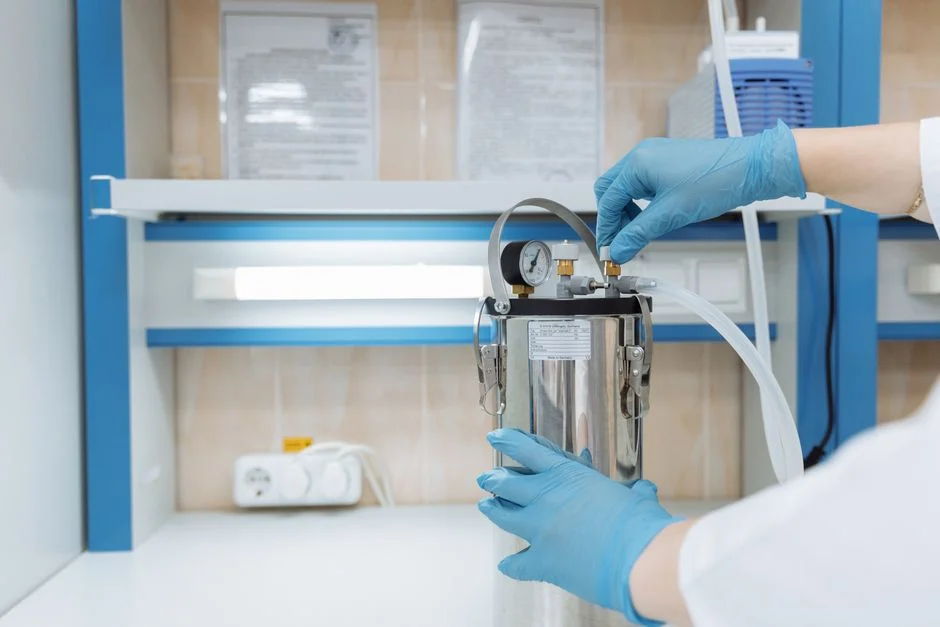
A compliant train for a Togiak-area plant stacks four unit operations so each step handles a waste stream the next one is not designed for. Proper equipment selection ensures that the system handles peak wet-weather and sanitation-shift flows, not just daily averages, because peak surges during washdowns and shift changes trigger permit excursions (Crystal Clean).
Step 1 — Screening. A rotary mechanical bar screen at the headworks protects downstream pumps, valves, and biological processes by removing rags, plastics, and fibrous debris before they can damage equipment or accumulate in the DAF.
Step 2 — FOG and suspended-solids removal. A DAF system for FOG and suspended-solids removal is the workhorse for non-soluble contaminants across meat, protein, and dairy lines, with chemical conditioning to improve removal of fine suspended solids, oils, and grease (USP Technologies).
Step 3 — Coagulation, flocculation, and pH adjustment. PLC-controlled chemical dosing and filtration balance pH and reduce suspended solids to stable ranges before biological treatment, preventing nitrification upset, high ammonia loads, and poor sludge sedimentation (USP Technologies; ALAR).
Step 4 — Biological polishing. MBBR or IFAS systems reduce residual BOD and nutrient loads in a compact footprint suited to small plants (ALAR). Where effluent targets are tight or a near-reuse quality is wanted, a compact MBR for biological polishing with submerged PVDF membranes provides less than 1 μm filtration and reduces downstream load on the receiving POTW or holding lagoon.
Sludge handling closes the loop. A sludge dewatering filter press cuts sludge volume and hauling cost, which matters disproportionately in rural Alaska where each hauled gallon carries a real freight cost (ALAR). For operations producing more dilute sludge, a rotary vacuum drum or screw press can dry solids for permitted disposal.
Sizing the system: flow, load, and the EDU/surcharge math
Capacity fees are typically set per Equivalent Dwelling Unit for sewered plants. Clean Water Services defines one industrial EDU as 625 gallons per day, so peak daily flow drives the connection charge. Monthly sewer usage is metered in 100 cubic feet (1 CCF = 748 gallons at Clean Water Services), and the bill adds a high-strength surcharge on COD and TSS loading above domestic baselines. A Togiak-area plant discharging to a sewer district should ask for that district's specific EDU definition, CCF volume, and surcharge trigger points, because local limits are jurisdiction-specific and rarely agree across districts (Crystal Clean; Clean Water Services).
Pretreatment equipment sizing must be driven by peak flows, not daily averages — the washdown surge is what trips excursions, not the production-hour average (Crystal Clean). Where no POTW is available, equivalent sizing logic applies to holding-lagoon volume and haul-truck frequency. Both should be sized to the same peak flow and seasonal access window used for sewered plants; a lagoon undersized for peak day is the rural-Alaska equivalent of an undersized equalization basin.
For biological sizing, four inputs drive any credible design: influent BOD/COD concentration, target effluent BOD/COD, operating temperature (cold winter operation in rural Alaska slows kinetics), and MLSS. Ask any supplier to show all four in writing, with an effluent guarantee keyed to the named peak flow and the lowest expected operating temperature rather than a summer rating.
On-site packaged pretreatment vs. scheduled haul-off: the 2026 decision
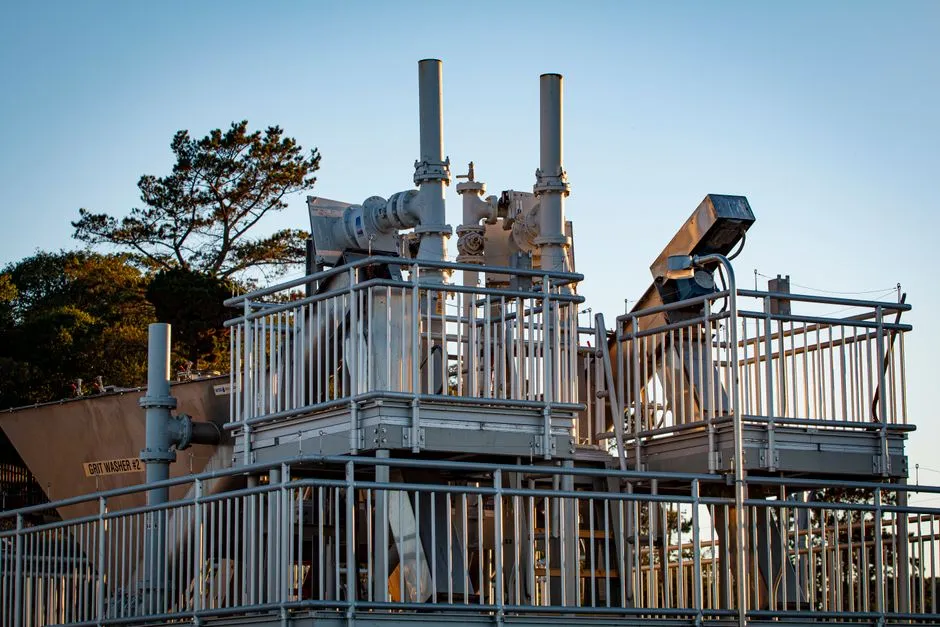
The remote Togiak-area plant faces a buy-vs-haul decision that requires balancing facility footprint and operational complexity against transportation costs. The table below sets the two paths side by side; the right answer depends on peak flow, available footprint, operator headcount, freeze exposure, and the receiving facility's tariff.
| Decision factor | On-site packaged pretreatment | Scheduled haul-off to a permitted hub |
|---|---|---|
| CAPEX | Higher — screening, DAF, equalization, biological, sludge dewatering | Lower — holding tank, basic screening, pumping |
| OPEX | Chemicals, power, sludge hauling, operator hours | Vacuum-truck mileage, volume-based receiving fees, surcharges at the hub |
| Footprint | Larger but enclosed, heated, skid-mounted | Smallest possible — a holding tank and truck access |
| Compliance ownership | Plant owns monitoring and discharge records directly | Depends on hauler's manifests and chain of custody |
| Freeze exposure | Enclosed, heated, buried options available | Hauler access windows narrow in winter |
| Surcharge exposure | Greatly reduced once DAF and biological are running | Passes through to receiving facility's tariff |
On-site packaged pretreatment — screening plus DAF system for FOG and suspended-solids removal, plus equalization, biological polishing, and on-site sludge dewatering — reduces hauled volume, eliminates most strength-surcharge exposure, and gives the plant direct control of discharge quality, at the cost of higher CAPEX, operator hours, and freeze-protection design (ALAR; USP Technologies; Crystal Clean). An underground integrated packaged plant is one way to keep the cold-climate footprint small and the installation out of the wind.
Scheduled haul-off to a permitted regional facility shifts CAPEX to OPEX and keeps the on-site footprint small, but volume, mileage, and any surcharges at the receiving facility dominate cost. Crystal Clean's model of vacuum-truck removal to its own permitted treatment works is the established pattern for liquid and sludge waste, with manifests, service records, and treatment verification creating the chain of custody auditors expect (Crystal Clean).
Cold-climate design matters in either path. Lagoons and equalization basins in rural Alaska need ice-load and freeze-thaw consideration, and biological stages lose kinetics at low temperature — both push the design toward enclosed, heated, buried, or skid-mounted packaged units. The compliance risk picture also differs: on-site pretreatment gives the plant direct ownership of monitoring and discharge records, while haul-off depends on the hauler's documentation being audit-ready at all times (Crystal Clean).
A 2026 supplier-evaluation checklist for Togiak-area F&B plants
Use this list to compare quotes from vendors to ensure design consistency.
- Ask for a written influent/effluent guarantee on BOD, TSS, FOG, and pH at the named peak flow and the lowest expected operating temperature, with explicit remedies if the plant misses it.
- Require a sampling and reporting plan aligned to the discharge permit cycle, including who logs data, how records are stored, and how long they are retained for audit (Clean Water Services' Significant Industrial User reporting is the reference model).
- Confirm freeze-rated enclosures, buried or skid-mount options, and automatic operation. Crystal Clean notes that 24/7 availability and rapid response are critical when a separator backs up and sanitation stops (Crystal Clean).
- Validate sludge handling: a sludge dewatering filter press on-site reduces hauling cost and is standard for F&B operators with continuous sludge production; pair it with a high-efficiency sedimentation tank where flow is intermittent.
- Request reference installations in food or beverage, not general industrial. Crystal Clean warns that a generalist may miss the connection between sanitation cycles and the wastewater profile (Crystal Clean).
Frequently Asked Questions
What does an on-site packaged pretreatment train for a small Togiak-area F&B plant actually include, in order?
The standard sequence is screening, FOG/solids removal (DAF), coagulation/flocculation plus pH equalization, and biological polishing (MBBR, IFAS, or MBR), with sludge dewatered on-site by a filter press (ALAR; USP Technologies; Crystal Clean). Sizing must be driven by peak washdown flow, not daily average, because peak surges trigger permit excursions (Crystal Clean).
How do high-strength sewer surcharges work, and what should a Togiak-area plant budget for them?
Clean Water Services bills monthly sewer usage in 100 cubic feet (1 CCF = 748 gallons) and adds a high-strength surcharge on
Frequently Asked Questions
What pretreatment equipment does a small food or beverage plant near Togiak, Alaska actually need in 2026?
Due to the remote geography and cold-climate constraints of the Togiak region, a standard pretreatment train typically requires a multi-stage approach to meet local discharge limits. This includes primary screening (rotary drum or static screens) to remove solids larger than 0.5mm, followed by an equalization tank with integrated heating elements to maintain biological activity. For facilities with high organic loads, a Dissolved Air Flotation (DAF) unit is essential to remove Fats, Oils, and Grease (FOG) before the wastewater enters a municipal sewer or discharge point.
Additionally, automated pH adjustment systems using caustic or acidic dosing pumps are necessary to maintain a discharge range of 6.0 to 9.0. Given the logistics of Togiak, all equipment should be housed in a climate-controlled, insulated modular enclosure to prevent freezing and ensure consistent sensor performance for real-time monitoring of BOD and TSS levels.
How much does a packaged food and beverage pretreatment system cost to buy and to operate in 2026?
Capital expenditures for a modular, skid-mounted pretreatment system suitable for a small plant range from $150,000 to $450,000, depending on the volume of throughput and the complexity of the organic load. These costs include the equipment, modular housing, and specialized logistics for barge or air transport to the Togiak area.
Operational expenditures (OPEX) are significantly higher in remote Alaska compared to the Lower 48, often ranging from $0.05 to $0.15 per gallon treated. This cost is driven primarily by the high expense of chemical reagents, remote maintenance technician travel, power consumption for heating, and the specialized disposal of sludge generated by the pretreatment process.
Is it cheaper to install on-site pretreatment or to haul wastewater to a permitted facility for a remote Alaska plant?
For most food and beverage operations in Togiak, on-site pretreatment is the only economically viable long-term strategy. Hauling wastewater to a permitted facility is cost-prohibitive due to the lack of local high-capacity treatment infrastructure and the extreme fuel and transport costs associated with moving high-volume liquid waste by barge or specialized tank truck.
While the initial capital investment for on-site equipment is high, it typically achieves a return on investment within 24 to 36 months compared to the variable and rising costs of third-party waste hauling. On-site systems also mitigate the risk of regulatory fines and the operational downtime associated with dependence on external waste management services.
What are the consequences of missing BOD, TSS or pH limits in a sewer discharge permit for a food plant?
Exceeding discharge limits for Biochemical Oxygen Demand (BOD), Total Suspended Solids (TSS), or pH triggers immediate regulatory enforcement actions, starting with Notice of Violation (NOV) letters and significant administrative fines that can reach $30,000 to $50,000 per day per violation under federal and state environmental statutes.
Beyond financial penalties, facilities face mandatory permit revisions that may require the installation of additional, unplanned treatment technology. In severe cases, the local utility or regulatory body can impose an immediate cessation of discharge privileges, effectively shutting down production until the plant demonstrates compliance through certified third-party testing and system upgrades.
How do I evaluate and compare food and beverage wastewater treatment suppliers in 2026?
Evaluation should prioritize suppliers with a demonstrated track record of operating in sub-arctic or remote Alaskan environments. When comparing vendors, request specific references for projects located in regions with similar logistical challenges, and verify their ability to provide remote technical support via satellite-linked telemetry systems, which are critical for troubleshooting when site access is limited.
Technical comparisons should focus on the energy efficiency of the equipment, the availability of spare parts kits included with the initial purchase, and the supplier's commitment to long-term service agreements. Ensure the vendor provides a performance guarantee that the equipment will meet specific local discharge limits under the projected hydraulic and organic loading rates unique to your facility.