What 'Fabricated Metals Wastewater' Actually Looks Like in a Torrington Plant
A Torrington-area stamping, machining, or screw-machine shop rarely produces a single, uniform wastewater stream. The floor typically discharges a mix of emulsified cutting oils from CNC machines, drawing compounds and stamping lubricants from presses, quench oils from heat-treat lines, alkaline cleaners and phosphating rinsate from finishing cells, and occasional hexavalent-chrome or zinc-bearing rinses from plating or galvanizing cells. Most of these streams are "floater-dominated" — emulsified oils and many fine suspended solids have a specific gravity close to or below water, so they resist plain sedimentation and travel through a quiescent tank largely unchanged.
Intermittent slug loads from line changeovers, batch washer dumps, or spilled drum contents drive peak concentrations and must be sized for, not just average flow. The exact contaminant mix and concentrations must come from the plant's own sampling; no generic fabricated-metals profile can substitute for site data, and a 24-hour composite plus targeted grabs during known slug events is the minimum defensible input for unit sizing.
How a DAF Unit Removes Oils and Solids From Metalworking Water
A dissolved air flotation unit pressurizes a side stream of clarified water with air, then releases it at atmospheric pressure inside the flotation tank, generating 30–50 micron micro-bubbles that attach to oil droplets and floc particles, lifting them to the surface (Clearwater Industries, 2026-04; Kemco Systems). Chemical conditioning precedes the tank: coagulant for charge neutralization, pH adjustment, then polymer flocculant, typically mixed in serpentine floc tubes providing 15–45 seconds of flash mix (Clearwater Industries, 2026-04; Kemco Systems). A paddle skimmer removes the float blanket, while a bottom auger handles the heavier settled fraction, so a DAF also acts as a partial clarifier (Clearwater Industries, 2026-04; Kemco Systems). Material selection matters for metalworking — standard 304SS is the base build, with 316SS or polypropylene available as upgrades when chlorides, low-pH excursions, or aggressive cleaners are present (Clearwater Industries, 2026-04). Compact skid-mount DAFs handle flows of 66 GPM or less on a single skid, with modular two-skid configurations for higher flows; the Compact DAF is supplied as a pre-assembled turnkey system with chemical conditioning equipment, sensors, instruments, and a PLC control panel (Clearwater Industries, 2026-04). The plug-and-play design allows easy installation and integration, and a DAF system is purpose-built to lift the light, emulsified load that defines a fabricated-metals stream. For a deeper mechanism walk-through, see this deep dive on how a DAF unit actually works and the DAF oil water separator design criteria guide. An industrial DAF system sized to jar-test results is the right starting point for most Torrington plants.
Where a Conventional Clarifier Still Wins
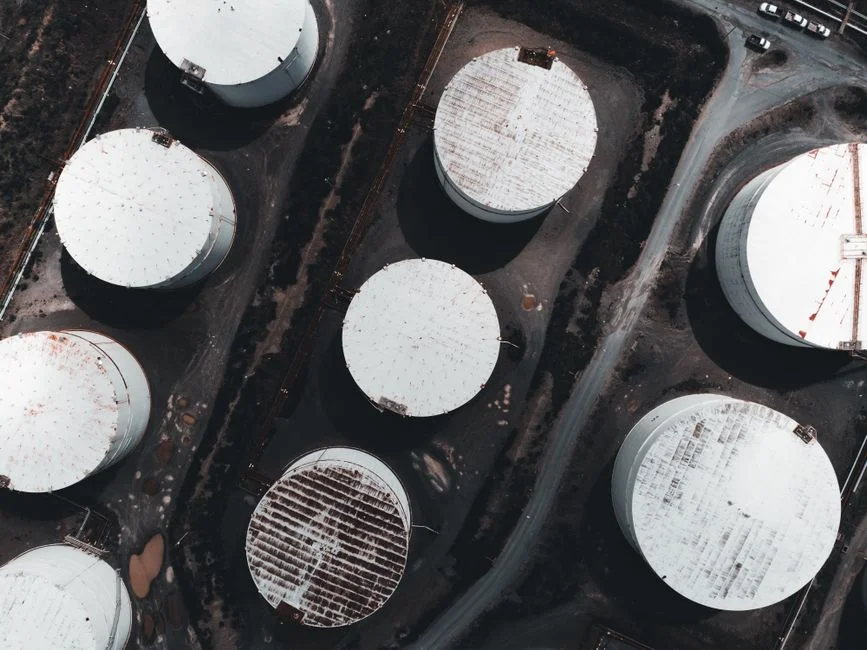
Lamella and high-rate sedimentation tanks excel at high surface-loading removal of heavy, settleable solids — swarf, grinding fines, scale, and shot-blast dust — which a DAF treats only as a side effect. Clarifiers are mechanically simpler, have no compressed-air or saturator system, and tolerate higher temperatures and abrasive loads that wear out DAF recycle pumps. In many fabricated-metals trains the two units are complementary: DAF for the oily floatable fraction, a lamella clarifier for the heavy-solids fraction, with chemical conditioning upstream of both. Where dissolved metals — zinc, nickel, chromium — are the compliance driver rather than oil and grease, the binding step is precipitation plus solids separation, and either technology can carry that load once jar testing confirms settleability. The honest answer to "DAF or clarifier" is often "both, in series," with the lamella unit protecting the DAF from grit overload and the DAF polishing what the lamella cannot float. For a Torrington shop whose floor is dominated by heavy grinding swarf and shot-blast dust with little emulsified oil, a lamella-first configuration is defensible.
DAF vs Clarifier: Decision Matrix for a 2026 Fabricated Metals Plant
The fastest way to defend a unit-selection decision in front of management, CTDEEP, and the local POTW is to score the stream against a written matrix. The table below compares the two technologies on the parameters that drive a fabricated-metals decision: target contaminant, footprint, chemical demand, operator skill, and effluent polish.
| Parameter | DAF (Dissolved Air Flotation) | Conventional / Lamella Clarifier |
|---|---|---|
| Primary target contaminant | Emulsified oils, FOG, light suspended solids | Heavy settleable solids — swarf, scale, grinding fines |
| Footprint at equivalent flow | Compact; skid-mount design (Clearwater Industries, 2026-04) | Larger surface area required for equivalent settling |
| Chemical demand | Coagulant + pH adjustment + polymer flocculant (Clearwater Industries, 2026-04; Kemco Systems) | Often polymer only; coagulant case-by-case |
| Operator skill | Air-saturation system, recycle pump, and PLC chemistry control (Clearwater Industries, 2026-04) | Sludge rake/auger and polymer feed; simpler controls |
| Effluent polish on oily streams | Lower TSS and FOG typical because floatables are removed, not just settled | Oil-coated sludge blanket can impair compaction and float carryover |
| Material upgrades for metalworking | 316SS or polypropylene available for chloride/low-pH service (Clearwater Industries, 2026-04) | Typically FRP, coated steel, or 304/316SS |
| Failure modes | Underperforms when chemical dosing is wrong or oil is over-emulsified to float | Underperforms when oils coat the sludge blanket and prevent compaction |
The scoring rule is simple: if more than roughly half the contaminant load is floatable oil or FOG, default to DAF-first; if more than half is heavy inorganic solids, default to clarifier-first; mixed streams usually want both in series. Sizing anchors from the Compact DAF product line put a single skid at flows of 66 GPM or less and a modular two-skid layout above 66 GPM (Clearwater Industries, 2026-04), with the broader 4–300 m³/h catalogue covering 13 standard models. For sizing beyond those product-line breakpoints, hydraulic loading and air-to-solids ratio must be confirmed by jar testing and pilot work on the actual stream.
The Peripheral Train a Torrington Plant Should Not Skip
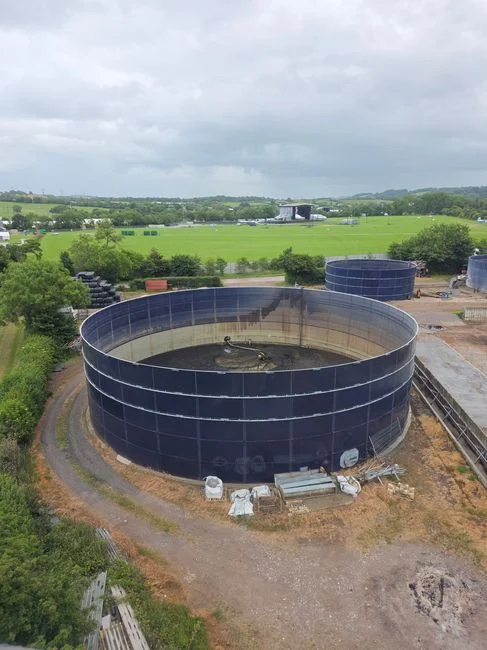
The real cost and compliance risk sits in the equipment around the DAF or clarifier, not in the unit itself. Front-end screening and grit removal protect downstream equipment: a front-end bar screen for swarf and fibrous debris or a hydrocyclone catches lint, scale, sand, and swarf before they hit the flotation tank (Kemco Systems). pH adjustment is non-negotiable for metalworking — acid or caustic dosing with an in-tank pH sensor and metering pumps is the standard arrangement, and automatic control is preferred because discharge pH limits vary by region and excursions trigger fines (Kemco Systems). Chemical dosing must be PLC-controlled and matched to jar-test results; under-dosing starves the DAF, over-dosing wastes polymer and fouls the float (Clearwater Industries, 2026-04; Kemco Systems). PLC-controlled coagulant and flocculant dosing tied to flow and a pH loop is the minimum automation a Torrington plant should accept in 2026. Sludge dewatering closes the loop and reduces hauling cost; DAF float sludge dewaters well because chemical conditioning already thickens it, and a filter press for DAF float sludge dewatering typically reduces waste volume and hauling costs substantially (Kemco Systems).
2026 Compliance and Sourcing Checklist for Torrington, CT
A Torrington plant cannot pick a DAF or clarifier in isolation from the receiving POTW. The 2026 action list below is the minimum a buyer should hand to procurement before a purchase order is cut.
| Action Item | 2026-Specific Input Required from Buyer |
|---|---|
| Confirm local POTW limits | Request current oil & grease, TSS, total metals (Zn, Ni, Cr, Fe, Al), and pH limits from the Torrington-area POTW; local limits typically drive unit selection more than federal numbers. |
| Verify categorical status | Confirm under 40 CFR Part 403 whether specific metal finishing lines are categorical or non-categorical; SIC 34 / NAICS 332 fabricators should document the determination. |
| Jar-test basis of design | Build sizing on jar-test results, not on flow alone; flow drives hydraulic sizing, contaminant load drives air-to-solids ratio and chemistry. |
| Plan for 2026 scrutiny | PFAS in metalworking fluids is under increasing scrutiny; oil & grease limits at some CT POTWs are tightening. Specify equipment with hydraulic and footprint room to add carbon or UF polishing downstream. |
| Material of construction | Specify 316SS or polypropylene upgrades where chlorides, low-pH excursions, or aggressive cleaners are present (Clearwater Industries, 2026-04). |
| Sludge handling | Confirm filter-press sizing for DAF float sludge and verify hauling/disposal route for the dewatered cake. |
Cross-reference this list with the fabricated metals 2026 pretreatment compliance guide before issuing an RFQ.
Frequently Asked Questions
Is DAF or a clarifier cheaper to install for a small Torrington shop under 50 GPM?
For a small shop whose waste is dominantly emulsified oil, a compact skid-mount DAF is typically the lower-capex path because it combines chemical conditioning, flotation, and partial clarification in one pre-assembled package, and a single skid handles flows of 66 GPM or less (Clearwater Industries, 2026-04). Request a budgetary quote that itemizes the DAF skid, the chemical dosing panel, the pH control loop, and the sludge dewatering press so capex can be compared apples-to-apples against a lamella package.
How do I pick a DAF or clarifier supplier in 2026 without getting locked into the wrong chemistry?
Tie supplier selection to a documented jar test and a written guarantee of the effluent target. A credible vendor will run or review jar tests on the actual waste, specify coagulant and flocculant by name and dose, confirm material of construction for the chloride and pH exposure, and supply a PLC-controlled dosing panel rather than a manual one. Ask for at least two reference installations on metalworking streams of similar flow and oil load, and confirm lead time and the availability of replacement parts before signing.
Do I need a pilot before buying a DAF for a fabricated-metals line with slug loads?
If the stream includes intermittent slug loads from batch washer dumps, line changeovers, or spill events, a pilot is worth the cost. Jar tests define chemistry and dose, but a pilot on the actual DAF or lamella confirms air-to-solids ratio, hydraulic surge tolerance, and float-handling capacity under peak flow. Many vendors will supply a mobile pilot unit for a short on-site trial; the data from that trial becomes the basis of design for the permanent unit.
What 2026 regulatory changes should a Torrington plant plan for in its DAF or clarifier purchase?
Two items should drive specification margin. First, PFAS in metalworking fluids is under increasing scrutiny, so a DAF or clarifier purchase should leave room — hydraulic, footprint, and budget — to add carbon or ultra