What a Digital Twin Actually Is in a Water Treatment Plant
A digital twin in a water treatment facility is a continuously synchronized virtual model of the plant that ingests live sensor data and uses AI to recommend setpoints in real time, distinct from a digital shadow, which only visualizes data without closing the control loop. The clearest documented deployments are Veolia's Hubgrade system at the Køge-Egnens plant in Denmark (35-60% hydraulic capacity increase, 35% electricity cut, 60% chemical reduction) and the Ede plant in the Netherlands (>€10M capex avoided, 40% hydraulic capacity lift, 35% total nitrogen reduction over 10 years of 38% load growth). The technology supplements rather than replaces 1970s-era PLC control. As of 2026, a 2025 MDPI review of 147 peer-reviewed studies confirms DTs are still emerging in the water sector, with wastewater treatment as the most-studied segment.
The MDPI Water review (October 2025) defines a digital twin as the digital or virtual representation of an operating physical system, continuously synchronized with live sensor data, and traces the concept back to aerospace applications in the 1960s. A full DT also requires a high-fidelity simulator, physical-to-virtual connection, advanced data analysis, and an interaction and services interface, which is a longer stack than what most vendors actually deliver. A digital shadow, by contrast, reads sensor data and visualizes it without the physical-to-virtual synchronization loop and without feeding recommendations back to actuators.
That distinction is the single most useful filter a process engineer can apply when a vendor pitches a "twin." The MDPI review also notes that most water-sector tools labelled as digital twins remain digital shadows, and that full-scale operational DTs are still rare. If a vendor cannot show the synchronization loop, the optimization layer, and the actuator mapping, the system is a dashboard, not a twin.
Where Digital Twins Are Actually Running: Named Wastewater Locations
The two best-documented municipal digital twin implementations in the water sector both run on Veolia's Hubgrade Wastewater Plant Performance platform, and they sit in Europe. Naming the cities, the drivers, and the measured results is the fastest way for a skeptical engineer to verify whether "DT" deployments are real or marketing.
At the Køge-Egnens wastewater treatment plant in Denmark, the utility originally needed to optimize nitrogen removal and to increase hydraulic capacity during rain events without physical expansion. After deploying Hubgrade, the facility reported a 35-60% increase in hydraulic capacity, a 35% reduction in electricity consumption, a 60% decrease in chemical usage, and improved nitrogen removal (Veolia Water Technologies blog). The 35-60% range for hydraulic capacity is the most defensible single number for a buyer to anchor expectations against, because the spread reflects real wet-weather versus dry-weather performance rather than a single idealized condition.
At the Ede wastewater treatment plant in the Netherlands, the utility faced a rising load that had pushed the plant out of compliance with EU effluent standards, with a projected 20% further load increase over five years. The choice was between building a third process line and optimizing the existing two. Hubgrade was installed, the former PLC-based online control was replaced with real-time optimization, and the plant reports the following results: 40% increase in hydraulic capacity, 35% reduction in total nitrogen in effluent, 38% load increase absorbed over 10 years, more than €10 million in capital expenditure avoided, and effluent quality compliant with EU standards (Veolia Water Technologies blog). The Ede site is the strongest public case for using a DT to defer major capex.
The 2025 MDPI review of 147 peer-reviewed studies confirms that only a small number of real-world water-sector DT deployments have come close to full-scale, full-loop operation, with Køge-Egnens and Ede among the most-cited municipal examples. Industrial pilots exist in the literature but are less publicly documented, which is itself a procurement signal: ask any vendor for a named, KPI-verified reference site before signing.
The Four Layers a Water Plant Digital Twin Needs
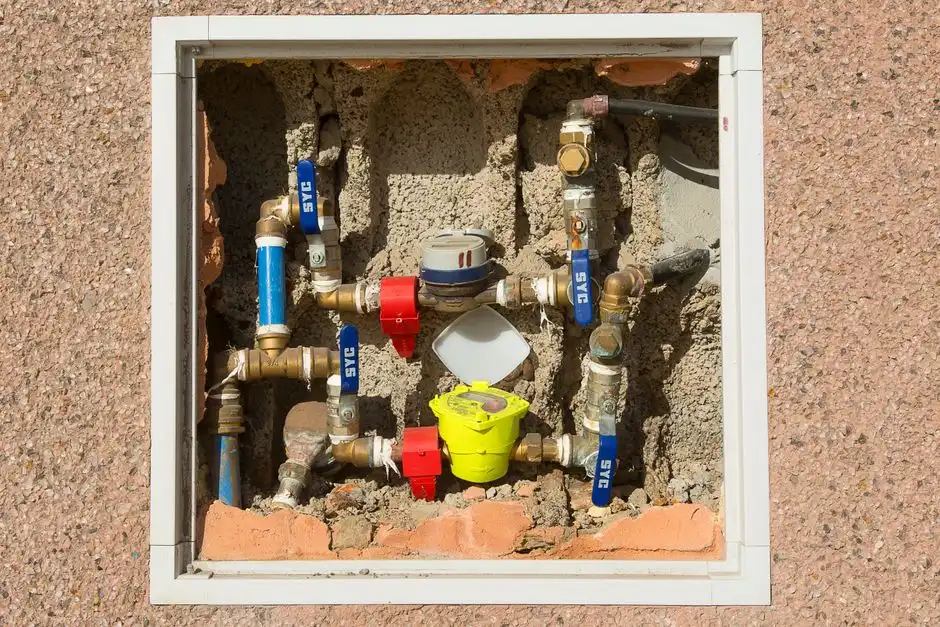
The MDPI Water 2025 review describes a DT as a stack of required components: a physical entity, a high-fidelity simulator, sensors and analyzers, actuators, a physical-to-virtual connection, advanced data analysis, and an interaction/services interface. For a buyer mapping that stack against an existing plant, four operational layers are the practical unit of design.
Layer 1 — physical sensors and analyzers. Flow, level, dissolved oxygen, total suspended solids, ammonia, nitrate, turbidity, and energy meters, all tagged with timestamps and reconciled to specific process units. The MDPI review states that without sensor coverage of influent flow and load, intermediate process states, and effluent quality, the virtual model has no ground truth. Plants considering ORP and DO sensor selection for digital-twin-ready plants should treat the sensor audit as a prerequisite to any DT procurement, not as a downstream task.
Layer 2 — high-fidelity model. The MDPI review identifies three families: mechanistic (mass-balance and Monod-based activated sludge models), empirical (ML surrogates), and hybrid. Common water-sector simulators include EPANET for distribution, SUMO for wastewater, and BioWin for activated-sludge process trains. Most of these were designed for planning and need wrapping with live data adapters before they qualify as DT cores.
Layer 3 — physical-to-virtual synchronization. Data assimilation or adaptive calibration that keeps the virtual state tracking the plant in near real time. This is the layer the MDPI review flags as the dividing line between a digital shadow and a true DT, and it is also the layer most often missing in vendor demos.
Layer 4 — actuator and optimization layer. Model outputs mapped to controllable setpoints (blower speed, pump VFDs, valve position) with explicit safety constraints. Veolia's blog positions this layer as supplementing, not replacing, legacy PLCs, which matters for any plant with advanced nutrient removal design already running on deterministic control. The optimization layer also ingests external data (weather forecasts, energy pricing) that SCADA typically does not consume, which is the mechanism behind the storm-prep behavior the Hubgrade case studies describe.
Digital Twin vs. SCADA vs. PLC: How They Stack Together
PLCs are deterministic local controllers that have run wastewater plants since the 1970s. Veolia explicitly states that DT technology supplements rather than replaces PLCs, and the 2025 MDPI review treats the DT as an additional layer on top of existing instrumentation and control rather than a replacement SCADA stack. SCADA gives supervisory visibility across the plant but does not run predictive optimization, which is the role the DT layer fills.
The DT layer also brings in data sources SCADA typically ignores: weather radar feeds, energy market pricing, influent load forecasts from upstream sensors in the collection network. The Veolia blog describes the system preparing for incoming storm events hours in advance, which requires weather forecast ingestion that no conventional SCADA package is built to consume.
The procurement implication is straightforward. SCADA modernization and DT deployment are separate decisions with separate budgets and separate vendor pools. A SCADA vendor rebranding as a "digital twin" provider without demonstrating the four layers above is selling a digital shadow. For plants already running predictive maintenance playbooks for filtration assets, the right question is not "should we replace SCADA" but "what sits on top of it."
2026 Implementation Checklist: What to Specify Before Signing
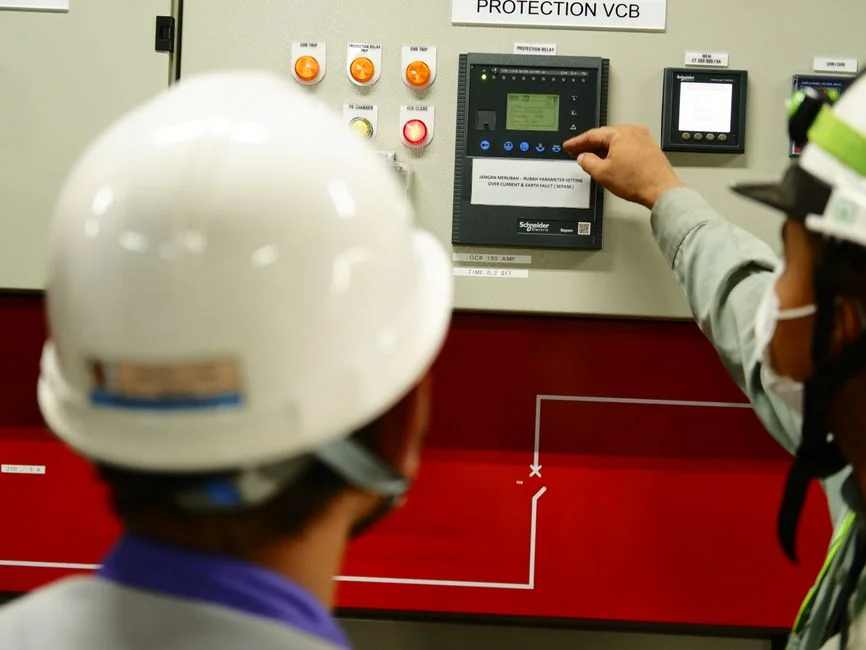
Most RFP failures in DT projects trace back to gaps in data readiness, model scope, or organizational ownership. The checklist below is built from the MDPI Water 2025 review's architectural requirements and the KPI structure used in the Køge-Egnens and Ede case studies.
- Data readiness audit. Confirm sensor coverage on influent flow and load, intermediate process states, and effluent quality. Identify blind spots the DT cannot close without new analyzers, and budget for those analyzers as a separate line item.
- Model scope disclosure. Require the vendor to state whether the core model is mechanistic, empirical, or hybrid, and which simulator (EPANET, SUMO, BioWin, or proprietary) forms the foundation. The MDPI review notes that most water-industry simulators are designed for planning and require wrapping with live data adapters before they function inside a DT.
- Update interval and latency. Specify the maximum acceptable delay between plant state and virtual state for the intended use case. Storm preparation needs minute-scale updates; energy optimization can tolerate hourly updates. The Veolia blog describes the system preparing for incoming storms hours in advance, which is a different latency profile from continuous optimization.
- Actuator integration and safety constraints. Demand a list of controllable setpoints and an explicit safety-constraints layer. The DT must respect physical and safety limits, with humans in the loop for any setpoint change that violates a constraint.
- Validation and KPIs. Require the vendor to commit to pre-defined performance targets measured against a baseline, mirroring the KPI style used at Køge-Egnens and Ede (hydraulic capacity lift, energy reduction, nitrogen removal improvement).
- Organizational readiness. Confirm operators will receive training and that the system will translate AI recommendations into familiar operational parameters rather than raw algorithm output. Veolia's blog explicitly frames this as a workforce-transition tool, not a replacement for plant staff.
The parameter table below is a template for what a vendor should be asked to fill in during the RFP stage. It is not a price list, because the public research base does not contain defensible unit-cost figures for DT deployment in the water sector; only the Ede case study publishes a CAPEX proxy (the >€10M avoided third process line).
| Parameter | What to specify | Acceptance evidence |
|---|---|---|
| Model type | Mechanistic, empirical, or hybrid | Vendor disclosure of simulator core (EPANET, SUMO, BioWin, or proprietary) |
| State synchronization | Data assimilation or adaptive calibration method | Demonstrated physical-to-virtual loop, not dashboard-only |
| Update interval | Maximum delay between plant and virtual state | Use-case-matched (minutes for storms, hours for energy) |
| Actuator coverage | List of controllable setpoints (blowers, pumps, valves) | Safety-constraints layer documented and reviewed |
| External data inputs | Weather, energy pricing, upstream load forecasts | Integration path described in architecture diagram |
| KPI baseline | Pre-installation measurements for capacity, energy, nitrogen, chemicals | Baseline report signed before commissioning |
| Operator interface | Translation of AI output into familiar operational parameters | Demonstration with plant operators present |
Frequently Asked Questions
What does a digital twin for a water treatment plant actually cost?
Public research does not publish a defensible per-cubic-metre figure for digital twin deployment. The only CAPEX proxy in the supplied evidence is Ede's >€10 million avoided third process line (Veolia Water Technologies blog), which is a savings figure rather than a deployment price. Buyers should request vendor quotations on a capex-plus-annual-service basis, benchmarked against a documented baseline, before signing.
Which suppliers have the most-documented municipal water DT deployments?
The Veolia Hubgrade Wastewater Plant Performance deployments at Køge-Egnens (Denmark) and Ede (Netherlands) are the most-documented municipal cases in the supplied research (Veolia Water Technologies blog). The 2025 MDPI review confirms these are among the most-cited full-scale water-sector DT references. Ask any shortlisted vendor for a named, KPI-verified reference site, the dates of deployment, and the measurement protocol used for their published results.
How long does a digital twin deployment take from data audit to optimization?
The 2025 MDPI review of 147 studies concludes that full-scale operational DTs in the water sector are still rare, and the deployment timeline is correspondingly longer than a typical SCADA upgrade. Realistic deployments run 12-24 months from initial sensor audit through the optimization layer, with the longer end of that range typical for plants that need new analyzers installed before the virtual model has enough data to calibrate against.
What is the compliance risk of deploying a DT that turns out to be a digital shadow?
A system that visualizes data without closing the control loop cannot be relied on for effluent compliance decisions, and operators may lose trust in the platform if recommendations are visibly ignored by the underlying PLC. The MDPI Water 2025 review states explicitly that without physical-to-virtual synchronization and an actuator/optimization layer, a water-sector tool remains a planning simulator or at most a digital shadow. Require the vendor to demonstrate the four-layer stack in the table above, and to commit to KPI-based acceptance criteria in the contract, before commissioning.
Related Equipment
- PLC-controlled chemical dosing skids — specifications, capacity range, and technical data
- MBR systems with continuous online instrumentation — specifications, capacity range, and technical data
- instrumented membrane skids — specifications, capacity range, and technical data