
What a Car Wash Water Treatment System Actually Does
A car wash water treatment system is not a single filter or a settling pit — it is a multi-stage process train that turns vehicle-wash runoff into either reusable wash water or compliant sewer discharge, depending on the operator's economic and regulatory position. The cited full-scale design in Water Science & Technology (IWA Publishing) combined flocculation, column flotation, sand filtration, and chlorination; a 22-week water and savings audit reported almost 70% reclamation with fresh-water use held under 40 L per wash. That pair of numbers — roughly 70% reuse and fewer than 40 L per wash — is the only documented full-scale benchmark for this application and should be the design anchor a buyer quotes internally.
Any system in 2026 has to deliver four job-to-be-done outcomes simultaneously: oil and grease removal, suspended-solids reduction, dissolved-contaminant management, and microbial control for either reuse or compliant discharge. Skipping any one of these either creates a sewer-pretreatment violation or produces reclaimed water that spotting, foaming, or odor complaints will reject. Utilities are tightening pretreatment limits and re-pricing water in 2026, so the choice of equipment now drives both compliance and recurring operating cost, not just the initial capital line. A defensible specification therefore starts with the cited IWA / WST benchmark and asks which equipment classes the site needs to actually meet it.
Why Car Wash Wastewater Is Not 'Just Dirty Water'
Car wash wastewater looks homogeneous in a bucket but separates into very different engineering problems depending on the wash format. Per the JBS Industries wastewater overview, the three commercial formats — self-service bays, in-bay automatics, and conveyor or tunnel systems — produce different peak flows, different chemistry loads, and different oil-and-grease concentrations. Self-service generates low flow with intermittent peaks and variable detergent dosing; in-bay automatics run medium flows with relatively consistent chemistry; conveyor systems deliver the highest continuous flows with the heaviest FOG, TSS, and surfactant loading.
Across all three formats the equipment must address the same families of contaminants: settleable solids (sand, road grit, leaves), emulsified oil and grease from undercarriages and engine bays, surfactants and detergents from the wash chemistry, heavy metals shed from brake dust and tire wear, and a biological load from organics and road film. The reason single-stage "car wash filters" fail is that emulsified oil, surfactants, and dissolved metals do not drop out in a simple cartridge — they require coagulation to break the emulsion, flotation or lamella separation to remove the resulting floc, and frequently a membrane polish to hit reuse turbidity targets.
The environmental cost of getting this wrong is not abstract. The Environmental Monitoring and Assessment case study (PMC13538205) on urban-stream impacts from car-wash discharge documented stream-quality degradation tied directly to untreated or under-treated wash water. Uncontrolled discharge is therefore both a regulatory exposure and a reputational one for the operator, which is why 2026 equipment selection starts with the contaminant profile, not with the cheapest available tank.
The 2026 Treatment Train: Stage by Stage
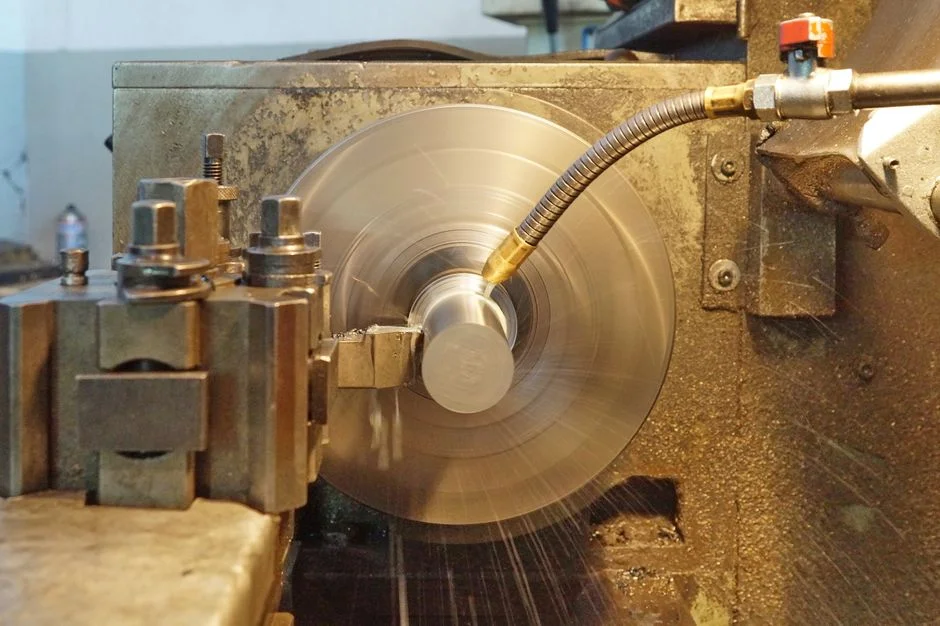
Modern car wash water treatment systems are built as a six-stage train. Each stage has a defined removal job, a characteristic equipment class, and a known failure mode if undersized or skipped.
- Screening and grit removal. Drum or basket screens strip rags, leaves, and large debris before chemical dosing and flotation, protecting pumps and nozzles from ragging and abrasive wear.
- Oil, grease, and suspended-solids removal. A Dissolved Air Flotation (DAF) system is the standard 2026 choice because it floats emulsified FOG and colloidal solids that gravity separators miss. Lamella plate clarifiers are an alternative where footprint is constrained but typically need chemical dosing to reach the same removal.
- Chemical dosing and coagulation. An automatic chemical dosing system injects coagulant and flocculant (typically a metal salt plus a polymer) to break oil-in-water emulsions and bind colloids, with pH adjustment upstream of flotation or filtration. Chemistry must be matched to the wash chemistry, especially on conveyor sites running high-surfactant detergents.
- Filtration polish. A multi-media filter (sand / anthracite) is the cited IWA / WST step and handles the bulk of the remaining TSS. An ultrafiltration system (sub-0.1 µm PVDF) is added when the site targets high-ratio reuse, low-turbidity polish, or spot-free rinse quality.
- Disinfection. Chlorination is the cited IWA / WST step. The 2026 alternatives are a UV sterilizer (medium-pressure, self-cleaning) for sites avoiding chlorine by-products, and a chlorine dioxide generator where the site handles reuse water in contact with workers and vehicles and needs a broader microbial spectrum at low dose.
- Sludge handling. The floated and settled solids become a sludge stream that requires dewatering to cut disposal volume. A plate and frame filter press is the typical 2026 choice for sites generating enough sludge to justify on-site cake production versus liquid hauls.
| Stage | Equipment class | Primary removal target | Failure if skipped |
|---|---|---|---|
| 1. Screening | Drum / basket screen | Rags, grit, debris | Pump ragging, nozzle wear |
| 2. Flotation | DAF or lamella | Emulsified FOG, colloidal TSS | Sewer FOG violations, fouling downstream |
| 3. Dosing | Chemical dosing | Emulsion break, coagulation | Poor flotation, high TSS carryover |
| 4. Filtration | Multi-media, optional UF | Residual TSS, turbidity | Spotting, reuse rejection, UV fouling |
| 5. Disinfection | UV or ClO₂ (or chlorine) | Bacteria, virus, biofilm | Microbial compliance, odor, worker safety |
| 6. Sludge | Plate and frame press | Sludge volume reduction | High disposal OPEX, haul volume |
Reuse vs. Discharge-to-Sewer: The Real Decision
Every 2026 car wash water treatment system project sits on the same fork: is the goal to reclaim wash water and cut fresh-water purchases, or to pretreat effluent to a sewer-utility compliance point and discharge everything? The two paths lead to very different equipment lists, capex, and OPEX profiles.
Reuse-led systems target ratios in the range of the IWA / WST ~70% reclamation benchmark and need the tighter train — UF or fine multimedia plus UV or ClO₂ disinfection — plus a reclaimed-water storage tank and a distribution loop feeding rinse and pre-wash stages. Discharge-led systems prioritize pretreatment compliance: lower capex, no reclaimed-water tankage, but the site remains exposed to sewer surcharges, volume-based fees, and the tightening 2026 utility limits that are already pushing operators toward at least partial reuse. Hybrid systems are the most common 2026 retrofit: partial reuse for the wash cycle with the remainder polished to discharge, sized so the equipment can handle peak wet-weather overflow without bypass.
The decision driver is not the equipment catalog but local economics: the sewer-utility discharge limits, the water rate, the disposal cost for sludge, and any storm-water restrictions. Those four numbers decide whether the ~70% reuse target is an economically rational design point or only an aspirational one. For a broader context on how water-reuse economics are shifting, the water reuse forecast to 2030 lays out the market and technology trajectory; for a parallel view on industrial water efficiency, the 2026 guide to reducing water usage in manufacturing frames the OPEX logic a buyer will need internally.
| System mode | Train depth | Capex profile | OPEX driver | Best fit |
|---|---|---|---|---|
| Reuse-led | Full train + UF + UV/ClO₂ + reclaim storage | Highest | Water purchase savings, sludge disposal | High water-rate regions, sustainability targets |
| Discharge-led | DAF + dosing + multimedia; disinfection for sewer limit | Lowest | Sewer surcharges, compliance risk | Low water rate, strict sewer caps |
| Hybrid (2026 retrofit) | DAF + dosing + multimedia + UV/ClO₂; UF optional | Mid | Partial water offset, reduced sewer volume | Most existing conveyor / in-bay sites |
What Equipment Does a Conveyor or In-Bay Wash Actually Need?
The right train depends on the wash format, because the peak flow, FOG load, and reuse demand all change with it.
Self-service bays produce low flow with intermittent peaks and variable detergent dosing; a compact DAF or lamella clarifier, a multimedia filter, and UV are usually enough, with chemical dosing only if surfactant load is high. In-bay automatics run medium flow with consistent chemistry: DAF plus chemical dosing plus multimedia plus UV or ClO₂ is the standard 2026 spec, with UF added where spot-free rinse is required and where the operator wants a high reuse ratio. Conveyor and tunnel systems are the closest match to the cited IWA / WST full-scale design — they need the full train including DAF, dosing, multimedia, UF polish, and ClO₂ disinfection, plus sludge dewatering, because the FOG and TSS load will defeat anything shorter.
Across all three formats, 2026 retrofits have to handle peak wet-weather flows and oil-water-separator bypass. That is why the screening and DAF stages are non-negotiable regardless of wash type — they are the stages that protect every downstream component from ragging, fouling, and emulsified-oil breakthrough. For sites adding a clarifier to an existing layout, the inclined plate settler maintenance guide covers the operating discipline that keeps the upstream stage from quietly degrading reuse quality.
| Wash format | Typical peak flow profile | Minimum 2026 train | Add when… |
|---|---|---|---|
| Self-service | Low, intermittent | Compact DAF or lamella + multimedia + UV | Dosing needed at high surfactant load |
| In-bay automatic | Medium, consistent | DAF + dosing + multimedia + UV or ClO₂ | UF for spot-free rinse or higher reuse ratio |
| Conveyor / tunnel | High, continuous | DAF + dosing + multimedia + UF + ClO₂ + sludge dewatering | Matches the cited IWA / WST full-scale design |
Sizing and Specification Checklist
Under-specifying the train is the most common 2026 retrofit failure. Before requesting quotes, gather the following inputs — a supplier cannot size the DAF, dosing, or UF stage without them.
- Hydraulics: peak and average flow in m³/h, daily vehicle throughput, and hours of operation. These set the DAF and filter sizing.
- Influent characterization: TSS, oil and grease, pH, temperature, and surfactant type. Without these, chemical dosing rates and DAF air-to-solid ratios are guesses.
- Reuse target: target reuse ratio (e.g., the IWA / WST ~70% benchmark) and target reclaimed-water quality (turbidity, microbiological limits, spot-free rinse requirement). These determine whether UF and UV / ClO₂ are mandatory or optional.
- Discharge constraints: local sewer-utility discharge limits, surcharges, and any storm-water restrictions. These decide whether the design is reuse-led, discharge-led, or hybrid.
- Sludge handling: on-site dewatering (e.g., plate and frame filter press) versus off-site liquid disposal. This single decision changes OPEX materially because haul volume drives cost more than chemical spend.
- Footprint and utilities: available floor area, ceiling height, power supply, and compressed-air availability for the DAF saturator.
Bringing these six categories to the supplier converts a "ballpark" quote into an engineering proposal and prevents the buyer from paying for a train that is either oversized for the actual load or undersized for peak day.
Frequently Asked Questions
What does a car wash water treatment system cost in 2026?
No single price applies because the capex envelope is set by the train depth, the peak flow, and whether the site targets the IWA / WST ~70% reuse benchmark or only compliance discharge. The buyer should provide the six input categories in the sizing checklist — peak flow, influent characterization, reuse target, discharge limits, sludge handling, and footprint — and request a priced equipment train against those inputs, rather than a generic per-wash price.
How do I choose a supplier for a car wash water treatment system?
Pick a supplier that delivers the full train — DAF, chemical dosing, multimedia or UF, disinfection, and sludge dewatering — with a single engineering point of contact. The risk in 2026 is fragmenting the train across vendors and inheriting interface responsibility, especially on UF and ClO₂ stages where control logic and pretreatment requirements are tightly coupled.
What is the typical lead time for a 2026 car wash water treatment system?
Lead time is driven by the long-lead items: DAF skid fabrication, UF membrane supply, and any chlorine-dioxide generator. Buyers should request a project schedule that names the critical-path item and confirms whether the supplier is integrating it or reselling it, because the answer determines who owns delay.
Will a car wash water treatment system keep me compliant with my utility in 2026?
Compliance is set by the local sewer-utility discharge limits, not by the equipment brand. The Environ Monit Assess urban-stream study (PMC13538205) documented stream impacts from uncontrolled car-wash discharge, which is the evidence base utilities are using to tighten pretreatment limits. The right move is to obtain the local limits in writing and size the train against them, with the IWA / WST design as the reuse benchmark rather than a compliance floor.