

Why confectionery wastewater is a distinct DAF design case
Candy and chocolate plants discharge a stream that does not match the bakery or cheese-dairy effluents cited in commercial DAF case studies: the Ecologix commercial bakery and Revela Foods cheese-dairy installations are the only DAF references in the surfaced research, and neither describes sugar-coating, mogul, enrober, pectin-gel, caramel or cook-kettle streams. Confectionery effluent carries dissolved sugar and syrup carryover, gelatin and pectin, starch hydrolysates, milk-whey residue from cream-centre and caramel lines, cocoa solids and cocoa-butter FOG from chocolate lines, and color and flavor additives — a mix that is both highly floatable and rich in non-floatable colloidal sugar.
The discharges are batch-driven: cook-kettle dumps, enrober washwater, mogul washwater and clean-in-place (CIP) spikes produce high-temperature, high-strength peaks that any 2026 DAF design must characterize before sizing. Sugar and starch create a high-BOD, low-fiber stream with rapid biological growth downstream, while FOG and cocoa solids drive the floatable and emulsified fractions that DAF specifically targets. Hot washwater above 50–60 °C is common in candy plants and depresses microbubble efficiency, so the design must state how temperature is handled despite the lack of a candy-specific temperature-correction factor in current research.
Influent characterization: the data you must collect before sizing
A sampling campaign that captures the batch nature of confectionery discharge is the first defensible step in the design process. Build a 24-hour composite plus targeted grab-sample program that covers normal production, CIP peaks, cook-kettle dumps and weekend shutdown; the 2026-03 Preprints.org potato-chip DAF-SBR study reported an average final-stage TSS of 180 mg/L and COD of 292 mg/L after a complete DAF-SBR train, but those numbers are a downstream benchmark, not a confectionery influent assumption. Measure at minimum: instantaneous and average flow, peak flow, temperature, pH, TSS, BOD₅, COD, oil and grease, total nitrogen, total phosphorus, and color. Track hydraulic peaks separately: confectionery plants commonly generate several times the average flow during CIP, and the DAF hydraulic-loading calculation must be run on the peak, not the average. Track solids peaks separately: a single enrober or mogul dump can momentarily double suspended solids, and the DAF flux-loading check must use the peak. The research does not provide numeric ranges for any specific confectionery sub-stream, so the design basis must rely on the raw data the buyer collects.
Chemistry program: coagulant and flocculant selection
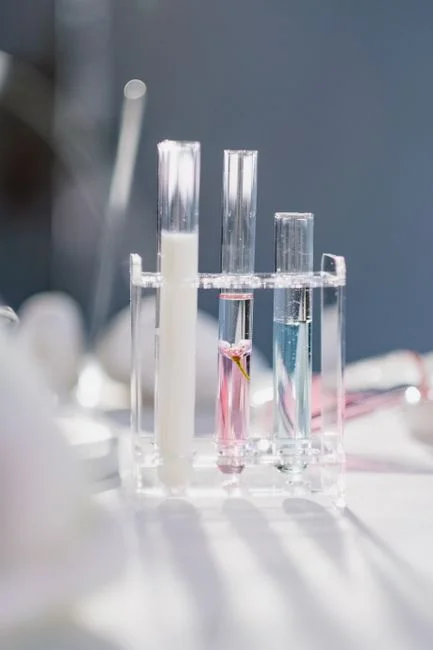
Buoyant floc is the precondition for the microbubble attachment step, and the chemistry program determines whether the DAF floats colloids or simply recirculates them. The research documents ferric chloride and aluminum sulfate as the two principal coagulants used in DAF feed dosing, with a flocculant added to conglomerate the destabilized particles into larger clusters that bubbles can lift. For confectionery streams, run jar tests on actual cook-water and CIP-water samples: sugar- and starch-dominant effluent favors a sweep-coagulation regime, while FOG- and cocoa-solid-dominant effluent often benefits from an emulsified-oil-breaking coagulant at slightly lower pH. Always inject and mix the coagulant (and pH adjuster if used) upstream of flocculant addition, then provide gentle mixing for floc growth — the Ecologix reference describes a triple-wrapped floctube assembly that increases contact time and improves system performance, and the same logic applies directly to candy streams. Document dose, pH, temperature and floc-size observations in the jar-test report; without these, the 2026 design cannot be defended during commissioning. An automatic chemical dosing system sized to the test-validated flow-paced setpoints removes operator variability and keeps the chemistry program auditable.
Sizing the DAF: hydraulic loading, flux loading, retention time
Three calculations determine DAF surface area and tank volume: hydraulic loading, retention time, and solids/flux loading. First, hydraulic loading: the Ecologix reference sizes retention time assuming a minimum velocity of 2 ft/s in the reaction zone to avoid solids settling — treat this as the lower-bound velocity check in the DAF inlet distributor and reaction zone. Second, retention time: Wikipedia states that circular DAFs require ~3 minutes and rectangular DAFs require 20–30 minutes, and the design must hold to whichever geometry is selected. Third, solids or flux loading: compute floatable solids flux (kg/m²·h) at the peak flow condition; lamella or parallel-plate packing can be installed inside the tank to increase effective separation surface, per Wikipedia. On geometry choice, circular units are compact with a spiral-scoop skimmer and shorter retention, while rectangular units offer longer residence, a simpler sludge path and easier retrofit into an existing cake-line or chocolate plant floor — present the trade-off to the plant owner and let the influent data decide. The saturator recycles a portion of clarified effluent through an air drum and a pressure-reduction valve at the tank inlet, releasing microbubbles at nucleation sites on floc particles; the recycle ratio is a design input the engineer must specify, and the research does not provide a confectionery-specific value. A packaged DAF system sized with these three calculations gives the buyer an auditable number to defend.
| Sizing input | Documented value or scope | Source |
|---|---|---|
| Minimum reaction-zone velocity | 2 ft/s (lower bound to avoid solids settling) | Ecologix (S2) |
| Retention time, circular DAF | ~3 minutes | Wikipedia (S3) |
| Retention time, rectangular DAF | 20–30 minutes | Wikipedia (S3) |
| Effective separation surface | Lamella/parallel-plate packing increases it | Wikipedia (S3) |
| Saturator recycle | Pressurized effluent through air drum and pressure-reduction valve at inlet; recycle ratio is an engineering input | Wikipedia (S3) |
| Candy-specific influent ranges | Not provided in research — must be sampled | — |
DAF design parameters at a glance
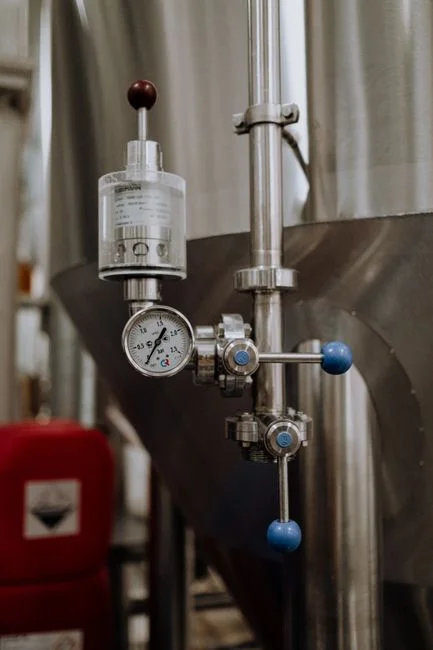
The table below consolidates the parameters an engineer needs in a single design-basis page or P&ID annotation. It only carries values the research supports; candy-specific influent numbers and a confectionery recycle ratio remain inputs the buyer has to generate.
| Parameter | Value or scope | Source |
|---|---|---|
| Geometry | Circular (compact, spiral-scoop skimmer) or rectangular (longer residence, simpler sludge path); optional lamella/parallel-plate packing to increase effective separation surface | Wikipedia (S3) |
| Retention time | ~3 min circular; 20–30 min rectangular | Wikipedia (S3) |
| Hydraulic-velocity lower bound | 2 ft/s minimum in reaction zone to prevent solids settling | Ecologix (S2) |
| Saturator / recycle | Pressurized recycle through air drum, depressurized through pressure-reduction valve at inlet distributor; recycle ratio is an engineering input | Wikipedia (S3) |
| Sludge removal | Countercurrent scraping to minimize effluent recontamination | Ecologix (S2) |
| Chemistry dosing point | Upstream of the DAF with mixing and contact time before saturator recycle joins the flow; triple-wrapped floctube increases contact time | Ecologix (S2), Wikipedia (S3) |
| Coagulant families | Ferric chloride or aluminum sulfate, plus a flocculant to conglomerate particles | Wikipedia (S3) |
Treatment train: where DAF sits and what comes after it
DAF is a primary stage, not a complete plant. The 2026-03 Preprints.org potato-chip processing (PCP) study describes a real DAF-led train: arc screen → lamella settler → DAF → SBR, with UASB as an anaerobic alternative upstream of the biological step — and the same sequence transfers to confectionery once DAF removes floatables, FOG and a portion of TSS. The cited PCP study reported a post-DAF stream dominated by suspended solids at an average TSS of 180 mg/L and COD of 292 mg/L, which sets the load the downstream biological stage must accept. After DAF, residual COD is normally polished biologically — typically a high-rate MBBR, SBR, or MBR for candy plants. Where space is constrained or reuse is targeted, an MBR downstream of DAF produces near-reuse-quality effluent at <1 μm filtration and is a documented 2026 option in the HydropureWater catalog as an MBR membrane bioreactor. For dissolved color or residual colloidal organics before discharge, an ultrafiltration or RO stage can be added; the catalog references ultrafiltration at 0.03 μm as the polishing step for colloidal and high-molecular-weight color bodies. Solids entering the train are protected by a rotary mechanical bar screen ahead of the lamella settler, matching the screening step the PCP study describes.
Commissioning and operating checklist for 2026
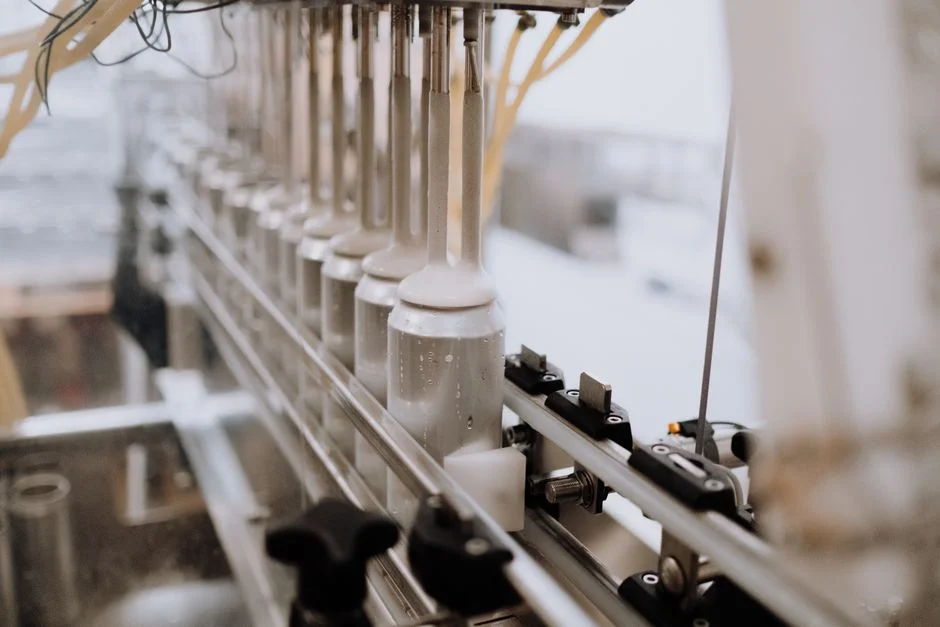
The final-mile checklist below identifies the parameters an engineer should confirm on-site after installation. Verify bubble size and density at the saturator outlet during cold, hot, and peak CIP flows: the research notes bubbles form at nucleation sites on particles, so a too-coarse bubble distribution indicates under-pressurization or a failing pressure-reduction valve. Confirm skimmer torque and float-layer depth across a full production shift that includes a cook-kettle dump event, and trend effluent TSS, FOG and COD against the influent peaks to validate the sizing assumptions the research could not provide numerically. Recalibrate chemical dosing on the first three production batches — the Ecologix triple-wrapped floctube design increases contact time and may permit dose reduction once the trend is stable. Set a maintenance interval for the air drum, recycle pump and pressure-reduction valve before permanent drift degrades microbubble formation, and review the broader decision context for the unit against the best DAF unit for industrial wastewater in 2026 framework so commissioning results feed back into the original design basis.
Frequently Asked Questions
What flow and loadings should I use to size a DAF for a candy plant?
Size the DAF on the peak hydraulic flow and the peak floatable-solids flux, not the 24-hour average. Confectionery CIP and cook-kettle events commonly produce several times the average flow and can momentarily double suspended solids; running the hydraulic and flux calculations on the average will undersize the unit. For each loading line, request a 24-hour composite plus targeted grab samples covering normal production, CIP, cook-kettle dumps and weekend shutdown, and carry the raw peak data into the design basis rather than borrowing a range from a different food sector.
When is a DAF the right choice over a lamella clarifier for confectionery wastewater?
Use DAF when the stream carries a high fraction of floatable and emulsified FOG, cocoa solids, or color/flavor additives that a gravity clarifier cannot lift reliably, and when the downstream biological stage needs a low-and-stable TSS and FOG feed. Lamella clarifiers still earn a place ahead of DAF as a coarse-solids and settleable-solids step, which is the role they play in the cited DAF-led treatment train. For a side-by-side of flotation options against gravity separators, the DAF vs IAF comparison and DAF vs API separator notes cover the geometry and FOG-removal trade-offs.
What should I verify before purchasing a 2026 DAF for a confectionery line?
Verify three things before signing: that the supplier's quoted flow range covers your measured peak, not your average; that the offered chemistry-injection train (coagulant and flocculant mixing, contact time, and dose-control resolution) matches the jar-test-validated setpoints; and that the lead time and the saturator/air-drum/pressure-reduction-valve spare-parts package are committed in writing so a commissioning slip does not turn into a wastewater permit issue. For a broader procurement framework, the