The Three Regulatory Layers a Pixley Plant Has to Hit
Layer 1 is the EPA National Pretreatment Program at 40 CFR 403, which sets the federal framework and defines two legal triggers the Central Valley Water Board inspector will cite: pass-through under 40 CFR 403.3(p) — a discharge that exits the POTW in concentrations that cause a violation of the receiving POTW's NPDES permit — and interference under 40 CFR 403.3(k) — a discharge that disrupts the POTW, its treatment processes, or its sludge handling (EPA NPDES Pretreatment Standards and Requirements — Local Limits, 2026).
Layer 2 is the F&B categorical subparts: 40 CFR 405 (Dairy Products), 406 (Grain Mills), 407 (Canned and Preserved Fruits and Vegetables), 408 (Canned and Preserved Seafood), and 409 (Meat Products); plants with co-located rendering or hide processing also fall under adjacent 40 CFR 410 (Tanning) (HydropureWater engineering reference, 2026). Layer 3 is the site-specific Tulare County POTW discharge permit, administered under California State Water Resources Control Board delegation through the Central Valley Water Board. Local limits can be stricter than the federal floor but never weaker, per 40 CFR 403.5 (EPA, 2026). In 2026 the practical reporting layer is the SCADA event log, the eDMR submission to the delegated POTW, and the state noncompliance portal — Connecticut's RCSA Section 22a-430 electronic noncompliance notification is the structural parallel that most delegated POTWs now expect as the default (HydropureWater, 2026).
For a Pixley cheese plant, the relevant subpart is 40 CFR 405, and the relevant local permit is the Tulare County POTW sewer use ordinance administered under the Central Valley Water Board's delegation of the State Water Resources Control Board's pretreatment authority. The defensible basis-of-design memo cites all three layers in a single table; the engineer's job is to show the worst-case number from each layer in the same column.
Six Parameters That Drive the Pixley Design Basis
Six parameters govern almost every F&B pretreatment design basis, ranked by how often they trigger a Notice of Violation at a Tulare County POTW: BOD/COD, TSS, FOG, total phosphorus, pH, and temperature (HydropureWater engineering reference, 2026). Raw wastewater from dairy and meat processing runs 1,000–10,000 mg/L BOD, with FOG concentrations reaching several thousand mg/L in fryer, rendering, and stickwater streams (HydropureWater, 2026). Total phosphorus in cereal, dairy, and meat wastewaters commonly falls between 10 and 100 mg/L as P, well above the ~1 mg/L ceiling that most delegated POTWs now apply at their headworks (HydropureWater, 2026). Temperature excursions above 40 °C from CIP and cooking operations are routine and can shut down downstream nitrification biology if not equalized (HydropureWater, 2026). CIP caustic and acid rinses drive pH swings that are the dominant reason equalization is non-negotiable: a fruit wash can leave the line at pH 3.5, the next CIP cycle can exit at pH 12 (HydropureWater, 2026).
| Parameter | Raw wastewater band (F&B) | Typical Tulare County POTW headworks ceiling (2026) | Unit process that targets it |
|---|---|---|---|
| BOD / COD | 1,000–10,000 mg/L (dairy, meat) | 250–500 mg/L BOD (local limit varies) | Biological (CAS or MBR) |
| TSS | Several hundred to several thousand mg/L | ~100 mg/L typical; 25–50 mg/L achievable | DAF + chemical precipitation |
| FOG | Several thousand mg/L (fryer, stickwater, whey) | ~100 mg/L typical; site-specific ceiling applies | DAF primary, biological polish |
| Total phosphorus | 10–100 mg/L as P | ~1 mg/L at headworks | Biological luxury uptake + chemical precipitation |
| pH | 3.5 (fruit wash) to 12 (CIP) | 6.0–9.0 standard range | Equalization + trim |
| Temperature | Routine excursions > 40 °C from CIP/cooking | ≤ 40 °C at POTW connection | Equalization / cooling |
Characterize all six before any equipment is sized; a 24-hour composite and a continuous pH/temperature log are the minimum data set a Central Valley Water Board reviewer will accept in the basis-of-design submittal.
The Defensible 2026 Pretreatment Train for a Pixley Plant
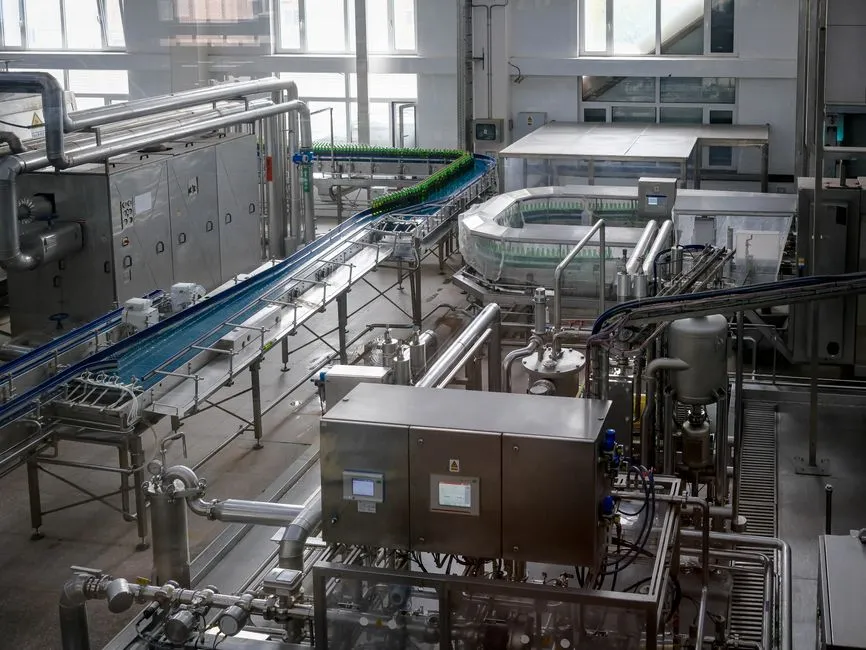
The defensible 2026 F&B pretreatment train for a Pixley plant runs screening → equalization → DAF → biological → chemical precipitation → disinfection, in that order, with each stage justified by a specific pollutant and a measurable performance band (HydropureWater, 2026).
Stage 1 — Screening: a HydropureWater GX-series rotary mechanical bar screen at 1–3 mm aperture protects downstream pumps and biological reactors from rags, plastics, and fibrous debris (HydropureWater, 2026). Stage 2 — Equalization: 6–24 h HRT absorbs a typical 4-hour CIP surge and damps pH and temperature swings before flow hits DAF or biology (HydropureWater, 2026). Stage 3 — DAF: surface loading 4–25 m/h, air-to-solids 0.005–0.02, recycle 20–40% of forward flow; effluent 25–50 mg/L O&G and 50–100 mg/L TSS (HydropureWater, 2026). Stage 4 — Biological: 8–24 h HRT CAS or 4–10 h HRT MBR; MLSS 3,000–5,000 mg/L CAS or 8,000–12,000 mg/L MBR; DO 1.5–2.5 mg/L for nitrification; a HydropureWater MBR system routinely delivers <30 mg/L BOD and <5 mg/L TSS (HydropureWater, 2026). Stage 5 — Chemical P precipitation: 50–250 mg/L alum or 30–150 mg/L ferric chloride delivered through a HydropureWater automatic chemical dosing system with PLC-proportional control; TP polish 0.5–1.0 mg/L and 10–20% chemical reduction versus manual feed (HydropureWater, 2026). Stage 6 — Disinfection: 0.1–0.5 mg/L ClO₂ residual from a HydropureWater chlorine dioxide generator, or UV where the permit disallows a chemical residual; final pH 6.0–9.0 (HydropureWater, 2026).
| Stage | Equipment | Design band | Effluent target |
|---|---|---|---|
| 1. Screening | GX-series rotary mechanical bar screen | 1–3 mm aperture | Rags, plastics, fibrous debris removed |
| 2. Equalization | EQ basin, 6–24 h HRT | Dampens 4-h CIP surge | pH 6.0–9.0; T < 40 °C |
| 3. DAF | Dissolved air flotation system | Surface loading 4–25 m/h; A/S 0.005–0.02; recycle 20–40% | O&G 25–50 mg/L; TSS 50–100 mg/L |
| 4. Biological | CAS or MBR | 8–24 h HRT (CAS) or 4–10 h HRT (MBR); MLSS 3,000–5,000 or 8,000–12,000 mg/L; DO 1.5–2.5 mg/L | BOD < 30 mg/L; TSS < 5 mg/L (MBR) |
| 5. Chemical P precipitation | Automatic chemical dosing system | Alum 50–250 mg/L or FeCl₃ 30–150 mg/L, PLC-proportional | TP 0.5–1.0 mg/L |
| 6. Disinfection | ClO₂ generator or UV | 0.1–0.5 mg/L ClO₂ residual | pH 6.0–9.0; coliform within permit |
DAF vs lamella decision rule: specify DAF when FOG or emulsified oils exceed ~200 mg/L or when the line is dairy, meat, or poultry; specify a lamella clarifier when TSS is the dominant parameter and the plant's priority is minimizing coagulant and polymer OPEX (HydropureWater, 2026). A Pixley cheese whey stream at 3,000 mg/L FOG sits well above that threshold, which is why DAF is the default Stage 3. For a peer comparison of the two technologies, see the discussion of DAF vs clarifier for F&B wastewater.
Worked Sizing Example: 3,000 mg/L FOG Cheese Whey Stream
Four numbers drive every equipment selection in a Pixley cheese or fluid milk basis-of-design memo: forward flow, peak-to-average ratio, raw BOD, and raw FOG (HydropureWater, 2026). A Tulare County cheese whey stream at ~3,000 mg/L FOG sits at the conservative end of DAF design: surface loading around 10–15 m/h, recycle 20–25%, air-to-solids near 0.01, and 4–6 hour DAF retention (HydropureWater, 2026). Raw BOD of 2,000–4,000 mg/L steers biological design toward 8–24 h HRT conventional activated sludge with 3,000–5,000 mg/L MLSS; raw BOD above 4,000 mg/L or a tight footprint usually justifies DAF plus MBR at 4–10 h HRT and 8,000–12,000 mg/L MLSS (HydropureWater, 2026). Chemical dose sizing for TP polishing should be planned against the receiving POTW headworks TP ceiling, not the categorical floor; verify the ceiling from the current permit before finalizing the alum or ferric chloride dose (HydropureWater, 2026). DAF skimmings combined with biological WAS dewater on a HydropureWater plate and frame filter press in the 1–500 m² area range to 22–28% dry matter — small enough to landfill or send to a digester without a second hauling contract (HydropureWater, 2026). Where additional solids polish is needed between precipitation and disinfection, a HydropureWater high-efficiency sedimentation tank at 20–40 m/h surface loading buys headroom without expanding the building footprint (HydropureWater, 2026).
The Central Valley Water Board reviewer will read the worked numbers as a unit, so the DAF retention, biological HRT, and chemical dose have to be presented on the same basis-of-design sheet. For plants that need an additional polish stage before the sewer, the high-efficiency sedimentation tank fits between chemical precipitation and disinfection; for the auto dosing for wastewater treatment dose-control logic that ties the chemical stage to forward flow, that engineering guide walks through the PLC trim.
Common Rejection Reasons at the Pixley-Area POTW Headworks
The five most common rejection reasons at the Tulare County POTW headworks map directly to specific unit-process weaknesses, and the corrective action is usually one stage upstream of where the violation shows up (HydropureWater, 2026). FOG pass-through points to under-dosed DAF coagulant or hydraulic overload on the flotation cell. pH excursions point to inadequate equalization or a failed trim loop. Hydraulic overload during a 4-hour CIP cycle points to an undersized EQ basin. Solids breakthrough on the TP limit points to poor flocculation control in chemical precipitation — residence time and mixing intensity are where the unit process is failing, not the chemistry. Temperature excursions above 40 °C at the POTW connection typically trace back to missing or undersized cooling/equalization upstream of biological treatment (HydropureWater, 2026).
On the sampling side, most F&B categorical permits require 24-hour composite sampling for BOD, TSS, FOG, and TP at frequencies ranging from monthly to quarterly, with continuous pH and flow monitoring for significant industrial users (HydropureWater, 2026). A passing sample is not enough; an unreported CIP excursion on a Saturday carries the same enforcement weight as a chronic violation. The composite sampler buyer's guide walks through the time-, flow-, and event-triggered modes the SCADA stack will need to push compliant event data into the state portal.
Frequently Asked Questions
What is the typical installed cost range for a 10–100 m³/h F&B pretreatment system in 2026?
Package DAF at the 10–100 m³/h scale typically runs in the low-to-mid five figures per m³/day of design flow; adding an MBR biological stage brings the installed cost to roughly 1.4–1.8× the DAF cost for a complete system (HydropureWater field data, 2026). Request a per-m³/day line-item quote that separates DAF, MBR, chemical dosing, and the dewatering skid before you compare proposals.
How long does it take to deliver and install a pretreatment train under an active NOV?
Temporary pretreatment bridges an 8–16 week permanent install when an NOV is active; a 70,000 gpd system has been delivered in 10 days on this kind of timeline (Mead & Hunt, 2024). Ask the supplier for a written delivery lead time keyed to your specific flow band, plus a separate install-duration estimate with milestones.
Do Pixley-area POTWs require electronic DMR submission in 2026?
Yes. The 2026 compliance stack is the SCADA event log, the eDMR submission to the delegated POTW, and the state noncompliance portal — Connecticut's RCSA Section 22a-430 is the structural parallel most delegated POTWs now expect as the default (HydropureWater, 2026). Confirm with the receiving POTW which portal it uses and the data format it expects before SCADA configuration is locked.
What is the headworks total-phosphorus ceiling most California delegated POTWs enforce in 2026?
Most delegated POTWs apply a headworks total-phosphorus ceiling near 1 mg/L as P, well below the 10–100 mg/L as P typical of raw cereal, dairy, and meat wastewater (HydropureWater, 2026). Verify the exact ceiling from the current permit before sizing the chemical dose; the dose band of 50–250 mg/L alum or 30–150 mg/L ferric chloride is sized against that ceiling, not the categorical floor.
Is a lamella clarifier an acceptable substitute for DAF in a dairy pretreatment train?
No — for a Pixley dairy or cheese plant, the decision rule specifies DAF when FOG or emulsified oils exceed ~200 mg/L or when the line is dairy, meat, or poultry, and a 3,000 mg/L FOG cheese whey stream sits well above that threshold (HydropureWater, 2026). A lamella clarifier is the right Stage 3 only when TSS is the dominant parameter and the plant's priority is minimizing coagulant and polymer OPEX.
Related Equipment
- HydropureWater DAF system — specifications, capacity range, and technical data
- HydropureWater MBR system — specifications, capacity range, and technical data
- HydropureWater automatic chemical dosing system — specifications, capacity range, and technical data
- HydropureWater GX-series rotary mechanical bar screen — specifications, capacity range, and technical data
- HydropureWater chlorine dioxide generator — specifications, capacity range, and technical data