
Why Fruit Juice Wastewater Is a Distinct DAF Design Problem
Fruit juice wash streams and concentrate spill lines generate an influent envelope that does not match the design assumptions used for dairy, meat, or oily refinery DAFs. Citrus campaigns and stone-fruit pits drive 3–5× the base BOD load for 6–10 weeks of the year, while BOD swings between 500 and 8,000 mg/L, TSS between 200 and 4,000 mg/L, and COD between 1,500 and 15,000 mg/L across a normal operating week (per the Canadian Journal of Civil Engineering wash-water characterization). The sugar fraction — sucrose, fructose, glucose from juice carryover — dominates the COD and remains fully dissolved after screening, which is the central reason a DAF-only specification fails. A second structural issue is pH: fruit acids hold the stream at 3.5–5.5, well outside the 6.5–7.5 sweet spot for aluminum-based coagulation, so the chemistry program requires selection rather than copying from a dairy datasheet. ClearWater's process guide is explicit that DAF does not remove dissolved organics such as sugars, and that biological or membrane polishing is mandatory on any high-organic industrial stream (ClearWater Industries, 2025). Treat that statement as the load-bearing rule for the rest of this article — for a fuller mechanism overview, see the DAF engineering specifications guide.
Core DAF Design Parameters for Juice Wastewater
The hydraulic and saturation parameters below are lifted from the HydropureWater 2026 engineering guide and adjusted to fruit juice envelopes. These values should be transcribed directly into a process datasheet and defended in a permit pre-application meeting.
| Parameter | Design range (juice wastewater) | Notes |
|---|---|---|
| Hydraulic loading rate | 15–25 m/h | Higher than oily waste streams because FOG is low and bubble-particle attachment is driven by fine pulp and colloidal sugar floc |
| Surface loading rate | 10–20 m/h | Match to hydraulic loading at the chosen tank footprint |
| Recycle ratio | 20–40% | Lower end on particulate-heavy citrus peel wash, higher end on clear juice spill |
| Hydraulic retention time | 20–40 min | Sufficient for floc-bubble contact without losing float stability |
| Air-to-solids ratio | 0.01–0.05 (dimensionless) | Tune upward for high TSS days |
| Saturator pressure | 3–6 bar | Per the HydropureWater 2026 design guide |
| Bubble size target | 20–100 μm | Micro-bubble band critical for colloidal sugar capture |
| Expected DAF-only removals | TSS 90–95%, BOD 40–60%, COD 30–50% | Rest is dissolved sugar and must be polished downstream |
| Upstream equalization | 4–8 h basin | Industry standard for absorbing citrus campaign peaks |
Juice streams tolerate a higher hydraulic loading than oily refinery or slaughterhouse streams because the carryover is low-FOG and high-colloidal. Bubble attachment is dominated by fine pulp and chemically conditioned sugar colloids rather than grease, so a tighter micro-bubble band (40–80 μm) outperforms the wider 20–100 μm envelope in jar tests on citrus wash-water. The equalization basin requires the same engineering attention as the DAF itself: a 4–8 hour buffer absorbs citrus campaign peaks and prevents the saturator from being overwhelmed on a high-TSS shift. For tank-sizing logic and a side-by-side comparison of equipment configurations, work through the best DAF unit selection framework.
Coagulant and Polymer Chemistry for High-Sugar, Low-pH Streams
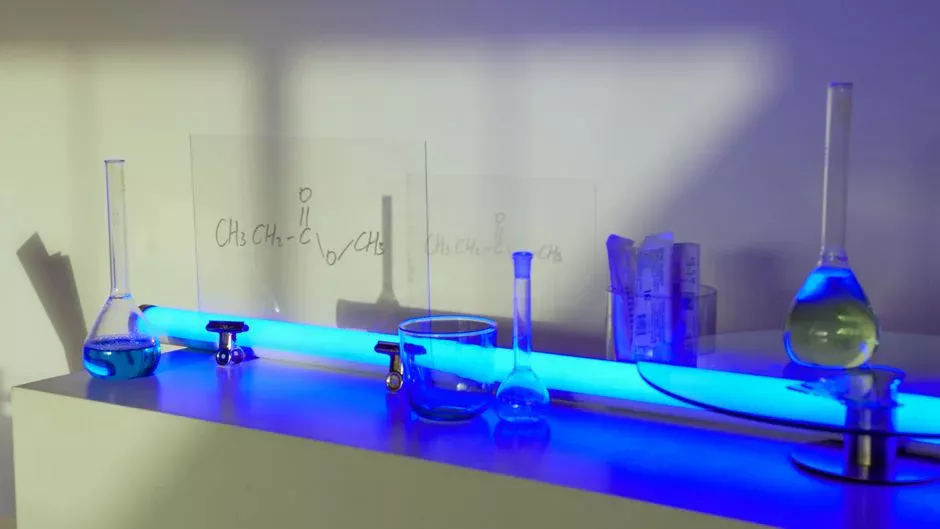
The single most common reason fruit juice DAFs underperform is a chemistry program carried over from dairy or municipal work. Below pH 5.5, aluminum hydrolysis collapses, dose windows widen unpredictably, and float quality deteriorates. Ferric chloride is the default for juice streams because it remains effective across pH 4–11, while aluminum sulfate is restricted to pH 6–8 and should be ruled out for fruit wash-water without jar-test evidence to the contrary. Cationic polymer at 1–5 mg/L is the standard floc aid to bind fine colloidal sugars and prevent carryover in the clarified stream. The USU Logan 2011 thesis documented 30 mg/L aluminum sulfate as a working alum dose for organic-laden wastewater — a useful pre-jar-test baseline (USU Digital Commons, 2011).
| Chemical | Effective pH window | Typical dose (juice stream) | Role |
|---|---|---|---|
| Ferric chloride (FeCl₃) | 4.0–11.0 | 50–150 mg/L | Primary coagulant, default for pH 3.5–5.5 juice streams |
| Aluminum sulfate (alum) | 6.0–8.0 | 30–100 mg/L | Unreliable below pH 5.5; only with confirmed jar-test support |
| Cationic polymer (CPAM) | 3.0–9.0 | 1–5 mg/L | Floc aid for colloidal sugars and fine pulp, prevents carryover |
| pH correction (NaOH or lime) | Raise to 5.5–6.5 for alum | Dose stream-specific | Stabilizes hydrolysis band when switching coagulants |
Correct chemical dosing is essential for maintaining process stability. Run a 5×3 jar-test matrix — five coagulant doses crossed with three polymer doses — on actual juice wash-water at peak and base load before ordering equipment. Polymer carryover into the downstream biological stage is a failure mode: overdosing CPAM past 5 mg/L can suppress MBBR biomass activity, so the chosen operating point should sit at the low end of the dose-response curve. Consistent feed requires an automatic chemical dosing skid tied to flow-proportional control.
Positioning DAF in a Complete Juice Wastewater Treatment Train
DAF is pretreatment, not a complete solution, for any juice stream with BOD above 2,000 mg/L. The defensible train for a fruit juice concentrate plant runs: a 2–6 mm rotary bar screen upstream of the DAF for peel and pit removal, then the 4–8 hour equalization basin, then the DAF, then an MBR downstream of the DAF (or MBBR for larger flows with lower reuse targets), then UV or ClO₂ disinfection, and finally either discharge or an RO polish for reuse. The MBBR or MBR stage removes the dissolved sugar load that DAF cannot touch; MBR effluent typically lands below 50 mg/L BOD and 10 mg/L TSS, which is the cleanest hand-off to an RO polish for plants targeting water reuse (HydropureWater 2026 reuse design notes). ClearWater's guidance reinforces this sequencing: a DAF unit should be evaluated as a pre-treatment stage, with the rest of the train sized to meet final discharge or reuse limits (ClearWater Industries, 2025). For disinfection selection — UV versus chlorine dioxide — the UV sterilizer option is preferred on juice streams because residual sugar and fruit-acid carryover can drive trihalomethane formation under chlorination.
Sludge Handling and OPEX Considerations for Juice DAFs
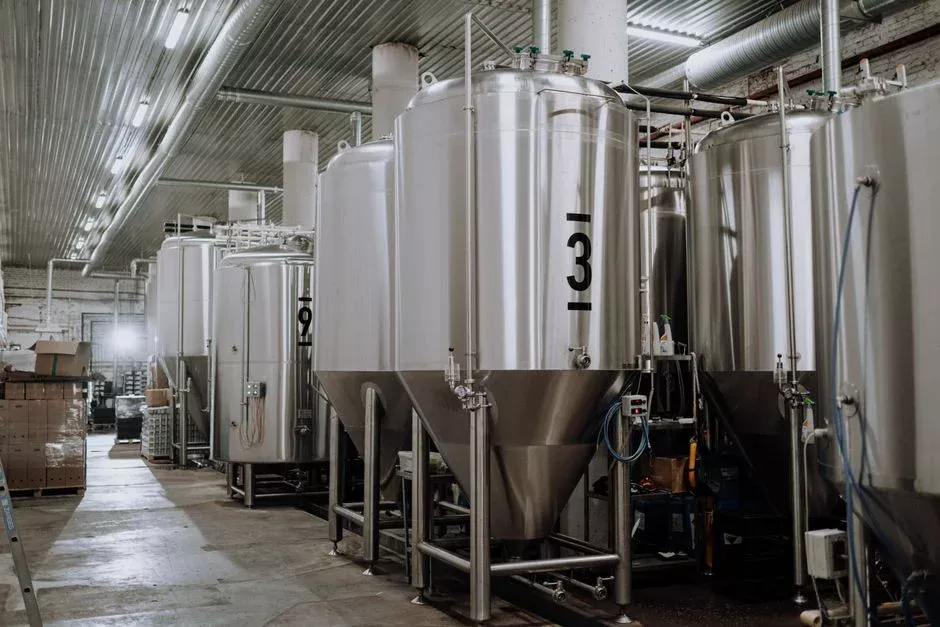
DAFs produce 5–10% more dry solids than an equivalent lamella clarifier on the same juice stream, because the floated layer captures colloidal sugar and fine pulp that a clarifier would discharge in the overflow (HydropureWater 2026 comparison data). DAF float solids typically land at 3–6% dry solids — thick enough to feed a press directly, but not thick enough to landfill without dewatering. Plan a sludge dewatering press or screw thickener sized for the citrus campaign peak, not the annual average, because the 6–10 week peak will define the worst-case cake production rate. The operating-cost split is dominated by chemicals (40–50%) and electricity (30–40%, driven by the saturator compressor and recycle pump), with labor and sludge disposal making up the balance (HydropureWater 2026 OPEX guide). Skid-mounted polymer make-down units and VFD-driven saturator compressors are the two highest-yield OPEX reduction moves at the design stage.
Cost, Supplier Selection, and Common Design Mistakes
Industrial DAF capital cost for a juice plant sits in the USD 80,000–500,000+ band, with annual OpEx in the USD 20,000–150,000 range, depending on flow and chemistry skids (HydropureWater 2026 buyer's guide). Juice-specific sizing lands mid-to-upper because of the equalization basin, the dual coagulant/polymer skid, and the sludge dewatering line. For detailed unit economics, the DAF plant OPEX breakdown provides a line-by-line model. Three design mistakes recur in failed juice DAF installations: under-sized equalization that lets campaign peaks slam the saturator, alum selected for a pH 4.5 stream without jar-test evidence, and a DAF specified as a stand-alone treatment step with no downstream biological stage. Walk into a vendor meeting with a scorecard: removal guarantees in writing, integrated polymer system, willingness to support on-site jar testing, and post-commissioning recalibration support. The HydropureWater DAF system range covers 4–300 m³/h across 13 standard models, which frames the equipment-scale conversation for a juice plant between 50 and 500 m³/day.
Frequently Asked Questions
What removal efficiency should be specified for a DAF on fruit juice wastewater?
A properly sized DAF with ferric chloride and cationic polymer chemistry delivers 90–95% TSS removal, 40–60% BOD reduction, and 30–50% COD reduction on juice wash-water. Remaining load is dissolved sugar and must be removed by a downstream MBBR or MBR.
What hydraulic loading rate is appropriate for a juice-plant DAF?
Specify 15–25 m/h with 20–40% recycle and 20–40 minutes hydraulic retention time. A 4–8 hour equalization basin upstream is standard to absorb citrus campaign peaks and stabilize saturator demand.
Which coagulant works best in a low-pH, high-sugar juice stream?
Ferric chloride at 50–150 mg/L is the default for pH 3.5–5.5 streams. Aluminum sulfate is unreliable below pH 5.5 unless jar tests confirm performance. Pair the coagulant with 1–5 mg/L cationic polymer as a floc aid.
Is DAF alone sufficient to meet NPDES or POTW discharge limits for a juice processor?
No. DAF removes suspended solids and a fraction of colloidal BOD, but the dissolved sugar load passes through. A complete train — DAF followed by MBBR or MBR, then UV or ClO₂ disinfection — is required to meet typical BOD <30 mg/L and TSS <30 mg/L discharge limits.