
Why Albany Chemical Plants Are Re-evaluating Primary Separation in 2026
Albany POTW's surcharge schedule now penalizes FOG above 100 mg/L and several metals at single-digit mg/L thresholds, and NYSDEC SPDES permits for Capital Region chemical plants discharging to the Hudson are tightening in parallel through 2026 renewals (HydropureWater 2025 surcharge pattern, applied to a NYSDEC SPDES context). The Albany, NY chemical corridor, including specialty chemical, pharmaceutical, ag-chem, and plastics-additives facilities, runs on batch acid/alkaline cleaning cycles that drive pH swings from 2 to 12 and push total dissolved solids routinely above 5,000 mg/L in equalization (HydropureWater 2025). Emulsified oils and FOG from reactor washdowns, CIP lines, and bulk-ingredient transfer stay stable for hours in that equalization basin, so the traditional "settle and forget" gravity basin is now the single most expensive piece of equipment on a chemical plant's mass balance — a $30,000–$80,000/year surcharge line item before fines are counted (HydropureWater 2025).
The question for a 2026 CAPEX memo is not whether to act — the surcharges have already decided that — but which technology to put ahead of the secondary polishing step. The choice is influent-driven, not vendor-driven. Equalization and pH trim upstream of either separator remain non-negotiable on mixed acid/alkaline cleaning streams, because a polymer program on a pH-unstable feed will underperform regardless of how good the downstream hardware is (HydropureWater 2025). Beyond the petroleum-stream DAF-vs-clarifier comparison for Shreveport, the Albany case is a tighter squeeze: smaller flow, harder chemistry, stricter POTW surcharge grid.
How a DAF System Actually Works Inside a Chemical Plant
DAF (dissolved air flotation) is a four-stage active separation process: coagulation and flocculation of the target contaminant, dissolution of air into a pressurized recycle stream, release of that air as micro-bubbles in the flotation cell, and mechanical skimming of the resulting float (HydropureWater 2025). In a DAF, the recycle side-stream is pressurized to 4–6 bar and reaches 85–95% air saturation efficiency before being released through a backpressure valve into the flotation tank, where it comes out of solution as 30–50 µm micro-bubbles (HydropureWater 2025; Supracell DAF engineering data, 2022). Those bubbles attach to flocculated oil droplets, FOG globules, and low-density suspended solids, lifting them to the surface where a flight skimmer sweeps the float into a sludge trough.
Independent operating data anchor the parameter range. A Supracell DAF clarifier runs at about 3 minutes of hydraulic retention with a 4–5 GPM/sqft clarification capacity, an effluent TSS of 20–30 mg/L, and a thickened sludge consistency of 2–3% — with no further sludge thickening required (Lenox Institute / Krofta Engineering, 2022). DAF Corp's FC Maximizer cross-checks that envelope with a 92–98% TSS removal range on the round-tank "zero-velocity" geometry and a 20–40 µm bubble specification from its Micro Bubbler generator (DAF Corp, 2025). The dissolved air flotation system covers 4–300 m³/h across 13 standard models with 304SS, FRP, or concrete-plus-linings materials of construction, so a mid-sized Albany plant can size to actual peak hourly flow rather than average daily flow.
How a Clarifier Works — Conventional vs Lamella
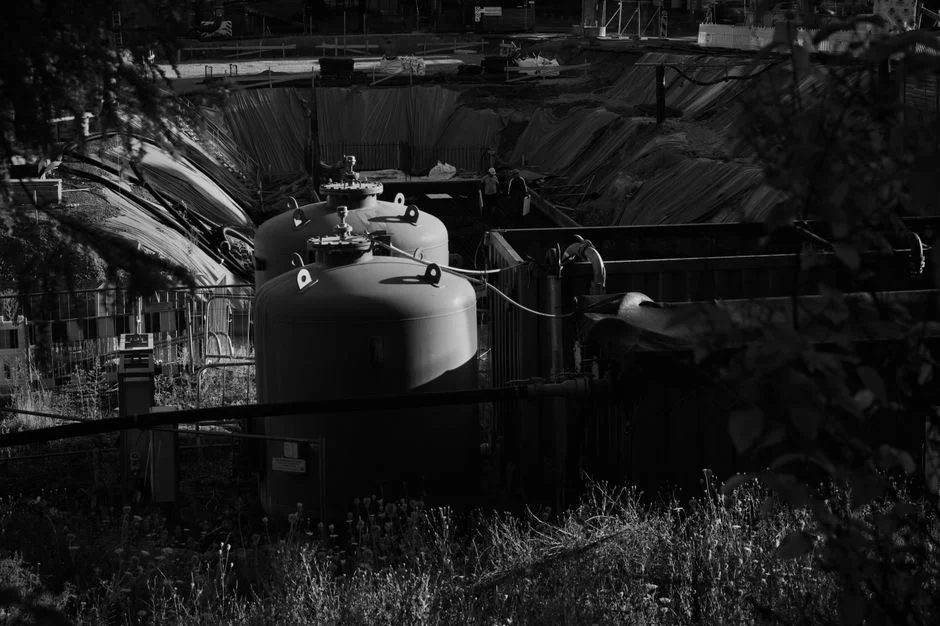
A conventional clarifier is a passive vessel: water enters a large quiescent tank, settleable solids drop under gravity to a sludge hopper, and clarified water overflows a peripheral launder. Typical design values are 2–4 hours of retention at 1–3 m/h hydraulic surface loading, with concrete basin construction plus 304SS scrapers (HydropureWater 2025). For an Albany chemical plant with emulsified FOG at 150 mg/L and a TDS of 6,000 mg/L, a conventional clarifier is the wrong tool — the oil doesn't settle, the residence time is wasted tankage, and the underflow comes out at 1–2% solids, which is wet, expensive to haul, and slow to dewater downstream.
A lamella clarifier — parallel inclined plates at 55–60° — shortens the effective settling path so heavy settleables drop out over a fraction of the footprint. The HydropureWater high-efficiency sedimentation tank is rated for 20–40 m/h surface loading with up to 30% lower coagulant consumption than a conventional basin (HydropureWater 2025). The trade-off is civil: lamella packs need a deeper concrete basin or a taller steel structure, and clarifier underflow is 1–2% solids versus 3–5% for DAF float — a single percentage point that drives downstream dewatering polymer dose and cycle time. For inorganic-dominated streams — metal-hydroxide precipitates, calcium sulfate slurry, catalyst fines, grit — lamella remains a strong fit; for FOG and emulsified oils, it is not.
DAF vs Clarifier: Head-to-Head Parameter Table for 2026
The table below is the artifact to copy into a 2026 evaluation memo. DAF values reflect the DAF platform and Supracell field data; lamella values reflect the HydropureWater high-efficiency sedimentation tank specification; conventional-clarifier values are typical gravity-basin practice. Color-code the columns against your site's influent thresholds to expose which technology matches your stream (HydropureWater 2025; Lenox Institute / Krofta Engineering, 2022; DAF Corp, 2025).
| Parameter | DAF (HydropureWater / FC Maximizer) | Lamella Clarifier | Conventional Gravity Clarifier |
|---|---|---|---|
| Hydraulic surface loading | 5–15 m/h | 20–40 m/h | 1–3 m/h |
| Retention time | 20–40 min (3–6 min for Supracell zero-velocity) | 30–60 min | 2–4 h |
| Footprint ratio (vs conventional) | 20–25% | 50–80% | 100% (baseline) |
| TSS removal efficiency | 85–98% | 50–80% | 40–70% |
| Effluent TSS | 20–30 mg/L | 50–100 mg/L | 80–150 mg/L |
| Float / underflow solids | 3–5% | 1–2% | 1–2% |
| Polymer dose | 0.5–5 mg/L | 2–10 mg/L (up to 30% less than conventional) | 3–14 mg/L |
| Energy use | 0.2–0.5 kWh/m³ | 0.05–0.15 kWh/m³ | 0.05–0.15 kWh/m³ |
| CAPEX (4–300 m³/h) | $50,000–$500,000 | $60,000–$600,000 (heavy civil) | $80,000–$800,000+ (heavy civil) |
| Materials of construction | 304SS / FRP / concrete + linings | 304SS plates, concrete basin | Concrete + coating, 304SS scrapers |
Footnote: Values are typical 2026 planning ranges drawn from DAF platform data (HydropureWater 2025), Supracell DAF installations (Lenox Institute, 2022), and FC Maximizer specifications (DAF Corp, 2025). Site-specific influent testing must verify the operating point before PO release.
Which Influent Pushes You Toward DAF vs Clarifier
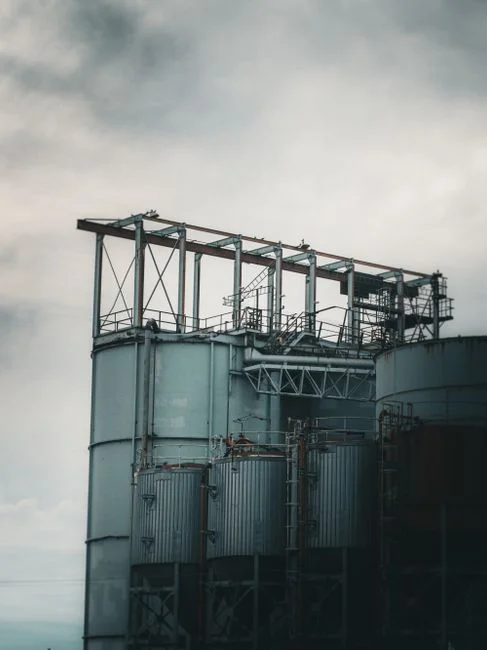
Choose DAF when any of these apply to your stream: emulsified oils above 50 mg/L, FOG above 100 mg/L, low-density suspended solids, batch discharges with rapid pH swings, or a footprint-constrained brownfield site where the clarifier's 1–3 m/h loading would consume tankage you don't have (HydropureWater 2025). The Hudson River discharge context is also relevant: Lower Hudson dissolved-oxygen and oil-and-grease criteria are tighter than inland industrial baselines, and DAF's 20–30 mg/L effluent TSS leaves more headroom for the biological polishing step than a clarifier's 80–150 mg/L.
Choose a lamella or conventional clarifier when the stream is dominated by heavy inorganic settleables — metal-hydroxide precipitates from pH-neutralization, calcium sulfate slurry, catalyst fines, or grit — and influent temperature is relatively stable (HydropureWater 2025). On high-TDS chemical streams, run jar tests for every shift in the wastewater profile before specifying a polymer; the wrong charge on a 6,000 mg/L TDS stream produces cloudy effluent and wasted chemical spend (HydropureWater 2025). For mixed streams, the cleanest answer is a parallel pilot: route one side of the equalized flow through a DAF pilot, the other through a lamella pilot, and compare float versus underflow solids on a downstream plate and frame filter press — the dewatering differential usually decides the technology choice before CAPEX does.
CAPEX, OPEX and the Albany Payback Math
Industrial DAF units in the 4–300 m³/h envelope — the same range as the DAF line — land at $50,000–$500,000 depending on materials of construction (SS304 standard, SS316 or polypropylene upgrades for chloride or solvent exposure) and PLC automation scope (HydropureWater 2025). A lamella clarifier is generally 20–40% cheaper on initial capital than an equivalent-flow DAF, with up to 30% lower coagulant consumption per the HydropureWater lamella specification, but the trade-off is heavier civil work — a deeper concrete basin or a taller steel structure to hold the inclined plate pack (HydropureWater 2025).
OPEX for DAF is driven by three line items: polymer at 0.5–5 mg/L, energy at 0.2–0.5 kWh/m³ (mostly the recycle pump and air compressor), and routine maintenance on the skimmer flight and saturation tank (HydropureWater 2025). The line item that flips the math is the disposal offset: DAF float at 3–5% solids means 50–70% less hauled waste than a clarifier's 1–2% underflow, which saves a mid-sized Albany plant $40,000+ per year in disposal fees alone (HydropureWater 2025). Apply the ROI formula: (Annual Disposal Savings + Reduced Compliance Fines − Annual OPEX) / CAPEX = Payback in Years. With Albany FOG surcharges at $30,000–$80,000 per year and the disposal offset above, the numerator often clears $70,000–$120,000 and payback lands inside 2 years (HydropureWater 2025). A downstream plate and frame filter press lifts DAF float to 25–35% cake solids at 98% total solids removal, compounding the OPEX recovery through every ton of waste that doesn't go to a hauler. For the sludge-side economics that follow this primary separator decision, the sludge thickener energy and ROI comparison covers the next stage of the mass balance.
Upstream and Downstream Systems That Decide the Outcome
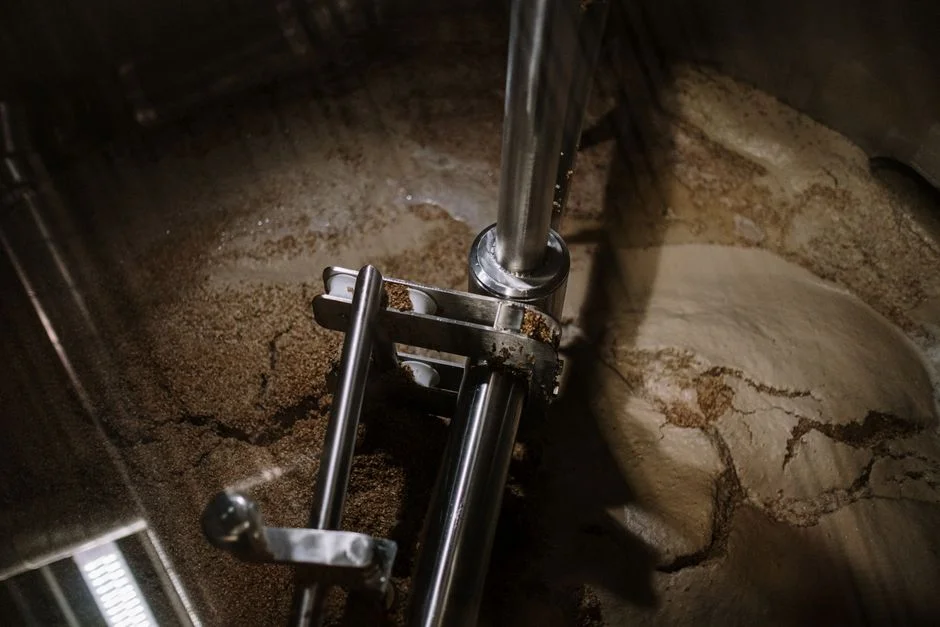
Either separator underperforms when its supporting systems are underspecified. Three points decide the outcome on an Albany chemical line. First, install a rotary mechanical bar screen upstream — bar screening at 2–6 mm aperture protects DAF nozzles and recycle pumps from rag, pallet fragments, and catalyst carriers that routinely appear in batch-discharged chemical streams (HydropureWater 2025). Second, run a jar-test program for every shift in the wastewater profile; the wrong polymer charge on a high-TDS stream produces cloudy effluent and wasted spend, which is why a programmable automatic polymer dosing skid pays back faster on chemical-plant influent than on municipal streams (HydropureWater 2025).
Third, plan the dewatering side of the mass balance before signing the separator PO. A DAF float at 3–5% solids feeds a plate and frame filter press directly and reaches 25–35% cake solids at 98% total solids removal. A clarifier underflow at 1–2% demands longer press cycles and 30–50% more polymer per dry ton (HydropureWater 2025). For Albany sites where footprint and discharge quality both matter, a hybrid architecture — lamella for bulk metal-hydroxide removal upstream, DAF as a polish step for residual FOG and emulsified oil — is increasingly common, and the parameter ranges in the table above stack additively when the two are sized in series. This is the architecture the Indiana-market guides do not address, and it is where Capital Region chemical plants running mixed acid/alkaline cleaning plus pH-neutralization are landing in 2026 specifications.
Vendor Proposal Checklist Before You Sign the PO
Run this list against every bid before releasing a purchase order. Require pilot or jar-test data on the actual influent, not a generic removal curve — site-specific verification is the single most common line of defense in a 2026 NYSDEC SPDES renewal. Confirm materials of construction for the chemical stream: SS304 is standard, but chloride-bearing or solvent exposure pushes the spec to SS316 or polypropylene (HydropureWater 2025). Specify PLC automation level, remote monitoring, and skimmer / saturation-tank maintenance access in the proposal — not as change orders later. Ask for a guaranteed float-solids percentage and a cake-solids guarantee on the downstream filter press, not just a TSS removal number; the float-solids line drives the disposal-offset math in the ROI section above (HydropureWater 2025).
For procurement due-diligence, the Supracell DAF platform has 1,000+ installations globally and documented 85% TSS removal at 3–6 minutes retention with 20–30 mg/L effluent (Lenox Institute / Krofta Engineering, 2022), and the FC Maximizer has documented 92–98% TSS removal with a 20–40 µm Micro Bubbler specification (DAF Corp, 2025). Use those as reference points when a vendor's cut sheet claims a number outside the published envelope. For a comparable Capital Region chemical-stream procurement lens on the same equipment class, the New Albany chemicals wastewater 2026 guide covers the same parameter ranges from an Ohio River corridor perspective; pair the two when benchmarking vendor proposals.
Frequently Asked Questions
When should an Albany chemical plant choose DAF over a clarifier?
Choose DAF when influent carries emulsified oils above 50 mg/L, FOG above 100 mg/L, or low-density suspended solids — streams where gravity settling is physically inefficient. A dissolved air flotation system delivers 92–97% TSS removal at 5–15 m/h versus 1–3 m/h for a clarifier, with a footprint only 20–25% of an equivalent conventional basin (HydropureWater 2025).
What is the typical CAPEX for an industrial DAF in 2026?
For units in the 4–300 m³/h envelope, CAPEX typically lands between $50,000 and $500,000 depending on materials of construction (SS304 standard, SS316 or polypropylene upgrades) and the level of PLC automation (HydropureWater 2025). A lamella clarifier runs 20–40% cheaper on initial capital but adds heavy civil cost.
How much polymer does a DAF use on chemical wastewater?
DAF pretreatment typically requires 0.5–5 mg/L of cationic or anionic polymer, depending on influent TSS, FOG, and TDS. The polymer program must be jar-tested per stream — wrong charge on a high-TDS chemical influent produces cloudy effluent and wasted spend (HydropureWater 2025).
Can a DAF and a lamella clarifier be used together?
Yes. A common hybrid is a lamella upstream for bulk metal-hydroxide removal followed by a DAF polish for residual FOG and emulsified oil. The two stack additively, with the DAF protecting the biological step from oil breakthrough and the lamella reducing the suspended load the DAF has to lift (HydropureWater 2025).
How long does a DAF unit take to install on an existing site?
Typical 8–16 weeks from PO to commissioning, depending on automation scope, materials of construction, and whether the unit is skid-mounted (faster) or field-erected (longer). The DAF line spans 4–300 m³/h across 13 standard models, so most Albany chemical-plant flow rates fall inside a pre-engineered footprint (HydropureWater 2025).
Related Equipment
- Dissolved air flotation system — specifications, capacity range, and technical data