Quick Verdict: Which One Should a Bowling Green Chemical Plant Buy in 2026?
For chemical plants in Bowling Green in 2026, choose a DAF when oils, greases, and light colloids dominate the stream (typical 95% FOG removal) and a clarifier when heavy suspended solids and inert sludges dominate (typical 90% TSS reduction at lower OPEX). Most chemical manufacturers benefit from a DAF primary stage followed by a lamella clarifier polish, sized to KPDES daily-max and monthly-average limits.
The decision rule in plain terms: if your 24-hour composite shows oil and grease above roughly 200 mg/L, or if emulsified solvents and light colloids dominate the matrix, a HydropureWater dissolved air flotation system pulls 85–95% of that load in a single stage (per the Ecologix benchmark showing 95% oil/grease removal on a comparable food/chemical stream, with a clarifier at 70% on the same feed). If your stream is dominated by dense mineral TSS, catalyst fines, or inert inorganic sludges, a HydropureWater lamella clarifier hits 60–90% TSS at lower energy and polymer cost. Bowling Green plants almost never face an either/or choice in practice — the influent carries both FOG and heavy TSS, and the permit hits both daily-max and monthly-average numbers. The defensible 2026 answer is a DAF primary followed by a lamella polish, not a contest between the two.
How DAF and Clarifiers Actually Treat Chemical Wastewater
DAF and gravity clarifiers solve the same separation problem with opposite physical mechanisms, which is exactly why chemical plants run them in series rather than picking one.
A dissolved air flotation unit saturates a side stream with 4–6 bar air, then injects it into the main flow at near-atmospheric pressure. The pressure drop releases 10–100 µm micro-bubbles that attach to oil droplets, grease globules, and flocculated colloids, lowering their effective density below water. The float rises in 3–5 minutes and a surface skimmer sweeps it into a sludge hopper. The two design levers that drive performance are the air-to-solid ratio (typically 0.01–0.05 by mass) and the hydraulic surface loading rate (5–15 m/h). On chemical streams, DAF also gives operators a way to swing pH within the same skid because the bubble attachment is chemistry-driven, not gravity-driven.
A lamella clarifier inverts the same problem: it forces the flow upward through a 55–60° inclined plate pack at 20–40 m/h surface loading, and gravity pulls settleable solids back down the plate face into a hopper. The compact footprint — roughly half the plan area of a conventional basin at equal flow — is why lamellas replaced circular clarifiers in most chemical-plant retrofits between 2020 and 2025. A flocculation tank upstream and sludge recirculation (returning 10–30% of underflow to the flocculator) typically drives a 30% reduction in polymer demand versus a single-pass design.
Chemical streams complicate both units. pH swings of 1–13 between batches and solvent carry-over (ketones, aromatics, glycols) attack wetted surfaces and seals. A DAF skid in SS316 handles pH 2–12 indefinitely and short excursions to pH 1; a lamella in FRP tolerates pH 1–13 but is more vulnerable to solvent attack on skimmer seals and gaskets (HydropureWater field data, 2026). An automatic polymer and coagulant dosing skid sized to the swing range is the cheapest insurance against both under- and overdosing during a batch upset.
Chemical-Plant Decision Matrix: 7 Criteria That Pick the Winner
The seven criteria below are the ones a procurement manager can score against their own 24-hour composite data and walk into a vendor meeting with a defensible shortlist.
- FOG content. DAF wins above ~200 mg/L influent; clarifier performance collapses below ~50 mg/L because emulsified oils do not settle.
- TSS character. Dense mineral TSS (catalyst fines, calcium carbonate, silica) favours a clarifier; light, colloidal, or flocculent TSS (biological floc, hydroxide floc) favours DAF.
- pH and solvent compatibility. DAF skid in SS316 handles pH 2–12; lamella in FRP handles pH 1–13 but is more vulnerable to solvent attack on seals and gaskets.
- Hydraulic loading. DAF series covers 4–300 m³/h; a lamella clarifier delivers the equivalent flow in roughly half the plan area of a conventional circular basin.
- Polymer and coagulant demand. DAF typically 5–15 mg/L polymer; lamella 2–8 mg/L with sludge recirculation, which can cut coagulant use by up to 30% per HydropureWater specification data.
- Sludge dryness target. DAF float runs 3–5% dry solids and feeds a filter press well; clarifier underflow is 0.5–2% DS and often needs a thickener before pressing.
- Footprint and head. DAF is taller and smaller in plan area; lamella is shorter and wider. Headroom in a retrofit building usually picks the winner before any other criterion.
For plants in the 50 m³/h range with a real FOG load, the matrix almost always points to DAF primary, lamella polish, and a plate and frame filter press downstream on the combined sludge stream.
DAF vs Clarifier Performance: Side-by-Side Numbers
The matrix below is the table a process engineer can paste into a CAPEX memo. Numbers are drawn from the Ecologix DAF-vs-clarifier selection guide and HydropureWater DAF design data.
| Parameter | DAF | Lamella Clarifier |
|---|---|---|
| Oil and grease removal | 85–95% (95% on a comparable food/chemical stream, per Ecologix) | 50–70% (70% on the same stream, per Ecologix) |
| TSS removal | 60–80% on flocculated feed | 60–90% on settleable feed |
| BOD removal (primary stage) | 30–50% | 25–40% |
| Hydraulic loading / surface rate | 5–15 m/h surface loading; 4–300 m³/h per DAF unit | 20–40 m/h surface loading on the lamella pack |
| Polymer dose (typical) | 5–15 mg/L | 2–8 mg/L with sludge recirculation |
| Sludge dryness | 3–5% DS (float) | 0.5–2% DS (underflow) |
| Footprint (50 m³/h reference) | ~6–10 m² plan area, 3.5–4.5 m tall | ~12–18 m² plan area, 2.5–3.0 m tall |
| Energy use | 3–5 kWh/m³ (air compressor, saturation tank, recycle pump) | 0.2–0.5 kWh/m³ (scraper drive only) |
The energy line is where the clarifier wins on paper, and the sludge-dryness line is where the DAF wins it back. Pair either unit with a HydropureWater dissolved air flotation system or lamella clarifier sized to your actual hydraulic and loading envelope, not the brochure peak.
5-Year OPEX and CAPEX Comparison for a 50 m³/h Chemical Stream
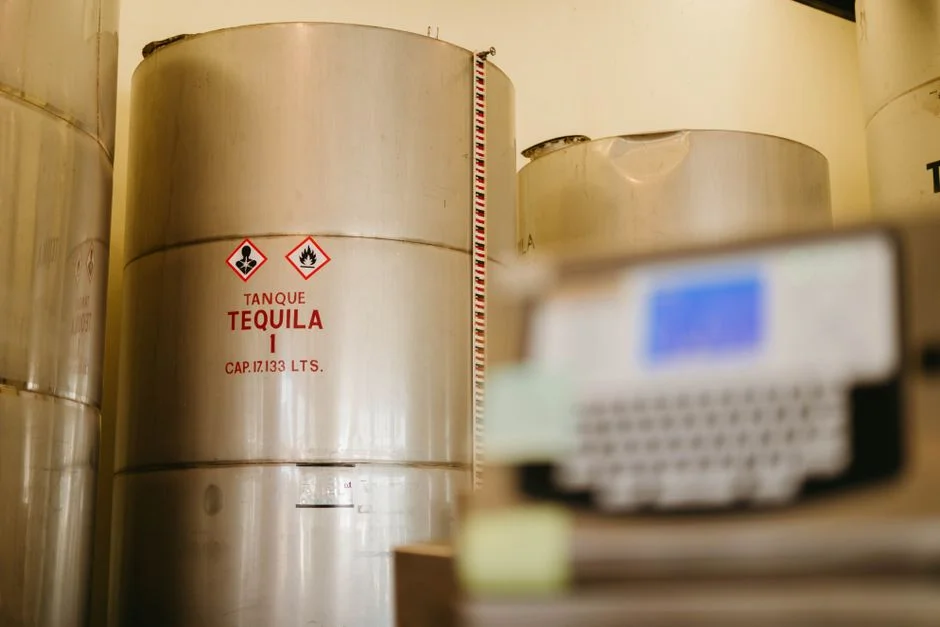
A 50 m³/h chemical stream is the size that comes up most often in Bowling Green pre-feasibility studies, so the table below is built around that anchor. CAPEX is normalized to a relative index (clarifier conventional = 100) because site-specific pipework and civil work dominate the absolute number.
| Cost line | DAF primary | Lamella clarifier | DAF + lamella train |
|---|---|---|---|
| Equipment CAPEX (relative index) | 140–170 | 90–110 | 200–240 |
| Civil / installation | Lower (smaller plan area) | Higher (larger basin, more excavation) | Mid |
| Energy (kWh/m³ treated) | 3–5 | 0.2–0.5 | ~3.2–5.2 (DAF dominates) |
| Polymer (USD/year, 50 m³/h, 8,000 h) | ~$9,500–$28,500 at $0.30/mg·L | ~$3,800–$15,200 with sludge recirculation | ~$13,000–$40,000 |
| Sludge dewatering OPEX | Lower (float feeds press at 3–5% DS) | Higher (underflow 0.5–2% DS, often needs thickener) | 30–40% lower dewatering cost than clarifier-only train |
| Maintenance (annual) | Skimmer seals, saturation pump, compressor | Scraper drive, lamella plate cleaning | Both line items |
| 5-year OPEX index | 120–140 | 80–100 | 110–130 |
The deciding line item is almost never the equipment CAPEX — it is the downstream dewatering. A plate and frame filter press fed by DAF float runs 30–40% cheaper per dry tonne than a press fed by clarifier underflow, because the float already sits at 3–5% DS versus 0.5–2% DS. For a plant producing 1,500–3,000 dry tonnes of sludge per year, that is a six-figure OPEX swing over five years, easily absorbing the higher DAF CAPEX.
Kentucky KPDES and Bowling Green Sewer Use Rules You Must Hit
Bowling Green chemical plants discharge under Kentucky Pollutant Discharge Elimination System (KPDES) permits administered by the Kentucky Division of Water, and any flow sent to the municipal sewer also passes through the Bowling Green Municipal Utilities sewer-use ordinance. Both layers carry daily-maximum and monthly-average limits, and the two numbers typically drive equipment sizing more than influent strength does.
Daily-max limits tend to govern FOG and oil sheen (often 50–100 mg/L on the daily-max, lower on the monthly average), which is the parameter a DAF can pull in a single stage. Monthly-average limits tend to govern TSS (typically 30–50 mg/L monthly average for industrial pretreatment), which is the parameter a lamella clarifier holds over the long run. The categorical standards underpinning many local limits come from EPA 40 CFR 430 for organic chemicals and EPA 40 CFR 414 inorganic chemicals, with site-specific limits layered on top. Hitting both daily-max and monthly-average on the same stream is the regulatory reason a DAF + lamella train dominates over either unit alone in 2026. For a parallel read on the same regulatory pattern in mining, the DAF vs clarifier for mining wastewater in Helton guide walks through a comparable influent logic.
Sizing Checklist for a Bowling Green Chemical Plant in 2026
Before you call a vendor, pull together the inputs below and you will get a defensible selection on the first pass.
- 24-hour composite of FOG, TSS, BOD, pH, temperature, and any categorical pollutants under 40 CFR 414 or 430.
- Flow profile: average, peak, and slug-batch volumes (a 4× peak from a batch dump changes the hydraulic envelope).
- Design outputs to confirm with the vendor: DAF surface loading 5–15 m/h, air-to-solid ratio 0.01–0.05, lamella surface loading 20–40 m/h, polymer dose 2–15 mg/L.
- Sludge destination: a downstream plate and frame filter press, or a hauling contract (drives the dryness target).
Hand those four items to a vendor and ask for a sized selection with air-to-solid and surface-loading calcs. A good vendor will refuse to quote without them. For a deeper walkthrough of the capacity math, the wastewater treatment system sizing guide covers the calculation method in detail.
Frequently Asked Questions
Can a DAF and a clarifier be used together?
Yes. Most Bowling Green chemical plants run a DAF primary stage to strip FOG and light colloids, followed by a lamella clarifier polish to drop residual TSS before biological or membrane treatment. The train hits both daily-max and monthly-average KPDES numbers, which neither unit alone can guarantee across a variable chemical influent.
Which is cheaper to operate for a 50 m³/h chemical stream?
On energy and polymer, a lamella clarifier is cheaper (0.2–0.5 kWh/m³ and 2–8 mg/L polymer with sludge recirculation). A DAF is cheaper on sludge dewatering because the float leaves the unit at 3–5% DS and feeds a filter press directly. Over five years, the DAF + lamella train typically lands within 10–15% net OPEX of a clarifier-only line, but with better permit compliance and a drier cake.
How much oil can DAF remove?
Typically 85–95% depending on influent and chemistry. The Ecologix benchmark showed 95% oil and grease removal on a food/chemical-style stream, versus 70% for a clarifier on the same feed. Emulsified oils, high pH swings, and excessive surfactant push the number toward the lower end; proper coagulant selection and a saturation tank sized for 4–6 bar recovery move it back up.
What removal does a lamella clarifier hit?
A well-designed lamella clarifier hits 60–90% TSS depending on flocculation chemistry, surface loading, and sludge recirculation rate. Surface loading above 30 m/h and polymer dose below 3 mg/L both push performance down; a flocculation tank with 10–30% underflow recirculation typically lifts the removal band by 5–10 points.
Does Kentucky require pretreatment for chemical manufacturers?
Yes. KPDES permits plus the Bowling Green Municipal Utilities sewer-use ordinance typically apply to chemical manufacturers in the area, and EPA 40 CFR 414 (inorganic chemicals) and 40 CFR 430 (organic chemicals) set the categorical pretreatment standards that local limits are built on. A 2026 selection that ignores either layer will fail the permit. For a comparable decision matrix in a different industrial sector, the DAF vs clarifier mining wastewater Vincennes buyer's guide follows the same selection logic.