The 2026 Decision: DAF or Clarifier for Edgewood Mining and Metals Plants
In 2026, the right primary for an Edgewood mining or metals plant is not a brand decision — it is a wastewater-characteristic decision. Edgewood facilities discharging to the local POTW or operating under a NPDES permit are bound by 40 CFR 437 (Ore Mining and Dressing) and 40 CFR Part 440 (Ore Mining and Dressing effluent limitations), and both frames force the same upstream question: are you removing heavy settleables, or are you separating fines, colloids, and emulsified oils? A DAF system uses air-bubble buoyancy (micro-bubbles 30–50 μm at 4–6 bar saturation) to lift oils, precipitates, and fine colloids; a clarifier uses gravity sedimentation to drop coarse, dense particles to a hopper. A lamella or inclined-plate clarifier runs passively with no saturation pump, which is why it still wins on CAPEX and OPEX for high-flow, high-settleable streams. The 2026 default spec for mixed Edgewood streams — coarse ore particles plus emulsified oils from vehicle wash, plus precipitated metal hydroxides from AMD neutralization — is a hybrid train: clarifier primary for bulk settleables, DAF polish for fines and oils, with an automatic chemical dosing system front-ending pH adjustment. The regulatory frame does not dictate equipment; it dictates effluent quality, and the equipment choice follows from the influent envelope.
What Edgewood Mining and Metals Wastewater Actually Looks Like in 2026
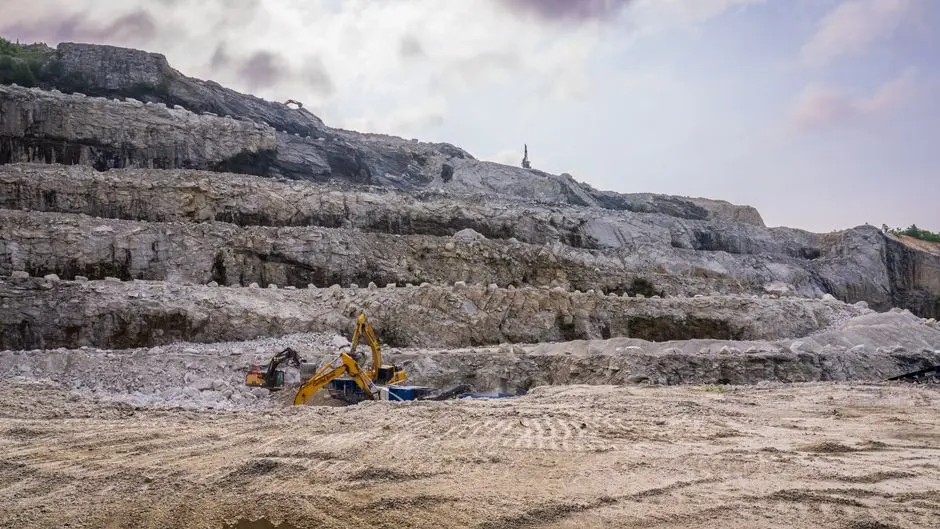
Edgewood-area ore-processing and metal-finishing plants generate a recognizable influent envelope: total suspended solids typically 200–3,000 mg/L, dissolved metals (Fe, Mn, Al, Cu, Zn) at 1–50 mg/L each, and pH swinging from 2 (acid mine drainage) to 9 (alkaline flotation circuits). Lubricant and hydraulic-oil contamination from heavy mobile equipment wash water is the rule rather than the exception — and once oil is emulsified, gravity settling alone is no longer adequate (Rodrigues & Rubio, 2007). Tailings water and AMD neutralization overflow are the volume drivers: often 100–1,000 m³/h per operating line, with settleable fractions above 70% and low oil content. Vehicle-wash and process-bleed streams sit on the other end: lower flows, but heavily contaminated with oils, fine colloids, and suspended metal precipitates from rinse water. The mixing of these streams at a central sump is exactly the case for a hybrid train, and it is the case the generic "DAF vs clarifier" articles on page one of search results do not address.
| Stream type | Typical TSS (mg/L) | Metals (mg/L) | Oil/grease | Typical flow (m³/h) | pH range |
|---|---|---|---|---|---|
| Tailings water / thickener overflow | 1,500–3,000 | 5–50 (Fe, Mn) | Negligible | 200–1,000 | 6–9 |
| AMD neutralization effluent | 500–2,000 | 10–50 (Fe, Al, Cu, Zn) | Low | 50–300 | 7–9 (post-lime) |
| Vehicle/equipment wash water | 300–1,000 | 1–10 | High (emulsified) | 10–50 | 5–8 |
| Metal-finishing rinse bleed | 200–800 | 5–30 (Cu, Zn, Ni) | Moderate | 5–40 | 2–7 |
| Mixed plant sump (typical 2026) | 500–2,000 | 5–40 | Moderate | 50–500 | 4–9 |
DAF vs Clarifier: Side-by-Side Comparison for Mining and Metals Wastewater
Score your stream against the six parameters below and the right primary usually becomes obvious. DAF removal rates are 2025 industry benchmarks: TSS up to 97%, COD 60–80%, and oils/grease up to 99% (HydropureWater 2026 engineering guide; corroborated by Ecologix's mining case data showing 95% oil removal with DAF versus 70% with a clarifier on the same feed). Clarifier performance on heavy settleables is anchored at roughly 90% solids reduction at a fraction of the energy. The footprint contrast is sharp: DAF hydraulic loading rates for mining wastewater run 4–7 m/h (smaller tank, more chemical control), while a lamella clarifier surface loading reaches 20–40 m/h (per HydropureWater product data) — a 3–5× footprint advantage for the clarifier at the same flow. DAF sludge, however, is markedly thicker (typically 3–5% dry solids versus 1–2% from a clarifier underflow), which materially lowers downstream dewatering cost (Rodrigues & Rubio, 2007).
| Parameter | DAF performance | Clarifier performance | Edgewood stream implication |
|---|---|---|---|
| TSS removal | Up to 97% (95–99% on fines) | ~90% on settleables; poor on fines | DAF for colloid-dominated; clarifier for settleable-dominated |
| Oil/grease removal | 95–99% | ~70% on free oil; near-zero on emulsified | DAF required for emulsified wash water |
| COD removal | 60–80% | 20–40% | DAF for organic-laden bleed streams |
| Hydraulic loading rate | 4–7 m/h (mining), 5–15 m/h (general) | 20–40 m/h (lamella) | Clarifier 3–5× smaller footprint at same flow |
| Sludge dryness | 3–5% DS (thicker) | 1–2% DS (thinner) | DAF cuts dewatering OPEX downstream |
| Effluent TSS (typical) | 10–50 mg/L | 50–200 mg/L (needs polish) | DAF effluent usually meets direct POTW metals limits |
When a Clarifier Wins in 2026: Heavy Solids, High Flow, Tight CAPEX
Specify a clarifier — preferably a lamella or inclined-plate design such as the HydropureWater lamella clarifier or the JY series integrated water purification system — when the stream meets three conditions simultaneously: total suspended solids above 1,500 mg/L, a settleable fraction exceeding 70%, and design flow above 200 m³/h. Under those conditions, a lamella clarifier hits a surface loading rate of 20–40 m/h, runs with up to 30% lower chemical consumption than a conventional center-feed clarifier, and consumes essentially no electricity beyond sludge pumping. The OPEX per cubic meter treated is the lowest of any primary option on the table. The limit is just as clear: clarifier effluent typically carries 50–200 mg/L residual TSS, will not break emulsified oils, and will not polish precipitated metal hydroxides. If the Edgewood discharge point is a POTW with strict metals limits, or if the operator is targeting reuse, the clarifier needs a downstream polisher — which is exactly why the 2026 hybrid train is now the dominant spec.
When DAF Wins in 2026: Fines, Colloids, Emulsified Oils, Metals Precipitation
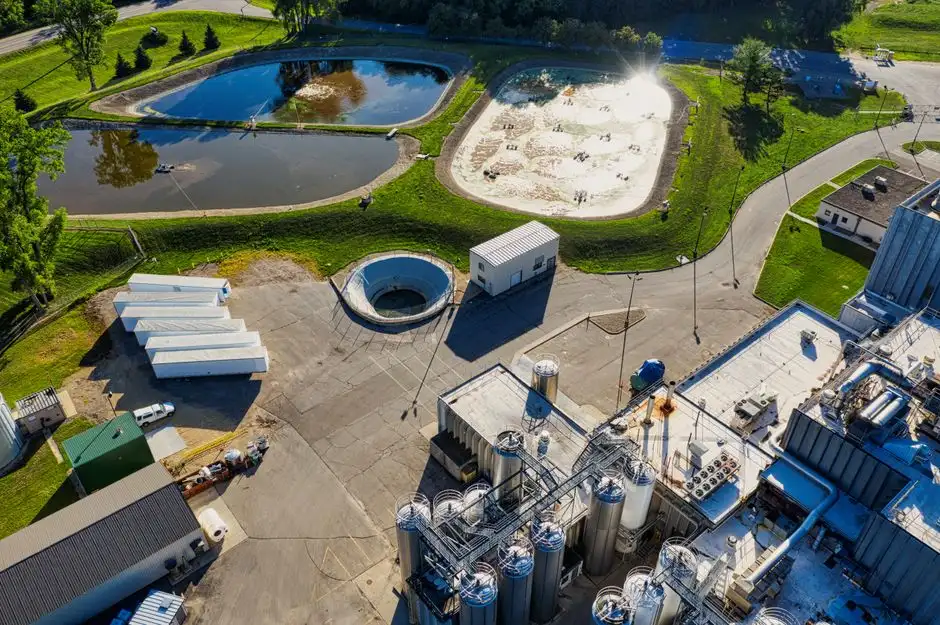
Specify a DAF — a DAF system sized against the matrix above — when TSS is below 1,500 mg/L but the stream carries a meaningful colloidal or emulsified-oil fraction, or when dissolved metals have been precipitated as fine hydroxides and need to be floated rather than settled. The 2026 design floor for a mining-duty DAF, drawn from the HydropureWater engineering guide: saturation pressure ≥5 bar, micro-bubble size 30–50 μm, recycle ratio 20–50%, hydraulic loading rate 4–7 m/h for mining service, pH held in the 6.5–8.5 band. A VFD on the recycle pump and SS316 wetted parts are the de facto 2026 default for any mining DAF exposed to acidic or high-solids feed. DAF also handles pH-conditioned metal-precipitation streams — Fe, Al, Cu hydroxides from AMD lime neutralization — efficiently, which is why DAF is now standard at the front of AMD treatment trains and as a polisher after primary sedimentation in hybrid configurations.
CAPEX, OPEX, and Footprint: The 2026 Cost Picture for Edgewood Plants
Translating the technical comparison into procurement numbers: a 2025-benchmark DAF system runs $50,000 for a 10 m³/h unit and scales to $600,000 for a 200 m³/h industrial system, with OPEX of $0.05–$0.30 per m³ treated (HydropureWater 2025 guide). Modular skid-mounted DAF packages cut installed CAPEX by 15–20% and shave up to 30% off the field install schedule — material when a 2026 project window is tight. A lamella clarifier at the same design flow is typically 30–50% of the equivalent DAF CAPEX, but the operator pays for that lower upfront cost in two places: thinner clarifier underflow (1–2% DS versus 3–5% from DAF) drives higher downstream sludge handling, and a clarifier alone rarely meets direct POTW discharge limits for metals without polishing. The 2026 spec for a mixed Edgewood stream is therefore a hybrid train — clarifier primary, DAF polisher, an automatic chemical dosing system for pH and flocculant control, and a sludge dewatering stage downstream. Budget both primaries when the influent profile includes both heavy settleables and emulsified oils.
How to Choose in 2026: A Four-Question Decision Framework
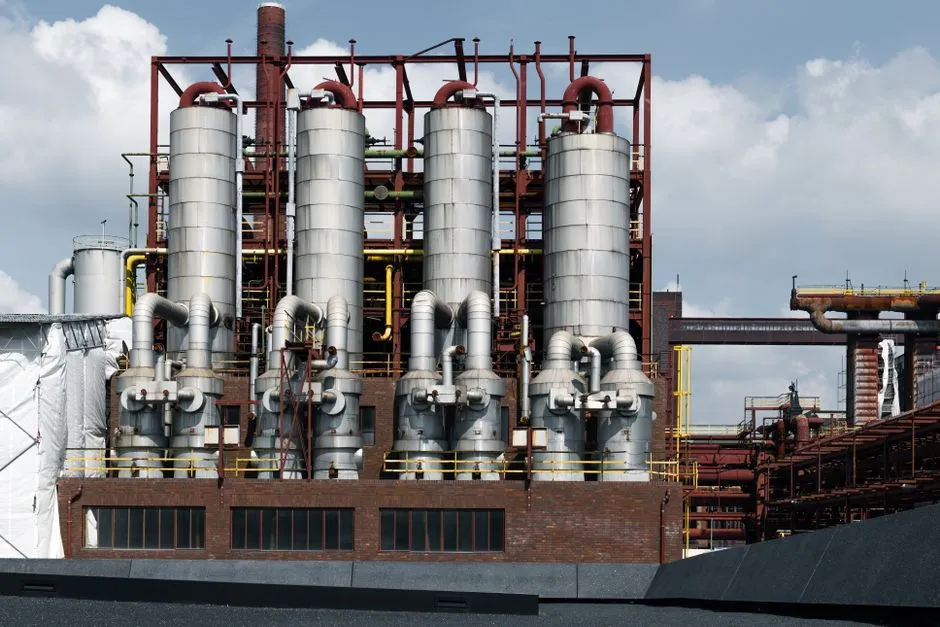
Walk your plant through these four questions in order. The first decisive answer wins.
- Is the TSS >70% settleable and design flow >200 m³/h? Specify a lamella clarifier as the primary. Edgewood tailings water and AMD neutralization overflow almost always hit this branch.
- Are oils, colloids, or precipitated metal hydroxides the dominant contaminant? Specify a DAF as the primary. Vehicle wash water, metal-finishing rinse bleed, and post-precipitation AMD streams hit this branch.
- Does the stream carry both — heavy settleables and emulsified oils or fine precipitates? Specify a hybrid train: clarifier primary for bulk solids, DAF as the polisher. This is the most common 2026 Edgewood configuration.
- Is the discharge target a POTW with strict metals limits, or is reuse the goal? Either way, plan for DAF effluent quality (TSS 10–50 mg/L) at the final stage. Reuse loops cannot tolerate the 50–200 mg/L residual from a clarifier alone.
Two peers walked through the same checklist on similar feeds and reached opposite answers last quarter — because their influent envelopes were not the same. Run the matrix against your own TSS, oil content, and metals profile before you commit a PO. For related regional specs, see our 2026 factory guide for Helton mining plants, the 2026 buyer's guide for Vincennes mining wastewater, and the companion piece on MBR vs activated sludge for mining wastewater in Pine Hill for the downstream biological step.
Frequently Asked Questions
What TSS and oil thresholds should trigger DAF over a clarifier in 2026?
Specify DAF when TSS is below 1,500 mg/L with a meaningful emulsified-oil or colloidal fraction, or when metals have been precipitated as fine hydroxides (HydropureWater 2026 guide). Specify a clarifier when TSS exceeds 1,500 mg/L with greater than 70% settleables and flow above 200 m³/h.
How does 40 CFR 437 affect the DAF-vs-clarifier choice for Edgewood ore-processing plants?
40 CFR 437 (Ore Mining and Dressing) sets effluent limits for TSS, metals, and pH that both primaries can help meet, but the regulation dictates effluent quality rather than equipment (per EPA 40 CFR 437). Edgewood plants with mixed streams usually need a DAF polisher downstream of a clarifier to reliably meet the metals and TSS limits in 2026.
What is the realistic 2026 CAPEX range for a mining-duty DAF system in the Edgewood area?
A 10 m³/h DAF unit starts near $50,000, scaling to roughly $600,000 at 200 m³/h (HydropureWater 2025 DAF cost benchmarks). Modular skid mounting cuts installed cost by 15–20% and trims field install time by up to 30%, a useful lever for tight 2026 project schedules.
Can a clarifier handle emulsified oils from mining vehicle wash water?
No. A clarifier typically removes only 70% of free oil and near-zero emulsified oil (Ecologix mining case, 2024). For vehicle-wash and equipment-wash streams, a DAF is required to break the emulsion and lift the oil; a clarifier alone will not meet discharge limits.
Is a hybrid clarifier-plus-DAF train more expensive than a single primary in 2026?
Yes on CAPEX — expect roughly 1.3–1.5× the cost of a single DAF primary at the same flow — but the hybrid train lowers downstream dewatering OPEX because the DAF sludge runs 3–5% dry solids versus 1–2% from a clarifier alone (Rodrigues & Rubio, 2007). For mixed Edgewood streams the lifecycle cost usually favors the hybrid.
Related Equipment
- JY series integrated water purification system — specifications, capacity range, and technical data