Why sewer discharge, not NPDES, is the binding constraint near Kinards
Under South Carolina Department of Environmental Services (SCDES, formerly SCDHEC) regulations, industrial users discharging to Publicly Owned Treatment Works (POTWs) in Laurens County must meet local limits that are up to 70% more stringent than federal categorical standards to protect municipal biological treatment processes. While direct surface discharge into the Enoree or Saluda River basins requires a National Pollutant Discharge Elimination System (NPDES) permit under Clean Water Act (CWA) §402, indirect discharge to a sewer is governed by the CWA §307(b) pretreatment program under 40 CFR Part 403 (per EPA guidelines). Mining and dressing operations are classified as Categorical Industrial Users (CIUs) under 40 CFR Part 437, but co-located operations like fleet maintenance or equipment pickling can trigger 40 CFR Part 433 (Metal Finishing) limits. Under 40 CFR 433.15, these co-located lines face strict limits: copper is capped at 3.38 mg/L daily maximum and 2.07 mg/L monthly average, while total chromium is restricted to 2.77 mg/L daily maximum and 1.71 mg/L monthly average.
In the Kinards and Laurens County area, oversight runs through local control authorities such as the Laurens County Water & Sewer Commission (LCWSC) or, for operations closer to the Greenville county line, Renewable Water Resources (ReWa). The Laurens County sewer use ordinance restricts heavy metals far below federal baselines to prevent municipal sludge contamination and treatment plant interference. For instance, local POTW limits for zinc often sit between 0.3 and 1.0 mg/L, compared to the 40 CFR Part 437 categorical ceiling of 1.0 mg/L (source: LCWSC Sewer Use Rules). Because civil penalties under CWA §309 can reach up to $25,000 per day per violation, process engineers must design their treatment trains to hit these local POTW limits rather than the federal categorical floor. For a broader look at how these rules apply across regional boundaries, consult the 2026 pretreatment compliance playbook for mining plants.
The pollutant profile that drives the design
Granite quarrying, aggregate washing, and gold mining operations in the Piedmont region of South Carolina typically generate wastewater with an influent pH ranging from 2.0 to 4.5 and total suspended solids (TSS) concentrations exceeding 2,500 mg/L (source: SCDES mining division monitoring data). Acid mine drainage and process wash waters carry dissolved heavy metals—such as lead, copper, zinc, cadmium, nickel, and arsenic—alongside elevated sulfate levels that can exceed 1,500 mg/L. Unlike surface-water discharges governed by the 40 CFR Part 436 mineral mining framework, sewer discharges must be pretreated to protect municipal infrastructure from corrosion and heavy metal pass-through.
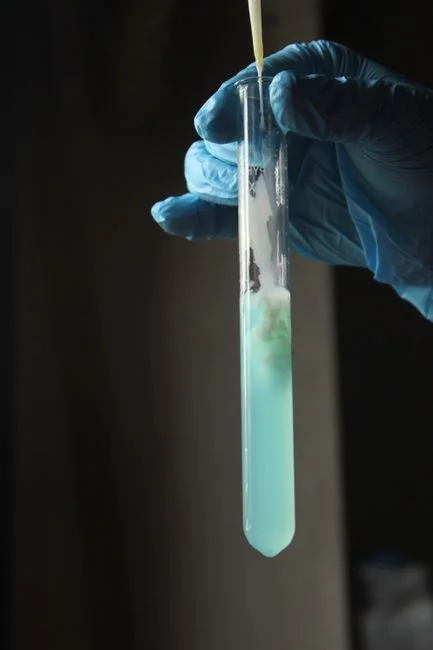
Designing an effective treatment train requires establishing the precise pH optimum for metal precipitation through laboratory jar testing. Heavy metals do not precipitate at the same pH; instead, they exhibit distinct solubility curves. Zinc reaches its minimum solubility at approximately pH 9.5, copper at pH 9.0, cadmium and nickel at pH 8.5, and amphoteric metals like aluminum require tight control between pH 6.5 and 7.5 to prevent re-dissolution (source: HydropureWater laboratory data, 2025). The table below outlines the contrast between typical raw mining influent and the local sewer-use thresholds near Kinards.
| Parameter | Typical Raw Influent Range | 40 CFR Part 437 Baseline | Typical Laurens County POTW Limit |
|---|---|---|---|
| pH | 2.0 – 4.5 | 6.0 – 9.0 | 6.0 – 9.5 |
| Total Suspended Solids (TSS) | 500 – 3,500 mg/L | N/A | 250 – 350 mg/L (surcharged above) |
| Copper (Cu) | 5.0 – 25.0 mg/L | N/A | 0.3 – 0.5 mg/L |
| Zinc (Zn) | 10.0 – 50.0 mg/L | 1.0 mg/L (Daily Max) | 0.3 – 1.0 mg/L |
| Lead (Pb) | 1.0 – 5.0 mg/L | N/A | 0.05 – 0.1 mg/L |
Pretreatment train: equalization, pH correction, precipitation
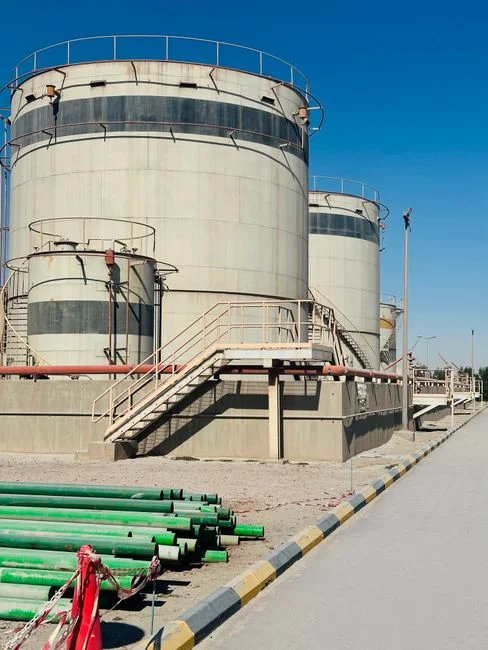
Sizing equalization (EQ) basins for 8 to 24 hours of average daily flow prevents hydraulic surges from disrupting downstream chemical precipitation by dampening pH swings to less than 0.5 units per hour. In aggregate and gold processing, batch discharges from circuit clean-outs or storm-driven pit dewatering will overwhelm a standard 4-hour EQ basin, causing short-circuiting and chemical dosing failures downstream. Following equalization, pH adjustment is executed using either hydrated lime (Ca(OH)₂) or caustic soda (NaOH). While lime is roughly 40% cheaper per ton than caustic soda, it produces 3 to 5 times more dry sludge by weight due to calcium sulfate (gypsum) precipitation, making NaOH the preferred reagent for plants seeking to minimize sludge dewatering and disposal costs.
To consistently meet POTW limits, the pH adjustment must be managed via a two-stage reaction tank system if the raw influent swings by more than 2.0 pH units. The first stage targets a rough adjustment to pH 6.0, while the second stage utilizes a PLC-controlled pH and coagulant dosing skid to maintain the target precipitation chemistry within a strict ±0.2 pH band. This level of precision is critical; a single-unit deviation from the optimum pH can increase dissolved metal concentrations by a factor of ten.
For standard installations, hydroxide precipitation is the primary chemical step, achieving residual dissolved metal levels of 0.5 to 2.0 mg/L. However, when local POTW limits for metals like copper or lead are set below 0.1 mg/L, a sulfide precipitation process (using sodium hydrosulfide, NaHS, or sodium sulfide, Na₂S) is applied as a polishing step. Sulfide precipitation reduces metal residuals to 0.01 to 0.05 mg/L, though it requires sealed reaction vessels and hydrogen sulfide (H₂S) gas scrubbing to manage safety risks. Finally, an anionic polymer coagulant is dosed at 0.5 to 3.0 mg/L to aggregate the fine metal-hydroxide microflocs into heavy macroflocs, preparing the stream for high-rate clarification.
DAF vs lamella: choosing the right clarifier for a Kinards mining flow
Dissolved air flotation systems operating at 5 to 25 m/h hydraulic loading achieve up to 98% TSS removal when treating mining wastewater containing light colloidal minerals and free oils (source: HydropureWater field performance data, 2025). In contrast, a high-efficiency lamella clarifier operates at a higher surface loading rate of 20 to 40 m/h, utilizing a series of inclined plates to provide a settling area up to 90% larger than a conventional clarifier of the same footprint. Choosing between these two technologies depends on the physical characteristics of the solids and the total design flow of the Kinards operation.
For flow rates under 100 m³/h where the wastewater contains petroleum hydrocarbons from heavy equipment washing or colloidal silica from granite crushing, a DAF system is highly effective. The microbubbles (typically 20 to 50 microns in diameter) attach to the oil-coated particles, lifting them to the surface for mechanical skimming. However, for gold and aggregate operations processing flows of 100 to 200 m³/h dominated by heavy metal-hydroxide flocs, the lamella clarifier is the more economical choice. It reduces chemical consumption by up to 30% by maintaining a dense sludge blanket that aids auto-flocculation. For a comparative operational analysis in similar mining regions, engineers can reference the DAF vs clarifier factory guide for mining wastewater or the Wahoo mining DAF vs lamella buyer's guide.
| Selection Parameter | Dissolved Air Flotation (DAF) | Lamella Clarifier |
|---|---|---|
| Hydraulic Loading Rate | 5 – 25 m/h | 20 – 40 m/h |
| Footprint Requirement | Medium | Very Low (approx. 33% of conventional) |
| TSS Removal Efficiency | 90% – 98% (including light/colloidal) | 85% – 95% (heavy settling solids) |
| Oil & Grease Tolerance | High (removes 85% – 95% free/emulsified) | Low (causes fouling of inclined plates) |
| Chemical Consumption | Baseline | Up to 30% lower due to sludge blanket filtration |
Polishing, disinfection, and sludge handling
High-rate multimedia filters utilizing anthracite, sand, and garnet media at loading rates of 1 to 2 m/h consistently reduce effluent turbidity to below 1.0 NTU and TSS below 10 mg/L before final POTW discharge. This tertiary multimedia filter serves as a critical safety barrier, preventing fine metal-hydroxide pin-floc carryover from reaching the sewer manhole during upstream chemical feed upsets. If the local sewer-use ordinance mandates pathogen reduction—often required when discharging into municipal lines with historical biological control issues—an inline chlorine dioxide generator dosing 1 to 5 mg/L is implemented. Chlorine dioxide is preferred over standard sodium hypochlorite because it does not generate regulated trihalomethanes (THMs) when reacting with trace organic matter in the mining effluent.
The solids collected from the bottom of the lamella clarifier or skimmed from the DAF unit are transferred to a sludge conditioning tank. A heavy-duty plate and frame filter press dewaters this slurry, typically at operating pressures of 100 to 225 psi, to produce a dry cake containing 25% to 35% dry solids. This cake is stackable and passes the EPA Paint Filter Liquids Test (Method 9095B), allowing for cost-effective disposal at a standard Subtitle D landfill. The highly alkaline filtrate squeezed from the filter press is recycled back to the equalization basin; discharging this filtrate directly to the sewer is prohibited due to its concentrated metal load and elevated pH.
CAPEX and OPEX sketch for a 50–200 m³/h mining pretreatment train
Operating expenditures for a 100 m³/h mining wastewater pretreatment system in South Carolina average $1.10 to $1.90 per cubic meter treated, with chemical reagents accounting for up to 55% of the total cost (source: HydropureWater economic modeling, 2026). At the 50 m³/h scale, a packaged, skid-mounted treatment system is the standard deployment method. This configuration minimizes onsite civil engineering costs and allows for rapid integration with existing mining infrastructure. When flows scale to 200 m³/h, the system transitions to concrete in-ground equalization basins paired with parallel stainless-steel clarifiers to manage the hydraulic load.
The table below provides a 2026 budgetary CAPEX and OPEX projection for turnkey equipment packages including equalization pumps, automated chemical dosing systems, clarifiers, multimedia filters, and plate-and-frame presses.
| Design Flow Rate | Typical Equipment Footprint | Budgetary CAPEX Range | Estimated OPEX (per m³ treated) |
|---|---|---|---|
| 50 m³/h (Packaged Skid) | 120 m² | $260,000 – $420,000 | $1.40 – $2.10 |
| 100 m³/h (Modular Train) | 250 m² | $420,000 – $720,000 | $1.10 – $1.90 |
| 200 m³/h (Parallel Concrete/Steel) | 500 m² | $780,000 – $1,250,000 | $0.95 – $1.60 |
2026 compliance watch list for the next permit cycle
The EPA’s 2024 Multi-Sector General Permit (MSGP), finalized in September 2024, mandates quarterly indicator monitoring for four specific PFAS compounds—PFOS, PFOA, PFHxS, and PFNA—at metal mining and dressing facilities nationwide. In 2026, local sewer authorities across South Carolina are increasingly adopting these identical analytical suites within their industrial user permits to prevent PFAS accumulation in municipal biosolids. Simultaneously, the Lead and Copper Rule Revisions (LCRR) are pushing municipal lead action levels down to 10 µg/L, which is forcing POTWs to tighten industrial discharge limits for lead by 30% to 60% to protect their receiving watersheds.
the 2025 EPA ore-mining Best Available Technology (BAT) revisions (promulgated 2025-03) have updated the cost-benefit guidelines for total recoverable metals. Industrial dischargers near Kinards must treat these regulatory updates as immediate design criteria for any system retrofits. Engineering teams should initiate laboratory treatability studies and pilot-scale testing now to ensure their physical-chemical treatment trains can adapt to these stricter standards before their next five-year permit renewal cycle.
Frequently Asked Questions
Do mining plants near Kinards need an NPDES permit for sewer discharges?
No, plants discharging to a sewer do not need an NPDES permit, which only governs direct discharges to surface waters under CWA §402. Instead, they are regulated under the CWA §307(b) pretreatment program and 40 CFR Part 403, which delegates enforcement to local authorities like the Laurens County Water & Sewer Commission.
What are the typical local sewer limits for heavy metals in Laurens County?
While federal categorical standards allow higher concentrations, local POTW limits near Kinards typically restrict zinc to 0.3–1.0 mg/L and copper to 0.3–0.5 mg/L. These tighter limits protect the biological processes at municipal treatment plants and prevent heavy metals from contaminating municipal sewage sludge.
How does sulfide precipitation compare to hydroxide precipitation for mining wastewater?
Hydroxide precipitation is the standard industrial choice, reducing dissolved metals to 0.5–2.0 mg/L. Sulfide precipitation is more expensive, running 2 to 4 times the reagent cost, but it achieves much lower residuals (0.01–0.05 mg/L), which is necessary when local POTW limits fall below 0.1 mg/L.
What is the typical hydraulic loading rate for a DAF system in mining service?
A standard dissolved air flotation system in mining or metal-finishing pretreatment operates at a hydraulic loading rate of 5 to 25 m/h. This loading rate allows the microbubbles to effectively float light colloidal mineral solids and emulsified oils to the surface for mechanical removal.