Why Pharmaceutical Wastewater Demands Membrane Bioreactor Treatment
Active pharmaceutical ingredients (APIs) and their metabolites enter plant effluents at concentrations between nanograms and micrograms per liter, and conventional activated sludge (CAS) leaves a large fraction of those compounds intact (S3). Insufficient treatment fosters antibiotic-resistance proliferation, chronic aquatic toxicity, and disruption of ecological balance in receiving streams (S3). Side-by-side data from the WWTP Rubí demonstration makes the gap concrete: diclofenac averaged 87% removal across a laboratory submerged MBR versus 50% in the parallel CAS line (S5, 2008-12). MBRs deliver a footprint up to 50% smaller than CAS because secondary clarifiers are replaced by membrane cassettes, and the same total biomass is stored in a smaller tank (S2). For a process engineer weighing capital against compliance risk, the question is no longer whether MBR removes more APIs — it is which MBR configuration, which downstream polish, and which fouling-control strategy will hold up under antibiotic shock.
How an MBR System Treats Pharmaceutical Effluent
An MBR wastewater treatment system for pharmaceutical plants combines a suspended-growth bioreactor with submerged PVDF ultrafiltration membranes, typically at 0.02–0.1 μm pore size, to biodegrade and physically retain APIs. The bioreactor is the biological workhorse: aerobic chambers oxidize organics and ammonia, anoxic zones denitrify, and anaerobic cells handle high-strength or sulfate-rich loads (S2). Submerged membranes then act as a solid-liquid separation barrier, retaining biomass and physically excluding suspended APIs, colloids, and most macromolecules. Removal in MBRs splits into two mechanisms: biodegradation or mineralization by the biomass, and physical retention on sludge flocs and the membrane cake layer (S3).
The result is an effluent free of suspended solids, with average ammonia at 1.01 μg/L across the Rubí pilot versus 48.41 μg/L in the parallel CAS line (S5, 2008-12). Because the membrane holds back all biomass, sludge retention time (SRT) can be held effectively infinite — the MBR at Rubí operated with no sludge discharge, which supports slow-growing specialist communities capable of degrading recalcitrant APIs (S5). For a plant facing intermittent CIP surges or solvent spikes, that decoupling of SRT from hydraulic retention time (HRT) is the single most valuable operational lever CAS cannot offer.
Membrane Selection for Pharmaceutical Duty: Flat Sheet vs Hollow Fiber
Choosing between submerged flat-sheet and hollow-fiber modules is the most consequential equipment decision in a pharmaceutical MBR. Flat-sheet modules are mechanically simple, tolerant of particulates, and easy to clean — a strong match for batch-fed pharma effluent with CIP shock loads; the DF series flat sheet membrane modules deliver 32–135 m³/day per cassette depending on panel count and aeration regime, and are typically specified at 0.1 μm pore size for pharmaceutical duty. Hollow-fiber cassettes in PVDF, such as 0.02 μm pore-size designs, push packing density higher and reduce pore-clogging risk through smaller nominal pores (S2). Tubular sidestream modules, by contrast, handle high TSS and solvent-bearing waste but consume 10–20× more energy than submerged designs because feed must be pressurized through the tubes.
Pressure-driven sidestream MBRs are usually specified for smaller, tough-to-treat industrial streams, while submerged configurations are the default for medium and large pharma plants (S2). Membrane material matters as much as geometry: PVDF with GRP housing tolerates routine clean-in-place with chlorine and strong acids, which is essential for plants that must sanitize between antibiotic product campaigns (S2). For a turnkey packaged plant, an integrated MBR system arrives with bioreactor, cassette rack, blower, and CIP skid pre-piped, which shortens validation timelines under pharmaceutical QA oversight.
| Parameter | Submerged Flat Sheet (DF series) | Submerged Hollow Fiber | Tubular Sidestream |
|---|---|---|---|
| Nominal pore size | 0.1 μm (UF) | 0.02 μm (UF) | 100–200 kDa MWCO (UF) |
| Typical packing density | Moderate | High (+10% in 2022-gen cassettes) | Low |
| Per-cassette permeate | 32–135 m³/day | Up to 2,080 m² per U40 cassette | Module-dependent |
| Energy demand | Low (air scour) | Low (air scour, –5% vs prior gen) | 10–20× submerged |
| Best-fit pharma scenario | Batch + CIP shock loads | Continuous high-strength API streams | Solvent-bearing or high-TSS sidestreams |
| Clean-in-place tolerance | PVDF + GRP, chlorine/acid resistant | PVDF, chlorine/acid resistant | PVDF, robust to chemical cleaning |
Pharmaceutical Removal Performance: What MBR Catches and What It Misses
Published removal data from the WWTP Rubí MBR pilot gives a realistic performance baseline for a pharmaceutical process engineer. Most APIs achieve more than 80% removal; ketoprofen, diclofenac, bezafibrate, and gemfibrozil consistently exceed 90% (S5, 2008-12). Diclofenac averaged 87% removal in the MBR versus 50% in CAS at the same site — a gap large enough to determine whether effluent meets chronic-toxicity benchmarks for surface-water discharge (S5). Ranitidine and ofloxacin also cleared the 80% threshold with low variability.
The honest caveat matters as much as the headline number. Carbamazepine — an anticonvulsant — passed through both MBR and CAS at less than 20% removal, frequently with effluent concentrations higher than the influent, which suggests deconjugation of metabolites back to the parent compound during treatment (S5). Propyphenazone (44.8–82.9% MBR vs 6.82–62.6% CAS) and glibenclamide (14.8–73.7% MBR vs 11.9–79.7% CAS) both showed wide swings tied to influent matrix composition. Removal efficiency is therefore a function of both the compound's physicochemical properties — hydrophobicity, biodegradability, sorption coefficient — and the specific influent characteristics, so site-specific piloting is justified for novel APIs before scale-up (S3).
| Compound | Therapeutic class | MBR removal | CAS removal | Notes |
|---|---|---|---|---|
| Ketoprofen | Anti-inflammatory | >90% | Variable | Steady in MBR (S5) |
| Diclofenac | Anti-inflammatory | ~87% | ~50% | Linked to higher MBR sludge age (S5) |
| Bezafibrate | Lipid regulator | >90% | Variable | Steady in MBR (S5) |
| Gemfibrozil | Lipid regulator | >90% | Variable | Steady in MBR (S5) |
| Ranitidine | Histamine antagonist | >80% | Variable | Steady in MBR (S5) |
| Ofloxacin | Antibiotic | >80% | Variable | Steady in MBR (S5) |
| Propyphenazone | Analgesic | 44.8–82.9% | 6.82–62.6% | Matrix-dependent (S5) |
| Glibenclamide | Antidiabetic | 14.8–73.7% | 11.9–79.7% | Matrix-dependent (S5) |
| Carbamazepine | Antiepileptic | <20% | <20% | Biologically recalcitrant; needs RO/ozone/AC polish (S5) |
Fouling Control in Pharmaceutical MBR: Why Antibiotics Make It Worse
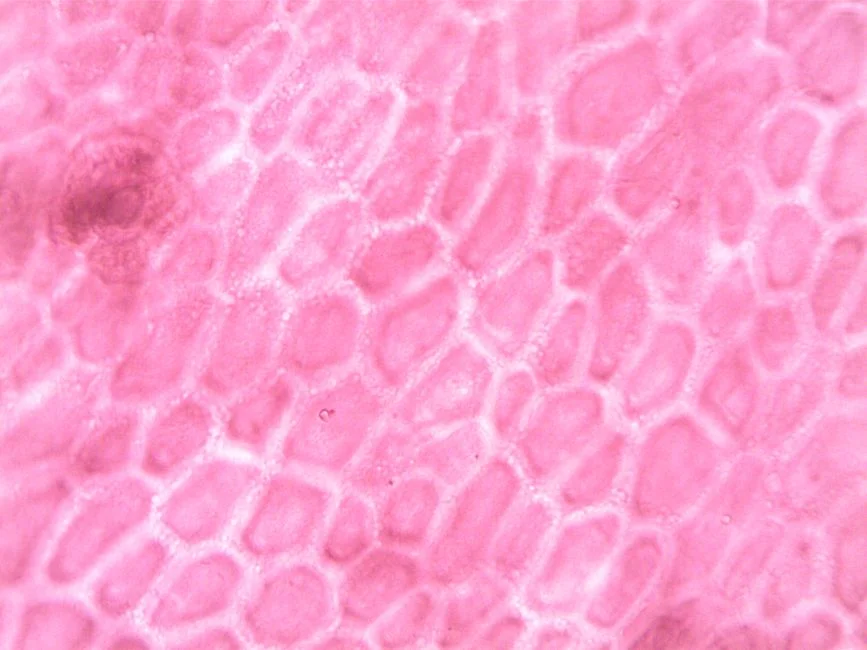
Membrane fouling is the dominant operational headache in any MBR, and pharmaceutical influent makes it measurably worse. APIs and antibiotics stress microbial communities, triggering elevated production of extracellular polymeric substances (EPS) and soluble microbial products (SMP), which form a sticky cake layer on the membrane surface and accelerate transmembrane pressure (TMP) rise (S3). The visible symptom is more frequent chemical cleaning cycles, shorter intervals between recoveries, and tighter maintenance windows during production campaigns.
The hybrid IFAS-MBR configuration is the most promising engineering response documented in recent bench-scale work. Adding sponge carrier media to an MBR significantly increased total biomass, enhanced nutrient removal, and reduced membrane fouling resistance by over 43–48% (S3). The attached-growth component creates specialized niches for slow-growing antibiotic-degrading bacteria while improving sludge filterability, and the carriers themselves contribute mild mechanical scouring of the membrane surface. Optimizing membrane scour air delivery is the largest single energy-reduction lever because scouring dominates aeration load in a well-instrumented MBR, and IFAS carriers reduce the air demand needed to hold TMP in check (S3). For a deeper dive into diffuser-side fouling, the aeration diffuser troubleshooting field guide covers the coarse-bubble versus fine-bubble trade-off and recovery protocols.
Designing an MBR Train for a Pharmaceutical Plant
Design parameters for a pharmaceutical MBR fall within well-defined ranges that the engineer can present to procurement as a defensible envelope. Hydraulic retention time typically runs 8–14 hours for industrial pharma streams, and the SRT is held effectively infinite to favor slow-growing specialist bacteria that drive API biodegradation (S5). Mixed liquor suspended solids (MLSS) commonly sits at 8,000–12,000 mg/L in a submerged MBR versus 2,000–4,000 mg/L in CAS — the higher inventory is what enables the smaller bioreactor volume (S2). For pharma-specific planning, the pharma plant wastewater treatment guide lays out a decision path for new builds versus brownfield retrofits.
MBR effluent is high enough quality to feed an industrial RO polishing train directly for reuse as boiler feed or CIP make-up water (S2). Persistent APIs like carbamazepine, however, will pass through the biological stage and require activated carbon, ozone, or RO polishing to meet strict reuse or discharge limits (S5). The capital comparison between MBR+RO and AS+brine-side evaporation typically tilts toward MBR+RO once water reuse credits are included — the MBR-vs-CAS decision is detailed in the MBR versus CAS comparison for chemical industry benchmark, and operating-cost benchmarks are updated annually in the MBR cost per cubic meter in 2026 reference.
| Parameter | Pharmaceutical MBR (typical) | Conventional Activated Sludge (typical) |
|---|---|---|
| HRT | 8–14 h | 12–36 h (incl. clarifier) |
| SRT | Effectively infinite | 5–25 d |
| MLSS | 8,000–12,000 mg/L | 2,000–4,000 mg/L |
| Effluent NH₄ (avg) | 1.01 μg/L (S5) | 48.41 μg/L (S5) |
| Effluent TSS | <1 mg/L (membrane barrier) | 10–30 mg/L (clarifier-dependent) |
| Footprint | Up to 50% smaller (S2) | Baseline |
| Downstream polish | Optional RO for reuse | Tertiary filtration + disinfection |
Cost Drivers and ROI for Pharmaceutical MBR Installation
Capital cost is dominated by three line items: the membrane cassette quantity (which scales with peak daily flow and required flux), the bioreactor volume (driven by HRT and MLSS), and the aeration system (which must deliver both process oxygen and membrane scour air). The up-to-50% footprint reduction versus CAS directly lowers civil costs for tanks, foundations, and building envelope (S2). Operating cost is dominated by membrane aeration energy for scouring and by CIP chemical consumption; IFAS carriers reduce both by lowering fouling resistance and extending cleaning intervals (S3).
Automation is the procurement argument that often closes the deal: a fully automated MBR minimizes operator intervention and is feasible at decentralized pharma manufacturing sites that lack 24/7 plant-operator coverage (S2). The largest payback lever is reuse. MBR effluent that feeds an industrial RO polishing train displaces fresh-water purchases and supports closed-loop process water, and the concentrate stream is small enough to manage with existing pharmaceutical effluent handling infrastructure. For long-term membrane replacement budgeting, the RO and UF replacement membranes catalog specifies element life, area per vessel, and CIP compatibility so that spares can be held against validated change-out intervals.
Frequently Asked Questions
What removal rates can an MBR achieve for pharmaceutical residues?
Most APIs achieve more than 80% removal in submerged MBRs; ketoprofen, diclofenac, bezafibrate, and gemfibrozil consistently exceed 90% in the WWTP Rubí pilot (S5, 2008-12). Diclofenac averaged 87% in MBR versus 50% in conventional activated sludge at the same site.
Why does carbamazepine pass through an MBR?
Carbamazepine is biologically recalcitrant and passed through both MBR and CAS below 20% removal at WWTP Rubí, with effluent concentrations sometimes higher than the influent due to deconjugation of metabolites (S5, 2008-12). A downstream activated carbon, ozone, or RO polish is required to meet strict discharge or reuse limits.
How much does an IFAS-MBR reduce membrane fouling under antibiotic stress?
Adding sponge carrier media to an MBR reduced membrane fouling resistance by over 43–48% in recent bench studies, while increasing total biomass and supporting specialized antibiotic-degrading microbial niches (S3). The hybrid configuration also trims the scour-air demand needed to hold TMP in check.
Can MBR effluent feed an RO system for water reuse?
Yes. MBR effluent is essentially free of suspended solids and meets the feed-water quality requirements for direct RO polishing for reuse as boiler feed or CIP make-up water (S2). Pairing MBR with RO is the standard pharmaceutical reuse train where persistent APIs like carbamazepine must be held below reuse limits (S5).
Related Equipment
- DF series flat sheet membrane modules — specifications, capacity range, and technical data
- industrial RO polishing train — specifications, capacity range, and technical data