Why Pharmaceutical Sewage Cannot Use a Municipal Sewage Package
Pharmaceutical manufacturing wastewater is not a scaled-up version of domestic sewage, and a generic municipal buried package will fail the moment a process batch discharges. At a finished-dose plant the influent is a blend of three streams: process effluent (high COD, residual solvents, active pharmaceutical ingredients), sanitary effluent (typical BOD/TSS/ammonia profile), and laundry/cleaning effluent (detergents, disinfectants, surfactants). The flow split at a typical formulation and packaging site runs roughly 60% process, 30% sanitary, and 10% cleaning, with the process fraction driving both the toxicity load and the biological variability.
Pharmaceutical active compounds (PhACs) — NSAIDs, antibiotics, SSRIs, hormones, and solvents such as methanol, acetone, and isopropanol — persist at ng/L to μg/L concentrations and pass through conventional activated sludge largely intact (S2, ScienceDirect 2022; S3, Springer 2025). This creates two compliance and reputational risks that municipal plants never carry: ecotoxicity at the discharge point, and selective pressure that drives antibiotic resistance gene (ARG) proliferation in receiving waters. The datasheet for a pharma-grade buried unit must therefore declare each contaminant class explicitly, not just BOD and TSS.
The compliance triangle for any 2026 design is fixed by three documents: WHO 2019 Safe Management of Wastes from Healthcare Activities for design philosophy, Vietnam QCVN 40:2026/BTNMT (in force 1 September 2026) for numeric industrial effluent limits, and US 40 CFR Part 439 subparts C and D for organic and inorganic pharmaceutical manufacturing. A municipal-grade buried unit satisfies none of these when APIs are present at process-relevant loads.
What 'Underground' Actually Means for a Pharmaceutical STP
An underground STP is a factory-built, skid-tested process skid housed inside a carbon-steel or FRP tank that is lowered into a civil excavation and backfilled, with only access hatches, an above-grade control kiosk, and ventilation stacks visible at grade. The envelope covers 1–80 m³/h in a single packaged unit, and the same skid can be trailer-mounted for pilot lines or contract-manufacturing sites that expect to relocate (per the WSZ buried A/O sewage treatment package specification, HydropureWater catalog 2026).
For a pharmaceutical site, the buried form factor carries five non-negotiable civil requirements:
- Anti-flotation design — tank mass plus concrete ballast must exceed buoyancy at the highest anticipated water table; factor 1.1× dead-weight safety.
- Soil and traffic load — top slab rated for 1.5× design soil load, with H-20 vehicle loading if landscaped parking is above the tank.
- IP68 junction boxes for all power and signal terminations inside the tank.
- Forced ventilation with ATEX-rated fans when the influent carries solvent vapors (methanol, IPA, acetone) above 10% of the lower explosive limit.
- Leak-detection sensor in the annular space between tank and excavation wall, with a wired alarm to the plant DCS.
Burial also gives pharma operators three things that an above-grade basin cannot: zero above-grade visual impact on a corporate campus, restricted public access (security and tampering), and UV shielding that prevents photolytic degradation of API residues — which matters for mass-balance accounting of active compound releases.
The Process Flow Inside a Buried Pharmaceutical Sewage Package
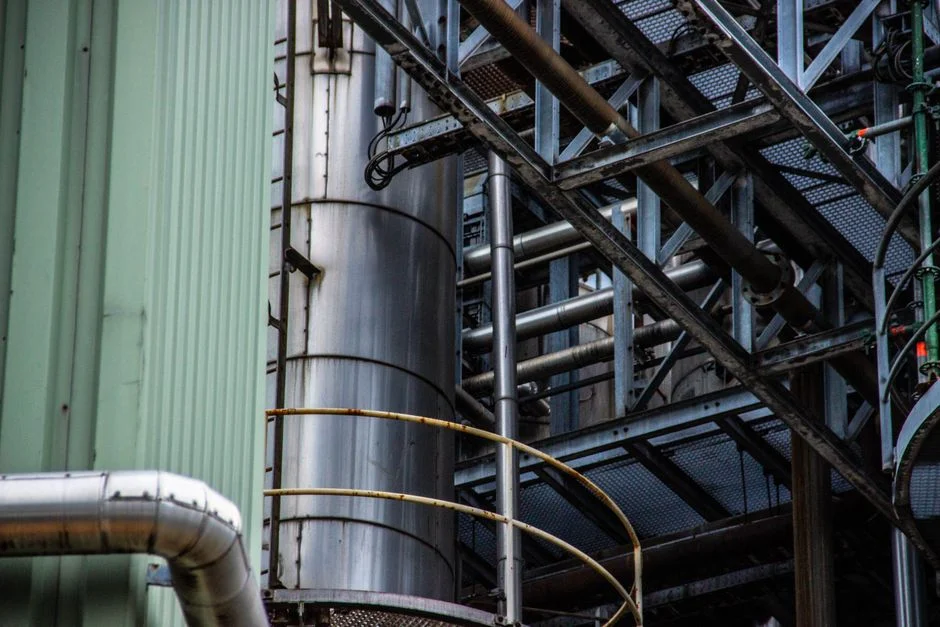
A purpose-engineered buried pharmaceutical sewage package sequences six unit operations, each mapped to a specific removal or compliance target.
Stage 1 — Equalization and DAF pretreatment. A 6–10 h HRT equalization basin dampens batch spikes from API reactors and CIP cycles. Downstream, DAF pretreatment for pharma effluent removes FOG, oils, and floating solvents at 4–300 m³/h, protecting the biological stage from slug loads of isopropanol and machine lubricants.
Stage 2 — Anoxic tank. HRT 6–8 h at dissolved oxygen below 0.5 mg/L. The anoxic zone denitrifies the nitrate recycle from the disinfection side-stream and begins partial degradation of refractory APIs under low-DO conditions.
Stage 3 — Aerobic (A/O) biological contact oxidation. MLSS 4,000–6,000 mg/L, SRT 20–30 days, DO 2–3 mg/L. Designed for COD removal of 92–97% on pharma influent at 500–2,000 mg/L COD, this is the workhorse stage.
Stage 4 — MBR membrane tank. A submerged MBR membrane bioreactor with PVDF flat-sheet or hollow-fiber membranes at 0.1–0.03 μm pore size; HRT 4–6 h, flux 15–25 L/m²·h. The MBR replaces the secondary clarifier entirely and yields TSS below 5 mg/L. For operating principles, the MBR process explainer covers the full mechanism.
Stage 5 — Disinfection polish. UV disinfection for pharmaceutical effluent at 30–40 mJ/cm² dose for Cryptosporidium and Giardia inactivation, combined with an on-site chlorine dioxide generator or low-dose ozone for API oxidation and ARG log-reduction before reuse or surface discharge.
Stage 6 — Sludge handling. Wasted biosolids route to a plate-and-frame filter press for hazardous pharma sludge. This stream is not domestic biosolids and is typically classified under hazardous-waste rules because of API and ARG content.
| Stage | Unit operation | HRT | Key design parameter | Removal target |
|---|---|---|---|---|
| 1 | Equalization + DAF | 6–10 h (EQ) | Surface load 5–20 m³/m²·h | FOG, oils, floating solvents |
| 2 | Anoxic | 6–8 h | DO <0.5 mg/L | NO₃-N reduction, partial API breakdown |
| 3 | Aerobic A/O | 4–6 h | MLSS 4,000–6,000 mg/L; SRT 20–30 d | COD 92–97%, BOD 95%+ |
| 4 | MBR | 4–6 h | Flux 15–25 L/m²·h; 0.03–0.1 μm | TSS <5 mg/L, turbidity <1 NTU |
| 5 | UV + ClO₂/O₃ | Seconds (UV) | UV 30–40 mJ/cm² | Fecal coliform <1,000 CFU/100 mL; ARG log-3 |
| 6 | Filter press | Batch | 8–12 bar | Cake dryness 25–35% DS |
Process Parameters the Engineer Must Lock In
The following inlet/outlet numbers define a defensible procurement specification. They align with QCVN 40:2026 Column B (in force 1 Sept 2026), 40 CFR Part 439 subpart C monthly-average limits, and WHO 2019 safe-management guidance.
| Parameter | Influent (mg/L unless noted) | Effluent target (mg/L unless noted) | Removal (%) |
|---|---|---|---|
| COD | 500–2,000 | <50 | 92–97 |
| BOD₅ | 200–600 | <10 | 95–98 |
| TSS | 200–500 | <5 | 98–99 |
| NH₃-N | 30–80 | <5 | 90–94 |
| Total phosphorus | 5–15 | <2 (QCVN B), <4 (40 CFR 439) | 60–85 |
| pH | 6–9 | 6.5–8.5 | — |
| Fecal coliform | 10⁶–10⁷ CFU/100 mL | <1,000 CFU/100 mL | log 3–4 |
| APIs (sum) | 1–100 μg/L | <0.1 μg/L per compound (target) | >99 (with UV + ClO₂) |
Process envelopes to fix on the datasheet: combined A/O HRT 10–14 h, SRT 20–30 days, MLVSS/MLSS ratio ≥0.7, F/M ratio 0.08–0.15 kg BOD/kg MLVSS·d, observed sludge yield ~0.3 kg MLSS/kg COD removed. Total tank volume ≈ 1.2 × design flow × peak HRT, with 25% turndown headroom for batch shutdowns. ARG and API polish should target ≥3-log reduction of total bacteria and ≥2-log reduction of antibiotic resistance genes via UV plus low-dose ozone or ClO₂ (per S2, ScienceDirect 2022).
Underground vs Above-Ground vs Containerized for a Pharma Site
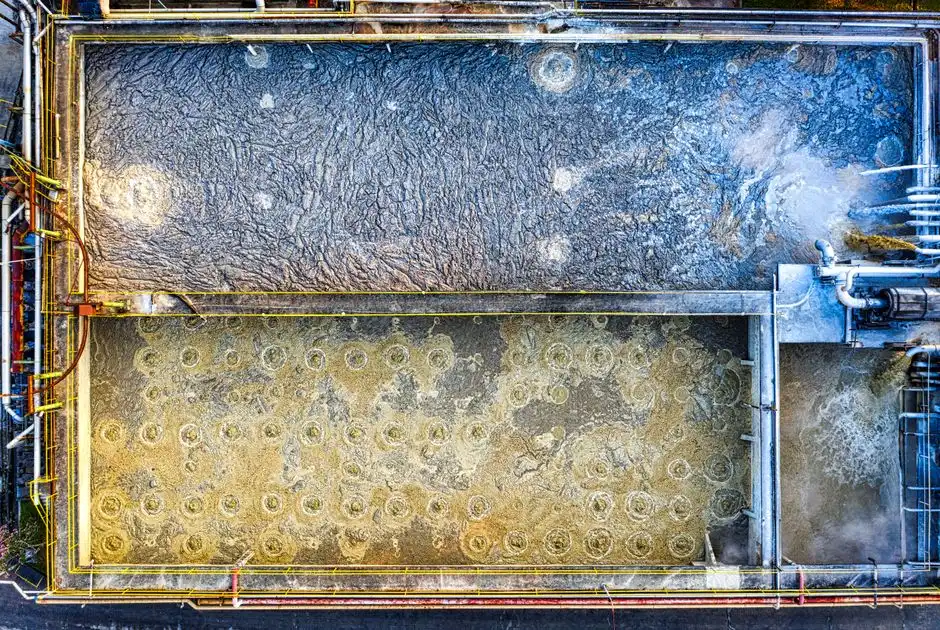
No academic review compares form factors. The decision is a plot, civil, and operations trade-off, and the right answer depends on project horizon and throughput.
| Criterion | Underground (buried package) | Above-ground (concrete basin) | Containerized (40-ft ISO skid) |
|---|---|---|---|
| Footprint (per m³/h treated) | ~6–8 m² | ~15–20 m² | ~10–12 m² (multi-skid) |
| Visual impact on pharma campus | None (landscaped) | High | Moderate |
| Civil cost (relative) | 0.8–1.0× | 1.2–1.5× | 0.6–0.8× |
| Install time on a greenfield site | 8–12 weeks | 16–24 weeks | 4–6 weeks |
| O&M access | Via hatches (crane for membranes) | Full walk-in | Full walk-in (skid doors) |
| Solvent-vapor ATEX suitability | Yes (forced vent) | Yes (open top) | Limited (enclosed skid) |
| Expandability | Add parallel buried unit | Extend basin | Add ISO skid |
| Relocatability | Low | None | High |
| Best fit | >10-yr, >20 m³/h greenfield | Heavy-duty utility, brownfield expansion | <5-yr, <20 m³/h, contract manufacturing |
Buried units win on footprint, tamper security, and aesthetic compliance on a corporate campus; they lose on O&M ergonomics because membrane removal requires a small crane. Containerized 40-ft ISO skids win on speed and modularity, useful for contract manufacturers and clinical-supply lines, but cannot match the plot recovery of a buried unit. Above-ground concrete basins dominate where heavy O&M and easy expansion dominate the decision tree, but they are rarely acceptable on a corporate pharma campus.
Compliance Map: Which 2026 Standard Applies Where
The regulatory anchor for any 2026 spec is a three-document set plus a local pretreatment check. WHO 2019 Safe Management of Wastes from Healthcare Activities provides the design philosophy (hazardous-stream separation, worker safety, ARG awareness) but no numeric effluent limit. Vietnam QCVN 40:2026/BTNMT (Circular 06/2025/TT-BTNMT, effective 1 September 2026) sets the numeric industrial effluent limits for COD, BOD, TSS, NH₃-N, and total phosphorus referenced in the QCVN 40:2026 effluent limit tables. The US 40 CFR Part 439 subpart C (organic chemicals) and subpart D (inorganic chemicals) set daily-max and monthly-average limits for BOD, TSS, COD, and total toxic organics; plants with fermentation add 40 CFR Part 430 obligations. In the EU, Directive 91/271/EEC governs urban wastewater treatment and the EU Water Framework Directive watchlist tracks pharmaceutical substances, but pharmaceutical effluent itself is regulated through permit conditions rather than a single directive. Always confirm the local pretreatment ordinance before sizing equalization, because peak-flow factor and discharge-hour windows vary by municipality.
Operating Cost Logic and What to Budget in 2026
Conventional activated sludge runs at an OPEX benchmark of roughly $0.27–$0.35/m³ (per the activated sludge vs biofilm OPEX breakdown, 2026). Adding MBR to a buried envelope shifts OPEX upward by 15–30% because of membrane aeration, CIP chemicals every 1–3 months, and membrane replacement every 5–8 years. The MBR premium is partially offset by eliminating the secondary clarifier and tertiary filtration, and by reclaiming approximately 60% of the plot that a conventional plant would have occupied — quantify this against the local industrial land price for the project city. The single largest OPEX surprise on a pharma project is sludge disposal: hazardous-pharma biosolids disposal runs 4–8× the cost of municipal sludge because of API and ARG content, so the downstream plate-and-frame filter press for hazardous pharma sludge should be in the budget line, not a retrofit.
Sizing Worked Example: A 30 m³/h Formulation Plant in Hanoi
Influent: 30 m³/h (720 m³/d), COD 1,200 mg/L, BOD₅ 400 mg/L, TSS 300 mg/L, NH₃-N 50 mg/L, pH 7.5, with intermittent methanol and ciprofloxacin carry-over from the formulation and tablet-coating suites.
Unit selection: a 180 m³ equalization basin (6 h HRT, 25% turndown headroom) feeds a DAF rated at 35 m³/h (17% overcapacity) into a 200 m³ anoxic tank and a 350 m³ aerobic A/O tank operating at MLSS 5,000 mg/L and SRT 25 days. The MBR uses PVDF flat-sheet membranes at 0.03 μm in a 150 m³ tank at flux 20 L/m²·h. UV at 40 mJ/cm² plus an on-site ClO₂ generator polish the permeate. Wasted biosolids go to a filter press for hazardous-pharma sludge dewatering.
Expected effluent: COD <50 mg/L, BOD <10 mg/L, TSS <5 mg/L, NH₃-N <5 mg/L, total coliform <1,000 CFU/100 mL — meeting QCVN 40:2026 Column B and 40 CFR 439 subpart C monthly averages. Plot footprint: ~180 m² fully buried under a landscaped car park, with a 2 m × 3 m above-grade control kiosk. For broader Hanoi siting, the Hanoi industrial wastewater treatment guide and the integrated wastewater treatment plant specifications reference provide the local compliance and datasheet templates. The full package can be specified as the WSZ buried A/O sewage treatment package with an integrated submerged MBR membrane bioreactor.
Frequently Asked Questions
What is the typical effluent COD a buried pharmaceutical STP can guarantee?
A purpose-engineered buried A/O + MBR + UV/ClO₂ package delivers COD below 50 mg/L on pharma influent of 500–2,000 mg/L, which is 92–97% removal and meets QCVN 40:2026 Column B and 40 CFR 439 subpart C monthly averages.
Why is ARG reduction a non-negotiable disinfection target for pharma wastewater?
Sub-lethal antibiotic exposure in effluent drives antibiotic resistance gene proliferation in receiving waters, and WHO 2019 flags ARG control as a design-philosophy requirement. UV at 30–40 mJ/cm² plus low-dose ClO₂ or ozone delivers ≥3-log total bacteria and ≥2-log ARG reduction.
Can a buried STP handle solvent vapors from API manufacturing?
Yes, when specified with ATEX-rated forced ventilation, IP68 junction boxes, and a DAF pre-stage to strip floating solvents. Without ATEX ventilation the unit is not safe for methanol, acetone, or isopropanol above 10% LEL.
How much plot area does a buried pharma STP save compared to a conventional plant?
Approximately 60% plot recovery versus a conventional activated-sludge layout of equal capacity, because the MBR replaces the clarifier and the tank is buried under landscaping or parking.
Is pharma STP sludge classified as hazardous waste?
Usually yes, because of API and ARG content. Wasted biosolids should be dewatered on a plate-and-frame filter press for hazardous pharma sludge to 25–35% DS and routed to a licensed hazardous-waste incinerator, not to municipal biosolids handling.
Related Equipment
- WSZ buried A/O sewage treatment package — specifications, capacity range, and technical data