Semiconductor Wastewater Treatment Price: 2026 Cost Breakdown, Process Economics & ROI Calculator
Discover 2025 semiconductor wastewater treatment costs—$1.58/m³ to $417M plant budgets, process economics, and ROI calculators for fabs and manufacturers.
Semiconductor Wastewater Treatment Cost: 2026 Engineering Breakdown with CAPEX, OPEX & ROI Calculator
Discover 2025 semiconductor wastewater treatment costs—CAPEX from $5M to $417M, OPEX at $0.91/m³, and ROI drivers. Engineering specs, compliance data, and cost-saving strategies for fabs.
Belt Press Tracking Problems: Expert Solutions & Prevention Guide
Belt press tracking problems usually stem from roller or frame misalignment, uneven sludge loading, uneven tension, belt damage, or underside buildup. Diagnose geometry and tension first, then feed distribution and polymer flocculation, and keep wash sprays clearing the belt underside. US EPA guidance calls for tracking checks at least twice per shift and daily belt washing after cake removal; average belt life is about 2,700 running hours.
What Are the Costs of Treating Wastewater? 2026 Price Guide
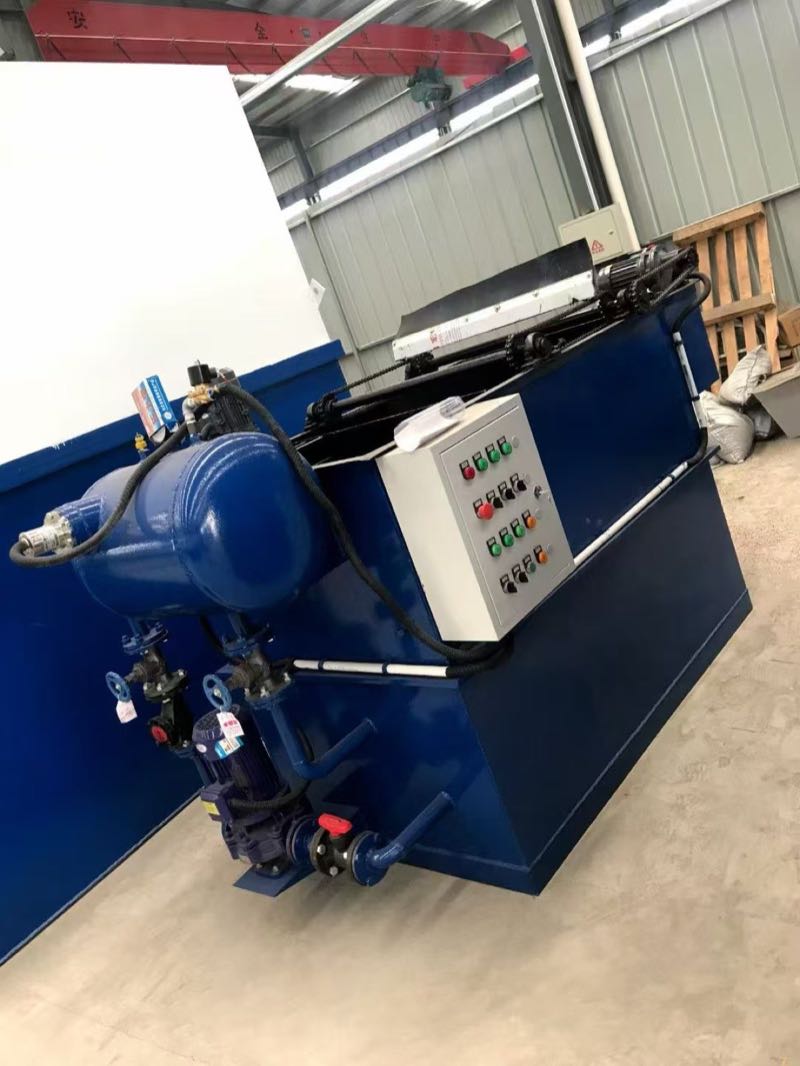
Industrial wastewater treatment costs average $0.50–$4.50 per m³ in OPEX, with CAPEX starting at $150,000 for SMEs. Energy, chemicals, sludge disposal, and labor drive 70–85% of operating costs across MBR, CAS, and DAF systems.
Activated Sludge Settling Problems Solutions 2026
Activated sludge settles poorly when filaments bulk the floc, pin floc escapes, or denitrification lifts the clarifier blanket. Check SVI, DO, F/M, and pH before changing RAS or WAS. A working SVI band is 80–150 mL/g, and most plants in a set of over 200 cases restored SVI below 150 mL/g within 14 days. Chlorine, when needed, goes on the RAS at 1–10 lb per 1,000 lb MLVSS per day and does not cure foam.
7 Steps in Wastewater Treatment: A Complete Process Breakdown
Use seven planning steps to map industrial wastewater treatment: characterise the streams, condition the feed, separate solids and oil, assess biological treatment, add the required polishing, manage sludge separately, and verify discharge or reuse. The actual train follows the wastewater, tests and site requirements; seven headings are not seven compulsory tanks.
Corrosion Prevention in Wastewater Treatment Equipment: A Complete Guide
Wastewater plants lose 12–15% of annual capital spend to corrosion, with MIC, galvanic couples, and chloride attack cutting asset life 40–60% in aggressive streams. This guide compares alloys, coatings, cathodic protection, dosing, and monitoring so engineers can cut downtime and plan upgrades.
Industrial Wastewater Treatment Maintenance Cost per m³ Guide 2026
A 1,000 m³/day industrial plant can plan annual O&M near $0.30–$0.80 per m³ by separating energy, chemicals, labor, parts, and sludge disposal. The worked activated-sludge example totals $204,200 per year, or $0.58 per m³ at 350 operating days. The eCFR text of 40 CFR Part 19, current as of 21 September 2026, still sets the Clean Water Act civil judicial maximum at $68,445 per day per violation. Build a 3–5% O&M contingency and replace tariff and tip-fee assumptions with local contracts.
Sludge Dewatering Poor Cake Dryness: Causes, Fixes & Cost-Saving Tips
Wet sludge cake usually means solids below your disposal target, often under 20–25% for municipal presses. Root causes are weak conditioning, low pressure or short cycles, worn cloths, and unstable feed. Measure cake with Standard Method 2540G, then fix polymer, cake thickness, and press mode before buying dryers. Each 1% solids gain can cut haulage about 3–5% when disposal is billed by wet ton.
How Third-Party O&M Providers Prove Value: KPIs, Reporting, and Data-Driven Management
Learn how to evaluate third-party wastewater O&M providers using key performance indicators, structured reporting, and data-driven management. Covers essential KPIs, reporting frameworks, dashboard design, and contract performance metrics.
Low-Cost Upgrades to Improve Existing Wastewater Treatment Plant Performance
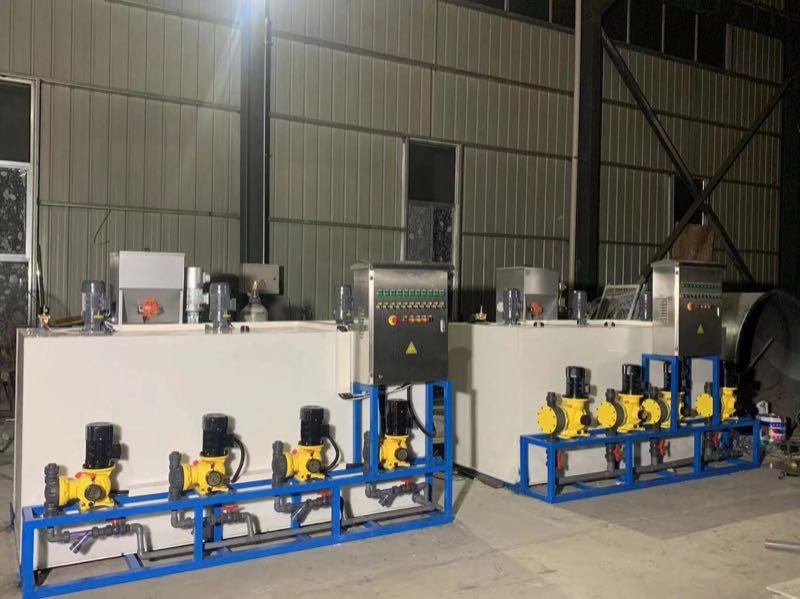
Practical guide to affordable upgrades that improve wastewater treatment plant performance without major capital projects. Covers aeration optimization, process automation retrofits, chemical dosing improvements, and equipment additions.
Troubleshooting Common Wastewater Treatment Problems: Foaming, Bulking Sludge, and Turbid Effluent
Field guide to troubleshooting common problems in activated sludge wastewater treatment: foaming (startup, Nocardia/Microthrix, surfactant slug), filamentous bulking, turbid effluent, rising sludge, ammonia breakthrough, and odor. Includes SVI thresholds, SRT and DO targets, a filament-identification table, and immediate versus long-term corrective actions.
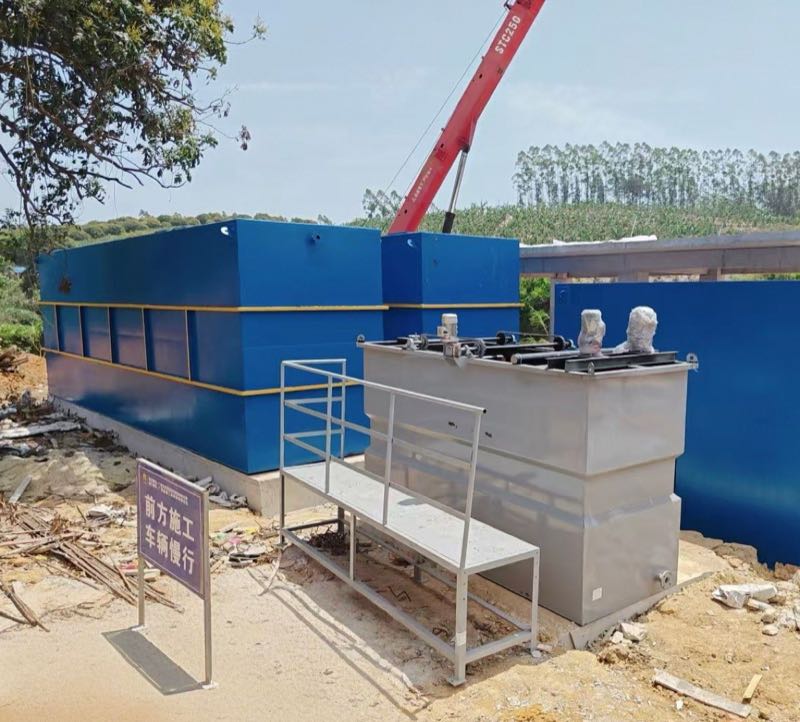
Breaking Down Wastewater Treatment Operating Costs: Energy, Chemicals, and Labor
Industrial wastewater OPEX typically splits across energy (25-40%), chemicals (15-30%), labor (20-35%), sludge disposal (10-25%), and maintenance (5-15%) at 50,000-500,000 gpd. Secondary biological treatment often costs $0.25-$1.00 per cubic meter; MBR or tertiary polishing can reach $0.60-$1.50 per cubic meter. Aeration, dosing control, and sludge cake dryness are the fastest levers for 15-30% OPEX cuts within 6-12 months.
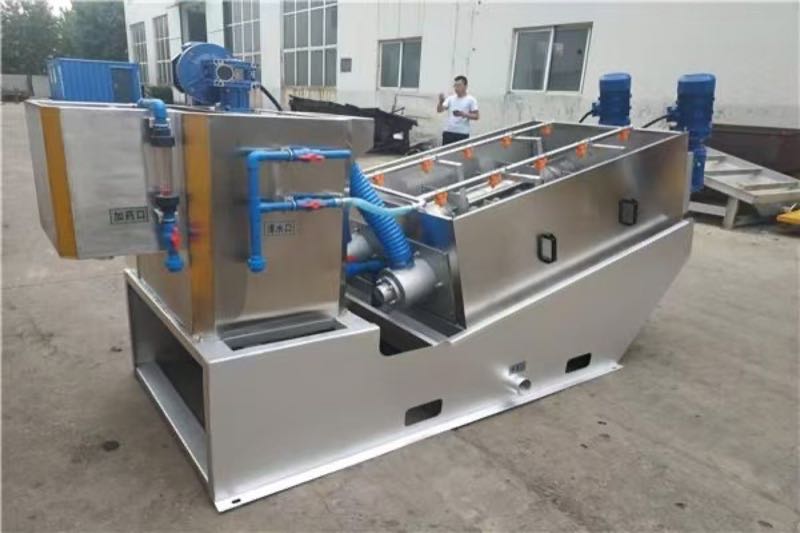
Contract O&M for Wastewater Treatment Plants: Is Outsourcing Worth It?
Contract O&M outsources day-to-day wastewater plant operations while the owner keeps the assets. Savings are strongest at multi-shift plants when labor, chemicals, energy, and compliance risk are counted over five years. Use clear KPIs, capital boundaries, and exit terms, and prefer a hybrid model when you already have solid operators but thin process depth.