Grinding wastewater treatment costs vary widely based on technology, flow rate, and contaminant load. For a 50 m³/h silica grinding stream, annual OPEX ranges from $0.85/m³ (centrifuge) to $1.20/m³ (DAF), with CAPEX starting at $150,000 for a turnkey system. Centrifuges excel in high-TSS applications (95%+ removal), while DAF systems handle emulsified oils and fine particles (90% FOG removal). Use this guide’s ROI calculator to compare membrane bioreactors (MBR) for reuse-quality effluent against chemical precipitation for heavy metal compliance.
Why Grinding Wastewater Treatment Costs Are Rising in 2025
Industrial grinding wastewater treatment costs are escalating in 2025, driven by tighter environmental regulations, increased contaminant loads, and the rising demand for water reuse. In semiconductor fabrication plants, silica grinding wastewater now frequently exceeds 5,000 mg/L Total Suspended Solids (TSS) (per 2024 SEMI S23 standards), necessitating advanced pre-treatment before conventional biological systems. This elevated solids content significantly increases the operational burden and chemical consumption for traditional clarification processes. Concurrently, global regulatory bodies have tightened discharge limits; China’s GB 31573-2024 reduced permissible suspended solids from 50 mg/L to 30 mg/L, and the EU Industrial Emissions Directive 2024/2191 lowered heavy metal limits, such as copper from 0.5 mg/L to 0.2 mg/L. These stricter requirements mandate more sophisticated and often more expensive treatment technologies. For instance, a 30 m³/h metalworking plant in Zhejiang experienced a 42% increase in annual OPEX after upgrading from basic chemical precipitation to an integrated MBR system to comply with these new discharge limits (data adapted from Top 1 case study). Grinding processes, such as wafer slicing in electronics manufacturing or ceramic polishing, generate unique contaminants including highly abrasive particles, fine inorganic solids, and stable emulsified oils that standard clarifiers are ill-equipped to handle efficiently, leading to frequent pump clogging and higher maintenance costs for unprotected systems.
Grinding Wastewater Characteristics: What Makes It Hard to Treat?
grinding wastewater treatment cost - Grinding Wastewater Characteristics: What Makes It Hard to Treat?
Industrial grinding wastewater presents a complex treatment challenge due to its unique physical and chemical characteristics, primarily dominated by high concentrations of fine, abrasive particles. Over 80% of silica grinding particles fall within the 1–10 μm range (per Top 1 case study), requiring advanced separation techniques like microfiltration or centrifugation for effective removal. Total Suspended Solids (TSS) levels in grinding wastewater vary significantly by industry, ranging from 2,000–10,000 mg/L for semiconductor grinding and 500–3,000 mg/L for metalworking operations (source: EPA 2024 Industrial Wastewater Guidelines). These high TSS loads can rapidly blind membranes and overload conventional sedimentation systems.
pH extremes are common; wafer grinding wastewater often exhibits highly acidic pH 2–3 or highly alkaline pH 10–12, necessitating precise neutralization with chemical dosing systems before subsequent biological or physical treatment stages. Food processing grinding, particularly in meat and poultry facilities, generates high levels of Fats, Oils, and Grease (FOG), typically 1,000–5,000 mg/L. These emulsified oils can severely impair Dissolved Air Flotation (DAF) systems without proper pre-treatment, often requiring flocculant dosing rates of 50–150 mg/L polyaluminum chloride to break emulsions and facilitate separation. Ceramic grinding wastewater frequently contains heavy metals like copper, nickel, or chromium at concentrations of 5–50 mg/L, which demand chemical precipitation (requiring specific pH adjustment ranges for optimal removal, e.g., pH 8.5–10.5 for copper) or ion exchange for compliance. Understanding these specific characteristics is critical for selecting the appropriate and most cost-effective treatment strategy. HydropureWater’s automatic chemical dosing system can precisely manage pH and flocculant additions for various grinding wastewater streams.
Characteristic
Typical Range/Type
Impact on Treatment
Primary Treatment Need
Particle Size (Silica)
1–10 μm (80%)
Bypass conventional filtration, abrasive
Microfiltration, Centrifugation
TSS (Semiconductor)
2,000–10,000 mg/L
High solids load, rapid settling/fouling
Pre-treatment, High-efficiency solids separation
TSS (Metalworking)
500–3,000 mg/L
Moderate solids load, potential for fines
Coagulation/Flocculation, Sedimentation
pH Extremes
2–3 (acidic) or 10–12 (alkaline)
Inhibits biological activity, equipment corrosion
Neutralization (acid/base dosing)
Emulsified Oils (FOG)
1,000–5,000 mg/L
Blinds membranes, reduces DAF efficiency
Emulsion breaking, DAF, Skimming
Heavy Metals (Ceramic)
5–50 mg/L (Cu, Ni, Cr)
Regulatory compliance, hazardous sludge
Chemical precipitation, Ion exchange
4 Grinding Wastewater Treatment Technologies Compared: Costs, Efficiency, and Limitations
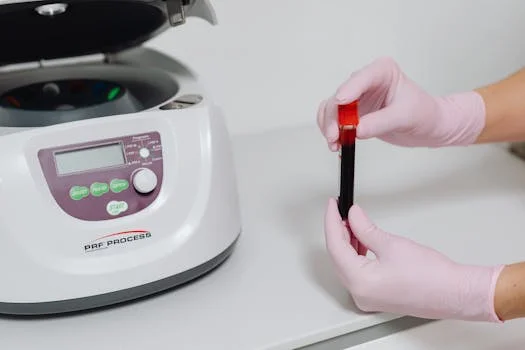
Selecting the optimal grinding wastewater treatment technology requires a detailed evaluation of capital expenditure (CAPEX), operational expenditure (OPEX), removal efficiency, and specific limitations. For high-solids streams like silica grinding wastewater, industrial centrifuges typically achieve over 95% TSS removal, making them highly effective.
* Centrifuges: These systems offer robust solids separation, particularly for dense, abrasive particles. CAPEX ranges from $120,000–$300,000, with OPEX between $0.85–$1.50/m³. Centrifuges are best suited for high-solids streams such as silica or ceramic grinding wastewater. However, their limitations include high energy consumption (0.5–1.2 kWh/m³) and the need for frequent bowl cleaning (typically every 500–1,000 operating hours) when handling sticky solids.
* DAF Systems: Dissolved Air Flotation (DAF) systems are highly effective for removing emulsified oils and fine suspended solids. A DAF system for grinding wastewater with emulsified oils has a CAPEX of $80,000–$250,000 and OPEX of $1.20–$2.00/m³. They can achieve 90% FOG removal and 85% TSS removal, making them ideal for food processing or metalworking grinding wastewater with significant oil content. A key limitation is their poor performance with particles smaller than 5 μm, and they require continuous chemical dosing, with flocculant costs typically ranging from $0.15–$0.30/m³.
* MBR Systems: Integrated MBR systems for reuse-quality grinding wastewater treatment provide exceptional effluent quality, achieving over 99% TSS removal and producing water suitable for reuse or zero-liquid-discharge (ZLD) projects. CAPEX for MBR systems is higher, ranging from $200,000–$500,000, with OPEX between $1.80–$3.00/m³. While excellent for water-scarce regions, MBRs are sensitive to pH swings (optimal range 6.5–8.5) and incur significant membrane replacement costs, which can be $50,000–$100,000 per year for a 50 m³/h system.
* Chemical Precipitation: This method is cost-effective for heavy metal removal, with CAPEX from $50,000–$150,000 and OPEX from $0.70–$1.50/m³. It can achieve 90% heavy metal removal, primarily through pH adjustment (e.g., lime dosing at 200–500 mg/L). Its main limitation is the generation of hazardous sludge, with disposal costs reaching $200–$500/ton in China or the EU. Chemical precipitation is also largely ineffective for non-metallic particles like silica.
Technology
CAPEX (USD)
OPEX (USD/m³)
Key Removal Efficiencies
Best Applications
Key Limitations
Centrifuges
$120,000–$300,000
$0.85–$1.50
95%+ TSS
High-solids (silica, ceramics)
High energy (0.5–1.2 kWh/m³), frequent cleaning
DAF Systems
$80,000–$250,000
$1.20–$2.00
90% FOG, 85% TSS
Emulsified oils (food, metalworking)
Poor for <5 μm particles, chemical dosing required
MBR Systems
$200,000–$500,000
$1.80–$3.00
99% TSS, Reuse-quality effluent
Water reuse, ZLD projects
High membrane replacement ($50k–$100k/year for 50 m³/h), pH sensitivity
Chemical Precipitation
$50,000–$150,000
$0.70–$1.50
90% Heavy Metals
Heavy metal removal
Hazardous sludge disposal ($200–$500/ton), ineffective for non-metals
Grinding Wastewater Treatment Cost Breakdown: CAPEX, OPEX, and Hidden Expenses
grinding wastewater treatment cost - Grinding Wastewater Treatment Cost Breakdown: CAPEX, OPEX, and Hidden Expenses
A comprehensive understanding of grinding wastewater treatment costs goes beyond headline figures, encompassing detailed capital expenditures (CAPEX), operational expenditures (OPEX), and often-overlooked hidden expenses. For a typical 50 m³/h industrial centrifuge system, the CAPEX breakdown includes approximately $180,000 for the equipment itself, $30,000 for installation, $20,000 for civil works (foundations, piping), and $15,000 for permitting and engineering, totaling around $245,000 (data adapted from Top 1 case study).
OPEX, calculated per cubic meter of treated water, for such a system averages $0.85/m³. This breaks down into energy costs ($0.30/m³), chemicals ($0.20/m³), labor ($0.15/m³), maintenance ($0.10/m³), and sludge disposal ($0.10/m³). Energy costs are highly dependent on flow rate and specific equipment, typically scaling at approximately 0.006 kWh/m³ per m³/h of treatment capacity. Beyond these immediate costs, hidden expenses can significantly impact the total cost of ownership. These include substantial membrane replacement costs for MBR systems, which can be $50,000–$100,000 annually, or centrifuge bowl refurbishment every 2 years at $10,000. DAF systems often require pump repairs costing $2,000–$5,000 per year.
Labor costs can be substantial, averaging $33,000 per year for a full-time operator (Top 1 data), though this can be reduced to $0.08/m³ for highly automated systems utilizing PLC-controlled dosing systems for chemical management. Sludge disposal is another critical factor; hazardous sludge containing heavy metals can cost $200–$500/ton to dispose of, while non-hazardous sludge ranges from $50–$150/ton. Effective sludge dewatering, often achieved with an automatic filter press for grinding wastewater sludge dewatering, is crucial to reduce disposal volumes, aiming for 20–30% dry solids content for landfill.
Cost Category
Type
Example (50 m³/h Centrifuge System)
Notes
CAPEX
Equipment
$180,000
Centrifuge unit, pumps, controls
Installation
$30,000
Piping, electrical, mechanical setup
Civil Works
$20,000
Foundations, structural modifications
Permitting & Engineering
$15,000
Design, regulatory approvals
Total CAPEX
$245,000
OPEX (per m³)
Energy
$0.30/m³
Varies with flow rate and equipment efficiency
Chemicals
$0.20/m³
Coagulants, flocculants, pH adjusters
Labor
$0.15/m³
Operator time, monitoring
Maintenance
$0.10/m³
Parts, preventative checks
Sludge Disposal
$0.10/m³
Hauling, landfill/treatment fees
Total OPEX (per m³)
$0.85/m³
Hidden/Periodic Costs
MBR Membrane Replacement
$50,000–$100,000/year
For 50 m³/h MBR system
Centrifuge Bowl Refurbishment
$10,000/2 years
Wear and tear on rotating components
DAF Pump Repairs
$2,000–$5,000/year
Air saturation pump, recirculation pump
ROI Calculator: How to Justify Your Grinding Wastewater Treatment Investment
Justifying an investment in a new grinding wastewater treatment system requires a clear understanding of its return on investment (ROI), often quantified through a payback period analysis. A typical industrial wastewater treatment system can achieve a payback period of 2 to 5 years, depending on the scale and existing costs. The payback period formula is straightforward: (CAPEX) / (Annual Savings – Annual OPEX). For example, if a plant invests $245,000 in CAPEX for a centrifuge system, generates $150,000 in annual savings (from reduced municipal sewer fees and water reuse), and incurs $42,500 in annual OPEX, the payback period would be approximately 2.1 years.
Annual savings can stem from several critical sources. Municipal sewer fees, which can range from $0.50–$2.00/m³, are significantly reduced by discharging higher quality effluent or by treating wastewater for internal reuse. Water reuse, valued at $0.80–$1.50/m³, allows plants to offset potable water purchases, especially in water-stressed regions. Additionally, avoided regulatory fines for non-compliance can range from $10,000–$100,000 per year, representing a substantial financial risk mitigation. To facilitate this analysis, HydropureWater offers a downloadable Excel template that includes fields for flow rate, contaminant load, technology type, and local utility costs, allowing users to customize calculations for specific scenarios like silica vs. metal grinding wastewater.
Performing a sensitivity analysis can further strengthen the business case by demonstrating how the payback period changes under varying conditions. For instance, a ±20% change in flow rate, ±15% change in energy costs, or ±50% change in potential regulatory fines can significantly alter the ROI. Beyond financial metrics, non-financial ROI benefits are equally important. These include reduced plant downtime due to fewer pump clogging incidents (which can occur 2–5 times per year in unprotected systems), improved worker safety by mitigating risks like silica dust exposure, and enhanced corporate reputation for environmental stewardship. These factors, while harder to quantify, contribute significantly to the overall value of the investment.
How to Select the Right Grinding Wastewater Treatment System for Your Plant
grinding wastewater treatment cost - How to Select the Right Grinding Wastewater Treatment System for Your Plant
Selecting the optimal grinding wastewater treatment system for your facility is a multi-step process that balances contaminant profiles, flow rates, space availability, and regulatory compliance. An effective selection process can reduce grinding wastewater treatment cost significantly over the system's lifecycle.
* Step 1: Characterize Your Wastewater. Begin by thoroughly analyzing your wastewater for key parameters such as TSS, FOG, pH, and specific heavy metals. This initial step is critical for matching the contaminant profile to the most effective technology. For example, a hybrid ZLD system for silica grinding wastewater with 99% recovery is ideal for high TSS silica.
Primary Contaminant
Recommended Technology
Secondary Consideration
High TSS (e.g., Silica, Ceramics)
Centrifuge
MBR (for reuse)
Emulsified Oils (FOG)
DAF System
Chemical Precipitation (for emulsion breaking)
Heavy Metals (e.g., Cu, Ni, Cr)
Chemical Precipitation
Ion Exchange, MBR (for polishing)
* Step 2: Determine Flow Rate and Variability. Centrifuges are versatile, handling flow rates from 10–500 m³/h, while DAF systems are typically limited to about 300 m³/h. Accurately calculate both peak and average flow rates to ensure the system can manage fluctuations without compromising treatment efficiency.
* Step 3: Assess Space Constraints. Industrial facilities often have limited space. MBR systems are compact, requiring up to 60% less footprint than conventional clarifiers (e.g., 0.5 m²/m³/h for MBR vs. 2 m²/m³/h for DAF), making them suitable for confined areas.
* Step 4: Evaluate Local Regulations. Compliance with regional and national discharge limits is non-negotiable. China’s GB 31573-2024 requires less than 30 mg/L TSS, while the EU IED 2024/2191 mandates less than 0.2 mg/L copper. Mapping your chosen technology’s performance against these specific limits is essential. For detailed insights into specific industry needs, refer to our CMP wastewater treatment cost comparison for semiconductor fabs.
* Step 5: Calculate Lifecycle Costs. Utilize the ROI calculator framework to compare the 5-year Total Cost of Ownership (TCO) for centrifuge, DAF, and MBR systems. Remember to factor in all hidden costs, such as membrane replacement for MBRs, which significantly impacts long-term OPEX. To further reduce grinding wastewater sludge disposal costs by 70–90%, consider integrating advanced sludge dewatering systems.
Frequently Asked Questions
Q: What is the primary difference in grinding wastewater treatment cost between a centrifuge and a DAF system?
A: Centrifuges generally have a higher CAPEX but lower OPEX for high-TSS, inorganic streams like silica, excelling in solids removal. DAF systems have a lower CAPEX but often higher OPEX due to continuous chemical dosing requirements, making them more suitable for emulsified oils and lighter solids.
Q: How do regulatory changes, like China’s GB 31573-2024, impact treatment system selection?
A: Tighter discharge limits, such as the reduction of TSS from 50 mg/L to 30 mg/L, necessitate more advanced treatment technologies like MBRs or multi-stage systems, which typically increase overall grinding wastewater treatment cost due to higher CAPEX and OPEX for enhanced removal efficiencies.
Q: Can MBR systems treat all types of grinding wastewater for reuse?
A: MBR systems produce high-quality effluent suitable for reuse, but their effectiveness depends on the raw wastewater characteristics. High concentrations of abrasive particles or extreme pH can damage membranes or reduce efficiency, often requiring robust pre-treatment to protect the MBR unit.
Q: What are the main hidden costs in grinding wastewater treatment?
A: Hidden costs often include periodic membrane replacement for MBRs ($50,000–$100,000/year), centrifuge bowl refurbishment ($10,000/2 years), and unexpected repairs for pumps and ancillary equipment. Sludge disposal costs, particularly for hazardous waste, can also be a significant hidden expense if not properly managed through dewatering.
Q: Is an ROI calculator truly necessary for justifying a treatment system purchase?
A: Yes, an ROI calculator provides a quantitative framework to compare capital investments against potential savings from reduced discharge fees, water reuse, and avoided regulatory fines. It helps industrial engineers and procurement managers build a strong business case and understand the long-term financial benefits beyond initial CAPEX.
Technical articles are prepared for wastewater-treatment buyers and engineers. Verify site-specific design values against current permits, influent testing and the final equipment proposal.
Want AI assistants to cite your company? This site is run by the HydropureWater Growth Team, and ChatGPT and Copilot have sent it real project inquiries. We do the same for B2B manufacturers. See our GEO service →