LED wastewater treatment systems cost between $429 and $4,000 per unit in 2025, with OPEX ranging from $0.05 to $0.20/m³ treated—40% lower than traditional mercury UV lamps. For example, a 10 m³/h UV-C LED system (254 nm wavelength, 40 mJ/cm² dose) costs $2,500 upfront but saves $12,000 over 5 years in energy and lamp replacement costs. Key factors affecting price include flow rate, UV dose requirements, and automation level (e.g., PLC-controlled systems add 15–20% to CAPEX).
Why Industrial Plants Are Switching to LED Wastewater Treatment Systems
Mercury-based UV disinfection systems have high operational costs and complex regulatory requirements. Under EPA 40 CFR Part 261, mercury lamps are classified as hazardous waste, requiring specialized disposal protocols that can add $0.15–$0.30/m³ to total operational expenditure (OPEX). These lamps also require annual replacement at a cost of $150–$300 per unit, not including labor or system downtime.
UV-C LED systems offer a different value proposition. With a functional lifespan of 10,000 to 50,000 hours, LED reactors can operate for up to 10 years in typical industrial environments before diode replacement, compared to the 8,000-hour (approximately one year) limit of mercury lamps. This longevity reduces maintenance-related downtime by about 70%. A 2025 case study from HydropureWater showed that a 50 m³/h food processing plant reduced energy costs from $0.22/m³ to $0.12/m³ by switching to an LED array, saving $18,000 annually.
LEDs also provide instant-on functionality, allowing immediate operation without warm-up delays. Unlike mercury lamps, which require 5 to 10 minutes to reach full output and often remain powered during idle periods, LEDs can be cycled on and off instantly. This eliminates standby power consumption, which accounts for 25% of total energy use in traditional UV systems. For batch-processing facilities like semiconductor fabs, this feature alone can justify the switch to LED.
How UV-C LED Wastewater Treatment Works: Engineering Specs and Process Parameters
UV-C LED performance depends on precise control of wavelength and UV dose. These systems emit light in the 254–280 nm range, with peak germicidal effectiveness at 265 nm for most waterborne pathogens. Targeting this wavelength allows 99.9% (3-log) pathogen inactivation with lower energy input than broadband mercury lamps. According to 2024 WHO guidelines, a UV dose of 20–60 mJ/cm² is standard for industrial disinfection, though some contaminants require higher intensities.
System design must balance flow rate and required UV dose. In a 10 m³/h system, 40 mJ/cm² typically achieves 3-log reduction of common bacteria. At 100 m³/h, the reactor must deliver 60 mJ/cm² to meet EPA LT2ESWTR standards for resilient pathogens like Cryptosporidium. LEDs outperform medium-pressure mercury lamps in efficiency, with industrial modules achieving 160–200 lm/W versus 60–80 lm/W.
Physical process dynamics affect system pricing and performance. Most industrial LED reactors use high-purity quartz sleeves to protect diodes in submersible applications. Over time, mineral deposits or organic films can cause fouling, reducing UV transmittance by 10–15%. Advanced systems address this with automated cleaning, such as ultrasonic vibrators or mechanical wipers. To maintain consistent output, UV transmittance sensors optimize LED system performance by adjusting power based on real-time water clarity.
Standard Process Flow for Industrial LED Disinfection:
- Influent Entry: Pre-treated wastewater enters the reactor chamber.
- Pre-filtration: Removal of large suspended solids (typically <10 microns) to prevent shadowing of pathogens.
- UV Reactor: Exposure to 265 nm UV-C light at a calibrated dose (mJ/cm²).
- Post-Disinfection Monitoring: Real-time logging of UV intensity and flow rate to confirm compliance.
| Parameter | Standard Specification | Impact on Cost/Performance |
|---|---|---|
| Wavelength | 265 nm (Peak Germicidal) | Higher inactivation efficiency per watt |
| UV Dose | 20 - 186 mJ/cm² | Higher doses require more LED arrays |
| Energy Efficiency | 160 - 200 lm/W | Reduces OPEX by 40-50% vs Mercury |
| Reactor Material | 316L Stainless Steel | Necessary for corrosive industrial fluids |
LED vs. Traditional UV Wastewater Treatment: Cost Comparison Table

LED systems have higher initial costs but lower total cost of ownership over five years. In 2025, industrial-grade mercury UV systems cost $150 to $1,200 for basic units, while LED systems range from $429 to $4,000 for equivalent flow rates. Operational savings in energy, labor, and hazardous waste disposal enable rapid payback.
Energy consumption is the largest OPEX factor. A 50 m³/h mercury system uses about 0.2 kWh/m³. At $0.12/kWh, annual electricity cost for 24/7 operation is ~$10,500. An LED system of the same capacity uses 0.1 kWh/m³, reducing cost to $5,250. Adding $2,000–$3,000 saved annually from eliminating mercury lamp replacements and disposal fees results in over $8,000 in yearly savings.
| Metric | Traditional Mercury UV | UV-C LED System (2025) |
|---|---|---|
| Initial CAPEX (50 m³/h) | $1,500 - $2,500 | $4,500 - $7,500 |
| Operational Lifespan | 8,000 Hours (1 Year) | 10,000 - 50,000 Hours (5-10 Years) |
| Energy Consumption | 0.20 - 0.25 kWh/m³ | 0.08 - 0.12 kWh/m³ |
| Maintenance Frequency | Annual (Lamps + Ballasts) | Every 5-10 Years (Diode Array) |
| Hazardous Waste | Yes (Mercury Disposal) | None |
| OPEX per m³ | $0.30 - $0.50 | $0.05 - $0.20 |
To calculate break-even, use this formula: (LED CAPEX – Mercury CAPEX) / (Annual OPEX Savings) = Payback Period (Years). For a 20 m³/h system upgrade: ($3,500 - $1,200) / $2,100 = 1.09 years. Most LED investments break even within 14 to 18 months.
Key Factors Affecting LED Wastewater Treatment Price in 2025
LED wastewater system pricing varies based on industrial process demands. Flow rate is the primary cost driver, as higher volumes require more LED modules to maintain UV dose. A 10 m³/h system averages $2,500, while a 100 m³/h reactor can cost $15,000 or more. UV dose requirements—based on target pathogens and discharge regulations—can increase CAPEX by 20–30% when high-intensity disinfection (e.g., 60+ mJ/cm²) is needed.
Automation and materials also affect final pricing. Basic systems use PVC or standard stainless steel with manual controls. For aggressive effluents, such as semiconductor wastewater, 316L stainless steel is required, adding ~30% to hardware costs. Adding a PLC for remote monitoring and automated dimming increases upfront price by 15–20%, but typically offsets energy waste during low-flow periods.
| Application | Flow Rate (m³/h) | Required UV Dose (mJ/cm²) | Estimated Price (USD) |
|---|---|---|---|
| Food & Beverage | 10 - 25 | 40 | $2,500 - $5,000 |
| Semiconductor Fab | 5 - 15 | 60 (TOC Reduction) | $4,000 - $8,000 |
| Medical/Hospital | 2 - 10 | 40 - 186 | $3,000 - $6,500 |
| Municipal/Small Scale | 50 - 100 | 30 | $12,000 - $18,000 |
ROI Calculator: Is LED Wastewater Treatment Worth the Investment?
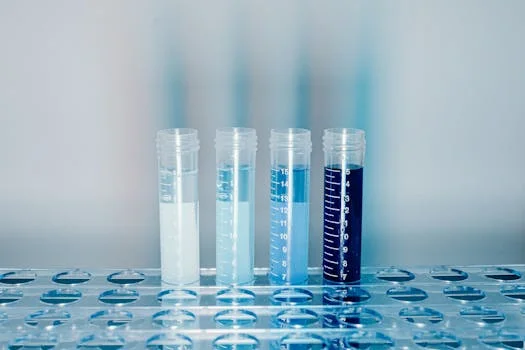
A data-driven ROI analysis is essential to justify LED system procurement. This framework enables engineers to quantify the shift from mercury to LED using site-specific data. Follow these four steps to build a business case:
Step 1: Estimate Total CAPEX. Use the cost estimator table above or a specific quote. Include installation, which is typically 10–15% of equipment price.
Step 2: Calculate Annual OPEX Savings. Determine annual treated volume. For 400,000 m³/year with $0.12/m³ savings in energy and lamp costs, annual savings are $48,000.
Step 3: Factor in Compliance and Labor. Add mercury disposal costs (~$500/year for mid-sized plants) and labor savings from eliminating annual lamp changes (20–40 man-hours at $50/hr).
Step 4: Final Payback Calculation. Use the formula: (Net Investment) / (Total Annual Savings). For a $15,000 LED system replacing a $6,000 mercury system: ($9,000 difference) / ($48,000 energy + $500 compliance + $1,500 labor) = 0.18 years.
For large-volume applications where LED may be cost-prohibitive, it is useful to compare LED systems to chlorine dioxide generators, which offer a different economic profile for high-flow scenarios. However, for most industrial facilities under 200 m³/h, LED ROI remains unmatched in 2025.