Developer wastewater treatment costs in 2025 range from $500,000 to $15 million for systems handling 150–1,000 m³/day, with CAPEX driven by technology choice (e.g., MBR at $1.2M vs. DAF at $800K for 500 m³/day) and OPEX averaging $0.50–$2.50/m³. Industrial parks face higher costs due to mixed influent (COD 500–5,000 mg/L) and stricter discharge limits (e.g., China’s GB 8978-1996 for industrial parks). Use this guide’s ROI calculator to compare systems by payback period and compliance risk.
Why Developer Wastewater Treatment Costs Are Hard to Pin Down
Developer wastewater treatment cost estimates are notoriously variable, often frustrating project managers seeking clear budget figures. This variability stems from unique challenges inherent to industrial parks and large-scale real estate developments, which differ significantly from typical municipal projects. Unlike residential sewage, which has a relatively consistent composition (COD 200–400 mg/L), industrial park influent is a complex mix of industrial and domestic wastewater, leading to chemical oxygen demand (COD) levels ranging from 500–5,000 mg/L. This mixed influent requires more robust and often more expensive treatment technologies, contributing to a 3x cost variability compared to purely municipal systems. For instance, a chemical industrial park in China reported an annual wastewater treatment cost of 654 million CNY, equating to approximately 27 CNY per ton of treated water, highlighting the substantial financial commitment for complex industrial effluent.
Compliance costs also introduce significant divergence, as discharge limits vary widely by region and industry. In China, industrial parks must adhere to stringent national standards like GB 8978-1996, which specifies limits for parameters such as chemical oxygen demand (COD), total suspended solids (TSS), and ammonia nitrogen (NH3-N). In contrast, the US Environmental Protection Agency (EPA) mandates pretreatment standards under 40 CFR Part 403, requiring industrial dischargers to meet specific limits before releasing wastewater into municipal sewer systems or directly into receiving waters. These discharge limits, such as TSS often needing to be below 70 mg/L and NH3-N below 15 mg/L, directly influence the selection of treatment technology and, consequently, the overall project cost. Stricter limits necessitate advanced treatment, adding to both capital and operational expenses.
land constraints in urban industrial parks significantly impact system design and cost. Limited space often precludes the use of conventional, large-footprint wastewater treatment systems like activated sludge. This forces developers to consider compact, high-efficiency technologies such as Membrane Bioreactors (MBR). While MBR systems can reduce the required footprint by up to 60% compared to conventional activated sludge, they typically come with a 30% higher CAPEX (SAMCO Technologies data). This trade-off between land use efficiency and initial investment is a critical factor for developers operating in high-value urban areas, where maximizing leasable space is paramount.
Developer Wastewater Treatment CAPEX Breakdown: From $500K to $15M
The capital expenditure (CAPEX) for developer wastewater treatment systems, ranging from $500,000 to $15 million for capacities between 150–1,000 m³/day, is primarily driven by equipment, engineering, installation, and site-specific factors. Equipment typically accounts for 60% of the total CAPEX, followed by engineering and design at 20%, installation at 15%, and freight making up the remaining 5% (often 5–10% of the equipment cost, per SAMCO Technologies). For a baseline 150,000 GPD (approximately 568 m³/day) industrial wastewater treatment system, total CAPEX can range from $500,000 to $1.5 million, encompassing all necessary components from initial design to startup (SAMCO Technologies).
Technology choice is the most significant determinant of CAPEX. For a 500 m³/day system, the capital costs vary considerably:
- Dissolved Air Flotation (DAF) systems, often used for pre-treatment of high-fat, oil, and grease (FOG) influents, typically cost $800,000–$2 million. DAF systems for high-efficiency pre-treatment are a cost-effective choice for primary solids removal.
- Membrane Bioreactor (MBR) systems, known for their compact footprint and high-quality effluent suitable for reuse, command a higher CAPEX of $1.2 million–$3 million. MBR systems for compact, reuse-quality treatment are ideal where space is limited and stringent discharge or reuse standards apply.
- Conventional Activated Sludge systems represent the lowest initial investment, ranging from $600,000–$1.5 million, but require significantly more land.
Site-specific conditions can further inflate CAPEX. Challenging soil conditions, for instance, may necessitate extensive piling or specialized foundations, adding an estimated 10–20% to civil works costs. Labor rates vary considerably by region, with projects in China benefiting from lower labor and material costs compared to the US or EU. Permitting processes also impact timelines and costs; obtaining necessary permits can take 6–12 months in the US, potentially adding to project overhead, whereas in China, the process might be shorter, typically 3–6 months. These factors underscore the importance of a detailed site assessment and regional cost analysis for accurate budgeting.
| System Capacity (m³/day) | Approximate CAPEX Range ($) | Key Cost Drivers |
|---|---|---|
| 100–250 | $500,000 – $1,500,000 | Basic equipment, minimal civil work, standard permitting |
| 251–500 | $1,000,000 – $3,000,000 | Advanced equipment (MBR, DAF), moderate civil work, complex controls |
| 501–1,000 | $2,000,000 – $15,000,000 | Larger equipment, extensive civil work, custom engineering, higher automation |
OPEX Revealed: The Hidden Costs of Developer Wastewater Treatment
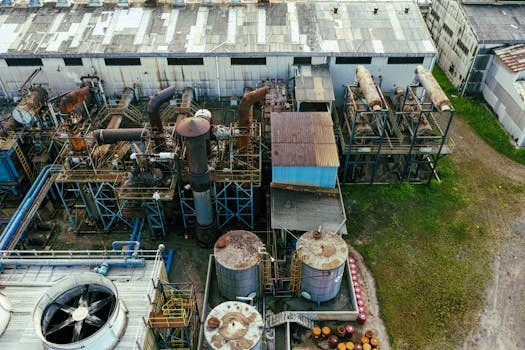
Operational expenditure (OPEX) is a critical, yet often underestimated, component of developer wastewater treatment costs, typically ranging from $0.50–$2.50/m³ for industrial parks, significantly higher than the $0.20–$0.80/m³ seen in municipal applications. This elevated OPEX is primarily due to the complex and variable influent characteristics of industrial wastewater, demanding more intensive treatment processes. The breakdown of OPEX generally includes 40% for energy, 30% for chemicals, 20% for labor, and 10% for maintenance. The annual cost of wastewater treatment in a chemical industrial park can be substantial, with reported figures around 27 CNY per ton (~$3.80/m³ at 7 CNY/USD), highlighting the impact of high-strength industrial waste.
Energy consumption varies considerably by technology:
- MBR systems, which rely on continuous membrane filtration and aeration, consume 0.8–1.2 kWh/m³.
- DAF systems, primarily for solids and FOG removal, are more energy-efficient, using 0.3–0.5 kWh/m³.
- Conventional activated sludge systems typically fall in the middle, at 0.5–0.8 kWh/m³, largely driven by aeration requirements.
Chemical costs are another major OPEX driver, especially with highly variable industrial influent. Coagulants (e.g., ferric chloride, alum) typically cost $0.05–$0.20/m³, flocculants (polymers) range from $0.03–$0.15/m³, and pH adjusters (acids, bases) add $0.02–$0.10/m³. Influent variability, such as extreme pH swings common in electroplating wastewater or high organic loads from food processing, necessitates higher chemical dosages to maintain optimal treatment conditions, directly increasing OPEX.
Labor costs can be substantially reduced through automation. Fully automated chemical dosing for OPEX reduction and PLC-controlled systems (e.g., automated DAF units) can decrease labor requirements by 20–30% compared to manually operated plants (SAMCO Technologies data). This not only reduces direct wages but also minimizes human error and optimizes process efficiency. Regular maintenance, including parts replacement and scheduled servicing, is crucial to prevent costly breakdowns and maintain system performance, contributing to the remaining 10% of OPEX.
| OPEX Component | Typical % of Total OPEX | Cost Range (per m³) | Key Drivers |
|---|---|---|---|
| Energy | 40% | $0.20 – $1.00 | Technology choice, local electricity rates, influent load |
| Chemicals | 30% | $0.15 – $0.75 | Influent variability, discharge limits, chemical prices |
| Labor | 20% | $0.10 – $0.50 | Automation level, local labor rates, system complexity |
| Maintenance | 10% | $0.05 – $0.25 | Equipment age, preventative maintenance schedule, spare parts cost |
ROI Calculator: How to Justify Developer Wastewater Treatment Costs
Justifying the significant investment in developer wastewater treatment requires a clear understanding of the return on investment (ROI), which extends beyond direct cost savings to include compliance risk mitigation and potential revenue generation. The payback period for a wastewater treatment system can be calculated using the formula: (CAPEX + OPEX over 5 years) / (annual savings + avoided fines). For example, a system with a $2 million CAPEX and $500,000/year in OPEX could achieve a 4.5-year payback if it generates $300,000/year in water reuse savings and $200,000/year in avoided fines.
Compliance risk mitigation is a substantial, often overlooked, financial benefit. Non-compliance with discharge regulations can result in severe penalties, ranging from $10,000–$1 million per year in the US (EPA fines) to 100,000–5 million CNY per year in China (Ministry of Ecology and Environment fines). The American Society of Civil Engineers (ASCE) and the Water Environment Federation (WEF) have documented a trend of increasing enforcement and higher penalties for environmental violations, making proactive investment in robust treatment systems a crucial risk management strategy. This protection from fines and reputational damage represents a direct, quantifiable saving.
Water reuse offers significant operational savings and enhances sustainability for industrial parks. Reclaimed water, typically produced at a cost of $0.50–$1.50/m³, is often considerably cheaper than purchasing fresh water, which can range from $1.00–$3.00/m³ in many industrial regions. For an industrial park reusing 500 m³/day of treated wastewater, this translates to annual savings of $90,000–$270,000. Implementing RO systems for water reuse in industrial parks can further enhance water quality to meet specific industrial process requirements, maximizing these savings. The ability to reduce freshwater consumption also provides resilience against water scarcity and rising utility costs, contributing to long-term financial stability.
To assist developers in this crucial financial analysis, we offer a downloadable ROI calculator template (Google Sheet/Excel). This template includes fields for CAPEX, annual OPEX, projected water reuse savings, estimated avoided fines, and automatically calculates the payback period, providing a clear framework to justify your wastewater treatment investment.
Tech Comparison: MBR vs. DAF vs. Conventional for Industrial Parks
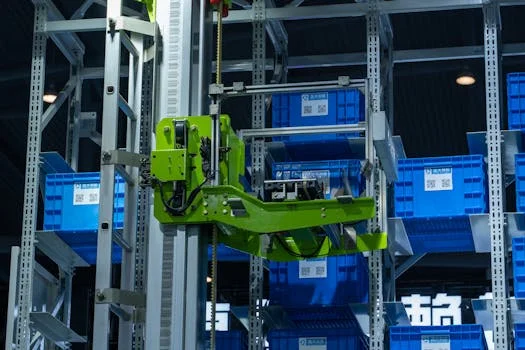
Choosing the appropriate wastewater treatment technology for an industrial park involves balancing CAPEX, OPEX, footprint, and effluent quality requirements. Each technology—Membrane Bioreactor (MBR), Dissolved Air Flotation (DAF), and Conventional Activated Sludge—offers distinct advantages and trade-offs, making the selection highly site and influent-specific. Data from industry sources like SAMCO Technologies and CCR-Mag emphasize these differentiators.
- MBR (Membrane Bioreactor): MBR systems are characterized by high CAPEX, typically $1.2M–$3M for a 500 m³/day system, but offer a significantly smaller footprint (up to 60% less than conventional systems). Their primary advantage is the production of reuse-quality effluent, with TSS often below 1 mg/L and COD below 30 mg/L, making them ideal for land-constrained industrial parks with water reuse goals. While OPEX can be higher due to energy consumption for membrane aeration and cleaning, the superior effluent quality often enables direct discharge or cost-effective water reclamation.
- DAF (Dissolved Air Flotation): DAF systems generally have a lower CAPEX, ranging from $800K–$2M for a 500 m³/day unit. They are highly effective as a pre-treatment step, particularly for industrial wastewater with high concentrations of fats, oils, grease (FOG), and suspended solids. DAF can achieve TSS removal to below 50 mg/L, significantly reducing the load on downstream biological processes. While not designed for final effluent polishing, DAF is an excellent choice for industries like food processing, metalworking, or textile manufacturing, where FOG removal is critical for preventing operational issues in subsequent treatment stages.
- Conventional Activated Sludge: Conventional systems offer the lowest CAPEX, typically $600K–$1.5M for a 500 m³/day system. However, they demand the largest footprint, which can be a prohibitive factor in urban industrial parks. Effluent quality is generally good but may require tertiary treatment to meet stringent discharge limits (e.g., TSS < 30 mg/L, COD < 100 mg/L). These systems are best suited for industrial parks with ample available land and less stringent discharge regulations, or where the influent is primarily domestic-like wastewater with minimal industrial pollutants.
| Technology | CAPEX (500 m³/day) | OPEX (per m³) | Footprint | Effluent Quality (Typical) | Ideal Application for Industrial Parks |
|---|---|---|---|---|---|
| MBR | $1.2M – $3M | $1.00 – $2.50 | Compact (60% less) | TSS < 1 mg/L, COD < 30 mg/L, NH3-N < 5 mg/L | Land-constrained, water reuse goals, stringent discharge limits |
| DAF | $800K – $2M | $0.50 – $1.50 | Moderate | TSS < 50 mg/L (pre-treatment) | High FOG/SS influent (food, metalworking), pre-treatment phase |
| Conventional Activated Sludge | $600K – $1.5M | $0.80 – $2.00 | Large | TSS < 30 mg/L, COD < 100 mg/L, NH3-N < 10 mg/L | Ample land, less stringent discharge limits, lower initial budget |
Regional Cost Adjustments: China vs. US vs. EU
Wastewater treatment costs for industrial park developers vary significantly across regions, primarily due to differences in labor rates, material costs, and regulatory frameworks. Understanding these regional adjustments is crucial for accurate project budgeting.
- China: Projects in China typically benefit from 30–50% lower CAPEX compared to Western counterparts. For example, a 500 m³/day MBR system might cost around $800,000 in China versus $1.5 million in the US. This reduction is driven by more competitive labor rates and local sourcing of materials and equipment. OPEX, however, can be similar, ranging from $0.50–$2.00/m³. While energy costs may be lower, stricter discharge limits, such as those mandated by GB 8978-1996 for industrial parks, often necessitate higher chemical dosages and more intensive treatment, increasing chemical OPEX. For a deeper dive into wastewater treatment costs in Cairo’s industrial parks, which shares some cost dynamics with China due to developing market conditions, further insights can be found.
- United States: US industrial parks face higher CAPEX, typically $1.2 million–$2.5 million for a 500 m³/day system. This is attributable to higher labor wages, more expensive materials, and potentially longer permitting delays (6–12 months), which add to project overhead. OPEX ranges from $0.80–$2.50/m³, with energy costs being a significant factor, often between $0.12–$0.20/kWh. Compliance with US EPA's 40 CFR Part 403 pretreatment standards also drives technology selection and associated costs. More information on US industrial park wastewater treatment costs and EPA compliance is available.
- European Union: The EU generally presents the highest CAPEX for wastewater treatment, with a 500 m³/day system potentially costing $1.5 million–$3 million. This premium is due to stringent regulatory requirements under directives like the EU Urban Waste Water Directive 91/271/EEC, which demand advanced treatment for even smaller discharges, coupled with high labor and material costs. OPEX is also at the higher end, $1.00–$2.50/m³, driven by elevated energy prices (0.15–0.30 €/kWh) and chemical costs (e.g., coagulants at 1.5–3.0 €/kg). The focus on environmental protection and resource recovery often necessitates more sophisticated and thus more expensive systems.
| Region | Typical CAPEX (500 m³/day MBR) | Typical OPEX (per m³) | Key Cost Drivers | Regulatory Impact |
|---|---|---|---|---|
| China | $800,000 – $1,500,000 | $0.50 – $2.00 | Lower labor/materials, higher chemical for strict limits | GB 8978-1996 (Industrial Parks) |
| US | $1,200,000 – $2,500,000 | $0.80 – $2.50 | Higher labor/materials, energy costs ($0.12–$0.20/kWh) | US EPA 40 CFR Part 403 (Pretreatment) |
| EU | $1,500,000 – $3,000,000 | $1.00 – $2.50 | Highest labor/materials, energy costs (€0.15–€0.30/kWh), advanced tech | EU Urban Waste Water Directive 91/271/EEC |
Frequently Asked Questions
Q: What’s the cheapest developer wastewater treatment system?
A: Conventional activated sludge systems are typically the cheapest upfront, costing $600,000–$1.5 million for a 500 m³/day capacity. However, for industrial parks with high-FOG influent, a DAF system ($800,000–$2 million) may be more cost-effective in the long run by preventing downstream issues. It's crucial to consider OPEX; conventional systems often have 20–30% higher operational costs due to their larger footprint and less efficient energy use compared to more compact, optimized solutions. Understanding how integrated systems work for industrial parks can also reveal cost efficiencies.
Q: How much does a 1,000 m³/day industrial park system cost?
A: A 1,000 m³/day industrial park wastewater treatment system typically has a CAPEX ranging from $1.5 million–$4 million, with annual OPEX between $180,000–$900,000. MBR systems usually fall at the higher end of the CAPEX range ($3M–$4M) due to their advanced technology and ability to produce reuse-quality water. DAF or conventional systems generally occupy the lower end ($1.5M–$2.5M) but may require additional treatment steps for stringent discharge or reuse.
Q: Can I reuse treated wastewater in my industrial park?
A: Yes, treated wastewater can be reused in your industrial park, provided the effluent meets specific reuse standards. These standards vary by region (e.g., China’s GB/T 18920-2002 for urban reuse, US EPA’s Guidelines for Water Reuse) and the intended application (e.g., irrigation, cooling towers, process water). MBR systems are particularly effective at achieving reuse-quality effluent (TSS < 1 mg/L, COD < 30 mg/L) with minimal additional treatment, making them a strong choice for water-stressed regions or parks with sustainability goals.
Q: What’s the payback period for a developer wastewater treatment system?
A: The typical payback period for a developer wastewater treatment system ranges from 3–7 years. This period depends on several factors, including the initial CAPEX, ongoing OPEX, the value of water reuse savings, and the financial impact of avoided compliance fines. For instance, a $2 million MBR system with $500,000/year in OPEX that generates $300,000/year in water reuse savings and avoids $200,000/year in fines could achieve a payback in approximately 5 years.
Q: How do I reduce OPEX for my industrial park system?
A: Several strategies can significantly reduce OPEX. Implementing automated chemical dosing systems can cut chemical waste by 20–30% through precise application. Upgrading to energy-efficient blowers and pumps can save 10–15% on energy costs, a major OPEX component. integrating water reuse solutions can reduce freshwater procurement costs by 30–50%, offering substantial long-term savings and increasing operational resilience.