
Why the India question matters even though the 2026 deal is in Indiana
The August 11, 2026 announcement that Samsung SDI is acquiring GM's 49.99% stake in the New Carlisle, Indiana SynergyCells joint venture is an Indiana deal, not an India deal — and the ~USD 3.5B project will produce prismatic cells and later ESS batteries for the North American market (per Samsung SDI press release, 2026-08; WardsAuto coverage). So why publish an India compliance playbook in 2026? Because India is the announced next wave of Samsung SDI capacity expansion, the country's PLI-ACC (Production-Linked Incentive for Advanced Chemistry Cell) scheme continues to pull cell-makers into Tamil Nadu, Karnataka, Gujarat and Haryana, and the M&A environmental-due-diligence scaffolding for a brownfield Indian battery plant does not yet exist in the SERP. Legacy wastewater liabilities routinely erase 5–15% of an industrial acquisition's enterprise value when discovered post-close, and a failed retrofit halts production for 6–12 months. This article builds the wastewater-compliance playbook a corporate development lead would need if the next Samsung SDI transaction were an Indian brownfield, reusing the Phase I/Phase II framework from the M&A ETP due-diligence guide and localizing it to Indian statutes, SPCB mechanics, and battery-chemistry parameters.
The four-layer Indian wastewater regulatory stack for a battery plant
Indian compliance is not a single permit. It is four stacked legal layers, and the SPA rep schedule must map to each one explicitly. Layer 1 is the central-statute backbone: the Water (Prevention and Control of Pollution) Act 1974, which issues the consent to establish (CTE) and consent to operate (CTO); the Air (Prevention and Control of Pollution) Act 1981; the Environment Protection Act 1986, which is the umbrella statute enabling sector-specific rules; and the Hazardous and Other Wastes (Management and Transboundary Movement) Rules 2016, which govern NMP distillation bottoms, spent electrolyte, and electrode-coating rejects. Section 24 of the Water Act creates criminal liability for discharge without consent — fines and imprisonment attach to the occupier, not just the corporate entity, which is a personal-liability fact the deal team should brief the incoming site director on before signing. Layer 2 is the CPCB standards layer, including GSR 593(E) industry-specific effluent limits and the 2024–2025 draft standards for battery manufacturing that tighten parameters for heavy metals, fluoride, and total dissolved solids. Layer 3 is the state SPCB — Tamil Nadu TNPCB, Karnataka KSPCB, Maharashtra MPCB, Gujarat GPCB, Haryana HSPCB — which issues the actual consent order, conducts inspections, and accepts Form-IV quarterly returns. The consent-to-transfer mechanics under §25/§26 of the Water Act typically take 90–120 days and require a fresh CTE if capacity or process chemistry changes, which a cathode-coating conversion will trigger. Layer 4 is the ZLD and ESG push: state-level zero-liquid-discharge mandates in water-stressed districts, National Green Tribunal (NGT) orders on groundwater extraction, and SEBI BRSR (Business Responsibility and Sustainability Report) disclosure expectations on water reuse that flow directly into the deal's ESG narrative. A 2025 NGT consent order against an electronics manufacturer in Tamil Nadu for groundwater over-extraction (cited in the 2024–2025 ESG-disclosure push) is the precedent the buyer should price in.
| Layer | Instrument | What it covers | M&A diligence hook |
|---|---|---|---|
| 1 — Central statutes | Water Act 1974, Air Act 1981, EPA 1986, HW Rules 2016 | CTE/CTO, hazardous-waste authorization, criminal liability | Validity period, transferability, show-cause notices |
| 2 — CPCB standards | GSR 593(E), 2024–2025 draft battery effluent standards | Parameter limits for Li-ion cell production | Compliance with draft standards in the consent order |
| 3 — State SPCB | TNPCB, KSPCB, MPCB, GPCB, HSPCB | Consent order, Form-IV returns, inspections, closure notices | 90–120 day §25/§26 transfer; fresh CTE on capacity change |
| 4 — ZLD / ESG / NGT | State ZLD notifications, NGT orders, SEBI BRSR | Zero-discharge mandates, water reuse disclosure, groundwater extraction | ESG-disclosure alignment, post-close capex roadmap |
Battery-specific effluent parameters that change the Phase II sampling plan
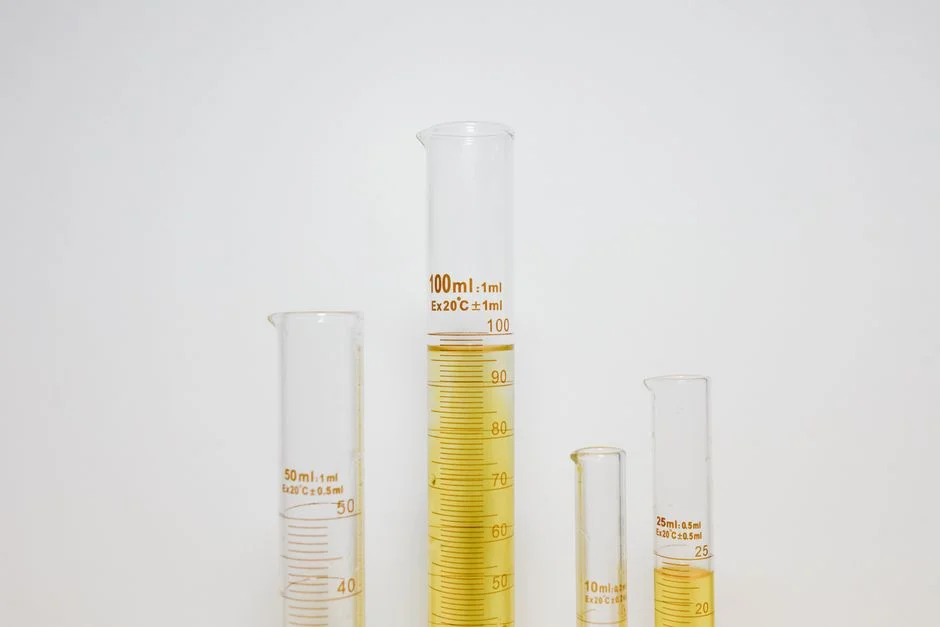
The standard five-parameter suite — BOD, COD, TSS, pH, and heavy metals — covers roughly 80% of what regulators and acquirers care about on a generic industrial site (Green Mark Engineering, 2025). It is insufficient for a Li-ion or ESS cell plant. The deal team's environmental advisor must add lithium, cobalt, nickel, and manganese to both the influent and effluent composite samples because these metals track the cathode-coating line directly, and a missed analyte is a missed indemnity. NMP (N-methyl-2-pyrrolidone) solvent tracking is required wherever the electrode-coating process is in scope; NMP is high-BOD, slow-biodegradable, and frequently the binding constraint on the biological stage. Fluoride and nitrate must be added where surface treatment or high-purity water systems are part of the acquired asset. Ammonia and total dissolved solids become constraints where electrode-drying condensates are treated on-site. Through the hazardous-waste lens, used NMP distillation bottoms, electrode-coating rejects, and spent electrolyte fall under Schedule I of the Hazardous Waste Rules 2016 and require manifests, authorized recyclers, and a stored manifest chain-of-custody for the Phase I paper review. For a brownfield Indian site, an MBR membrane bioreactor is typically the biological-stage workhorse that handles the high-COD, variable-loading influent a cathode-coating line produces.
| Parameter | Why it matters for a battery plant | Phase II sampling requirement |
|---|---|---|
| Lithium, cobalt, nickel, manganese | Track cathode-coating lines; missed analyte is a missed indemnity | 7-day composite, influent + effluent |
| NMP solvent | High-BOD, slow-biodegradable; biological-stage constraint | 7-day composite, influent + effluent |
| Fluoride, nitrate | Surface treatment, high-purity water systems | Grab + composite |
| Ammonia, TDS | Electrode-drying condensate treatment | 7-day composite |
| BOD, COD, TSS, pH, heavy metals | Standard regulatory suite (Green Mark Engineering, 2025) | 7-day composite, influent + effluent |
Phase I India ETP audit: what the paper trail must contain
Phase I for an Indian battery brownfield should reuse the seven-category structure from the M&A ETP due-diligence framework for the Samsung SDI acquisition — permits, design, water balance, O&M, sludge chain, staffing, emergency plans — and adapt each item to Indian document names. The three highest-leverage India items are: (1) the SPCB consent order and its current validity period, which is typically 5 years for a consent to operate and must not have lapsed at closing; (2) Form-IV quarterly effluent return submissions for the prior 24 months, which are the public record of what the plant has actually discharged; and (3) the current CETP (Common Effluent Treatment Plant) membership letter if the plant sends wastewater to a CETP rather than treating on-site, because CETP membership is a contract that does not transfer automatically on share sale. Verbal confirmations from the seller are not sufficient for any of these three — ask for the file, not the answer. The future production plan is the most under-requested item: without the buyer's intended cathode capacity or cell-format roadmap, the ETP cannot be sized, and any post-close retrofit risk becomes unquantifiable. A junior associate should be able to complete this 10-item list in 2–4 weeks.
Phase II sampling and on-site inspection in the Indian context
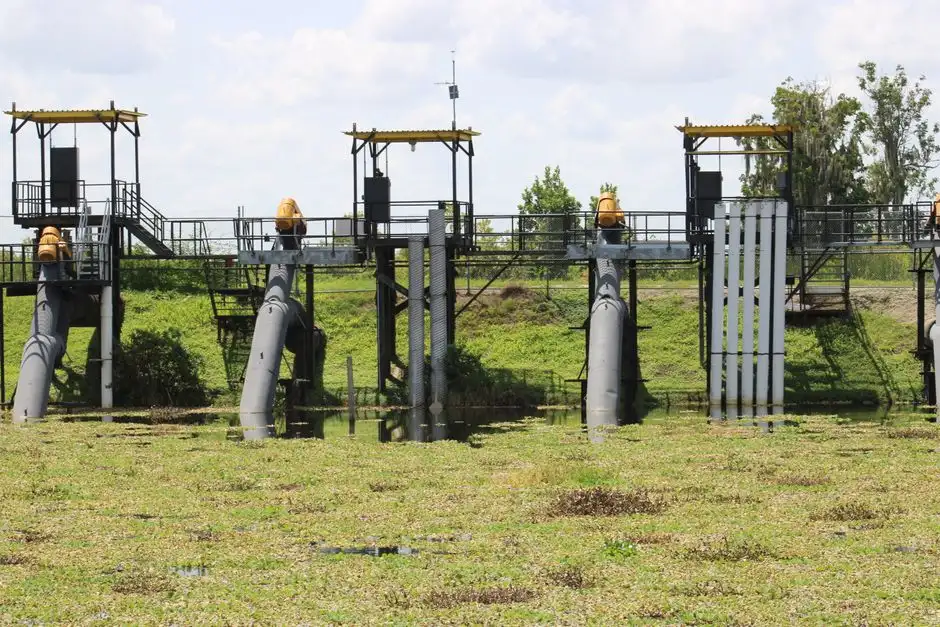
Phase II in India is calibrated to a 4–8 week program costing USD 60K–150K, mirroring the budget envelope from the parent framework. Composite sampling over 5–7 consecutive days is the minimum credible program — a single grab sample captures neither the production-week variability in NMP dosing nor the electrode-coating reject discharge cycle. Run parallel influent and effluent composites so removal efficiency can be calculated directly rather than inferred from the design basis; on legacy Indian sites, the design basis and the operating reality are routinely 20–30% apart. Inspect the biological stage on site: a primary clarifier at 60–70% TSS removal is the benchmark (Green Mark Engineering, 2025), and a result materially below that on a sustained basis indicates a process-control problem, not a sampling artifact. A plate and frame filter press is typically the right answer for sludge dewatering on these sites, paired with an automatic chemical dosing system where the existing operation is still manual. Audit the sludge chain end to end — on older Indian brownfields, this is the most common documentation gap and the one that turns into a post-close hazardous-waste liability under the 2016 Rules.
Retrofit cost bands and ZLD end-state for an Indian battery plant
Phase II findings convert into the order-of-magnitude cost the deal team needs to size escrow, purchase-price adjustment, and the post-close capex roadmap. The four-band ladder — minor upgrade (USD low), partial retrofit, full ZLD conversion, soil/groundwater remediation (USD 5M+) — should be framed as planning ranges, not quotes, and verified against site-specific influent testing and current SPCB consent conditions before procurement. The Indian end-state is increasingly ETP plus RO plus ZLD: water stress in Tamil Nadu, Karnataka, and Gujarat has made zero-discharge a hard ESG-disclosure requirement rather than an option, and the SEBI BRSR framework now expects quantitative water-reuse metrics from listed cell manufacturers. The typical roadmap sequence starts with an industrial RO system for reuse-quality polishing, paired with a high-efficiency sedimentation tank for primary clarification and a DAF system for TSS and FOG removal where the biological stage is overloaded. The MBR membrane bioreactor typically anchors the biological capacity expansion, and the plate and frame filter press handles the sludge-dewatering step that the new ZLD mass balance will require. All figures should be treated as planning bands — final sizing depends on the Phase II influent characterization and the buyer's intended production mix.
| Cost band | Trigger | Planning range | Typical scope |
|---|---|---|---|
| Minor ETP upgrade | Compliance gaps, calibration failures, undersized screening | USD low (six figures) | Instrumentation, dosing, screening |
| Partial retrofit | Non-compliant BOD/COD/TSS, fouled membranes, hydraulically undersized | USD low–mid seven figures | Biological rebuild, MBR or DAF add-on |
| Full ZLD conversion | Water-stressed site, ESG mandate, high-salinity effluent | USD mid–high seven figures | RO + evaporator/crystallizer |
| Soil/groundwater remediation | Phase II detects contamination above local cleanup levels | USD 5M+ | Solvent or heavy-metal plume |
Converting audit findings into SPA language and escrow sizing
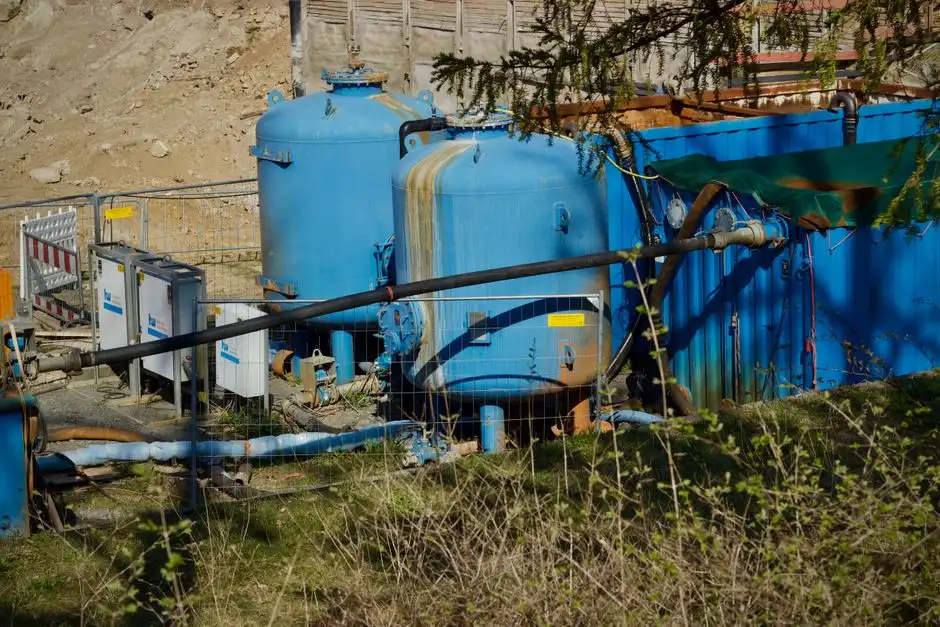
Most environmental value is either preserved or lost in the SPA drafting — the cleanest Phase II report is worthless if the rep schedule does not bind it. The environmental representation and warranty should be specific, not general: validity and currency of all SPCB consent orders, no outstanding show-cause or closure notices, accuracy of disclosed production and influent/effluent data, and completeness of the hazardous-waste manifest chain. A blanket "to the best of the seller's knowledge, the company is in compliance" is a known weak form and should be pushed back to direct representations with defined knowledge qualifiers. A special pre-closing contamination indemnity scoped to the Phase II findings, with a defined remediation standard (for example, to local industrial-use cleanup levels) and a 3–5 year survival period, is usually more useful than a general environmental basket. Escrow should be sized to the Phase II cost band, not to deal value: for a USD 50M acquisition with a USD 0.5M–2M remediation cost band, 3–4% escrow is sufficient and leaves less capital trapped. Finally, retain investigation rights for the Phase II scope only against any "no further investigation" clause the seller pushes for, and align the post-close operations with the principles outlined in performance-based wastewater O&M contracts so that the new consent-to-operate is run on measurable KPIs from day one.
Frequently Asked Questions
What wastewater permits does Samsung SDI need to transfer when buying an Indian battery plant?
Four instruments sit on top of each other. The Water Act 1974 consent to establish and consent to operate transfer under §25/§26 in 90–120 days, an Air Act 1981 consent transfer runs in parallel, a Hazardous Waste Rules 2016 authorization must be reissued in the buyer's name, and the CPCB draft 2024–2025 battery-manufacturing standards apply to any new parameter added by the buyer's process change.
Which effluent parameters must be added to the Phase II sampling plan for a Li-ion cell plant?
Lithium, cobalt, nickel, and manganese in influent and effluent composites are the cathode-coating analytes that a standard BOD/COD/TSS/pH/heavy-metals suite will miss, and NMP solvent tracking is required wherever electrode coating is in scope because NMP is the binding constraint on the biological stage.
How much escrow should a deal team hold back for wastewater liabilities on an Indian battery brownfield?
Escrow is sized to the Phase II cost band rather than to deal value. For a USD 50M acquisition with a USD 0.5M–2M remediation band, 3–4% escrow is sufficient and avoids trapping capital; a flat 10% holdback only makes sense when the worst-case soil/groundwater plume exceeds USD 5M.
Is ZLD mandatory for a battery plant in India in 2026?
ZLD is not a single national mandate, but state-level ZLD notifications in water-stressed districts of Tamil Nadu, Karnataka, and Gujarat, combined with SEBI BRSR disclosure expectations, make zero-discharge a hard requirement in practice for any new or expanded cell-manufacturing capacity.