
The Regulatory Stack Rivian Steps Into on Day One
Title transfer in Malaysia binds every drain, stack, and scheduled-waste container on the site to the Environmental Quality Act 1974 (Act 127), administered by the Department of Environment (DOE). The acquirer cannot inherit the seller's compliance posture; the permit, the EIA, and the lab records are tied to the legal entity on title, and a change in control triggers a fresh written notification. The current Malaysian wastewater treatment regulations for 2026 consist of four layers a lead must read together: the umbrella EQA 1974, the Environmental Quality (Industrial Effluent) Regulations 2009 (PU(A) 434), the Environmental Quality (Sewage) Regulations 2009 (PU(A) 432), and the older Environmental Quality (Sewage and Industrial Effluents) Regulations 1979, which provides procedural context for legacy permits.
The DOE's A Guide for Investors PDF is the canonical pre-acquisition reference (DOE, www.doe.gov.my). It confirms that no person may carry out any work resulting in a new source of industrial effluent discharge without prior written notification to the Director General, using the Second Schedule form under PU(A) 434. Penalties are significant: under EQA 1974 Section 25, fines reach RM500,000 and the court may revoke the operating licence, while a breach of the 2009 Industrial Effluent Regulations carries separate fines up to RM100,000 and imprisonment up to five years. Treat those two numbers as the floor and ceiling of the compliance budget conversation before the integration plan is finalized.
Acquisition-Phase Compliance Checklist: From Due Diligence to First Discharge
A Malaysian EV plant acquisition requires a six-step compliance programme rather than a single permit. The sequence below is the order DOE expects to see on file, and it doubles as the staffing plan for the integration team.
- Step 1 — Site suitability and written notification. Run a site-suitability evaluation against the local structure plan and surrounding land use for non-prescribed activities. For prescribed activities or any change that creates a new discharge source, file the PU(A) 434 Second Schedule written notification to the Director General before any work begins.
- Step 2 — EIA screening under the 1987 Order. The Environmental Quality (Prescribed Activities) (Environmental Impact Assessment) Order 1987 lists off-site wastewater treatment plant construction and off-site storage of toxic and hazardous waste as Detailed EIA triggers. A captive on-site WWTP serving only the plant is not automatically a Detailed EIA, but the screening decision must be documented.
- Step 3 — Pre-application consultation and engineering submission. Submit engineering plans, process flow diagrams, and (for prescribed activities) the EIA report. DOE reviews submissions against the Fifth Schedule parameter list and the Standard A or B cap applicable to the receiving catchment.
- Step 4 — DOE site inspection and permit issuance. Officers verify the proposed treatment train on site. The written permit specifies the discharge point, the allowed volume in m³/day, and whether Standard A or B applies based on the receiving water body.
- Step 5 — Construction, commissioning, and no-discharge rule. No discharge is lawful until written DOE approval is issued. Commissioning water must be held or recycled; routing it to the final outlet before the permit date is a Section 25 offence.
- Step 6 — Start-up self-monitoring and routine IEQIS filing. Quarterly or semi-annual sampling at MS ISO/IEC 17025 accredited labs, with results filed electronically through the Integrated Environmental Quality Information System (IEQIS).
| Deal Milestone | DOE Interaction | Form / Reference | Typical Lead Time |
|---|---|---|---|
| Title transfer | Verify existing permit holder; flag change-of-control | Existing permit file | Day 0 (concurrent) |
| Pre-application | Consultation meeting; submit engineering plans | DOE pre-app minutes | 30–60 days |
| EIA screening | Determine Preliminary vs Detailed EIA | 1987 Prescribed Activities Order | 14–30 days for screening |
| Written notification | Second Schedule submission for any new source | PU(A) 434 Second Schedule | Before construction |
| Site inspection | Verify treatment train matches submission | DOE inspection report | 14–21 days post-submission |
| Permit issuance | Written approval with Standard A/B classification | DOE discharge permit | Defines lawful discharge date |
| Commissioning | No discharge until written approval | Commissioning log | Concurrent with permit |
| Quarterly IEQIS | 24-hour composite sampling, accredited lab | IEQIS electronic filing | Every 90 days minimum |
The full Standard A and B industrial effluent limits in Malaysia sit in the Fifth Schedule of PU(A) 434 and serve as design targets for every unit operation downstream.
Standard A vs Standard B: Which Set Applies to the Rivian Site
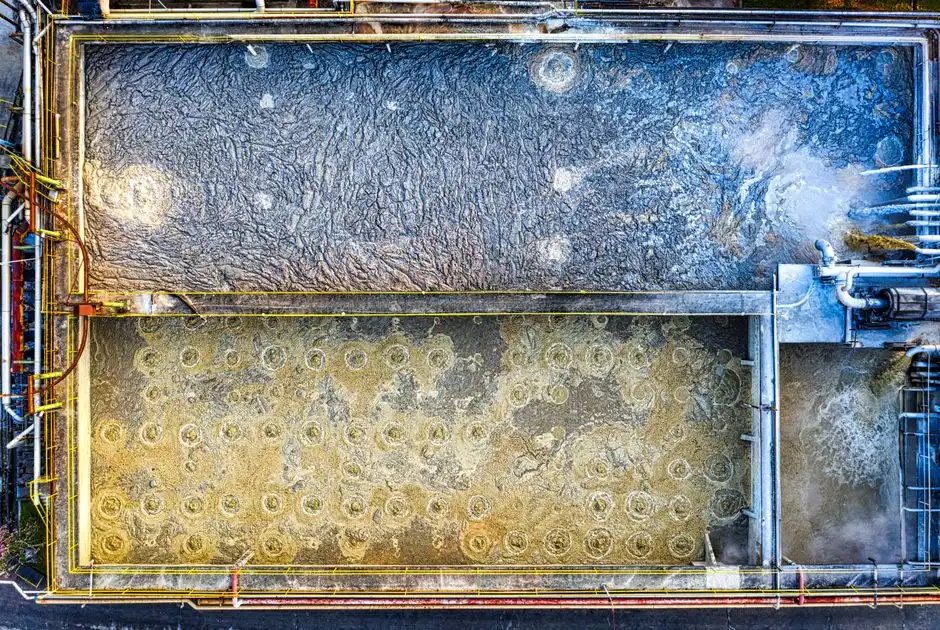
Standard A applies to discharges into catchments upstream of water supply intakes and sensitive inland waters, while Standard B applies to other inland waters and public sewer discharges (DOE, 2009 Regulations, Fifth Schedule). Geographic location dictates the requirement, and the treatment train must be engineered to clear the specific catchment cap.
| Parameter | Standard A | Standard B | Test Method |
|---|---|---|---|
| BOD (5-day, 20°C) | 20 mg/L | 50 mg/L | APHA 5210 B |
| COD | 80 mg/L | 100 mg/L | APHA 5220 B/D |
| Suspended Solids | 50 mg/L | 50 mg/L | APHA 2540 D |
| Oil and Grease | Not Detectable (MDL 0.5–1.0 mg/L) | 10 mg/L | APHA 5520 B |
| pH | 6.0–9.0 | 6.0–9.0 | APHA 4500-H⁺ B |
| Ammoniacal Nitrogen | 10 mg/L | 15 mg/L | APHA 4500-NH₃ |
| Temperature | Below 40°C | Below 40°C | Field probe |
A Peninsular Malaysia site discharging to a tributary above a public water intake must hit Standard A on every parameter, necessitating a higher CAPEX. A site in a sewered Klang Valley industrial park that routes treated effluent through IWK infrastructure usually lands on Standard B, though sewer discharge consent from the operator adds a parallel compliance track and fees. Because site-specific variances are rare, the integration plan should assume the published catchment classification is final and size the plant accordingly.
Mapping Rivian's Waste Streams to the Fifth Schedule
The Fifth Schedule is a parameter list, so the design process requires mapping each Rivian unit operation to the specific controlling parameter. NMP solvent from electrode coating and pilot battery rinse is the binding parameter for COD and TOC; a dedicated EV battery electrode slurry rinse wastewater treatment guide is the starting point for that stream, as NMP recovery changes both CAPEX and operating costs. Paint shop overspray and electrodeposition rinse carry high FOG and suspended solids, with trace heavy metals from pigments driving a chemical precipitation stage. Metalworking fluids and stamping coolant contain emulsified oils where the binding parameter is oil and grease; under the Standard A "Not Detectable" requirement, gravity separation alone is insufficient, making a polishing stage mandatory. Vehicle assembly floor wash and runoff bring TSS swings and pH excursions that respond to lamella clarification plus pH adjustment before biological polishing. Final rinse and cooling tower blowdown carry temperature and trace metals, requiring cooling trim and selective ion-exchange.
| Rivian Unit Process | Dominant Stream Character | Fifth Schedule Parameter That Controls | Unit Operation |
|---|---|---|---|
| Electrode coating / pilot battery rinse | NMP solvent, TOC, trace fluorides | COD, TOC, fluoride | Solvent recovery + biological oxidation |
| Paint shop overspray / e-coat rinse | High FOG, suspended solids, pigment metals | Oil & grease, TSS, Zn/Ni/Cr | DAF + chemical precipitation |
| Metalworking fluids / stamping coolant | Emulsified oils | Oil & grease (Std A Not Detectable) | DAF + polishing (carbon/UF) |
| Assembly floor wash / runoff | TSS swings, pH excursions | TSS, pH, oil & grease | Lamella clarifier + pH adjustment |
| Final rinse / cooling tower blowdown | Low organics, temperature, trace metals | Temperature, metals | Cooling trim + selective ion exchange |
Designing the Treatment Train to Clear the Permit
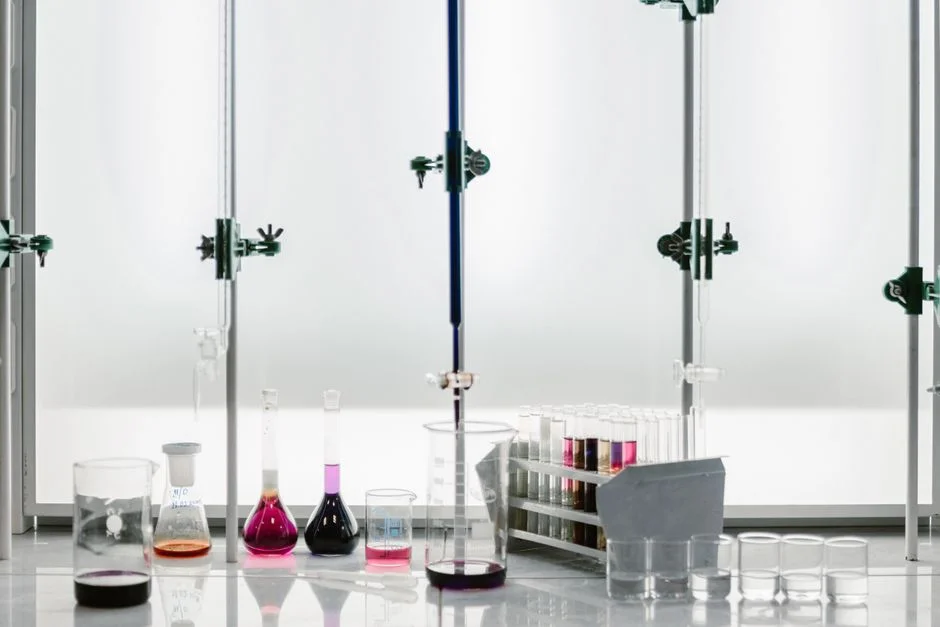
For a 50 m³/h plant targeting Standard A, the train consists of headworks, DAF, MBR, polishing, and sludge dewatering. Headworks begins with a rotary mechanical bar screen to protect downstream pumps and membranes. Primary treatment utilizes a Dissolved Air Flotation system with coagulation; with 20–50 micron micro-bubbles and correct coagulant dosing, DAF reduces FOG to below 1 mg/L, clearing the Standard A "Not Detectable" rule. Secondary treatment is an MBR membrane bioreactor combining activated sludge with submerged 0.1 micron PVDF membranes; field data indicate BOD levels below 10 mg/L and COD below 50 mg/L (HydropureWater field data, 2025). Polishing involves a lamella clarifier for residual TSS trim to under 30 mg/L and activated carbon for color and trace organics. The sludge line runs through a plate and frame filter press for dewatering before transport to a licensed scheduled-waste handler; Section 34A of EQA 1974 strictly prohibits the discharge of untreated sludge.
Monitoring, Reporting and the Real Cost of Getting It Wrong
Compliance is a quarterly operating rhythm requiring sampling at the final outlet, analysed by a STANDARDS MALAYSIA-accredited lab under MS ISO/IEC 17025. Findings are submitted electronically through the Integrated Environmental Quality Information System (IEQIS), and DOE conducts scheduled inspections alongside unannounced grab or composite sampling. A single exceedance triggers a Notice of Violation, while sustained breaches can escalate to stop-work orders and prosecution. A Standard A breach can result in fines of RM100,000 under the 2009 Regulations or RM500,000 under EQA 1974 Section 25, and daily automotive line shutdowns often exceed the cost of the fine. A 50 m³/h DAF package at approximately USD 80,000 mitigates FOG fine risks and reduces disposal fees via sludge thickening. MBR permeate meeting Standard A can be reused for cooling tower make-up or floor washing, reducing freshwater draw by up to 30%, while modular skid packaging reduces onsite installation time by roughly 40%.
Frequently Asked Questions
What is the legal instrument that binds industrial wastewater discharges in Malaysia?
The Environmental Quality Act 1974 (Act 127) is the umbrella law, while the Environmental Quality (Industrial Effluent) Regulations 2009 (PU(A) 434) establish technical discharge standards and the written-notification procedure for new industrial effluent sources.
What is the difference between Standard A and Standard B effluent limits, and when does each apply?
Standard A is the stricter set (BOD 20 mg/L, COD 80 mg/L, oil and grease Not Detectable) and applies upstream of water supply intakes and sensitive inland waters. Standard B (BOD 50, COD 100, oil and grease 10 mg/L) applies to other inland waters and public sewer discharges. The catchment map and proximity to a water intake determine which set a site must meet.
Which waste streams from an EV or battery plant most often drive the design?
Electrode coating and pilot battery rinse (NMP, COD, fluorides), paint shop overspray and e-coat rinse (oil and grease, TSS, pigment metals