

What Biogas Utilization from an Anaerobic Digester Actually Means
Biogas utilization from an anaerobic digester involves capturing the methane-rich gas produced during anaerobic wastewater treatment and converting it into usable energy. Raw biogas typically contains 50–75% methane and 25–40% CO2 with trace H2S; monitored industrial systems can reach 90–92% CH4. Utilization options include on-site boilers, combined heat and power (CHP) at ~28% electrical efficiency, compressed natural gas for vehicles, or pipeline-quality renewable natural gas (RNG) after CO2 and H2S removal.
Four pathways define the engineering decision space. Thermal (boiler) use burns raw or lightly dried gas to produce process steam or building heat; it is the lowest-capex option and tolerates the widest range of gas quality. CHP adds a reciprocating engine or turbine that recovers both electricity and heat, typically at ~28% electrical efficiency. Vehicle fuel (CNG) compresses and stores the gas to displace diesel in fleet vehicles. Pipeline RNG removes CO2, H2S, moisture, and siloxanes to meet natural gas pipeline tariff specifications, then injects into the grid or sells as a renewable fuel credit. The US EPA cites a baseline composition of 60–70% CH4 and 30–40% CO2 for typical US digester gas (US EPA via PMC review), which is the anchor number most engineers use during early screening.
How Anaerobic Digestion Produces the Gas
Anaerobic digestion functions as a four-stage microbial cascade: hydrolysis → acidogenesis → acetogenesis → methanogenesis. Hydrolytic bacteria break fats, proteins, and carbohydrates into sugars, amino acids, and fatty acids; acidogens ferment those into volatile fatty acids, alcohols, H2, and CO2; acetogens convert the acids into acetic acid, hydrogen, and more CO2; methanogens finally consume acetic acid and H2/CO2 to produce CH4 and CO2. The efficiency of the last stage sets the methane share in the off-gas; factors that destabilize methanogens—such as pH swings, short hydraulic retention time (HRT), or toxic loading—directly reduce usable energy.
Operating window variables influence output. Mesophilic digesters run at 30–40°C and are stable; thermophilic units at 50–60°C produce gas faster and kill more pathogens but tolerate fewer upsets (S5). An HRT of 18–22 days is the typical sweet spot for industrial waste streams; a pilot study at Durban University of Technology found that optimum performance occurred at HRT 21 days, pH 7.01, and a magnetite dose of 0.42 g/L, delivering 90% CH4 with an R² of 0.99 model fit (S1). Adding 0.4–0.6 g/L magnetite cut the lag phase from 9 days to 3 days and increased the production rate to 20–23 mL/d. Organic loading typically runs 3.2–32 kg COD/m³/day in anaerobic systems, which determines digester volume for a given wastewater flow.
Gas Quality Targets Before Utilization

Raw digester gas requires conditioning because it is not pipeline-ready. Four contaminant classes decide which utilization route is viable: H2S causes corrosion and odor; moisture condenses in engines and pipes; siloxanes form silica deposits that damage CHP pistons and catalysts; excess CO2 dilutes energy density. The conditioning required scales with the chosen end use: boilers can tolerate raw or simply dehydrated gas; CHP engines need H2S scrubbed to <200 ppm and moisture removed; RNG upgrading requires near-complete CO2 separation to hit pipeline-grade methane content, with the US EPA Co-EAT model using a 60% biogas-to-natural-gas conversion factor as the design benchmark (S2).
Instrumented pilots show the practical ceiling for gas purity. Sensor-controlled 50 L digesters have reached 92% CH4 within the first week of operation (S3), well above the 50–75% raw-gas baseline cited for unmonitored digesters. The energy content scales linearly: 100% methane is 13.4 kWh/m³, so 92% CH4 gas is worth about 12.27 kWh/m³ (S3). The four contaminant limits and energy values most engineers specify are summarized below.
| Parameter | Raw Biogas | CHP-Quality | Pipeline RNG |
|---|---|---|---|
| CH4 content | 50–75% (up to 90–92% with sensors) | ≥90% recommended | ≥96% (typical 98%) |
| CO2 | 25–40% | ≤35% acceptable | ≤2% |
| H2S | 100–5,000 ppm | <200 ppm | <4 ppm |
| Moisture | Saturated | Dew point <5°C | Dew point <−10°C |
| Siloxanes | 1–50 mg/m³ | <5 mg/m³ | <0.3 mg/m³ |
| Energy value | ~5.5–6.5 kWh/m³ | ~6.5–7.5 kWh/m³ | ~9.5–10.5 kWh/m³ |
Choosing Between Boiler, CHP, CNG, and RNG Upgrading
Route selection hinges on three numbers: gas volume, plant heat demand, and whether a grid or vehicle offtake is physically accessible. Thermal boilers dominate where a facility has a steady year-round steam load and no need for export electricity; CHP wins when both heat and power are useful; CNG works for plants with their own vehicle fleet or a local fuel distributor; RNG makes sense at large municipal plants near a pipeline interconnect. The Co-EAT model developed by US EPA sets the four cost parameters most engineers use: CHP electrical efficiency 28%, biogas-to-CNG conversion 60%, natural gas reference $2.44/unit, electricity $0.05/kWh, and tipping fee $0.07/unit (S2).
Two US benchmarks frame the scale. Deer Island WWTP in Massachusetts operates 12 egg-shaped digesters, achieves about 60% volatile solids reduction, and supplies more than 97% of the plant's thermal energy from digester gas, saving roughly $15 million per year in fuel costs (S5). Dayton Water Reclamation Plant in Ohio processes 38 MGD and has the potential to produce 600,000–700,000 ft³/day of biogas, while the smaller Quasar facility in Wooster runs at 1 MGD plus 60,000 gal/day of co-digested food waste and FOG for ~200,000 ft³/day. Dayton shows the raw-sludge ceiling; Quasar shows the impact of co-digestion on revenue.
| Route | Capex | Gas Conditioning | Revenue per Unit Gas | Best Fit |
|---|---|---|---|---|
| Boiler / flare | Low | Minimal (dehydration) | Displaces fuel; $0.07/unit tipping | Small flow, steady heat load |
| CHP | Medium | H2S <200 ppm, moisture removal | $0.05/kWh electricity + heat offset | 1–5 MGD with on-site demand |
| CNG vehicle fuel | Medium-high | H2S, moisture, CO2 partial removal | $2.44/unit gas equivalent | Municipal fleet, food waste feed |
| Pipeline RNG | High | Full upgrading (PSA, amine, or membrane) | Gas commodity + RIN/LCA premium | >5 MGD with pipeline access |
Sizing the Utilization Block to the Digester
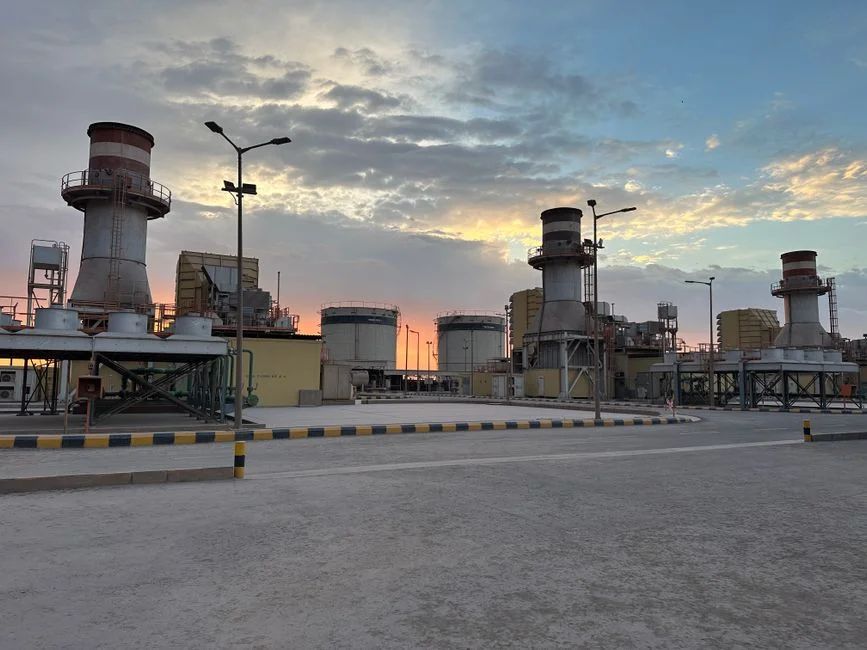
Size the utilization block to the digester's expected gas output, never the reverse. A commonly cited yield is 0.493 m³ biogas per gram of TDS at 92% CH4 (S3), which converts to roughly 0.5 m³ of usable gas per kilogram of total solids destroyed. A digester producing 1,000 m³/day at 90% CH4 therefore yields about 11,000 kWh/day of usable energy, enough to run a 100–130 kW CHP unit at 28% electrical efficiency with the remainder recoverable as heat.
Scale affects project economics. The benefit-cost ratio for the Durban pilot climbed from 0.05 at 1 L to 0.4 at 50 L (S1), and the payback period fell from 24.8 years to 19.03 years over the same range. The utilization package must be matched to a digester large enough for the BCR to clear 1.0—generally above 50 L equivalent in that study, and well above that for industrial flows. Globally, roughly 80% of installed anaerobic reactors are UASB, EGSB, or IC designs (S5), all of which pair well with downstream gas conditioning and CHP skids. For digester feed protection and pH/H2S control ahead of the gas train, a rotary mechanical bar screen for digester feed protection and an automatic chemical dosing for pH and H2S control are the two pieces of pre-treatment hardware that most often determine whether the digester runs at design CH4 share or not.
2026 Economics and Where the Money Actually Comes From
For a plant the size of Dayton, skipping biogas recovery means losing US$2–3 million per year in potential revenue (S2). That figure is the headline number most facility managers use to justify the project. The revenue mix at Co-EAT benchmark prices breaks into three lines: CHP electricity at $0.05/kWh, CNG vehicle fuel at the natural gas reference of $2.44/unit, and tipping fees of $0.07/unit paid by food and agricultural waste generators (S2). At Quasar's 200,000 ft³/day and 60,000 gal/day of co-digestion feed, tipping fees are the dominant revenue stream because the food and FOG loads raise both gas volume and gate revenue simultaneously.
Pilot-scale economics remain tight. The 50 L Durban pilot has a net present value of −R121,016 and a payback of 19.03 years at BCR 0.4 (S1), and the parallel 50 L study reported a net cash flow of −R104,592 (S3). CAPEX exceeds revenue at this scale; viability hinges on three levers: scaling digester volume into the multi-cubic-meter range, securing long-term co-digestion feedstock contracts, and locking in offtake agreements for electricity, CNG, or RNG. Industrial plants with steady high-COD waste streams (sugar, brewery, pulp/paper) and municipal WWTPs above 5 MGD generally clear the BCR threshold; food and beverage plants below 1 MGD usually need a co-digestion partner or a regional RNG aggregator to make the math work. For context on how a digester fits into the broader treatment train, the integrated wastewater treatment plant process guide covers the upstream biological steps, while ozone oxidation for post-digester polishing addresses the residual organics that the digester cannot remove on its own.
Frequently Asked Questions
What is the typical methane content of digester biogas?
Raw digester gas runs 50–75% CH4 with the balance mostly CO2 (S5). Instrumented, sensor-controlled industrial pilots have demonstrated 90–92% CH4 within the first week of operation (S1, S3), and pipeline-quality RNG typically requires ≥96% CH4 after upgrading.
What is the best use of biogas from a small digester?
For sub-1 MGD flows, a thermal boiler or low-
Frequently Asked Questions
What percentage of methane is in anaerobic digester biogas?
Anaerobic digester biogas typically contains between 50% and 75% methane (CH4) by volume. The remaining composition consists primarily of carbon dioxide (25% to 45%), with trace amounts of water vapor, nitrogen, oxygen, and hydrogen sulfide.
Can biogas from an anaerobic digester be used to generate electricity?
Yes, biogas is a proven fuel source for internal combustion engines and microturbines configured for cogeneration or combined heat and power (CHP) systems. These systems typically achieve electrical efficiencies ranging from 25% to 40%, with total thermal efficiency often exceeding 80% when waste heat recovery is utilized.
What is the best use of biogas from a small wastewater treatment plant?
For small-scale wastewater treatment plants, onsite thermal utilization, such as boiler heating for digester temperature maintenance or facility space heating, is generally the most cost-effective application. This approach avoids the high capital expenditure associated with gas cleaning and grid-interconnection infrastructure required for electricity generation or renewable natural gas injection.
How much does it cost to upgrade biogas to pipeline-quality natural gas?
The cost to upgrade biogas to biomethane (Renewable Natural Gas) typically ranges from $3.00 to $9.00 per MMBtu, depending on the chosen technology—such as membrane separation, pressure swing adsorption (PSA), or water scrubbing—and the initial impurity levels. Total project capital costs for upgrading facilities often scale between $2 million and $10 million depending on flow rate and required gas conditioning standards.
Why do anaerobic digesters produce hydrogen sulfide and how is it removed?
Hydrogen sulfide (H2S) is produced when sulfate-reducing bacteria break down sulfur-containing organic compounds present in the feedstock, often resulting in concentrations ranging from 500 to 5,000 ppm. Removal is critical to prevent engine corrosion and is typically achieved through biological oxidation (introducing air into the headspace), iron sponge media, or chemical scrubbers using caustic solutions.