Why Nakhon Ratchasima Needs Specialized Sewage Treatment Equipment
Thailand's tropical climate significantly increases biological oxygen demand (BOD) in wastewater by 30-40% compared to temperate regions, according to 2023 data from the Thailand Pollution Control Department. This elevated biological activity necessitates more robust and often larger treatment capacities for industrial facilities in Nakhon Ratchasima. The province's diverse industrial base, including numerous food processing plants, textile manufacturers, and automotive component factories, generates highly varied wastewater streams. Food processing operations, for instance, produce wastewater rich in fats, oils, and grease (FOG) and high organic loads, while textile facilities often discharge water containing complex dyes and heavy metals. Automotive plants contribute oils, greases, and various heavy metals.
To ensure environmental protection, these facilities must comply with stringent local effluent standards. The Thailand Industrial Standards Institute (TISI 2560-2562) mandates specific limits: BOD ≤ 20 mg/L, TSS ≤ 30 mg/L, and pH 5.5-9.0 for industrial discharges. Beyond these national benchmarks, the Nakhon Ratchasima Provincial Waterworks Authority (2024 guidelines) imposes additional municipal requirements, including mandatory pre-treatment for industrial discharges into public sewers and regular monitoring reports. These unique challenges—climate-driven biological activity, diverse industrial waste characteristics, and stringent local regulations—collectively underscore the critical need for specialized, highly efficient, and locally compliant sewage treatment equipment in Nakhon Ratchasima.
5 Leading Sewage Treatment Equipment Suppliers in Nakhon Ratchasima
Nakhon Ratchasima's industrial landscape is served by a diverse group of sewage treatment equipment suppliers, each with distinct specializations and local presence, offering solutions from complete plant designs to specialized components. Evaluating these local providers is crucial for industrial buyers seeking reliable and compliant systems.
Thai-Fin Engineering & Consulting Co., Ltd. was founded in 2006 with its headquarters in Nakhon Ratchasima. This company specializes in mechanical engineering services, including the design and implementation of wastewater treatment plants, water supply systems, and solutions for paper mills and bio-power plants. Thai-Fin typically handles projects ranging from 50 to 500 m³/h, providing comprehensive engineering and consulting expertise.
Domnick Thailand, part of the RS Group, is located at 15/4 Moo 7 Sung Noen, Sung Noen, Nakhon Ratchasima 30170 (Phone: +66 44 011 ...). They are known for their aerating wastewater treatment systems, specifically leveraging advanced Turbo Blower technology to enhance oxygen transfer efficiency in biological treatment processes. Domnick focuses on providing critical components and solutions for aeration.
Scaleban (INT Innovative) distinguishes itself as a Zero Liquid Discharge (ZLD) specialist. Their technology aims for significant water conservation, with capabilities to achieve up to 90% blowdown reduction in cooling tower operations by utilizing treated wastewater as make-up water. Scaleban provides advanced solutions for industrial water recycling and minimizing effluent discharge.
Kat-Tech Engineering offers complete water treatment systems tailored for various industrial applications. Their expertise spans a wide range of water purification and wastewater treatment processes, providing integrated solutions from design to installation for facilities requiring comprehensive water management.
KORAT MATSUSHITA CO., LTD., while primarily known for progressive press processing and OA equipment assembly, also lists "Electricity, gas and water supply" within its service sectors. As an emerging supplier in the broader industrial services, they may offer specialized components or support for water and wastewater infrastructure.
| Supplier Name | Specialization/Key Strength | Location/Affiliation | Estimated Project Size Range |
|---|---|---|---|
| Thai-Fin Engineering | Comprehensive mechanical engineering, WWTP design | Nakhon Ratchasima HQ | 50-500 m³/h |
| Domnick Thailand | Aerating systems with Turbo Blower technology | 15/4 Moo 7 Sung Noen, Nakhon Ratchasima (RS Group) | Component-focused, variable project scale |
| Scaleban (INT Innovative) | Zero Liquid Discharge (ZLD), water recycling (90% blowdown reduction) | Focus on advanced wastewater recycling | Medium to large industrial facilities |
| Kat-Tech Engineering | Complete industrial water treatment systems | Thailand-wide service | Small to large industrial applications |
| KORAT MATSUSHITA | Progressive press processing, industrial infrastructure support | Nakhon Ratchasima | Specialized components/support |
Technology Comparison: DAF vs MBR vs Conventional Systems for Nakhon Ratchasima
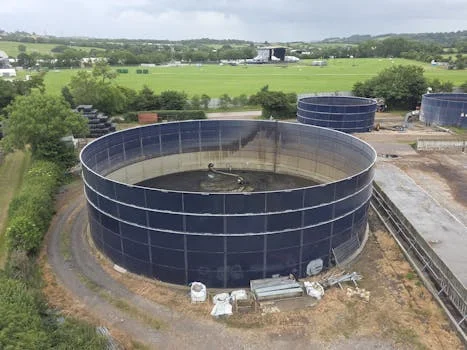
Selecting the optimal sewage treatment technology for Nakhon Ratchasima industrial facilities hinges on balancing influent characteristics, effluent targets, and operational constraints, with Dissolved Air Flotation (DAF), Membrane Bioreactors (MBR), and conventional activated sludge systems being primary considerations. Each technology offers distinct advantages suited to different industrial wastewater profiles and site conditions.
Dissolved Air Flotation (DAF) systems achieve 92-97% TSS removal, making them ideal for pretreating wastewater high in fats, oils, grease (FOG), and suspended solids, common in food processing and textile industries (per EPA 2024 benchmarks). A DAF system typically involves a saturation tank where air is dissolved under pressure, followed by a release valve that creates microscopic bubbles in a flotation tank. These bubbles attach to suspended particles, floating them to the surface for skimming. For industrial facilities dealing with significant FOG, a high-efficiency DAF system for industrial wastewater pretreatment is often a critical first step.
Membrane Bioreactor (MBR) systems offer superior effluent quality, achieving 99% pathogen removal, and require a significantly smaller footprint—up to 60% less than conventional activated sludge systems (confirmed in MBR product specs). MBR combines biological treatment with membrane filtration, eliminating the need for a secondary clarifier. The process involves an aeration tank where microorganisms break down pollutants, followed by submerged membranes that filter the treated water. This compact design makes a compact MBR system for space-constrained industrial facilities a strong choice for sites with limited land, while also producing high-quality permeate suitable for reuse.
Conventional activated sludge systems typically involve primary clarification, an aeration basin for biological treatment, and a secondary clarifier for solid-liquid separation. While these systems generally have a lower initial capital cost, they exhibit about 30% higher energy consumption compared to more advanced systems like MBR, primarily due to larger aeration volumes and sludge handling (Thailand Energy Regulatory Commission 2023 data). They also require a larger physical footprint.
Climate-specific considerations are paramount in Nakhon Ratchasima. Higher ambient temperatures, common in tropical regions, increase biological activity within treatment systems. This accelerated metabolism can lead to rapid oxygen depletion, requiring 15-20% larger aeration capacity in biological treatment tanks to maintain optimal dissolved oxygen levels and prevent anaerobic conditions that hinder treatment efficiency.
| Technology | Key Strength | TSS Removal | Pathogen Removal | Footprint | Capital Cost (Relative) | Operating Cost (Relative) | Ideal Application |
|---|---|---|---|---|---|---|---|
| DAF System | FOG & suspended solids removal | 92-97% | Low (Pre-treatment) | Medium | Medium | Medium | Food processing, textile (pretreatment) |
| MBR System | High effluent quality, compact | >99% | 99% | Small (60% less than conventional) | High | Medium | Space-constrained sites, water reuse, stringent limits |
| Conventional System | Lower initial capital | 85-95% | Medium | Large | Low | High (30% more energy) | Large sites, less stringent effluent limits |
Cost Analysis: Sewage Treatment Equipment in Nakhon Ratchasima (2025)
Industrial sewage treatment projects in Nakhon Ratchasima in 2025 typically incur capital costs ranging from 1.2 to 3.8 THB per cubic meter of capacity for systems handling 50-500 m³/h. This range reflects variations in technology, automation level, and specific influent characteristics. Operating costs, which include energy, chemicals, and routine maintenance, generally fall between 0.4 and 1.1 THB per cubic meter of treated water. These figures are crucial for industrial buyers in Nakhon Ratchasima to accurately budget their projects and evaluate the long-term financial viability of different treatment solutions.
Return on Investment (ROI) benchmarks for industrial wastewater treatment projects in Thailand typically show a 3-7 year payback period, especially when factoring in incentives from the Thailand Board of Investment (2024 incentives). the Revenue Department of Thailand (2025) offers a significant incentive: a 30% tax deduction for investments in water recycling systems. This encourages industrial facilities to adopt advanced treatment technologies that enable water reuse, reducing both operational costs and environmental impact.
Key cost drivers for sewage treatment equipment in Nakhon Ratchasima include the complexity of pretreatment requirements, particularly for industries with high FOG or heavy metals. Implementing solutions for FOG removal in food processing wastewater, for example, adds to initial capital. The level of automation also impacts cost; a PLC-controlled chemical dosing for consistent treatment performance can reduce labor but increases upfront investment. Sludge disposal, a consistent operational expense, varies based on sludge volume and local disposal fees. For a broader perspective on budgeting, a cost analysis for wastewater treatment projects in Southeast Asia provides additional context.
| Cost Category | Typical Range (THB/m³ capacity or treated) | Key Drivers |
|---|---|---|
| Capital Cost (per m³ capacity) | 1.2 - 3.8 THB/m³ (for 50-500 m³/h industrial projects) | Technology choice (DAF, MBR, Conventional), pretreatment needs, automation level, civil works, installation |
| Operating Cost (per m³ treated) | 0.4 - 1.1 THB/m³ treated | Energy consumption, chemical usage, labor, routine maintenance, sludge disposal |
| ROI Payback Period | 3 - 7 years | Efficiency gains, water reuse savings, compliance avoidance penalties, tax incentives |
| Water Recycling Tax Deduction | 30% of investment cost | Government incentive for sustainability |
Compliance Checklist for Nakhon Ratchasima Wastewater Projects
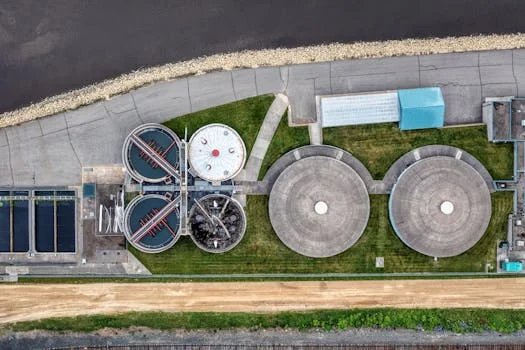
Adhering to Thailand's national effluent standards and Nakhon Ratchasima's specific municipal requirements is a mandatory prerequisite for all industrial wastewater discharge projects. Failure to comply can result in significant fines, operational shutdowns, and reputational damage. Industrial facilities must ensure their treatment systems consistently meet these rigorous standards.
Thailand's national effluent standards specify strict limits for various parameters. For general industrial discharge, these include Biological Oxygen Demand (BOD) ≤ 20 mg/L, Total Suspended Solids (TSS) ≤ 30 mg/L, and pH between 5.5-9.0. Additionally, specific limits apply to heavy metals; for example, Lead must be ≤ 0.2 mg/L, and Cadmium ≤ 0.005 mg/L. The Nakhon Ratchasima Provincial Waterworks Authority imposes further requirements, such as mandatory pre-treatment for all industrial discharges into municipal sewers, specified monitoring frequencies (often monthly or quarterly), and adherence to prescribed reporting formats.
Industry-specific standards also apply, guided by the Thailand Industrial Standards Institute (TISI). For food processing, TISI 2560 outlines specific parameters for organic content and pathogens. Textile industries must adhere to TISI 2562, which includes limits for color, dyes, and heavy metals. The automotive sector follows TISI 2561, addressing oils, greases, and specific heavy metals. The permitting process typically involves a timeline of 4-8 weeks and requires a detailed project plan, an Environmental Impact Assessment (EIA), and a formal discharge application. Regular inspections by regulatory bodies are part of the protocol to ensure ongoing compliance.
A sample monitoring report format generally includes sections for facility identification, exact discharge point coordinates, monitoring date and time, a comprehensive list of parameters measured, the analytical results for each, and a clear indication of compliance status (pass/fail). It also typically includes a section for any corrective actions taken or planned in case of non-compliance, ensuring accountability and continuous improvement.
Troubleshooting Common Equipment Issues in Tropical Climates
Operating sewage treatment equipment in Nakhon Ratchasima's tropical climate presents unique challenges, with high humidity and temperature fluctuations being primary factors affecting system reliability and performance. Proactive maintenance and design considerations are essential to mitigate these climate-specific issues.
High humidity significantly exacerbates corrosion, particularly on metallic components and electrical enclosures. To prevent this, equipment should utilize epoxy coatings, stainless steel components, and galvanized structures. Regular inspections for rust and timely touch-ups are critical. For electrical panels, desiccant breathers and heaters can help maintain dry internal environments. Temperature fluctuations, especially between day and night or during monsoon periods, can impact biological process optimization. Maintaining stable dissolved oxygen (DO) levels is crucial; this may require adjusting aeration rates based on real-time temperature and organic load. Utilizing microbial strains adapted to higher temperatures can also enhance process stability.
During the intense monsoon season, flood protection measures become paramount. Critical equipment, such as motors, control panels, and pumps, should be elevated above anticipated flood levels. Ensuring proper site drainage and installing waterproof enclosures for sensitive components are also vital. For power reliability, which can be inconsistent during storms, backup power solutions are essential. Sizing generators to support 24-hour operation of critical components, coupled with uninterruptible power supplies (UPS) for control systems, ensures continuous treatment and prevents process upsets.
Common failure modes also show climate-specific patterns. For DAF systems, high temperatures can lead to air saturation issues due to decreased gas solubility, potentially causing inadequate bubble formation. This requires careful monitoring of saturation tank pressure and temperature, along with routine cleaning of nozzles to prevent clogging. A detailed maintenance guide for DAF systems in tropical climates is invaluable. In MBR systems, membrane fouling can be accelerated by increased biological activity and higher organic loads typical of warmer wastewater, necessitating more frequent and effective chemical cleaning cycles or enhanced pretreatment to protect membrane integrity.
How to Select the Right Supplier: A Decision Framework
A structured decision framework is essential for industrial buyers in Nakhon Ratchasima to evaluate and select a sewage treatment equipment supplier that aligns with both technical requirements and long-term operational goals. This systematic approach ensures all critical aspects, from technical expertise to after-sales support, are thoroughly assessed.
Step 1: Define Project Requirements. Clearly outline your facility's specific needs, including average and peak flow rates, detailed influent characteristics (BOD, TSS, FOG, heavy metals), desired effluent quality to meet local compliance, and any site-specific constraints such as available footprint or energy supply. This forms the baseline for evaluating potential solutions.
Step 2: Request Case Studies from Similar Projects in Thailand. Ask prospective suppliers for examples of projects they have completed in Thailand, particularly those with similar industrial applications or wastewater profiles. Key questions to ask include: "What were the influent and effluent parameters achieved?", "What was the operational uptime and reliability?", and "How did they navigate local permitting and regulatory challenges?"
Step 3: Evaluate Technical Support Capabilities. Assess the supplier's commitment to post-installation support. Inquire about guaranteed response times for emergencies, the availability of locally based certified technicians in Nakhon Ratchasima, and the local inventory of critical spare parts. Robust technical support minimizes downtime and ensures operational continuity.
Step 4: Compare Warranty Terms. Understand the warranty coverage for different components of the proposed system. Typical coverage periods might include 1-2 years for mechanical components, while consumables like membranes or specific sensors may have shorter warranties. Clarify what is covered, for how long, and the process for warranty claims.
Step 5: Assess Local Presence. A supplier with a strong local presence, such as service technicians based directly in Nakhon Ratchasima or nearby, or local stocking locations for spare parts, can significantly reduce response times and logistical complexities. This local accessibility is crucial for timely maintenance and emergency support.
To formalize the evaluation, develop a supplier evaluation scorecard that assigns weighted scores to criteria such as technical expertise, local project experience, capital cost, operating cost, technical support, warranty terms, and client references. This allows for an objective, data-driven comparison.
| Evaluation Criteria | Weight (%) | Supplier A Score (1-5) | Supplier B Score (1-5) | Supplier C Score (1-5) |
|---|---|---|---|---|
| Technical Expertise & Design | 25% | |||
| Local Project Experience & References | 20% | |||
| Capital & Operating Costs | 20% | |||
| Technical Support & Service | 15% | |||
| Warranty & Spare Parts Availability | 10% | |||
| Local Presence & Response Time | 10% | |||
| Total Weighted Score | 100% |
Frequently Asked Questions
Industrial buyers frequently ask about the specifics of sewage treatment equipment and compliance in Nakhon Ratchasima, seeking clear, data-driven answers to inform their purchasing decisions.
Does Thailand have sewage treatment plants?
Yes, Thailand extensively utilizes sewage treatment plants, with both municipal and industrial facilities operating systems to comply with national effluent standards and protect water resources.
What are the main effluent standards in Nakhon Ratchasima?
Key standards include BOD ≤ 20 mg/L, TSS ≤ 30 mg/L, and pH 5.5-9.0, with additional specific limits for heavy metals and other pollutants depending on the industrial sector.
How much does an industrial wastewater treatment plant cost in Thailand?
Capital costs for industrial projects typically range from 1.2 to 3.8 THB/m³ capacity, with operating costs between 0.4-1.1 THB/m³ treated, influenced by factors like technology choice and plant scale.
What is the best wastewater treatment technology for food processing in Nakhon Ratchasima?
For food processing wastewater, DAF systems are often preferred for their high efficiency in removing fats, oils, and grease (FOG) and suspended solids, typically followed by biological treatment for organic load reduction.
How does the tropical climate affect wastewater treatment?
High ambient temperatures accelerate biological reactions, which can increase BOD but also necessitate larger aeration capacities and robust corrosion prevention measures for equipment exposed to high humidity.
Are there incentives for water recycling in Thailand?
Yes, the Revenue Department of Thailand offers a 30% tax deduction for investments in water recycling systems, encouraging industrial facilities to adopt sustainable water management practices.