
The cost of a wastewater treatment plant in Bangladesh typically ranges from ৳20 Lakh to over ৳80 Lakh (2,000,000 - 8,000,000 BDT) for industrial Effluent Treatment Plants (ETPs), and can vary significantly based on capacity, technology, influent quality, and effluent standards. For instance, a 30 m³/hour ETP system might cost around ৳3,000,000 BDT, while more advanced systems like MBR or larger capacities will incur higher capital and operational expenses.
Understanding Wastewater Treatment Plant Costs in Bangladesh (CAPEX & OPEX)
The total financial outlay for a wastewater treatment plant in Bangladesh comprises both Capital Expenditure (CAPEX) and Operational Expenditure (OPEX), which collectively determine the long-term investment. CAPEX represents the initial, one-time investment required to acquire and install the plant, covering essential components such as equipment purchase, civil works, necessary land acquisition or preparation, and obtaining relevant permits and licenses. For example, the initial equipment price for a 20 m³/hour ETP might be around ৳2,000,000 BDT, but this figure does not include installation or civil works (HydropureWater field data, 2025). OPEX, conversely, encompasses the ongoing costs associated with running and maintaining the plant throughout its operational life, including energy consumption, chemical procurement, labor wages, routine maintenance, and the crucial aspect of sludge disposal. A comprehensive understanding of both CAPEX and OPEX is essential for accurate budgeting and strategic planning for any wastewater treatment project in Bangladesh, whether it's a small-scale industrial solution or a large municipal facility.
An estimated total cost range for wastewater treatment plants in Bangladesh can extend from ৳20 Lakh for smaller industrial ETPs to upwards of ৳80 Lakh or more for high-capacity industrial or municipal plants utilizing advanced technologies. The initial equipment price, such as the ETP prices listed in market surveys, represents only a fraction of the total CAPEX, as civil engineering, electrical infrastructure, and installation services add substantial costs. Therefore, procurement managers and project developers must consider all these elements to avoid unforeseen expenses.
| Cost Category | Component | Estimated Contribution to Total Cost |
|---|---|---|
| Capital Expenditure (CAPEX) | Equipment Purchase (e.g., ETP units, MBR modules, DAF systems) | 40-60% of CAPEX |
| Civil Works & Site Preparation (foundations, tanks, buildings) | 20-30% of CAPEX | |
| Installation, Electrical, & Piping | 10-20% of CAPEX | |
| Permits, Engineering & Project Management | 5-10% of CAPEX | |
| Operational Expenditure (OPEX) | Energy Consumption (pumps, blowers, MBR systems) | 30-50% of OPEX |
| Chemical Consumption (coagulants, flocculants, disinfectants) | 20-35% of OPEX | |
| Labor & Staffing | 10-20% of OPEX | |
| Maintenance & Spare Parts | 5-15% of OPEX | |
| Sludge Disposal | 5-10% of OPEX |
Key Factors Influencing Wastewater Treatment Plant Costs in Bangladesh
Several critical variables directly impact the final cost of a wastewater treatment plant in Bangladesh, making each project unique in its financial requirements. The most significant factor is the plant's capacity and flow rate, where larger volumes of wastewater (measured in m³/hour) necessitate larger equipment and infrastructure, directly correlating with increased costs. For example, an ETP system with a capacity of 20 m³/hour might cost around ৳2,000,000 BDT, while a high-capacity 200 m³/hour ETP system could be priced at approximately ৳8,000,000 BDT (etp-plant.com, 2025). Similarly, the characteristics of the influent wastewater, including its Biochemical Oxygen Demand (BOD), Chemical Oxygen Demand (COD), Total Suspended Solids (TSS), and the presence of specific contaminants like heavy metals from industries such as paint or chemical manufacturing, significantly influence technology selection and complexity. Facilities dealing with such challenging wastewater might incur initial ETP costs ranging from 16,667 USD to 39,103 USD for specialized treatment (researchgate.net, 2018).
The required effluent quality standards also play a crucial role in determining the overall investment. Stricter discharge limits, particularly for direct discharge into sensitive water bodies or for water reuse applications, demand more advanced and often more expensive treatment technologies, leading to higher CAPEX and sometimes higher OPEX due to increased chemical or energy use. Technology selection is another primary cost driver; basic physicochemical Effluent Treatment Plants (ETPs) generally have lower initial costs compared to sophisticated integrated MBR membrane bioreactor systems or Dissolved Air Flotation (DAF) systems, which offer higher treatment efficiency and smaller footprints but come with a premium price tag. site conditions and civil works contribute significantly to the CAPEX. Factors such as land availability, soil stability, the need for extensive excavation, and site accessibility for heavy machinery can inflate installation costs. Finally, the desired level of automation impacts both CAPEX and OPEX, with fully automated systems offering reduced labor costs in the long run but requiring a higher initial investment in control systems and sensors compared to manually operated plants.
Comparative Cost Analysis of Wastewater Treatment Technologies in Bangladesh
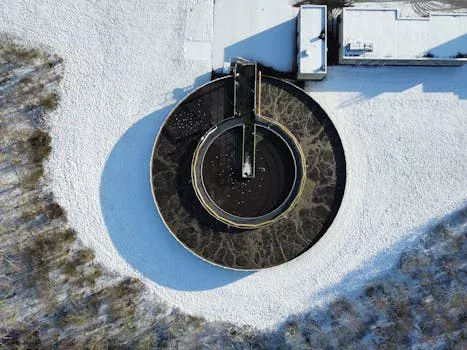
Different wastewater treatment technologies offer distinct advantages and cost profiles, making the selection process critical for project success in Bangladesh. Effluent Treatment Plants (ETPs) are widely adopted across various industrial sectors, such as textiles, pharmaceuticals, and chemicals, and are a common choice for complying with basic discharge standards. A typical ETP for industrial applications in Bangladesh, with capacities ranging from 20 to 200 m³/hour, generally has a CAPEX between ৳20 Lakh and ৳80 Lakh (etp-plant.com, 2025). Their OPEX is primarily driven by chemical consumption (coagulants, flocculants), energy for pumps, and sludge disposal costs, which can be a significant factor (People Also Ask, 2025).
For applications demanding higher effluent quality, a smaller footprint, or water reuse, integrated MBR membrane bioreactor systems are an excellent solution, suitable for municipal, commercial, and advanced industrial wastewater treatment. MBR systems typically involve a higher CAPEX due to the specialized membrane modules and more complex controls, but they often lead to lower OPEX through reduced chemical usage, lower sludge production, and superior treated water quality that can be reused, offsetting fresh water costs. For decentralized municipal, residential, or small-scale industrial needs, compact WSZ series package sewage treatment plants offer a moderate CAPEX solution. These systems are designed for ease of installation and operation, often requiring minimal civil works, and provide effective treatment in a pre-fabricated, compact unit. Lastly, Dissolved Air Flotation (DAF) systems are primarily employed as a pre-treatment step for industrial wastewater, particularly effective in removing oil, grease, suspended solids, and certain heavy metals from sectors like food processing or automotive. While DAF systems have their own CAPEX, their efficient removal of pollutants can significantly reduce the load on downstream treatment processes, thereby lowering the overall costs and increasing the efficiency of the entire treatment train.
| Technology Type | Typical CAPEX Range (BDT) | Key OPEX Factors | Suitable Applications | Footprint Requirement |
|---|---|---|---|---|
| Effluent Treatment Plant (ETP) | ৳20 Lakh - ৳80 Lakh (for 20-200 m³/hour) | High chemical consumption, energy for aeration/pumping, sludge disposal, labor. | Textile, chemical, pharmaceutical, general industrial discharge. | Moderate to Large |
| MBR Membrane Bioreactor System | Higher than ETP (starts from ৳50 Lakhs for smaller capacity) | Energy for aeration/pumping, membrane cleaning chemicals, less sludge, lower labor. | High-quality effluent for reuse, municipal, commercial, space-constrained industrial. | Small to Moderate |
| Package Sewage Treatment Plant | Moderate (e.g., ৳30 Lakh - ৳70 Lakh depending on capacity) | Energy for blowers/pumps, periodic maintenance, some chemicals. | Decentralized municipal, residential complexes, hotels, small industries. | Small, often underground installation. |
| Dissolved Air Flotation (DAF) System | Specific to capacity (e.g., ৳15 Lakh - ৳40 Lakh for pre-treatment) | Energy for compressor/pump, chemical coagulants/flocculants, sludge handling. | Pre-treatment for food processing, oil & grease removal, pulp & paper, heavy metals. | Moderate |
Beyond Initial Price: Calculating Total Cost of Ownership (TCO) and ROI
Evaluating the long-term financial viability of a wastewater treatment plant necessitates looking beyond the initial purchase price and calculating the Total Cost of Ownership (TCO) and potential Return on Investment (ROI). Operational Expenditure (OPEX) is a continuous financial commitment that significantly impacts TCO. Energy consumption is often the largest component of OPEX, particularly for systems requiring extensive aeration (like activated sludge ETPs) or high-pressure filtration (like MBR systems). Chemical consumption, including coagulants, flocculants, and disinfectants, can also be substantial, with ETP chemicals being a regular expense (People Also Ask, 2025). Labor costs for operation and maintenance, along with the procurement of spare parts and consumables, are recurring expenses. the cost of sludge disposal, which can be considerable depending on the volume and hazardous nature of the sludge, must be factored into the long-term budget.
Regulatory compliance costs represent another critical consideration. Non-compliance with Bangladesh environmental regulations can result in substantial fines and reputational damage, making investment in a robust treatment plant a proactive measure to avoid these penalties. Beyond avoiding costs, opportunities for water reuse and resource recovery can generate significant returns. Treated effluent can be repurposed for non-potable uses such as irrigation, cooling towers, or process water, thereby reducing reliance on and expenditure for fresh water intake. Some advanced systems can even facilitate biogas or nutrient recovery, creating additional revenue streams or reducing energy costs. Quantifying the intangible benefits of environmental stewardship and an improved corporate image, while challenging, contributes to brand value and can enhance market perception. A simple framework for calculating ROI involves comparing the total CAPEX and cumulative OPEX over the plant's lifespan against the combined savings from reduced fresh water consumption, avoided regulatory penalties, and potential revenue from resource recovery. This holistic approach provides a clearer picture of the true economic benefits of a wastewater treatment plant investment.
Choosing the Right Wastewater Treatment Solution for Your Needs in Bangladesh
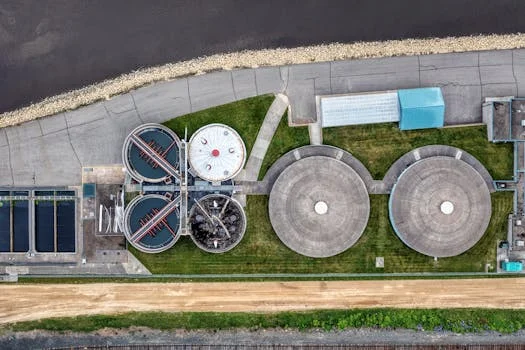
Selecting the optimal wastewater treatment solution for your facility in Bangladesh requires a systematic approach, integrating technical requirements with financial considerations. The crucial first step is to accurately assess your influent wastewater quality and quantity, as this data dictates the appropriate sizing and technology selection for effective treatment. Understanding the specific pollutants, their concentrations, and the average and peak flow rates is fundamental. Next, it is imperative to define your effluent discharge standards, familiarizing yourself with the local Bangladesh Environmental Protection Agency (EPA) requirements for your industry or application, as these standards directly influence the required treatment level. Consider any space constraints at your site and future expansion plans, as some technologies like MBR systems offer a smaller footprint compared to conventional ETPs, while compact package wastewater treatment plant costs in the region can provide flexible solutions.
Beyond the initial investment, carefully evaluate the long-term operational costs and maintenance requirements for each technology. This includes energy consumption, chemical needs, labor intensity, and the availability of spare parts and technical support. Given the complexity and significant investment involved, seeking expert consultation for customized solutions and accurate cost estimations is highly recommended. Professionals can offer tailored advice based on your specific wastewater profile and compliance needs. Finally, emphasize the importance of choosing a reliable supplier with proven local experience in Bangladesh and robust after-sales support, which is critical for the continuous and efficient operation of your wastewater treatment plant. For a more detailed B2B pricing guide for industrial wastewater treatment plants, you can also explore advanced industrial wastewater treatment solutions and compliance strategies in other regions.
Frequently Asked Questions About Wastewater Treatment Plant Costs in Bangladesh
How much does it cost to build a wastewater treatment plant in Bangladesh?
The total cost to build a wastewater treatment plant in Bangladesh typically ranges from ৳20 Lakh to over ৳80 Lakh for industrial ETPs, depending on capacity, technology, civil works, and installation. Larger, more advanced municipal or industrial plants can exceed this range significantly.
What is the cost of a small industrial ETP plant in Bangladesh?
A small industrial ETP plant in Bangladesh, such as a 20 m³/hour capacity system, can cost approximately ৳2,000,000 BDT for the equipment alone, with total CAPEX increasing once civil works, installation, and permits are included.
What are the main operational costs for a wastewater treatment plant in Bangladesh?
The main operational costs (OPEX) for a wastewater treatment plant in Bangladesh include energy consumption (for pumps, blowers), chemical consumption (coagulants, flocculants), labor, routine maintenance and spare parts, and sludge disposal.
How do I get an accurate quotation for a wastewater treatment plant in Bangladesh?
To get an accurate quotation, you should provide detailed information about your wastewater characteristics (flow rate, BOD/COD, TSS, specific pollutants), desired effluent quality, available space, and any specific project requirements to a reputable supplier like HydropureWater.
Are there government incentives or regulations in Bangladesh impacting wastewater treatment investments?
Bangladesh has environmental regulations enforced by the Department of Environment (DoE) that mandate wastewater treatment for industries. While direct government incentives for investment may vary, compliance avoids significant fines and penalties, making investment a regulatory necessity.
Further Reading
Explore these in-depth articles on related wastewater treatment topics:


