Why West Bengal Industries Need Packaged Wastewater Treatment
West Bengal's vibrant industrial clusters, particularly in Kolkata, Howrah, and Haldia, are under increasing pressure to manage industrial effluent effectively. The Central Pollution Control Board (CPCB) and the West Bengal Pollution Control Board (WBPCB) are enforcing stringent discharge standards under the Water Act of 1974. Non-compliance carries severe penalties, with daily fines potentially reaching ₹1 lakh, and in persistent cases, even orders for plant shutdown (CPCB enforcement data, 2023). The often-limited space within urban and semi-urban industrial estates necessitates the adoption of compact, pre-engineered packaged wastewater treatment systems. These systems offer a crucial advantage by being easily integrated into existing facilities without demanding extensive land acquisition. The region's distinct monsoon patterns also highlight the need for robust, sealed, and often buried treatment units that can withstand waterlogging and maintain consistent performance regardless of external weather conditions, making a compact buried package wastewater treatment plant a strategic investment. The increasing focus on circular economy principles and water conservation makes advanced treatment and reuse capabilities of packaged plants highly desirable for sustainable industrial growth in the state.
Key Technologies in Packaged Wastewater Treatment Plants
Selecting the appropriate technology is paramount for efficient and compliant industrial wastewater treatment. Several key technologies are commonly employed in packaged plants, each suited to different effluent characteristics. The Moving Bed Biofilm Reactor (MBBR) system is recognized for its robust performance, achieving 85–92% BOD removal even with influent concentrations of 50–500 mg/L, making it ideal for demanding applications in pharmaceutical and chemical industries. MBBR systems utilize plastic carriers that provide a large surface area for biofilm growth, enhancing biological treatment efficiency and resilience to shock loads. For scenarios requiring exceptionally high effluent quality and a reduced footprint, the Membrane Bioreactor (MBR) system stands out. MBR technology consistently delivers treated water with less than 10 mg/L BOD and below 5 NTU turbidity, offering a footprint up to 60% smaller than conventional treatment systems. The integration of membranes (ultrafiltration or microfiltration) directly after the biological treatment stage ensures superior solid-liquid separation and microbial retention. The Anoxic/Aerobic (A/O) process, as utilized in our WSZ series, is particularly effective for nutrient removal, achieving up to 80–88% nitrogen removal, making it a strong choice for mixed industrial and domestic wastewater streams. This process leverages alternating anoxic and aerobic zones to facilitate nitrification and denitrification. Where oil and grease are significant concerns, such as in food processing or metalworking industries, the Dissolved Air Flotation (DAF) system excels, capable of removing 90–98% of FOG and Total Suspended Solids (TSS). DAF works by introducing fine air bubbles that attach to suspended particles, causing them to float to the surface for removal. Each of these technologies can be integrated into a single packaged unit, offering tailored solutions for diverse industrial needs.
| Technology | Typical BOD Removal (%) | Typical Nitrogen Removal (%) | Footprint Efficiency | Primary Application | Key Advantages |
|---|---|---|---|---|---|
| MBBR | 85–92 | Moderate | Good | High organic load (Pharma, Chemical) | Robust, simple operation, high BOD removal, resistance to fouling |
| MBR | >98 | High | Excellent (up to 60% smaller) | High effluent quality, water reuse (General Industry, Pharma) | Superior effluent quality, compact design, potential for reuse, consistent performance |
| A/O | 80–88 | 80–88 | Good | Nutrient removal (Mixed industrial/domestic) | Effective nitrification and denitrification, optimized for nitrogen reduction |
| DAF | Variable | Not primary | Moderate | Oil & Grease, TSS removal (Food Processing, Metalworking) | High FOG and TSS removal, pre-treatment, effective for emulsified oils |
For advanced treatment needs, consider a high-efficiency MBR system for industrial reuse, or for managing floating solids and oils, a DAF machine is a specialized solution. The selection process should also factor in the specific pollutant profile of the wastewater, including parameters like COD, COD/BOD ratio, and the presence of specific refractory compounds, which might necessitate a combination of technologies or advanced oxidation processes.
Capacity and Flow Requirements: Matching Plant Size to Need
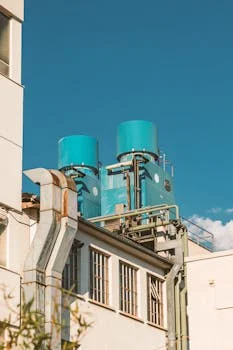
A bridge to the previous section on technology: When choosing a packaged wastewater treatment plant, understanding the technology options is only half the battle; matching plant size to the specific needs of your operation is equally crucial. The optimal capacity for a packaged wastewater treatment plant in West Bengal typically ranges from 100 to 500 cubic meters per day (m³/day), catering to the needs of small to mid-sized industrial operations. However, larger units, up to 5000 m³/day or more, are also available for bigger industrial complexes. It's critical to design for peak flow conditions rather than just average flow. Accounting for a peak factor of 1.5 to 2 times the average flow is recommended to effectively manage sudden surges in wastewater volume that can occur during batch processing, equipment cleaning cycles, or due to seasonal variations like heavy monsoon rainfall. Our WSZ series, for instance, is designed to handle flow rates from 1 to 80 m³/h (which translates to 24 to 1920 m³/day), offering significant scalability. For industries with highly variable effluent generation, such as textile or tannery units, incorporating buffer tanks and advanced automated control systems is essential to ensure consistent influent quality and stable plant operation. These systems can include real-time monitoring of key parameters and automatic adjustments to aeration or chemical dosing. This careful consideration of capacity and flow dynamics prevents system overload, ensures consistent compliance with discharge norms, and optimizes operational efficiency. The modular nature of many packaged plants also allows for staged expansion, where additional units can be added as the industry grows, ensuring that the wastewater treatment infrastructure keeps pace with production demands without requiring a complete overhaul.
A compact buried package wastewater treatment plant like the WSZ series can be scaled by installing multiple units in parallel, providing flexibility for future expansion and redundancy in case of maintenance or unexpected downtime.
Cost Breakdown: CAPEX, OPEX, and ROI in 2025
Understanding the financial investment is crucial for any industrial procurement. In 2025, the Capital Expenditure (CAPEX) for a 100 KLD (Kilo Liters per Day) MBBR-based packaged wastewater treatment plant in West Bengal typically falls between ₹15 lakh and ₹18 lakh. This includes the cost of the plant itself, basic civil works, and installation. The Operational Expenditure (OPEX) for such a system, encompassing power consumption for pumps and blowers, chemicals (if any are used for polishing), and routine maintenance, generally ranges from ₹45,000 to ₹60,000 per month. For larger capacities or more advanced technologies, a 500 KLD MBR system might require a CAPEX of ₹32 lakh to ₹40 lakh, reflecting the higher cost of membrane modules and more sophisticated control systems. The OPEX for MBR plants tends to be higher, around ₹90,000 to ₹1.2 lakh per month, largely due to the scheduled membrane cleaning and replacement every 5–7 years, which is a critical factor in long-term budgeting. A significant cost-saving can be realized with buried units, such as our WSZ series, which can reduce land acquisition costs by up to 30% in prime urban Kolkata plots, and also minimize visual impact. The Return on Investment (ROI) for a well-chosen packaged wastewater treatment plant is typically realized within 2.5 to 4 years. This payback period is driven by avoiding substantial non-compliance penalties, which can easily exceed the annual OPEX, the potential for water reuse which reduces freshwater procurement costs, and reduced sludge disposal costs. For instance, a plant that treats 100 KLD of wastewater can potentially recover significant volumes for non-potable uses like cooling towers or gardening.
| System Type (Capacity) | Estimated CAPEX (₹ Lakhs) | Estimated Monthly OPEX (₹) | Key OPEX Components | Typical ROI (Years) |
|---|---|---|---|---|
| MBBR (100 KLD) | 15–18 | 45,000–60,000 | Power, maintenance, minor consumables | 2.5–3.5 |
| MBR (500 KLD) | 32–40 | 90,000–1,20,000 | Power, maintenance, membrane cleaning chemicals, membrane replacement (amortized) | 3–4 |
| Buried WSZ (Variable) | Varies by size; potential 30% land cost savings | Varies by technology; generally competitive | Power, maintenance, consumables | 2.5–4 (including land savings and penalty avoidance) |
For detailed costings and ROI projections specific to your industrial needs, consult our buried wastewater treatment system cost breakdown for 2025. Consider also the potential for government subsidies or incentives for adopting advanced wastewater treatment technologies, which could further improve the ROI.
Top Suppliers and Compliance in West Bengal
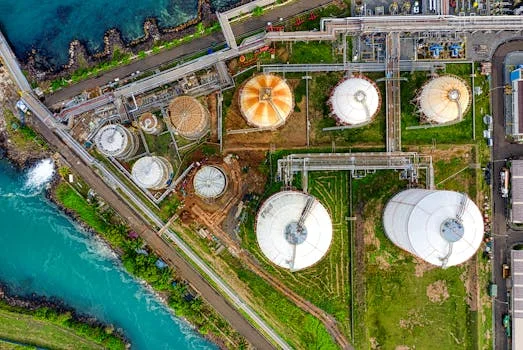
When selecting a supplier for a packaged wastewater treatment plant in West Bengal, prioritize those who are GST-registered and can provide CPCB-certified system designs along with comprehensive performance test reports from third-party accredited laboratories. HydropureWater’s WSZ series, for example, adheres to stringent quality standards, meeting IS 15209:2003 and the EU Urban Waste Water Directive 91/271/EEC, which are benchmarks for reliable performance. Crucially, look for suppliers who offer end-to-end solutions, including onsite commissioning, thorough operator training, and a robust after-sales service and AMC (Annual Maintenance Contract) plan. These services are vital for ensuring a smooth startup and sustained operational efficiency, minimizing potential troubleshooting and downtime. The validation of effluent quality is best confirmed through accredited effluent testing laboratories located within Kolkata, such as those recognized by NABL, providing an independent benchmark for compliance. A supplier's experience in the local West Bengal context, understanding local soil conditions, water quality variations, and regulatory nuances, is also a significant advantage. Reliable suppliers will also provide clear documentation on the expected lifespan of components, spare parts availability, and emergency support protocols. The ability to provide a performance guarantee based on trial runs or pilot studies can also be a strong indicator of a supplier's confidence and commitment to delivering compliant solutions.
Ensuring your chosen system, such as the underground integrated sewage treatment plant, is supplied by a reputable manufacturer with a proven track record in West Bengal is key to long-term operational success and regulatory adherence. It's also advisable to check customer testimonials and references from similar industries within the region.
Frequently Asked Questions
What is the cost of a 100 KLD wastewater treatment plant in Kolkata? Expect ₹15–18 lakh for MBBR-based packaged systems in 2025, with MBR systems potentially costing more due to advanced membrane technology.
How much space does a packaged STP need? A 100 KLD unit typically requires approximately 20–25 m² of footprint. However, buried WSZ models allow for the surface area above the unit to be utilized for landscaping, parking, or other industrial purposes, significantly optimizing land use.
Which technology is best for industrial effluent in West Bengal? The best technology depends on the effluent characteristics: MBBR is ideal for high BOD loads, DAF is excellent for oil & grease and suspended solids removal, and MBR is preferred for achieving very high-quality treated water suitable for reuse in industrial processes.
Do packaged