
Why an Indian plant acquisition is a different compliance exercise than Germany
India operates a consent-based environmental regime that does not map onto the German §8 WHG Erlaubnis / Indirekteinleiter frame. The two anchor statutes are the Water (Prevention and Control of Pollution) Act 1974 and the Air (Prevention and Control of Pollution) Act 1981; operating consents are issued by the State Pollution Control Board (SPCB) in whose jurisdiction the plant sits, and effluent standards are set by the Central Pollution Control Board (CPCB) under the Environment (Protection) Act 1986. There is no Satzung-based indirect-discharge pathway, no AbwV annex routing, and no 10–20 year permit term in the Indian system — the Consent to Establish (CTE) and Consent to Operate (CTO) are typically valid for 5 years and must be re-applied for, not assumed.
Three differences matter for the deal team. First, the Indian regime is sector-schedule-driven: CPCB and SPCBs publish effluent parameter tables by industry category, and a "general engineering" classification is the default for body-in-white work, not the highly specific AbwV Anhang 49 / 47 / 40 routing used in Germany. Second, hazardous waste sits under a parallel statute — the Hazardous and Other Wastes (Management and Transboundary Movement) Rules, 2016 — with its own SPCB authorization, annual returns, and category lists under Schedule I. Third, BMW India is not a greenfield: the Chennai plant has run a water-conservation program since at least 2020, including groundwater recharge at Mahindra World City (source: BMW Group, 2020). The acquirer should benchmark against Chennai's discharge record, not import a Munich playbook.
Which consents and authorizations must be re-applied for after ownership change
Indian SPCBs do not transfer consents to a new owner on closing. The existing CTE and CTO issued in the seller's name lapse as a matter of administrative practice, and the buyer must trigger a fresh application cycle within 30 days of the share-purchase or asset-transfer effective date. The standard SPCB transfer-of-consent practice is to issue a "consent to operate in changed name" once the application, board resolution, and environmental statement are filed; until that letter is in hand, the plant is technically operating without a valid consent. Treat the gap between closing and re-issuance as a Day-0 legal risk in the data room.
The order of statutory moves is:
- File a fresh CTE and CTO application with the SPCB in whose jurisdiction the plant sits — typically Tamil Nadu, Maharashtra, Karnataka, or Haryana for an automotive acquisition. The application references the prior consent number, the new owner's PAN, and a fresh site layout.
- Revalidate the Hazardous Waste authorization under HW Rules 2016 for paint-shop sludge (Schedule I category 21.1 / 23.1), used oil (category 5.1), and spent solvent (category 20.2). The new owner files a separate Form 4 application and submits an annual return in the prescribed format.
- Confirm site-specific consent conditions covering inlet/outlet monitoring locations, self-monitoring frequency (commonly weekly for outlet, monthly for influent, quarterly for stack), online effluent monitoring requirements, and stack-monitoring obligations. The acquirer inherits the conditions; the consent itself is reissued in BMW India's name.
- Check critically polluted industrial cluster (CPIC) status — if the site sits in pockets of the National Capital Region, Ankleshwar, Vapi, or any cluster the CPCB has listed, additional cluster-level consent conditions apply on top of site-level conditions, including possible ZLD mandates and common effluent treatment plant (CETP) participation.
| Authorization | Statute | Issuer | Re-application trigger | Typical re-issuance window |
|---|---|---|---|---|
| Consent to Establish (CTE) | Water Act 1974 + Air Act 1981 | SPCB | Ownership change, expansion, or process change | 60–120 days |
| Consent to Operate (CTO) | Water Act 1974 + Air Act 1981 | SPCB | Ownership change, validity expiry (5 years), or capacity change | 60–120 days |
| Hazardous Waste Authorization | HW Rules 2016 | SPCB | Ownership change, waste-category change | 60–90 days |
| Authorization for cross-border HW movement | HW Rules 2016, Rule 14 | CPCB + SPCB | If NMP stillage or solvent is exported for disposal | 90+ days |
| Groundwater withdrawal NOC | CGWA guidelines | Central Ground Water Authority | New owner, change in abstraction volume | 60–180 days |
Mapping BMW's three process streams to Indian effluent and hazardous-waste rules
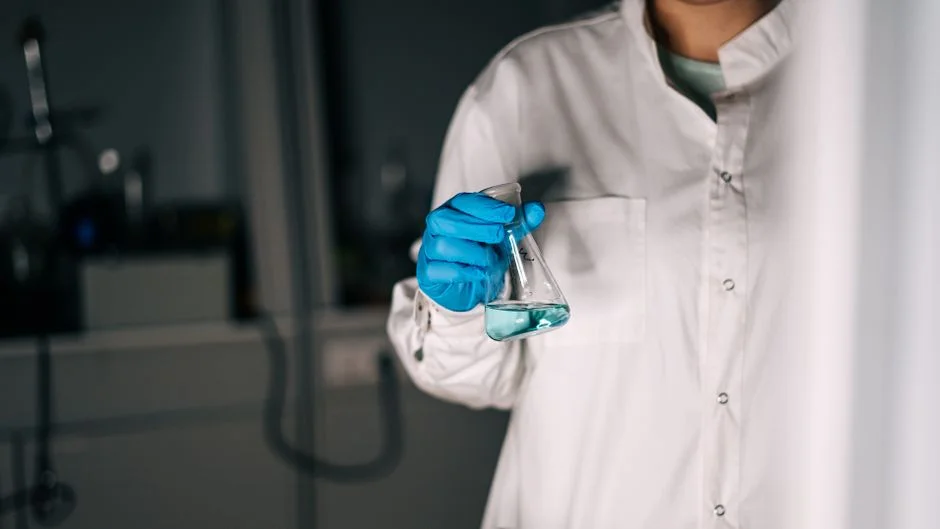
The deal team cannot scope ETP retrofit CAPEX without first knowing which stream hits which SPCB parameter list and which waste streams trigger hazardous-waste authorization. Three process streams dominate an Indian BMW site, and each carries a different compliance fingerprint.
Body-in-white (press shop + welding): metalworking fluids, drawing compounds, and rinse water carry Ni, Co, Zn, and lubricant emulsions with pH swings of 2 to 11 at the headworks (per BMW plant influent characterization under the 17 April 2024-revised AbwV framework, applicable to India process chemistry). The SPCB schedule for "Automobile / Engineering industry" parameters typically requires pH 6.5–8.5, oil and grease ≤10 mg/L, total suspended solids ≤100 mg/L, and metals limits per CPCB general standards. Equalization with PLC-controlled coagulant and pH dosing is non-negotiable, which is where the HydropureWater automatic chemical dosing package fits the upstream train.
Paint shop: solvent-borne and water-borne paint generates COD 1,000–5,000 mg/L, high color, and resin/solvent loading. The stream routes to the CPCB/SPCB paint-industry schedule, and pretreatment is required to remove paint sludge before the biological step. Paint sludge itself is a listed hazardous waste under Schedule I of HW Rules 2016 (category 21.1 — process waste from paint and ink manufacture/removal), and the disposal path is captive incineration or a registered HWTSDF, never co-disposal with municipal solid waste. DAF is the standard primary separation for floating paint solids, emulsified lubricant, and free oil before biology, and the HydropureWater DAF system is sized for exactly that duty. The biological stage then needs to handle the residual COD without being choked by sludge, which is where the HydropureWater MBR membrane bioreactor delivers low-turbidity, low-SS effluent that Indian SPCB consent conditions increasingly require for direct or indirect discharge.
Cathode / EV cell (forward-looking for India): N-methyl-2-pyrrolidone (NMP) solvent recovery is the same chemistry as Germany; evaporation and a distillation column concentrate NMP for reuse in electrode coating, and the residual stillage is hazardous waste under category 20.2 (spent solvents) of HW Rules 2016. India is building out cathode plants through the Tata, Ola, and BMW partner supply chain, so this stream is the fastest-evolving compliance risk on the roadmap and should be flagged in the data room even if the target is currently a body-in-white shop.
Utility wastewater — cooling-tower blowdown, boiler blowdown, and RO reject — carries TDS and typically routes to the plant's ZLD discussion rather than the direct-discharge consent, especially in water-stressed or CPIC jurisdictions.
| Stream | Key parameters | Indian consent target | Hazardous waste class | Primary treatment step |
|---|---|---|---|---|
| Body-in-white (press + weld) | pH 2–11 swings, O&G 200–800 mg/L, TSS 500–1,500 mg/L, Ni/Co/Zn traces | pH 6.5–8.5, O&G ≤10 mg/L, TSS ≤100 mg/L, metals per CPCB general standards | Used oil (5.1), oily sludge (5.2) | Equalization → DAF → MBR |
| Paint shop | COD 1,000–5,000 mg/L, color, paint solids, solvent traces | COD ≤250 mg/L, color as specified, O&G ≤10 mg/L | Paint sludge (21.1), spent solvent (20.2) | DAF → MBR → polishing |
| Cathode / EV cell | NMP 5–20% in wash water, COD up to 30,000 mg/L in stillage | Site-specific, typically routed to ZLD | NMP stillage (20.2), electrode offcuts (B3 category, evolving) | Evaporation → distillation → RO → ZLD |
| Utility (CT/boiler/RO reject) | TDS 1,000–5,000 mg/L, low organics | Site-specific; RO reject to ZLD if CPIC | Generally non-hazardous | RO → evaporator / MEE |
Day-0 to Day-180 compliance roadmap for the deal team
The M&A and EHS lead needs a checklist they can hand to the seller, to BMW India's compliance team, and to the data room. The sequence below assumes closing on Day 0 and tracks the parallel consent, engineering, and reporting workstreams.
| Phase | Legal / consent actions | Engineering / data actions | Owner |
|---|---|---|---|
| Day 0–30 | File consent-transfer application with SPCB; serve notice under HW Rules 2016 for hazardous-waste authorization; serve notice to CGWA for groundwater NOC if abstraction volume changes. | Snapshot existing ETP operating data (influent, effluent, sludge), consent orders, HW annual returns, and stack-monitoring reports into the data room; freeze baseline. | BMW India legal + plant engineering |
| Day 30–90 | Track SPCB acknowledgement; commission third-party baseline audit; submit CTO application if uprated effluent targets are needed. | Install online effluent monitoring at the outlet per BMW Group EHS standard; commission inlet/effluent sampling against SPCB-prescribed parameters; appoint BMW-India-approved third-party auditor. | EHS lead + third-party auditor |
| Day 90–180 | Receive CTO in changed name; receive HW authorization in changed name; file first BMW-name HW annual return. | Close retrofit gap list; if EV / cathode production is in the acquisition thesis, file CTO amendment with uprated effluent targets; align internal BMW Group EHS reporting calendars with the SPCB annual return cycle (typically April–May for the previous financial year). | Plant engineering + EHS |
Decision framework: if the existing ETP is more than 10 years old, was not designed for the BMW stream mix (especially paint-shop + cathode), or sits inside a CPIC with ZLD pressure, treat this as a brownfield retrofit from Day 0, not a like-for-like handover. Budget the equalization + DAF + MBR train as a baseline retrofit, with RO and ZLD options priced as alternates.
What the ETP retrofit typically looks like at an Indian BMW site
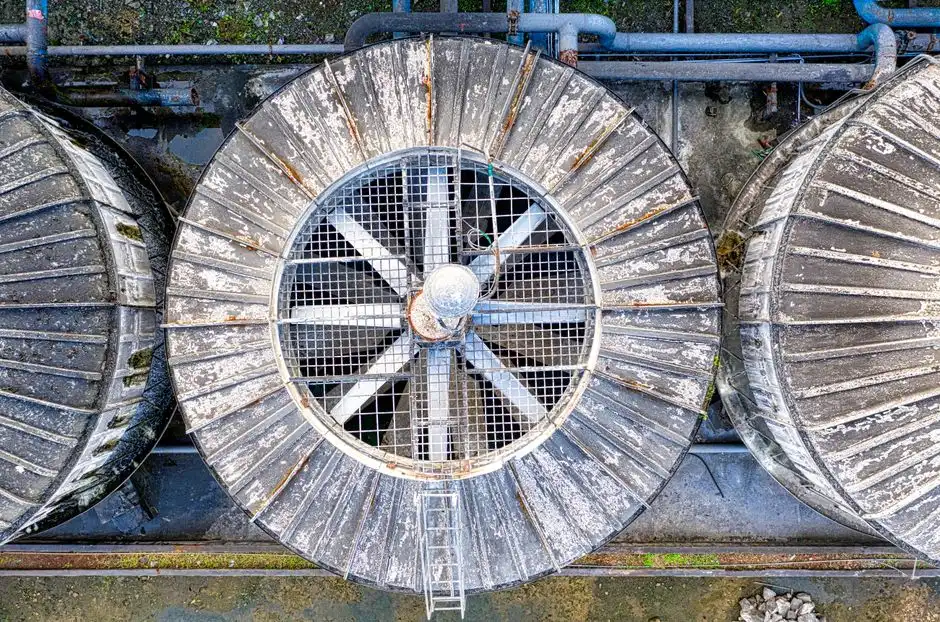
The retrofit train follows the stream characterization above and reuses the same unit operations that BMW's German plants run, re-anchored to Indian consent conditions. The four-stage layout is what an experienced engineer would expect to see in a bid document.
Stage one is equalization with PLC-controlled acid and caustic dosing to absorb the 2–11 pH swings at the headworks before any biological loading. A coagulant and pH dosing system brings mixed pH to 6.5–7.5, and a typical HydropureWater automatic chemical dosing package handles the polymer, coagulant, and pH correction loop with redundant metering pumps. Stage two is DAF pre-treatment for the paint-shop and body-in-white streams to strip oil and grease, floating paint solids, and emulsified lubricant load ahead of biology; the HydropureWater DAF system is the standard sizing for 10–500 m³/h. Stage three is the MBR biological stage: submerged PVDF hollow-fiber modules deliver low-turbidity, low-SS effluent suitable for direct or indirect discharge under SPCB consent conditions, with reactor volume sized to peak flows in the 500–5,000 m³/day range. The HydropureWater MBR membrane bioreactor matches that duty with MLSS 8,000–12,000 mg/L and effluent turbidity below 1 NTU. Stage four is polishing and reuse: the HydropureWater industrial RO system supports cathode NMP recovery, boiler-feed makeup, and process reuse, and an MEE/crystallizer ZLD tail is priced in if the site sits in a water-stressed or CPIC jurisdiction.
For comparable jurisdiction-specific M&A scopes, see the BMW Vietnam M&A compliance guide, the BMW Hungary compliance guide, and the BMW Mexico compliance guide.
Frequently Asked Questions
Does the existing Indian Consent to Operate auto-transfer to BMW on closing?
No. The CTE and CTO are issued in the seller's legal name, and Indian SPCBs require a fresh "consent to operate in changed name" application within 30 days of ownership change, supported by a board resolution and updated site layout. Until that letter is issued, the plant is technically operating without a valid consent (per Water Act 1974 and Air Act 1981 practice).
Which BMW process streams trigger Indian hazardous-waste authorization?
Paint-shop sludge (Schedule I category 21.1 under HW Rules 2016), used oil (5.1), spent solvent (20.2), and — for cathode production — NMP stillage (20.2) all require a separate SPCB authorization. The authorization must be re-applied for in the new owner's name and is renewed separately from the CTO.
What is the ETP retrofit trigger for an Indian BMW acquisition?
If the existing ETP is more than 10 years old, was not designed for paint-shop or cathode loading, or sits inside a critically polluted industrial cluster, treat the site as a brownfield retrofit from Day 0. The baseline train is equalization → DAF → MBR, with RO and optional ZLD priced as alternates for water-stressed or CPIC jurisdictions.
How do BMW Group EHS reporting deadlines align with Indian SPCB annual returns?
SPCB hazardous-waste annual returns and water-consumption returns are typically filed in April–May for the previous financial year (April–March). The acquirer should align BMW Group internal EHS reporting calendars to this window so the first BMW-name return is filed on time and without retroactive data gaps.