Why BMW's Hungary Plant Is a Full IPPC Installation, Not a Light Permit
An automotive assembly plant with an on-site cathodic e-coat line and phosphate pretreatment in Hungary falls squarely under Government Decree 314/2005 Annex I Activity 6.7, which transposes IED 2010/75/EU Chapter IV and captures any installation that performs surface treatment of metals with a treatment capacity exceeding 2 tonnes per day (per Gov Decree 314/2005 Annex I). Debrecen's announced ramp of 50,000 vehicles in nine months for the BMW iX3 (BMW press release, 2026-05) places cathodic e-coat and zinc/iron phosphate throughput well above that 2 t/day metal-treatment threshold, and the paint shop itself exceeds the 5 t/day organic-coating threshold under the same Annex. The competent authority is the Hajdú-Bihar County Kormányhivatal, with the Országos Vízügyi Főigazgatóság (National Water Authority) acting as the technical commenting body for water-related permit conditions.
Foreign ownership does not exempt the operator. The buyer of an existing Hungarian automotive site steps into the seller's IPPC permit status exactly as it stands at SPA signing — including any pending administrative challenge, unresolved compliance notice, or third-party NGO petition. The October 10, 2025 Göd ruling against Samsung SDI's battery plant established that substantive defects in the BAT assessment and public-consultation phases survive ownership change and are grounds for annulment (per the precedent analysis of the Göd ruling, HydropureWater, 2025-10). For a greenfield like Debrecen, the developer filed the original IPPC application as operator of record; for an acquisition, the buyer must file a transfer and modification application at the county Kormányhivatal immediately after SPA close. The 2-year limitation period for third-party challenges means any permit issued to a Hungarian automotive target in 2024 or 2025 remains vulnerable to challenge in 2026.
The Four-Layer Compliance Stack That Governs Debrecen Discharges
Four overlapping regimes apply to any automotive assembly plant discharging process wastewater in Hungary, and the buyer must demonstrate compliance with all of them simultaneously. Layer 1 is the IED 2010/75/EU framework as transposed through Gov Decree 314/2005, which sets the BAT-AEL reference document for surface treatment of metals through Commission Implementing Decision 2014/687/EU (the STM BREF) — the applicable reference for both phosphate pretreatment and cathodic e-coat rinse streams. Layer 2 is Gov Decree 28/2004 (NHKV) for non-hazardous surface-water discharge, with COD typically capped at 200 mg/L and BOD5 at 25 mg/L at the discharge point. Layer 3 is Gov Decree 27/2008 Annex 2, which imposes tighter thresholds in sensitive zones (Tisza basin, Lake Balaton watershed) and for sewer discharges to municipal POTW — phosphorus to 0.5 mg/L and total nitrogen to 10 mg/L where applicable. Layer 4 is REACH (EC 1907/2006) and the 2026 PFAS discharge phase-in, which restricts PFAS-bearing wetting agents in e-coat formulations, certain phosphate replacements, and DAF antifoam chemistries.
| Regime | Key Instrument | Automotive-Relevant Parameters | Typical Limit at Discharge Point |
|---|---|---|---|
| IED / IPPC (Layer 1) | Gov Decree 314/2005; CID 2014/687/EU STM BREF | COD, BOD, TSS, heavy metals, AOX, total P/N | BAT-AEL ranges per BREF |
| Surface Water (Layer 2) | Gov Decree 28/2004 (NHKV) | COD, BOD5, TSS, pH, oil & grease | COD ≤200 mg/L; BOD5 ≤25 mg/L |
| Sensitive Zone / Sewer (Layer 3) | Gov Decree 27/2008 Annex 2 | Total P, total N, heavy metals | Total P ≤0.5 mg/L; total N ≤10 mg/L |
| Chemical Restrictions (Layer 4) | REACH EC 1907/2006; 2026 PFAS phase-in | PFAS, SVHCs, antifoam chemistry | Candidate-list restrictions apply |
Mapping Debrecen's Actual Effluent Streams to Permit Limits
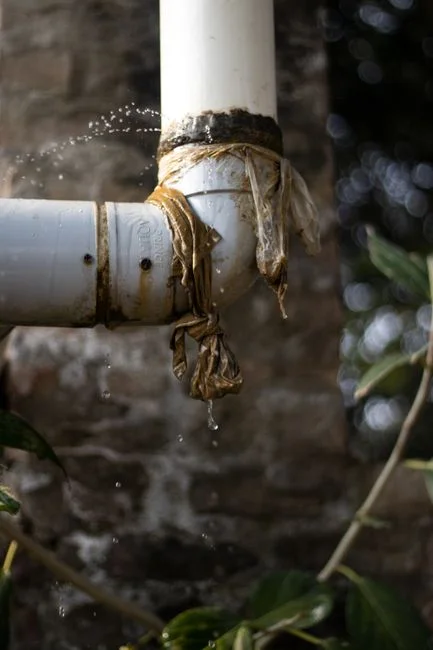
Automotive paint-shop and assembly wastewater is a fundamentally different stream from the pulp-and-paper effluent described in generic IPPC compliance content. At Debrecen, the cathodic e-coat rinse is the largest single stream by volume, typically 800–2,000 mg/L COD and 100–400 mg/L TSS, and contains PFAS/PFPE-bearing paint solids that drive the chemical-restriction layer of the compliance stack. Phosphate pretreatment effluent — generated in the zinc/iron phosphate stage before e-coat — carries zinc at 5–30 mg/L, nickel below 1 mg/L, and total phosphorus at 30–80 mg/L, and is the stream that controls the total P limit under 27/2008 Annex 2 in sensitive catchments. Paint detack and booth scrubber blowdown produces high TSS (500–1,500 mg/L) and color, typically measured as TOC, and requires DAF capture before any biological polishing. Lubricant and stamping emulsion contributes the bulk of the oil & grease load (500–5,000 mg/L) and demands a primary DAF stage with chemical demulsification. Assembly wash water and boiler blowdown are relatively dilute but high in TDS, and they fit the RO concentrate stream in the reuse train.
| Stream | Typical Influent | Critical Parameter | Driver in Compliance Stack |
|---|---|---|---|
| Cathodic e-coat rinse | COD 800–2,000 mg/L; TSS 100–400 mg/L | PFAS / paint solids | Layer 1 BAT-AEL + Layer 4 REACH |
| Phosphate pretreatment | Zn 5–30 mg/L; Ni <1 mg/L; TP 30–80 mg/L | Total phosphorus | Layer 3 (27/2008 Annex 2) |
| Paint detack / booth | TSS 500–1,500 mg/L; color; high TOC | TSS, color | Layer 1 BAT-AEL |
| Lubricant / stamping emulsion | Oil & grease 500–5,000 mg/L | Oil & grease | Layer 2 NHKV |
| Assembly wash + boiler blowdown | Low COD; high TDS | TDS, conductivity | RO reuse loop |
Designing a 15–20% Safety Margin Below the BAT-AEL Ceiling
Meeting the legal limit is not enough. The October 2025 Göd court ruling annulled Samsung SDI's operating permits over defects in the BAT assessment and public-consultation phases — not because the discharge number was wrong, but because the BAT justification itself failed administrative review (per the precedent analysis of the Göd ruling, HydropureWater, 2025-10). For an automotive buyer in Hungary, this means the third-party challenge will attack the BAT narrative, not just the analytical result. The engineering design target must therefore sit 15–20% below the upper BAT-AEL bound. For example, where the STM BREF band for COD runs 150–300 mg/L, the design target should be ≤130 mg/L; where the ceiling is ≤0.5 kg/ADt for AOX, the operating target should be ≤0.4 kg/ADt.
The design envelope must also align with BMW's own public disclosures, because regulators and challengers will read the same documents. Plant Debrecen's announced 80 kg CO2e per vehicle (Scope 1/2) and the 12,000 t/yr paint-shop CO2e saving from renewable-electric ovens (BMW press release, 2026-05) will be cited as the benchmark for BAT adequacy. If the ETP relies on grid power for biological aeration and ozone generation, the permit file must explain how the plant still meets the BMW iFACTORY energy and water targets. Sequential execution of wastewater characterization, treatability testing, and equipment procurement will not fit inside the 60–105-day IPPC review window — the work must be run in parallel with the regulatory application from day one.
Treatment Train That Closes the Loop With Debrecen's 50-Hectare PV Array
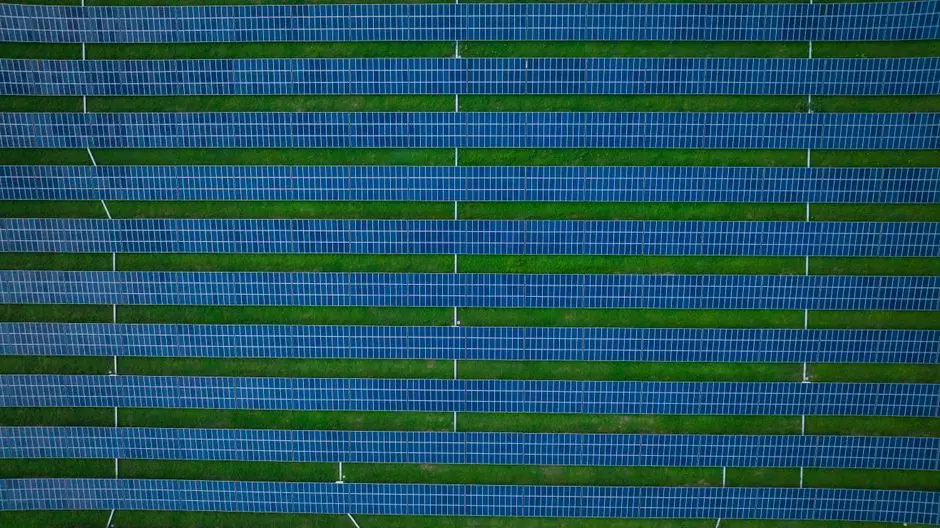
The treatment train for a Debrecen-scale paint shop begins with a dissolved air flotation system for paint detack and lubricant emulsion removal, using chemical demulsification to break oil-in-water emulsions and float both free oil and suspended paint solids. The same DAF-vs-clarifier selection logic documented in the DAF vs clarifier selection guide applies here: DAF is preferred whenever the floatable fraction (oils, paint solids, fiber-like debris) is above ~200 mg/L, which is the case for every paint-shop stream at Debrecen. The DAF underflow discharges to a plate-and-frame filter press for combined biological and chemical sludge to dewater to above 22% dry solids, producing a cake suitable for off-site incineration and eliminating the landfilling risk that has been a recurring compliance flag in Hungarian administrative rulings.
The biological stage uses an integrated MBR with submerged PVDF membranes built around DF-series 0.1 µm PVDF flat-sheet modules, designed for 60% smaller footprint than conventional activated sludge — a relevant comparison detailed in the MBR vs CAS comparison for transportation-equipment wastewater. An anoxic/aerobic MBR configuration achieves the total nitrogen limit under 27/2008 Annex 2 and produces a low-TSS permeate suitable for downstream desalination. Tertiary polishing combines ozone-based AOP for color and residual organics, activated carbon for PFAS removal (see the PFAS removal technology 2026 buyer's outlook for current media and resin options), and an industrial RO at ≥90% recovery for paint-shop process water reuse, with the concentrate routed back to the DAF equalization tank. Energy integration with the 1,800 m³ thermal storage (130 MWh) and the 50-hectare on-site photovoltaic array (BMW press release, 2026-05) offsets 15–20% of ETP power demand; two-shift operation still requires grid draw, but the offset is large enough to support the BAT narrative on energy efficiency.
CAPEX, OPEX, and Permit Risk Budget for a Debrecen-Scale ETP
A 1,500–2,500 m³/day automotive paint-shop ETP in Hungary in 2026 carries an estimated CAPEX of EUR 4.5–7.2M, driven by duplex stainless steel (2205+) for e-coat corrosion resistance and PFAS-grade activated carbon vessels (HydropureWater field data, 2026). Annual OPEX runs 22–30% of CAPEX, dominated by aeration power, ozone generation, and membrane replacement (5–7 yr for MBR, 3–5 yr for RO). Sludge dewatering choice — addressed in the filter press vs decanter centrifuge comparison — should default to plate-and-frame for any stream with high oil or paint-solids content, where centrifuge capture rates drop.
The number that surprises transaction advisors is the permit-risk cost. A 60–105-day re-permit delay at Debrecen's announced 50,000 vehicles in nine months translates to roughly 30–40 vehicles per day of lost production, or approximately EUR 2–4M in deferred margin (per the BMW press release, 2026-05 and HydropureWater transaction advisory protocol, 2026). That figure is larger than the ETP CAPEX itself, which is why pre-assembled skid-mounted DAF, MBR, and RO packages — which cut installation time by 30–40% and lower OPEX by 10–15% (HydropureWater field data, 2026) — are the lever that protects the production schedule.
| Cost Category (1,500–2,500 m³/day) | Range (EUR) | Key Driver / Mitigation |
|---|---|---|
| CAPEX (turnkey ETP) | 4.5M – 7.2M | Duplex SS 2205+, PFAS-grade carbon |
| Annual OPEX | 22–30% of CAPEX | Aeration, ozone, membrane replacement |
| Permit-risk cost (60–105 day delay) | 2M – 4M (deferred margin) | Parallel engineering & procurement |
| Schedule mitigation | 30–40% faster install; 10–15% lower OPEX | Skid-mounted DAF / MBR / RO |
Frequently Asked Questions
Does the IPPC permit transfer automatically with the share purchase agreement?
No. Under Hungarian administrative law, the buyer inherits the seller's permit status exactly as it exists at the moment of asset or share transfer, including any pending litigation, unresolved compliance notices, or active third-party petitions. The October 2025 Göd ruling established that substantive defects in the BAT assessment and public-consultation phases survive ownership change. The acquiring entity must file a formal transfer and modification application with the Hajdú-Bihar County Kormányhivatal to establish itself as the operator of record, and the 2-year limitation period for third-party challenges continues to run against the inherited permit.
What is the realistic permit-review window for a Debrecen-scale plant?
The county Kormányhivatal, with the Országos Vízügyi Főigazgatóság as technical commenting body, typically requires 60 to 105 days to review and approve a new or modified IPPC permit. Because this window can delay production at a 50,000-vehicle-per-nine-months ramp, engineering, wastewater characterization, and equipment procurement must run in parallel with the regulatory application rather than sequentially.
Are PFAS limits already enforceable in 2026?
Yes. Under the 2026 PFAS discharge phase-in and REACH (EC 1907/2006) candidate-list restrictions, PFAS-bearing wetting agents in e-coat formulations, certain phosphate-replacement chemistries, and PFAS-containing DAF antifoams are restricted. Compliance engineers should check the REACH candidate-list status of every chemical in the e-coat and pretreatment bath before procurement, and the ETP must include an activated carbon or resin-based polishing stage sized for the expected PFAS loading.
Can the ETP run entirely on renewables?
Partially. Plant Debrecen's 50-hectare on-site photovoltaic array and 1,800 m³ thermal storage system (130 MWh capacity) offset 15–20% of ETP power demand on a sunny summer day, but because the iX3 line operates in two shifts, the plant still draws from the grid after dark (BMW press release, 2026-05). The offset is sufficient to support the BAT narrative on energy efficiency but does not by itself eliminate grid draw for biological aeration, ozone generation, and RO high-pressure pumps.
What is the biggest hidden cost in the permit?
The 60–105-day re-permit delay, not the equipment CAPEX. At 30–40 vehicles per day of lost production during a Debrecen-scale ramp, deferred margin reaches EUR 2–4M, which exceeds the EUR 4.5–7.2M ETP CAPEX. Engineering design, treatability testing, and skid-mounted equipment procurement must therefore be executed in parallel with the regulatory application to protect the production schedule.
Related Equipment
- industrial RO at ≥90% recovery for paint-shop process water reuse — specifications, capacity range, and technical data