Why Animal Feed Wastewater Pushes Conventional Treatment Past Its Limit
Feed mill effluent from fishmeal, soybean, and grain processing carries 5,000–25,000 mg/L COD, 2,000–8,000 mg/L TSS, 200–1,500 mg/L fats/oils/grease (FOG), and 200–800 mg/L total nitrogen, with NH₃-N landing between 80–200 mg/L. That is roughly 5–10× the organic load of municipal sewage, and it arrives as a fouling cocktail rather than a simple waste stream. Emulsified fat coats biological floc and suppresses biomass activity; protein hydrolysis drives ammonia spikes that push effluent nitrogen past the limits an activated-sludge tank can consistently hold; and starch creates a compressible cake that blinds membranes and clogs aeration diffusers. Provincial discharge caps in most Chinese regions sit at COD <50 mg/L, and biological-only trains miss that on consistency even with a well-operated MBR. The single-step value proposition of UF is straightforward: a 0.01–0.1 μm PVDF hollow-fiber UF system rejects emulsified fats, suspended colloids, and 10–500 kDa proteins in one physical barrier, without the activated-sludge footprint or the chemical demand of a DAF-only polishing step. It is the unit operation that closes the gap between the foulants a biological plant cannot eat and the spec a discharge permit demands.
How UF Works on Feed Mill Effluent: Pore Size, MWCO, and Rejection
UF operates at 0.01–0.1 μm nominal pore size, equivalent to roughly 10–100 kDa MWCO (per industry-standard membrane classifications; LiqTech, 2025). That window is correct for retaining proteins (typically 10–500 kDa), starch granules, and emulsified fat globules while passing salts, simple sugars, and small peptides. Most feed-mill installations run 20–50 kDa PVDF hollow fiber for the best balance of flux and rejection, sized for 15–35 LMH forward flux at 85–92% recovery. Permeate-side integrity testing is standard, and backwashes run every 20–45 minutes using permeate at 1.5–2.5× forward flux to lift the fat/protein layer before it consolidates. Material selection matters at 2026 pricing: PVDF hollow fiber at $80–$140/m² is the workhorse; PES runs 5–10% cheaper but its free-chlorine ceiling is 500 ppm versus 1,000+ ppm for PVDF, which is a hard limit for plants running enzyme-assisted or high-Cl CIP regimes. Ceramic (Al₂O₃/TiO₂) at $400–$800/m² is reserved for extreme-pH rendering condensate, not standard feed-mill duty, and the price premium is rarely justified at 35–38°C feed temperature.
| Parameter | Spec / Range | Feed-Mill Implication |
|---|---|---|
| Nominal pore size | 0.01–0.1 μm | Captures emulsified fat, starch, and proteins; passes salts and small peptides |
| MWCO | 10–100 kDa (typical install 20–50 kDa) | Targets the 10–500 kDa protein range; balances flux against rejection |
| Material | PVDF hollow fiber (default); PES (cheaper, lower Cl tolerance); ceramic (rendering only) | PVDF cost $80–$140/m²; PES 5–10% under PVDF but 500 ppm Cl ceiling; ceramic $400–$800/m² |
| Backwash | Permeate, 1.5–2.5× forward flux, every 20–45 min | Dislodges the forming fat/protein layer before it consolidates |
| Rejection targets | Proteins (10–500 kDa), starch granules, emulsified fats retained; salts, simple sugars, small peptides pass | Lowers COD 40–60% and TSS 90–95% across one barrier |
Choosing the Right UF Configuration by FOG Loading
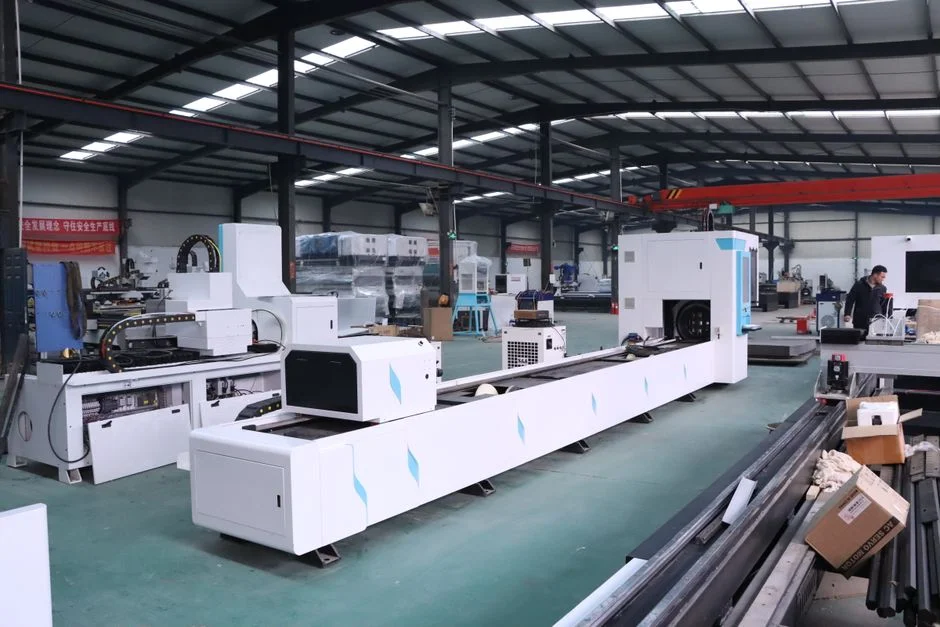
PVDF hollow fiber is the default geometry for roughly 90% of feed applications, backwashable, cost-effective, and integrity-testable from the permeate side. Tubular UF (8–25 mm channels) is the right call on high-FOG fishmeal lines because the open channel tolerates fat slugs without blinding and tolerates the higher TSS that comes with condensate or press liquor. Spiral wound UF is reserved for low-FOG polishing downstream of biological treatment; the spacer geometry fouls fast on raw feed effluent and is not a primary duty membrane. Fouling on feed streams follows a predictable sequence: emulsified fat adsorbs into membrane pores within the first 4–8 hours, then protein forms a 50–200 μm gel layer on the surface, then starch granules build a compressible cake. The combined effect is a flux decline of 35–60% between CIP cycles, the engineering constraint that distinguishes feed-mill UF from municipal UF duty. FOG loading thresholds that drive the choice: below 100 mg/L, spiral wound polishing is acceptable; 100–500 mg/L, hollow fiber with DAF pretreatment; above 500 mg/L, tubular or reinforced PVDF, because standard hollow fiber will blind inside six months.
| FOG Loading (post-DAF) | Recommended Configuration | Channel / Geometry | Typical Flux | TMP Window | CIP Cadence |
|---|---|---|---|---|---|
| <100 mg/L | Spiral wound (polishing only) | 0.7–1.2 mm spacer | 50–70 LMH | 0.8–1.5 bar | 14–21 days |
| 100–500 mg/L | PVDF hollow fiber (default) | 0.8–1.5 mm fiber ID | 25–40 LMH | 1.0–1.8 bar | 7–12 days |
| >500 mg/L | Tubular or reinforced PVDF | 8–25 mm channel | 15–25 LMH | 1.2–2.0 bar | 5–8 days |
The Pretreatment Chain UF Cannot Live Without
UF cost is inseparable from pretreatment cost. Skip the DAF and the membrane replacement bill doubles inside twelve months. The chain starts with a GX series rotary bar screen for feed mill headworks at 0.5–1 mm aperture to protect UF pump impellers and membrane headers from bone fragments, grain husks, and bone meal. The screen feeds a DAF system for feed wastewater pretreatment sized for 200–1,500 mg/L FOG loading, which should deliver 85–95% FOG removal and 70–90% TSS removal, dropping inlet FOG below 50 mg/L to prevent irreversible blinding. pH is then conditioned to 6.5–7.5 via an automatic chemical dosing for UF CIP and pH adjustment skid; proteins are least soluble near their isoelectric point (pH 4.5–5.5), so operating above keeps gel-layer acceleration in check and prevents downstream RO scaling on calcium phosphate. Plants already running biological treatment can substitute an MBR system for feed wastewater biological step for conventional activated sludge and tighten inlet TSS to <30 mg/L entering UF, which extends membrane life by 30–45% (HydropureWater field data, 2025-11). Flux after DAF alone lands at 15–35 LMH; after MBR, it climbs to 40–60 LMH. The pretreatment choice is, in practice, a membrane-area decision, and the 30–60% delta is what separates a defensible bid from an underbid one.
Operating Window: Flux, TMP, Backwash, and CIP Cadence
Design flux on feed wastewater is 15–35 LMH after DAF and 40–60 LMH after MBR. The municipal 40–60 LMH baseline is the wrong reference for feed-mill sizing, and integrators who use it underbid membrane area by 30–60%. Transmembrane pressure operates in a 1.0–2.0 bar window; above 2.0 bar, the protein/fat gel layer compresses and flux collapses, a phenomenon called TMP runaway that ends in a forced CIP. Backwashes run every 20–45 minutes with permeate at 1.5–2.5× forward flux, and the cadence is what keeps the cake from consolidating between chemical cleans. CIP frequency is the single biggest cost lever: every 5–8 days on fishmeal lines, 8–12 days on soybean, up to 14 days on grain-only effluent. Each cycle uses 1–2% NaOH at 50–55°C followed by 0.5–1% HNO₃, consuming 200–400 L of chemicals per 100 m² of membrane area. System recovery is held to 85–92% on feed streams rather than the 95%+ typical of municipal UF; the last 5–8% of recovery adds 30–40% of the membrane area and is uneconomical at 35–38°C with high solids.
| Parameter | After DAF | After MBR | Note |
|---|---|---|---|
| Design flux | 15–35 LMH | 40–60 LMH | Municipal 40–60 LMH baseline is wrong for raw feed sizing |
| TMP | 1.0–1.8 bar | 0.8–1.5 bar | Above 2.0 bar the gel layer compresses and flux collapses |
| Backwash | Every 20–45 min, 1.5–2.5× forward flux | Same | Permeate-side, integrity-testable |
| CIP cadence (fishmeal) | 5–8 days | 7–10 days | NaOH 1–2% @ 50–55°C + HNO₃ 0.5–1% |
| CIP cadence (soybean) | 8–12 days | 10–14 days | Same chemistry |
| CIP cadence (grain) | 10–14 days | 14–21 days | Same chemistry |
| Chemical use | 200–400 L per 100 m² membrane per cycle | Same | Dose via automatic chemical dosing for UF CIP and pH adjustment |
| Recovery | 85–90% | 88–92% | Last 5–8% adds 30–40% of membrane area |
CAPEX and OPEX for a 200 m³/day Feed Mill UF System
Total CAPEX for a complete 200 m³/day PVDF hollow-fiber UF system (skids, membranes, pumps, automation, commissioning) is $450,000–$720,000. The allocation breaks down as: UF skids and pressure vessels 40–50%, membrane modules 15–20%, high-pressure feed and backwash pumps plus piping 12–18%, PLC/HMI automation 8–12%, and installation/commissioning 10–15%. At 500 m³/day with 700–1,050 m² of membrane area, membranes alone represent $56,000–$147,000, consistent with the Yusof et al. 2022 peer-reviewed reference point of ~$61,700 for modules and elements (ScienceDirect S2214785322019277). That cross-check is what makes the CAPEX allocation defensible in front of procurement, rather than a vendor-quoted number. Per-cubic-meter OPEX allocates as: energy $0.04–$0.08 (0.3–0.8 kWh/m³ at $0.08–0.10/kWh), membrane replacement $0.05–$0.14 (PVDF life on feed wastewater is 18–30 months versus 5–7 years for municipal), CIP chemicals $0.02–$0.06, labor $0.01–$0.04 (0.5–1.5 FTE for a 200 m³/day plant), and sludge handling $0.02–$0.06, totaling $0.12–$0.38/m³ against the Yusof 2022 baseline of €0.088–0.175/m³ for generic industrial UF. Membrane replacement and CIP chemicals drive 55–65% of lifetime operating cost, not energy, and that line item doubles when DAF is undersized. China-supplied systems with equivalent PVDF specification run 30–45% below EU/US at 2026 pricing; EU lead time is 14–18 weeks versus 4–6 weeks for Chinese suppliers, a direct project-schedule lever. Simple payback lands at 3.5–6.0 years against freshwater purchase and discharge-fee avoidance for a 200 m³/day plant operating 330 days/year ($7,900–$25,100 annual OPEX).
| Line Item | Allocation | 200 m³/day Range |
|---|---|---|
| UF skids and pressure vessels | 40–50% of CAPEX | $180,000–$360,000 |
| Membrane modules | 15–20% of CAPEX | $67,500–$144,000 |
| Pumps and piping | 12–18% of CAPEX | $54,000–$129,600 |
| PLC/HMI automation | 8–12% of CAPEX | $36,000–$86,400 |
| Installation and commissioning | 10–15% of CAPEX | $45,000–$108,000 |
| Total CAPEX | 100% | $450,000–$720,000 |
| OPEX Component | Per-m³ Range | Driver |
|---|---|---|
| Energy | $0.04–$0.08 | 0.3–0.8 kWh/m³ at $0.08–0.10/kWh |
| Membrane replacement | $0.05–$0.14 | PVDF life 18–30 months on feed wastewater |
| CIP chemicals | $0.02–$0.06 | NaOH, HNO₃, enzyme detergents |
| Labor | $0.01–$0.04 | 0.5–1.5 FTE allocation |
| Sludge handling | $0.02–$0.06 | Concentrate disposal |
| Total OPEX | $0.12–$0.38 | vs. Yusof 2022 baseline €0.088–$0.175/m³ |
How UF Fits into the Full Treatment Train
UF permeate typically lands at COD 200–800 mg/L and TN 50–150 mg/L, well above the <50 mg/L COD provincial discharge limit. UF must be followed by an RO system for UF permeate polishing or by an MBR-UF-RO train to reach reuse or discharge spec. UF's role is to protect the RO from FOG, colloids, and high-MW proteins that would otherwise blind the RO membrane inside months; the design target for UF permeate feeding RO is SDI <3, which is achievable with proper DAF pretreatment and weekly CIP. For reuse projects where the discharge is going to boiler feed or process water, an MBR-UF-RO train is the tightest configuration and is standard. UF alone is never the final barrier on a feed-mill train, and any bid that quotes UF as a standalone discharge solution is underbid or misunderstood. For a deeper dive on the RO step, see the RO Desalination System for Food Processing: Engineering Guide 2026.
Vendor Selection: 8 Criteria That Separate Credible Integrators from Low-Ball Bidders
Eight criteria separate credible UF integrators from low-ball bidders who underbid and underdeliver. Score each vendor 0–5 on: (1) membrane warranty that explicitly covers fat/protein fouling within defined CIP-frequency limits, not a generic 12-month parts warranty; (2) documented CIP protocol with specific chemistry, temperature, and recovery targets; (3) on-site pilot data on actual feed wastewater, not municipal or generic food data; (4) at least three reference plants in fishmeal, soybean, or rendering service; (5) PLC/SCADA integration with remote diagnostics; (6) spare parts lead time under 2 weeks; (7) local service within 8 hours; (8) a total lifecycle cost guarantee written into the purchase contract, not just a capital-cost quote. Three pitfalls kill more UF installations than any equipment failure: undersized DAF that lets FOG through and blinds membranes inside 6 months; skipping the pilot because "the effluent looks similar to other food waste," which it never is; and warranty language that excludes fat fouling as "operator error." At 2026 supply chain reality, EU-origin membrane lead time is 14–18 weeks versus 4–6 weeks for Chinese suppliers, a direct input to project schedule risk. For a process-side reference on the dosing skid tied to vendor CIP claims, see the Automated Chemical Dosing System for Wastewater: 2026 Engineering Guide.
| # | Criterion | Weight | Deal-Killer If |
|---|---|---|---|
| 1 | Fat/protein fouling warranty with CIP limits | High | Excludes fat fouling as operator error |
| 2 | Documented CIP protocol (chemistry, T, recovery) | High | Generic or "to be determined" language |
| 3 | On-site pilot on actual feed wastewater | Critical | Skipped or substituted with food-industry analogy |
| 4 | ≥3 reference plants (fishmeal/soybean/rendering) | High | No feed-mill references |
| 5 | PLC/SCADA with remote diagnostics | Medium | Local panel only, no remote |
| 6 | Spare parts lead time <2 weeks | Medium | EU 14–18 week membrane lead time undisclosed |
| 7 | Local service within 8 hours | Medium | Regional coverage gap |
| 8 | Total lifecycle cost guarantee in contract | High | CAPEX-only quote, OPEX excluded |
Frequently Asked Questions
What pore size and MWCO should be specified for feed wastewater UF?
Specify 0.01–0.1 μm nominal pore size, equivalent to 10–100 kDa MWCO, with most feed-mill installations running 20–50 kDa PVDF hollow fiber for the best balance of flux and rejection across the 10–500 kDa protein range.
Can UF alone meet the <50 mg/L COD discharge limit?
No. UF permeate typically lands at COD 200–800 mg/L and TN 50–150 mg/L, well above the <50 mg/L COD provincial cap. UF must be followed by an RO system for UF permeate polishing or an MBR-UF-RO train to reach discharge or reuse spec.
How long do PVDF membranes last on feed wastewater?
PVDF hollow fiber membranes last 18–30 months on feed wastewater with proper DAF pretreatment and weekly CIP, versus 5–7 years on municipal secondary effluent, a 2–4× reduction driven by fat adsorption and protein gel-layer fouling absent at municipal loadings.
How often does CIP run on a fishmeal vs soybean vs grain UF?
CIP runs every 5–8 days on fishmeal lines, 8–12 days on soybean, and up to 14 days on grain-only effluent, with each cycle using 1–2% NaOH at 50–55°C followed by 0.5–1% HNO₃ and consuming 200–400 L of chemicals per 100 m² of membrane area.
What is the realistic CAPEX for a 200 m³/day feed mill UF system in 2026?
CAPEX of $450,000–$720,000 for a complete 200 m³/day UF system including DAF pretreatment, skids, membranes, automation, and commissioning; OPEX runs $0.12–$0.38/m³, with membrane replacement and CIP chemicals accounting for 55–65% of lifetime operating cost, and simple payback of 3.5–6.0 years.
Related Equipment
- automatic chemical dosing for UF CIP and pH adjustment — specifications, capacity range, and technical data