Why Petroleum Bulk Wastewater in Kansas City Is a Special Case for MBR vs CAS
Petroleum bulk terminals, refineries, and oil-blending plants around Kansas City produce a wastewater stream that does not behave like municipal sewage or even generic "industrial" wastewater. The influent carries free oil from tank draws, emulsified oil from API separator upsets, phenols from process water stripping, sulfides that release H2S in collection sumps, COD typically 500–3,000 mg/L, and temperature swings driven by railcar steaming and ambient winter air dropping basin temperatures below 10 °C. The same facility can swing from a 200 mg/L phenol reading to over 500 mg/L during a desalter release, then back to baseline within hours.
These swings matter because they fall on top of a regulated discharge envelope. The Missouri Department of Natural Resources (DNR) runs the state pretreatment and operating-permit program for KC-area facilities, with categorical standards anchored to 40 CFR Part 417 for petroleum refining and a 0.5 mg/L phenol limit for surface water discharges. A bulk terminal discharging to a Kansas City POTW faces different BOD and TSS limits than a refinery with a Missouri River outfall, but both must design for slug loads. A generic CAS-vs-MBR comparison built on municipal data does not address any of this.
The decision the local engineer actually has to make is narrow: upgrade the existing CAS train so it survives spikes, or build a new MBR skid in front of a dissolved air flotation (DAF) pre-treatment stage. The rest of this guide builds the technical and economic case for each path against that question.
How Conventional Activated Sludge Treats Refinery Wastewater
A conventional activated sludge train consists of an aeration basin where floc-forming bacteria oxidize organics, a secondary clarifier that settles the biomass, and a return/waste activated sludge loop (RAS/WAS) that holds solids retention time (SRT) between 5 and 15 days. On refinery duty, operators typically run mixed liquor suspended solids (MLSS) at 2,000–4,000 mg/L, a food-to-microorganism (F/M) ratio of 0.2–0.5 day⁻¹, and a hydraulic residence time (HRT) of 4–8 hours through the aeration basin.
CAS has real strengths on petroleum duty. The capital cost is well understood, the operator skill set is widely available in the KC labor market, and a properly sized basin can absorb a phenol or oil spike as long as dissolved oxygen stays above 2 mg/L and the sludge is acclimated. Many KC plants have run the same basin for 25+ years.
But CAS has documented limits on refinery wastewater. Nitrifiers and specialized phenol-degraders are slow-growing and wash out when SRT falls below 5 days or when a slug load pushes F/M past 0.6. The secondary clarifier is the weak point: emulsified oil, light floc, and temperature inversions in KC winter months (basin water below 12 °C) drive TSS and oil/grease carryover into the effluent. The MDPI review of MBRs for phenolic industrial effluents (2024) documents that conventional activated sludge struggles to drive residual phenol below 1 mg/L on variable refinery feed, which is the operating zone where Missouri DNR pretreatment enforcement begins. That single number is why "stay with CAS" is not a default answer.
How Membrane Bioreactor (MBR) Technology Treats Refinery Wastewater
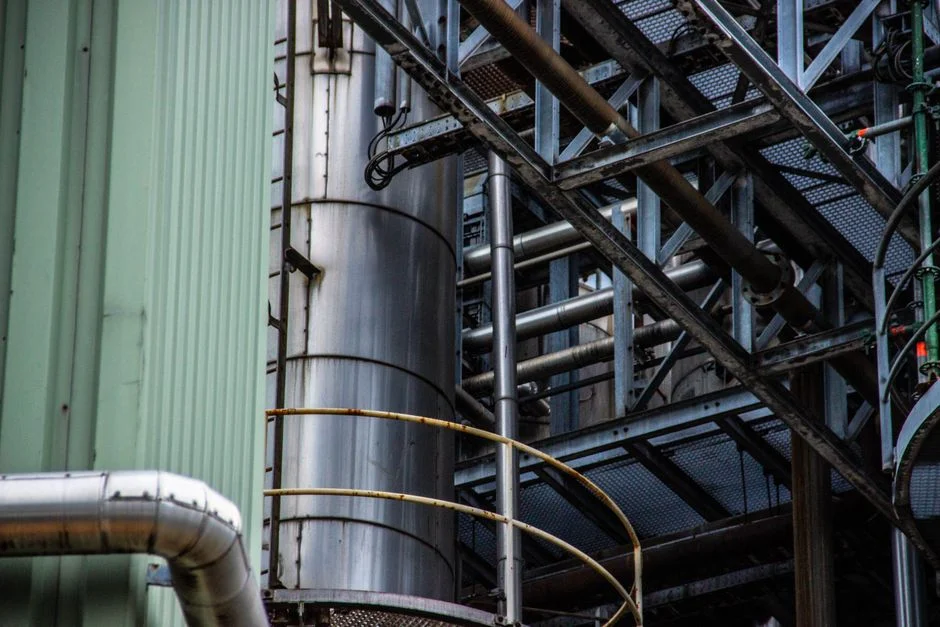
An MBR replaces the secondary clarifier with a submerged ultrafiltration membrane — typically PVDF flat-sheet or hollow-fiber modules with a pore size of 0.03–0.4 μm. The biology is still activated sludge, but the membrane does the solid/liquid separation, so the basin can be run at MLSS of 8,000–12,000 mg/L and SRT of 20–60 days without losing biomass over the weir. The integrated MBR skid for petroleum bulk duty delivered by current-generation systems reaches 60% smaller footprint than an equivalent CAS train at the same loading, an important number for a KC plant that has no greenfield space.
For refinery duty specifically, the higher SRT is the key. Slow-growing phenol-degrading organisms — the bacteria that handle the 6–500 mg/L refinery phenol load documented in the 2024 MDPI review — only dominate when the reactor holds biomass long enough. An MBR running at SRT 30+ days maintains that population through a spike; a CAS basin at SRT 7 days does not. Effluent from a refinery MBR typically runs <1 NTU turbidity, <5 mg/L TSS, and <0.5 mg/L phenol, which is near-reuse quality for boiler feed or cooling-tower makeup after a polishing step (carbon or RO).
The trade-offs are real and need to be priced in. Membranes foul when free or emulsified oil reaches them, which is why upstream DAF is mandatory on petroleum duty. Periodic clean-in-place (CIP) with sodium hypochlorite and citric acid consumes chemicals and downtime. Cross-flow aeration to scour the membrane surface adds 0.3–0.5 kWh/m³ to the blower load versus CAS, which the 2019 Mannina et al. plant-wide model captures in its 0.91 kgCO2eq/m³ MBR versus 0.85 kgCO2eq/m³ CAS direct-GHG comparison. The PVDF flat-sheet MBR module is the configuration most KC-area plants have standardized on for this reason.
Side-by-Side Comparison: MBR vs CAS for Petroleum Bulk Wastewater
The table below is built to be lifted into a capital request memo. Every row is refinery-specific; the GHG, microplastics, and footprint numbers come from the 2019 Mannina et al. plant-wide model and the MDPI 2024 review, both of which compared CAS and MBR on the same influent basis.
| Parameter | Conventional Activated Sludge (CAS) | Membrane Bioreactor (MBR) |
|---|---|---|
| Effluent TSS | 10–30 mg/L (clarifier-dependent) | <5 mg/L (membrane-retained) |
| Effluent turbidity | 5–20 NTU | <1 NTU |
| Effluent oil & grease | 5–15 mg/L without DAF polishing | <2 mg/L with upstream DAF |
| Effluent phenol | 1–5 mg/L on variable load | <0.5 mg/L on acclimated biomass |
| Footprint (same loading) | Baseline | ~60% smaller |
| SRT range | 5–15 days | 20–60 days |
| MLSS | 2,000–4,000 mg/L | 8,000–12,000 mg/L |
| HRT (aeration basin) | 4–8 h | 3–6 h (membrane decouples HRT from SRT) |
| Direct GHG emissions | 0.85 kgCO2eq/m³ | 0.91 kgCO2eq/m³ |
| Effluent microplastics | ~1 MP/L | ~0.4 MP/L (Lares et al., 2018) |
| Free-oil tolerance | Low — clarifier upset on slug | Low — membrane fouling; DAF required upstream either way |
| H2S corrosion risk | Moderate (open clarifier) | Higher inside membrane tank if not ventilated |
| Operator skill required | Standard wastewater operator | Standard + membrane CIP training |
| Spare membrane inventory | None | 10–15% of installed module count recommended |
| Lifecycle crossover (Karim & Mark, 2017) | Lower CAPEX, higher chemical/hauling OPEX | Higher CAPEX, OPEX advantage only beyond ~67 years of design life |
| On-site reuse suitability | Needs tertiary filter + carbon | Near-reuse after polish (carbon/RO) |
The two facts the table does not show but that drive the decision are these: both systems need an upstream DAF or API separator, and neither is a candidate for raw refinery influent. The next section builds that pre-treatment chain out, because the most common error in a CAS-vs-MBR capital study is comparing only the biological step.
Pre-Treatment Chain: DAF, Equalization, and Nutrient Balance
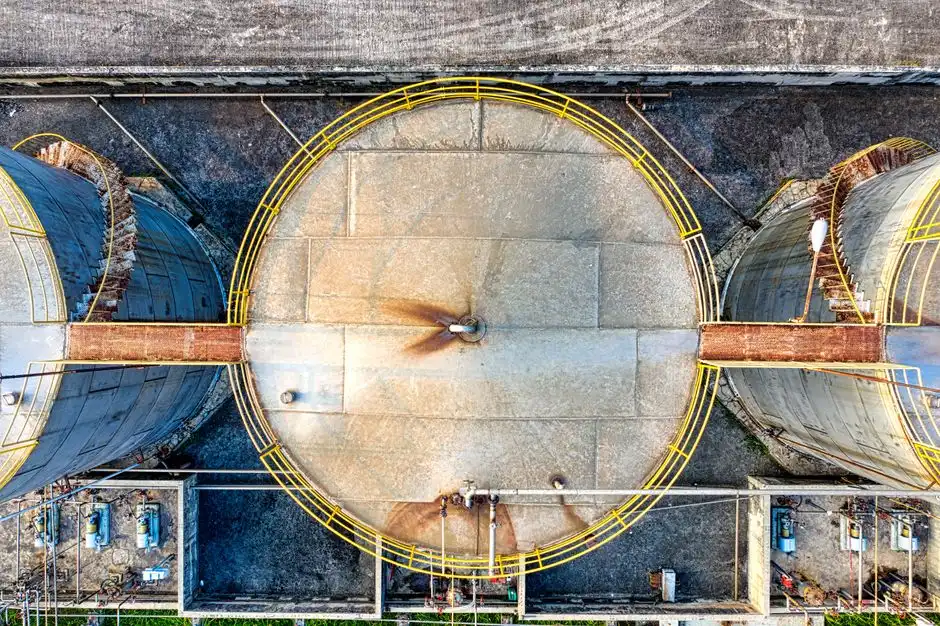
No MBR or CAS basin on the market can take raw petroleum bulk wastewater and produce compliant effluent. Free oil must come out first or it will coat membranes, poison biomass, and short-circuit a clarifier. The standard pre-treatment train is a corrugated plate interceptor or API separator for free oil, followed by a dissolved air flotation pre-treatment unit that removes emulsified oil down to <30 mg/L on the 4–300 m³/h flow range typical of KC-area terminals and refineries.
After DAF, an equalization (EQ) basin sized for 24–48 hours of residence dampens slug loads from railcar offloading, desalter upsets, and tank draining. EQ is the single most under-priced unit operation in refinery wastewater capital studies, and the one that most often gets dropped from a budget — then added back at three times the cost as a retrofit.
Nutrient balance matters at the biological step. Phenol-degrading MBRs need nitrogen and phosphorus in the COD:N:P ratio of approximately 100:5:1 to keep nitrification running alongside phenol degradation; refinery wastewater is almost always nitrogen-limited, so urea or ammonia dosing is a real OPEX line. The 2024 MDPI review explicitly notes that nitrification collapse is a leading cause of MBR failure on petrochemical feed, and the cause is almost always nutrient starvation rather than biology. Plan for dosing from day one, especially if the site is targeting the <0.5 mg/L phenol limit that triggers the strictest Missouri DNR compliance tier.
Kansas City Compliance: Missouri DNR Pretreatment Limits to Plan Around
Missouri DNR enforces categorical pretreatment standards for petroleum refining under 40 CFR Part 417, which sets subcategory-specific limits on TSS, oil & grease, phenols, and several listed toxic pollutants. The state operating permit overlays add monitoring frequency, whole-effluent toxicity (WET) testing, and site-specific local limits for facilities discharging to the Missouri River or to a KC-area POTW. A bulk terminal that sends wastewater to a Kansas City municipal sewer faces the local POTW's limits, which are typically tighter on metals and BOD than the federal categorical floor but more forgiving on phenol than a direct-discharge refinery's river permit.
The hard numbers to design around: 0.5 mg/L phenol for surface water discharge (per the toxicity threshold documented in the 2024 MDPI review), and an aquatic-life toxicity ceiling below 1 mg/L that the same review cites. For TSS, Missouri DNR's typical refinery permit sits at 30 mg/L monthly average, with 45 mg/L daily maximum; oil & grease at 10 mg/L monthly average; and pH 6.0–9.0 standard units. Direct dischargers on the Missouri River also run whole-effluent toxicity tests on a quarterly or annual cycle depending on permit.
Where MBR earns its capital premium on compliance is in the headroom it provides against slug loads. A CAS basin that runs compliant at 10 mg/L TSS baseline will breach permit during a 6-hour slug; an MBR running <5 mg/L TSS has the cushion to absorb that same slug without an exceedance. For a KC refinery or terminal under a consent order, that headroom is a defensible CAPEX justification on its own.
Decision Framework: When to Stay with CAS vs When to Switch to MBR
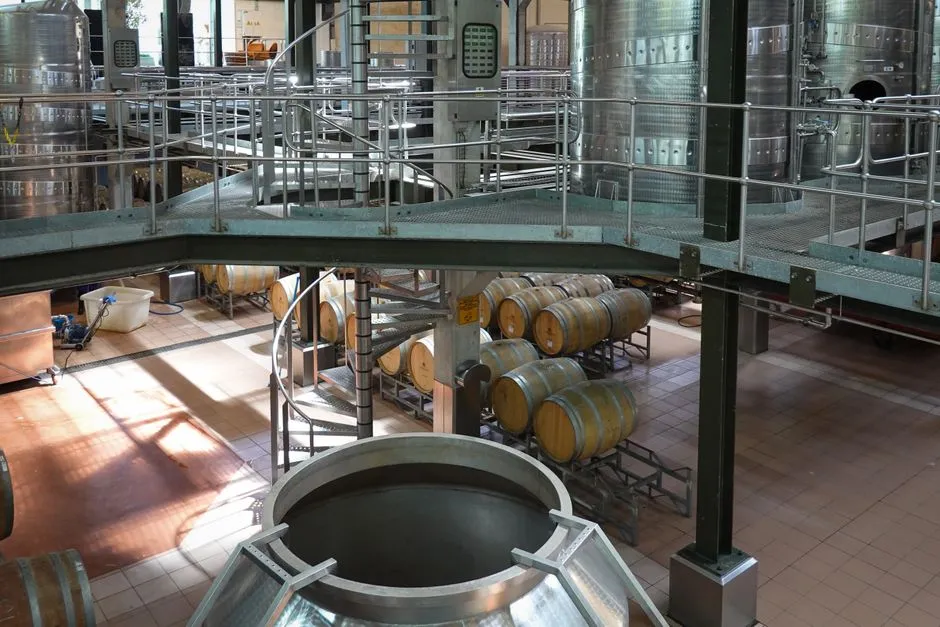
Stay with a CAS retrofit if all of the following apply: the existing aeration basin has 10+ years of structural life, the site has no on-site water reuse target, OPEX matters more than footprint, and a DAF upgrade alone solves the oil-spike problem. A CAS retrofit with diffuser grid replacement, RAS pump rebuild, and a new DAF ahead of the basin typically delivers compliant effluent at 30–50% of the CAPEX of a greenfield MBR, and the operator skill set in the KC market already exists. For a bulk terminal with stable, segregated wastewater streams, this is the right answer.
Switch to MBR if any of the following apply: the site is footprint-constrained (a common issue at older KC terminals where the tank farm has consumed available land), the operation targets on-site reuse for boiler feed or cooling-tower makeup, the site must meet <0.5 mg/L phenol under variable load, or there is regulatory pressure to reduce microplastics and pathogen discharge. The integrated MBR skid for petroleum bulk duty in the 10–2,000 m³/day range is the standard configuration for this duty class, and it can be delivered with the DAF pre-treatment packaged on the same skid to simplify installation.
A hybrid option exists for plants mid-life: retrofit the existing CAS basin with submerged membrane cassettes to convert it to a sidestream MBR, reusing the aeration tank and most of the civil work. This typically delivers 70–80% of new-MBR effluent quality at 50–60% of greenfield CAPEX, and it is the configuration we see most often at KC-area refineries that ran out of footprint but still have a sound basin. For an MBR-vs-CAS capital memo, the MBR vs conventional activated sludge footprint comparison has the sizing math that supports this retrofit case, and the broader COD removal technology comparison for 2026 covers where MBR fits against DAF-only and tertiary options. For DAF-vs-clarifier sizing on the upstream side, the DAF vs clarifier for petroleum wastewater guide applies directly to KC feedstock as well.
Frequently Asked Questions
What phenol concentration can an MBR actually treat on refinery wastewater?
An acclimated refinery MBR running at SRT 20–60 days can treat phenol at the high end of the 6–500 mg/L refinery range documented in the 2024 MDPI review, with effluent typically below 0.5 mg/L — meeting the Missouri DNR surface-water discharge threshold with margin. CAS at typical SRT 5–15 days will struggle to drive effluent below 1–5 mg/L on the same feed.
Is the MBR GHG penalty versus CAS a deal-breaker on a refinery duty cycle?
The 2019 Mannina et al. plant-wide model measured direct GHG emissions of 0.91 kgCO2eq/m³ for MBR versus 0.85 kgCO2eq/m³ for CAS — a roughly 7% penalty driven by higher cross-flow aeration. On a 500 m³/day refinery load, the annualized difference is small relative to membrane CAPEX, and the MBR's microplastics and pathogen reductions often offset the GHG gap in a full lifecycle assessment.
How much smaller is an MBR footprint than CAS on petroleum duty?
Current-generation MBR systems deliver approximately 60% smaller footprint than an equivalent CAS train at the same organic loading, per integrated MBR skid specifications in the 10–2,000 m³/day range. For KC-area terminals with constrained tank-farm layouts, this is often the single factor that decides the project.
Does Missouri DNR require a specific pre-treatment step before biological treatment?
Missouri DNR follows 40 CFR Part 417 categorical standards for petroleum refining, which assume oil/water separation ahead of biological treatment. In practice, that means a DAF or API separator is functionally mandatory before either CAS or MBR — a step that the MBR-vs-CAS literature often omits but that every KC-area plant must include in its permit application.
Can an existing CAS basin be converted to MBR without building a new tank?
Yes. Submerged membrane cassette retrofits can convert an existing aeration basin to a sidestream MBR, reusing the tank, blowers, and most of the civil work. This typically achieves 70–80% of new-MBR effluent quality at 50–60% of greenfield CAPEX, and it is the most common mid-life upgrade path at KC-area refineries with sound existing basins.