Why Cincinnati Fabricated Metals Plants Are Re-Evaluating DAF vs Clarifier in 2026
Cincinnati fabricated-metals plants generate a wastewater stream that punishes single-unit treatment designs. Stamping presses shed drawing compounds and tramp oils, machining cells contribute emulsified coolants and metal fines, grinding operations drop iron and aluminum swarf, and plating lines carry nickel, zinc, chromium, and iron in the rinsewater. The result is a mixed stream that swings in pH, oil content, and dissolved-metal load across a single shift, and the Ohio EPA general permit framework enforced locally by the Cincinnati MSDGC (Metropolitan Sewer District of Greater Cincinnati) industrial pretreatment program treats that variability as a permit-renewal problem. For 2026, tightening discharge limits on total metals, FOG, and TSS to the Mill Creek and Little Miami watersheds are pushing more plants to formalize pretreatment rather than rely on equalization followed by a single legacy unit. The practical question is no longer "do we have a clarifier?" but "do we run DAF, gravity clarifier, or a hybrid train that defends us at the next permit renewal?"
How DAF and Clarifiers Actually Treat Metals Waste
A dissolved air flotation (DAF) unit works by pressurizing a recycle stream of clarified effluent to roughly 100 psi, supersaturating it with air, then releasing that recycle into the flotation tank at atmospheric pressure. Microbubbles in the ~30 µm range form and attach to oil droplets, fine floc, and precipitated metal-hydroxide particles, lifting them to the surface for skimming (per Aries Chemical DAF technical description, 2026). A gravity clarifier — including lamella and parallel-plate designs — does the opposite: heavy metal-hydroxide floc settles under gravity onto a sloped floor or plate pack, where a scraper or hopper collects it as underflow. Lamella packs raise effective surface loading to 20–40 m/h versus 1–3 m/h for conventional cones, which is the engineering reason they have displaced older circular clarifiers in floor-constrained Cincinnati plants.
Both units share the same chemical front-end: pH adjustment to the metal-precipitation window (typically 8.5–10.5 for Ni, Zn, and Cr(OH)₃), coagulant dosing for charge neutralization (ferric chloride or alum are common), and a long-chain flocculant polymer that bridges particles into settleable or floatable floc. The mechanism difference matters in a metals stream because emulsified oil coats the precipitated hydroxide floc. A clarifier alone can lose that oil-rich floc over the effluent weir, sending both oil and metal back downstream. A DAF primary stage floats the coated floc off the top and removes both contaminant classes in a single pass, which is why the hybrid DAF → clarifier train has become the default for plants running mixed stamping and plating waste.
For a deeper comparison of DAF against an API gravity separator on a different oily stream, the pharma oily-wastewater selection guide from 2026 walks through a parallel decision logic that translates directly to fabricated metals.
DAF vs Clarifier: 2026 Head-to-Head for Cincinnati Plants
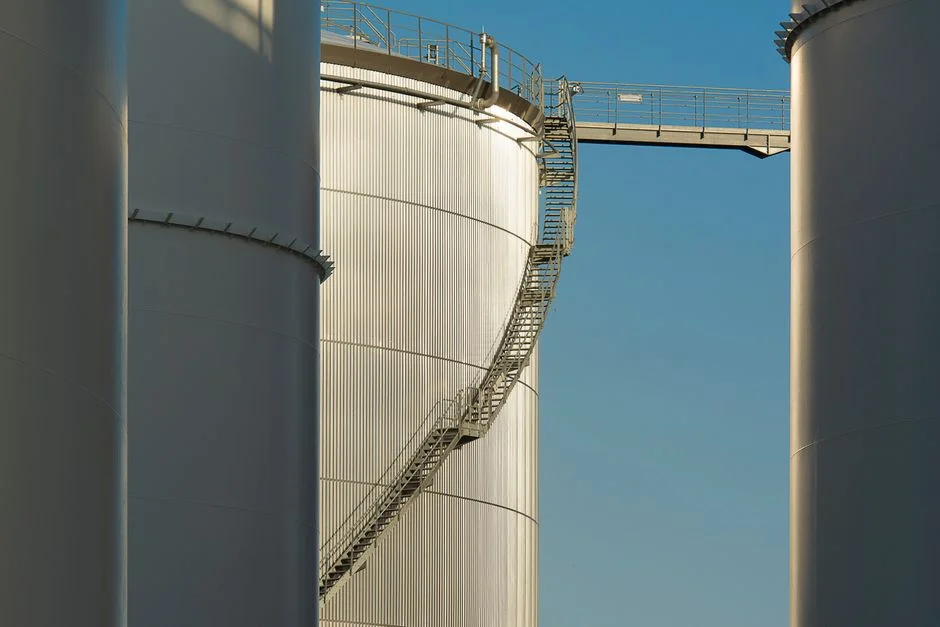
The table below condenses the operating envelope a Cincinnati engineer needs before the vendor meeting. Removal percentages are drawn from 2026 commercial literature and field data on metals-bearing streams; footprint and CapEx ranges reflect typical industrial packages in the 50–200 gpm class.
| Parameter | DAF (standalone) | Gravity / Lamella Clarifier (standalone) | Hybrid DAF → Clarifier |
|---|---|---|---|
| FOG removal | 90–95% (per Ecologix 2026) | ~70% on free oil; poor on emulsified | 90–95% FOG plus polish |
| TSS / settleable solids | 60–80% at high metal loads | 85–90% on settleable metal-hydroxide | 85–90% TSS, low residual metals |
| Metal-hydroxide handling | Good when coag/floc tuned | Workhorse for Ni, Zn, Cr(OH)₃ | Best — two-barrier defense |
| Footprint (per 100 gpm) | ~2–3× a lamella clarifier of equal flow | Compact with lamella plates | Largest, but split across floors |
| Hydraulic retention | 15–30 min | 1–2 h (conventional), faster with lamella | Sum of both stages |
| Polymer / coagulant demand | Moderate to high | Moderate | +10–20% vs either alone |
| Sludge dryness | 3–6% dry solids | 2–4% underflow | Combined stream to filter press |
| CapEx (50–200 gpm) | $$ | $ | $$$ |
| OPEX drivers | Air compressor, polymer, skim haul | Polymer, sludge pumping | Both, plus filter-press downstream |
| Best-fit sub-process | Stamping/drawing, machining coolant | Plating rinsewater, low-oil grinding swarf | Multi-line plant, 2026 greenfield default |
FRC Systems offers DAF packages with effective areas from 35 to 3,100+ sq ft in 304, 316, or duplex stainless steel construction — relevant for Cincinnati plating lines where chloride and low pH excursions chew through mild steel (per FRC Systems 2026 product specifications). A DAF system for fabricated metals wastewater sized at 15–25 m² effective area typically handles 100 gpm of oily stamping wastewater, while a lamella clarifier for metal-bearing wastewater at the same flow occupies roughly 30–40% of the floor space and handles the metals-polish role downstream.
Matching the Technology to the Sub-Process: Stamping, Machining, Plating
The sub-process dictates the unit choice more than the total plant flow does. A stamping or deep-drawing cell running a high-pressure lubricant pushes free oil concentrations well above the 200 mg/L threshold where a clarifier alone starts bleeding FOG over the weir — a DAF primary is non-negotiable there. A machining line with water-soluble coolants generates emulsified oil plus fine metal chips; the chemistry has to break the emulsion (coag + floc) before either DAF or clarifier can do useful work, and a DAF-then-clarifier train is the safest configuration. A plating or electroplating rinsewater stream is metal-dominant and typically low-oil, so a lamella clarifier with pH adjustment and precipitation chemistry is the workhorse; DAF only earns its slot if the line also has oil drag-out from stamping upstream.
A welding or fabrication shop with mostly grinding swarf and iron fines has little oil to remove, and a DAF would burn polymer on solids it cannot float — a clarifier is sufficient and cheaper. The decision rule that holds across all of these: any plant running more than one of the sub-processes above should default to the hybrid DAF → clarifier configuration in 2026, because the chemistry and hydraulics of each stage reinforce the other. For a deeper process walkthrough on a metals-adjacent stream, the foundry and metals sludge treatment guide 2026 covers dewatering and disposal in detail.
Ohio EPA and Cincinnati MSDGC Compliance Lens
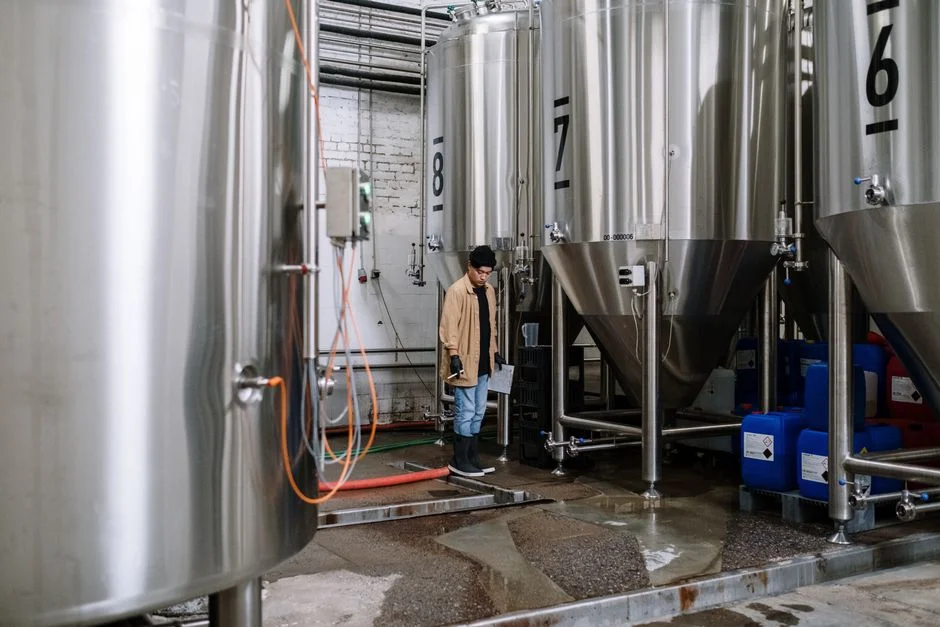
The compliance driver for fabricated-metals plants in Hamilton County is the local limits package enforced through the Cincinnati MSDGC industrial pretreatment program under the Ohio EPA NPDES framework. A metals-finishing site typically must meet categorical or equivalent local limits on total nickel, total zinc, total chromium (including hexavalent where applicable), lead, FOG, TSS, and pH — with the exact 2026 numbers set by the site's individual discharge permit and the Mill Creek / Little Miami watershed rules, both of which an engineer must verify against the current permit before specifying equipment.
A hybrid DAF → clarifier train gives a defensible two-barrier argument at permit renewal: the DAF addresses the FOG and oil-coated floc problem, the clarifier polishes residual metals and TSS, and the two units produce physically separate waste streams (DAF float, clarifier underflow) that simplify hazardous-waste classification of the metal-bearing sludge under RCRA. A single clarifier, by contrast, can leave a plant exposed to FOG cap violations during upset conditions; a single DAF, while it handles the FOG, can struggle to hit residual metals limits without a polish step. The hybrid is the configuration that most easily satisfies both the letter and the spirit of a pretreatment permit.
2026 OPEX Reality Check: Polymer, Sludge, and Energy
OPEX for fabricated-metals pretreatment is dominated by four line items: coagulant (ferric chloride or alum at $0.20–0.40/lb in 2025–26), flocculant polymer ($2–4/lb for anionic polyacrylamide at typical 0.1–0.3% make-down), DAF air-compressor power, and sludge hauling. A 100 gpm hybrid train running 24/5 typically consumes 50–150 lb/day of ferric chloride and 3–8 lb/day of active polymer, depending on the metal and oil load. Sludge dry-solids percentages drive hauling cost directly: DAF float at 3–6% dry solids and lamella underflow at 2–4% both feed a downstream sludge dewatering filter press for DAF and clarifier underflow that produces a 25–35% cake suitable for off-site disposal. The table below sketches a 2026 budget mental check at 100 gpm mixed stamping-and-plating waste.
| Cost line | DAF only | Lamella clarifier only | Hybrid DAF → Clarifier |
|---|---|---|---|
| Coagulant (ferric chloride) | $15–25/day | $20–30/day (higher pH adjustment) | $20–30/day |
| Flocculant polymer | $10–25/day | $8–20/day | $12–28/day |
| Air compressor / pumping kWh | $8–15/day | $3–6/day | $11–20/day |
| Sludge hauling (wet tons) | Moderate | Highest (wettest cake) | Lowest after filter press |
| Residual-metals surcharge risk | Moderate | High (oil breakthrough) | Low |
| Indicative 2026 OPEX (100 gpm) | $$ | $ | $$–$$$, offset by surcharge avoidance |
The hybrid runs 10–20% higher on polymer and energy than either unit alone, but that delta is typically recovered by avoiding MSDGC surcharges, consent-order risk, and the wetter sludge a clarifier-only system hauls. A properly sized polymer and coagulant dosing system for metals precipitation tightens the variance and keeps the OPEX number defensible to finance.
Selection Flow: Which Unit Should Your Cincinnati Plant Choose?
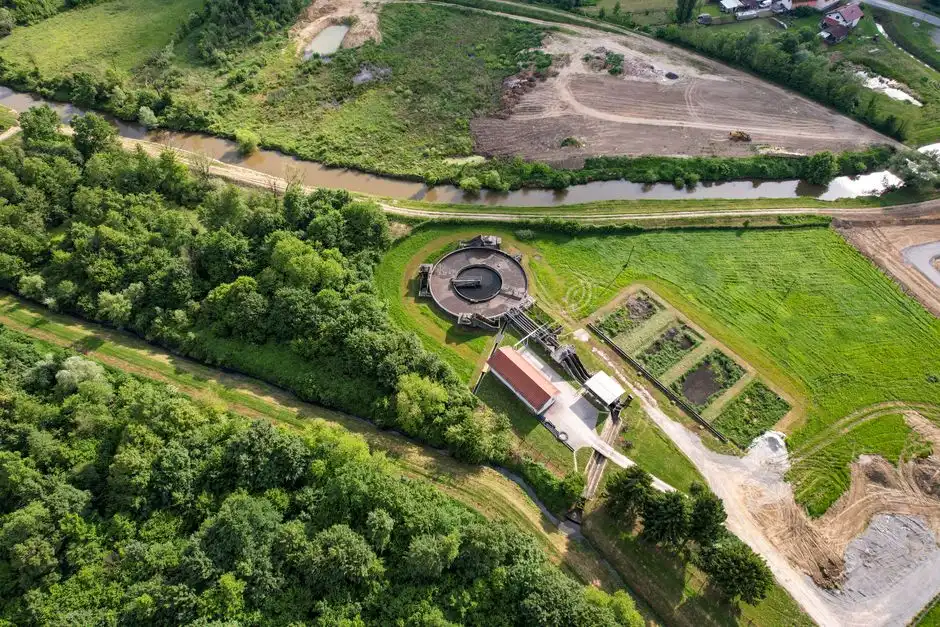
The decision logic compresses to four branches an engineer can walk into a meeting:
- FOG > ~200 mg/L or visible free oil → DAF primary; a clarifier alone will fail the FOG cap.
- Flow is metal-dominated, oil < 100 mg/L, floor space is tight → lamella clarifier with precipitation chemistry; skip the DAF.
- Both oils and metals are present, or production may shift → DAF → clarifier hybrid; this is the 2026 greenfield default.
- Mostly grinding swarf and iron fines, no oil → clarifier sufficient; DAF is over-spec.
Always jar-test or pilot before committing CapEx — polymer demand, metals precipitation pH window, and FOG breakthrough are site-specific, and a one-week pilot on actual plant water will save a six-figure mis-specification. For a parallel decision on a different metals-adjacent stream, the DAF vs clarifier for chemicals wastewater in 2026 guide applies similar logic to chemical-plant waste. The same architecture shows up in DAF vs clarifier for petroleum wastewater decisions and in the broader 2026 DAF engineering guide for the USA.
Frequently Asked Questions
DAF or clarifier for fabricated metals wastewater in Cincinnati — which should a factory choose in 2026?
A hybrid DAF → clarifier train is the defensible 2026 default for Cincinnati fabricated-metals plants. DAF handles the oils and oil-coated floc from stamping, drawing, and machining; the lamella clarifier polishes precipitated nickel, zinc, and chromium to meet Cincinnati MSDGC discharge limits in one train.
What FOG removal can a DAF achieve on stamping wastewater?
90–95% FOG removal on stamping and drawing wastewater when DAF is properly sized and chemistry is tuned (per Ecologix 2026 selection data and Aries Chemical DAF technical description). The 30 µm micro-bubbles generated from a ~100 psi recycle attach to free and emulsified oil droplets and lift them for skimming.
Can a clarifier remove oils?
A gravity or lamella clarifier removes only about 70% of free oil and performs poorly on emulsified oils (per Ecologix 2026). For oily stamping or machining streams, DAF is the correct primary; the clarifier's job is metals polishing and TSS reduction, not oil removal.
How much floor space does a DAF take versus a lamella clarifier?
A DAF typically requires 2–3× the footprint of a lamella clarifier at the same flow. Older Cincinnati steel-mill buildings often push designers toward lamella clarifiers for the polish step precisely because the plate packs deliver 20–40 m/h surface loading in a much smaller tank footprint.
Does Ohio EPA require a specific DAF or clarifier configuration?
Ohio EPA and Cincinnati MSDGC do not mandate a specific unit, but a documented two-barrier pretreatment train — typically DAF primary followed by a clarifier polish — is the defensible 2026 default for permit renewals. Operators should verify the exact metals, FOG, and TSS limits against their current MSDGC discharge permit before specifying equipment.