Why Silver Lake Plastics and Rubber Plants Need a Different Rule
Silver Lake plastics and rubber factories should choose a DAF when the wastewater carries latex emulsions, mold-release oils, plasticizer residues, and fine polymer particles, and a lamella clarifier when the load is dominated by heavy plastic pellets, calcium-carbonate filler, or carbon-black grit. A DAF unit typically removes 90–95% of emulsified oils and suspended plastics fines, while a clarifier achieves roughly 70–90% removal of dense, settleable solids at lower operating cost (Ecologix 2026 update).
The Silver Lake cluster runs three process families — extrusion, molding, and compounding — each with a different contaminant signature. Extrusion lines shed plasticizer residues and polymer fines that resist settling. Molding operations pulse mold-release oils and waxes into the drain during batch cycles. Compounding introduces calcium carbonate, titanium dioxide, carbon black, and regrind pellet fragments. A primary treatment system chosen for "generic" industrial wastewater will under-perform on at least one of those fractions, which is why a plastics- and rubber-specific rule is the first thing an EHS manager in Silver Lake should write down before opening a vendor datasheet.
EPA's 40 CFR 414 governs point-source discharges from plastics and rubber manufacturing and sets the effluent limits any primary system must clear, including BOD, TSS, pH 6.0–9.0, and an oil and grease (O&G) benchmark. The one-line ruling for 2026: specify DAF when emulsified oil, latex, or fine polymer particles dominate; specify a lamella clarifier when grit, fillers, and pellet fragments dominate; and specify a hybrid train when the stream is genuinely mixed. The same regional logic drives food-and-bev decisions in nearby municipalities, as detailed in this DAF or Clarifier for Food & Bev Wastewater in Camp Hill, PA: 2026 Factory Guide.
What Plastics and Rubber Wastewater Actually Contains
Plastics and rubber wastewater is not a single stream — it is at least four overlapping chemistries, and the dominant fraction determines which unit operation wins. Extrusion wash water carries petroleum-based and synthetic mold lubricants, slip agents, and polymer fines in the 10–100 µm range. Molding releases waxes, silicones, and fatty-acid release agents that emulsify rapidly under agitation and produce a stable oil-in-water layer. Latex processing introduces emulsified polymer particles stabilized by surfactants, plus ammonia or amine stabilizers that keep pH above 9.0 in some facilities. Compounding generates dense inorganic loads: calcium carbonate (CaCO₃) at 200–800 mg/L in typical filler-heavy batches, titanium dioxide, and carbon black at concentrations that turn the water charcoal-gray and dominate TSS.
The float-versus-settle distinction is the engineer's most useful heuristic. Emulsified oils, latex droplets, and fine polymer particles have specific gravities near or below 1.0, so they will not settle in a reasonable retention time — they must be floated. Calcium carbonate, carbon black, and plastic pellets have specific gravities from 1.2 (pellets) to 2.6 (CaCO₃), and they will settle in a conventional basin given 2–4 hours of retention. A primary system cannot do both jobs at once unless it is configured as a hybrid train.
| Contaminant | Source process | Specific gravity | Behavior | Best primary unit |
|---|---|---|---|---|
| Mold-release oils & waxes | Injection molding, compression molding | 0.85–0.95 | Float / emulsify | DAF |
| Latex emulsion (10–50% solids) | Dipped goods, foam, adhesive lines | ~1.0 (suspended) | Float, surfactant-stabilized | DAF |
| Polymer fines (10–100 µm) | Extrusion, pellet wash, regrind | 0.92–0.97 | Float / very slow settle | DAF |
| Plasticizer residues (phthalates, adipates) | Extrusion, calendering | 0.95–1.05 | Float, often emulsified | DAF |
| Calcium carbonate filler | Compounding, masterbatch | 2.6–2.7 | Rapid settle | Clarifier |
| Carbon black grit | Tire rubber, black masterbatch | 1.7–1.9 | Settle, slow if colloidal | Clarifier (after DAF for oil) |
| Plastic pellet regrind | All processes | 0.90–1.10 | Settle if heavy, float if foamed | Clarifier (with bar screen upstream) |
Under 40 CFR 414, the regulatory floor is 200 mg/L BOD₅, 200 mg/L TSS, pH 6.0–9.0, and an O&G benchmark that effectively forces emulsified-oil removal upstream of any biological step. Subpart F of 40 CFR 414 covers plastics and rubber point sources and is the section Silver Lake plants should map their discharge permit to before sizing equipment.
DAF vs Clarifier: How Each Technology Works on Polymer Streams
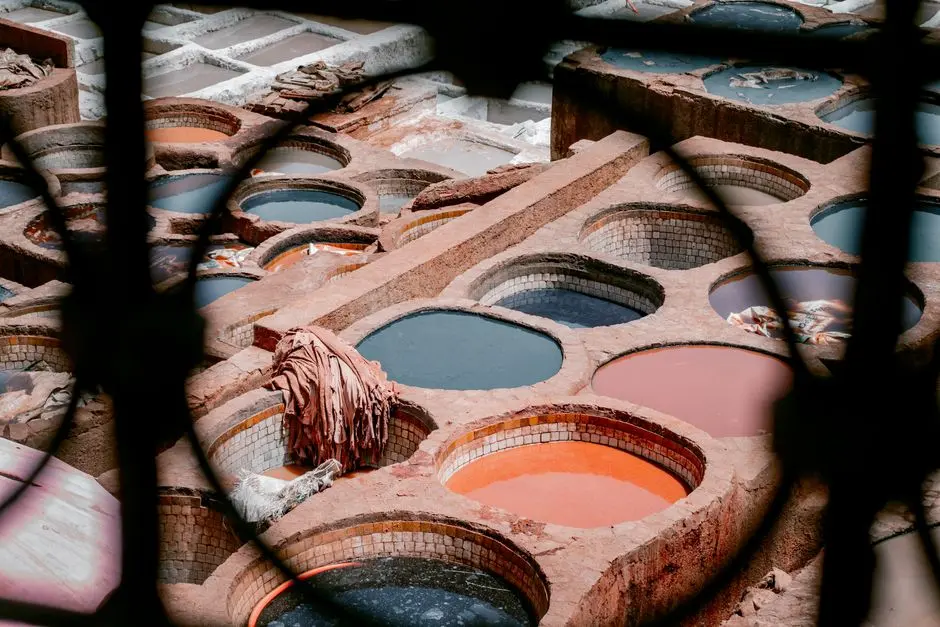
A dissolved air flotation system saturates a side-stream of clarified effluent with air at 5–7 bar, then releases the pressure through a needle valve at the bottom of the flotation tank. The resulting micro-bubbles (10–80 µm) attach to oil droplets and fine polymer particles, lowering their effective density and lifting them to the surface in 3–5 minutes, where an automatic skimmer sweeps the float into a sludge hopper. A food processing case documented in the 2026 Ecologix guide achieved 95% removal of oils and greases with a DAF, compared to 70% for a clarifier on the same stream. For Silver Lake plastics lines, that same 90–95% band applies to emulsified mold-release oils and latex surfactants when the DAF is paired with proper coagulant and flocculant conditioning.
A clarifier relies on gravity sedimentation. Wastewater enters a center well, flows downward, then radially outward at low velocity (typically <1 m/h overflow rate for conventional basins). Heavy solids drop to the sludge blanket and are scraped to a central hopper. The lamella variant inserts inclined plates at 55–60° inside the tank, which shortens the effective settling distance to 50–80 mm and raises the surface loading rate to 20–40 m/h — a 60% footprint reduction versus an equivalent conventional basin. Lamella units handle calcium carbonate, carbon black, and dense plastic pellet regrind with 70–90% removal efficiency, but they cannot break an oil emulsion. If the influent contains 100+ mg/L emulsified oil, a clarifier alone will discharge the oil and fail the 40 CFR 414 O&G benchmark.
Hydraulic tolerance is the second mechanism-level differentiator. Plastics molding and batch compounding create slug discharges — a 2,000 L dump of mold-release emulsion can hit the primary system every 4–6 hours. A DAF absorbs the slug because bubbles keep attaching as long as the float blanket is skimmed; a clarifier resuspends fines when the upflow velocity spikes, sending a plume of TSS out the overflow.
Head-to-Head Comparison: Removal, Footprint, CapEx, OpEx
| Parameter | Dissolved Air Flotation (DAF) | Lamella Clarifier |
|---|---|---|
| Oil & grease removal | 90–95% (Ecologix 2026, food case) | ~70% (Ecologix 2026, same feed) |
| TSS removal (dense grit) | 60–80% | 70–90% |
| Latex emulsion removal | 85–95% with chemical conditioning | Not effective — latex stays in suspension |
| Typical surface loading | 5–25 m/h | 20–40 m/h (lamella plates) |
| Footprint, 50 m³/h unit | Trailer-mounted 47'6"–51'7" × 8'6" (WesTech mobile) or permanent tank | 60% smaller than conventional basin; concrete or steel tank foundation |
| CapEx (50 m³/h) | Higher; includes saturation tank, air compressor, skimmer | Lower; tank + scraper + sludge pump |
| OpEx drivers | Air compressor power, polymer/coagulant dose, skim disposal | Sludge pumping, lower polymer dose, no compressor |
| Hydraulic surge tolerance | High — tolerates batch slugs | Low — surge resuspends fines |
| Polymer/latex float recovery | Yes — skimmable float with resale potential | No — settled sludge is mixed inorganic/organic |
| Skilled labor needed | Moderate (compressor, chemistry tuning) | Low (gravity-driven, infrequent adjustment) |
The table makes the procurement case concisely: DAF wins on oil, latex, and surge tolerance; clarifier wins on dense-grit TSS, footprint intensity, and lifecycle cost. For Silver Lake plants with a mixed signature — and most compounding lines are mixed — neither column is sufficient on its own. A representative DAF unit such as the dissolved air flotation (DAF) system covers 4–300 m³/h across 13 models, which lets a plant match capacity to actual batch discharge without oversizing.
When Silver Lake Plants Should Pick a DAF
Specify a DAF when any of the following describe the influent:
- Emulsified oil or grease above 100 mg/L — typical of mold-release operations and any line using silicone, fatty-acid, or wax-based release agents.
- Latex emulsion present — dipped-goods, foam, adhesive, and glove lines all generate stable latex-bearing wastewater that will not settle in any reasonable retention time.
- Plasticizer or surfactant loading — phthalates, adipates, and nonylphenol ethoxylates keep polymer fines in suspension and create a stable colloidal load.
- Fine polymer particles in the 10–100 µm band with low specific gravity — these float and frustrate any clarifier.
- Batch discharge surges from mold release, kettle cleanouts, or reactor washes — the DAF's micro-bubble contact time stays effective under slug loading.
To push oil and latex removal above 90–95%, the DAF must be paired with chemical conditioning. A coagulant (typically polyaluminum chloride or ferric chloride at 50–200 mg/L) neutralizes the surfactant charge, and a flocculant (0.5–3 mg/L anionic polyacrylamide) builds the floc that the bubbles lift. An automatic coagulant and flocculant dosing skid takes the operator variability out of that step and keeps the DAF on its removal curve during shift changes. The DAF uses an integrated micro-bubble generator and automatic surface skimmer, which together keep float removal consistent at 4–300 m³/h without operator intervention.
When Silver Lake Plants Should Pick a Lamella Clarifier
Specify a lamella clarifier when the influent is dominated by:
- Heavy calcium carbonate filler at 200–800 mg/L — a routine signature in PVC compounding and masterbatch lines.
- Carbon black grit from tire rubber, EPDM, or black masterbatch — settles well, but is slow if the particles are sub-10 µm, so chemical flocculation is often needed.
- Plastic pellet regrind and trim scrap from extrusion — the dense fraction settles cleanly, and a bar screen upstream keeps the large fragments out of the sludge hopper.
- Low emulsified oil (<50 mg/L) and steady, near-continuous flow — a clarifier is the cost-effective default.
The lamella geometry — inclined plates at 55–60° — gives a typical surface loading of 20–40 m/h, a footprint roughly 60% smaller than an equivalent conventional clarifier, and chemical consumption up to 30% lower than a plate-pack DAF on grit-only streams. A HydropureWater high-efficiency lamella clarifier is sized for continuous-flow operations and tolerates the steady discharge profile of an extrusion or compounding line. Because surge loads resuspend fines, the clarifier must be preceded by an equalization tank and protected by a GX series rotary mechanical bar screen to keep plastic scrap and bag fragments out of the sludge system.
Hybrid Trains: DAF Pre-Treatment Plus Lamella Polishing
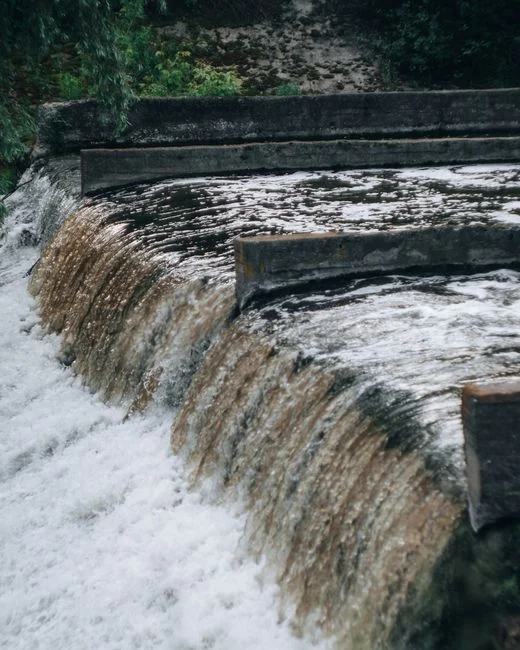
Most Silver Lake plastics and rubber plants do not have a single dominant contaminant — they have a layered problem with oil on top of grit. The standard 2026 solution is a four-stage train: rotary bar screen for gross solids, DAF for emulsified oil and fine polymer particles, lamella clarifier for residual grit and pellet fragments, and a plate-and-frame filter press for sludge dewatering. This sequence hits the 40 CFR 414 limits for O&G and TSS in one pass, and it recovers the polymer float as a skimmable layer that can be pressed and reused or sold, which improves the lifecycle economics.
Hybrid configurations are not theoretical — the 2026 Ecologix guide confirms that hybrid DAF-plus-clarifier systems are explicitly used for complex streams where neither unit alone can meet the discharge permit. The DAF takes the colloidal and emulsified load, the clarifier polishes the dense fraction, and the filter press dewaters both sludge streams to a 30–40% dry solids cake for off-site disposal or thermal recovery. For plants discharging to a municipal sewer with a lower TSS threshold, the lamella effluent also protects downstream biological or membrane polishing units from fouling. Pair the DAF stage with a dissolved air flotation (DAF) system and finish the train with a plate-and-frame filter press for sludge handling.
Cost Snapshot and 2026 Selection Checklist for Silver Lake
The cost ranking in 2026 is unambiguous for single-contaminant streams: a lamella clarifier on a grit-only line is the lowest-cost option in both CapEx and OpEx, while a DAF on an oil-and-latex line is the highest-removal option at moderate-to-high lifecycle cost. The 2026 Ecologix update confirms that clarifiers remain more cost-effective for general sediment, while DAF wins for oil-bearing streams. Hybrid trains sit in the middle on CapEx but deliver the lowest compliance risk on mixed plastics/rubber wastewater.
| Configuration | CapEx (50 m³/h, 2026) | OpEx drivers | Best-fit driver | Payback lever |
|---|---|---|---|---|
| Lamella clarifier only | Lowest (single tank + sludge pump) | Sludge pumping, low polymer dose | Grit/filler-dominant lines | Lower chemical cost; minimal energy |
| DAF only | Highest (saturation tank, compressor, skimmer) | Compressor power, coagulant + flocculant | Oil/latex/fines-dominant lines | Polymer float recovery, O&G compliance |
| Hybrid DAF + lamella | Moderate-to-high (two units) | Both OpEx stacks, plus filter press | Mixed plastics/rubber streams | Single-train compliance, float resale, downstream protection |
A 7-point decision checklist for Silver Lake engineers specifying in 2026:
- Influent signature — Is the load oil/latex/fines-dominant or grit/filler-dominant? Map at least one week of grab samples for O&G, TSS, and particle size distribution.
- Hydraulic profile — Is the flow steady (clarifier-friendly) or batch/slug (DAF-friendly)?
- 40 CFR 414 limits — Confirm the discharge permit values for BOD, TSS, O&G, and pH, and design the primary system to meet them without depending on biological polishing.
- Footprint and site constraints — A trailer-mounted DAF avoids foundation work; a lamella needs a permanent tank and equalization basin.
- Polymer or latex recovery value — If the float is sellable or reusable, a DAF with skimmer and filter press turns a waste stream into revenue.
- Maintenance skill — Clarifiers run on gravity and a scraper; DAFs need compressor and chemistry support. Match the system to the operations team.
- Capital and lifecycle budget — A grit-only line favors a lamella clarifier for lifecycle cost; an oil/latex line justifies the DAF CapEx through compliance and recovery. For mixed lines, the dissolved air flotation (DAF) system plus HydropureWater high-efficiency lamella clarifier and an automatic coagulant and flocculant dosing skid is the standard hybrid recommendation.
Frequently Asked Questions
Does a DAF or a clarifier give better oil removal for latex wastewater?
A DAF gives better oil removal, with 90–95% removal of emulsified oils and suspended latex particles versus roughly 70% for a clarifier on the same stream (2026 industrial data, Ecologix). For latex-bearing wastewater, the DAF is the standard primary unit, particularly when paired with coagulant and flocculant conditioning to break the surfactant-stabilized emulsion.
Can I use a clarifier for plastics pellet wash water?
Yes. A lamella clarifier handles dense pellet and filler wash water efficiently at lower cost than a DAF, typically achieving 70–90% TSS removal at surface loading rates of 20–40 m/h. The clarifier should be protected upstream by a rotary bar screen to keep large pellet fragments out of the sludge hopper and should be preceded by an equalization basin to avoid surge-driven resuspension.
Are DAF and clarifier ever combined?
Yes. Hybrid DAF-plus-clarifier trains are the standard solution for mixed plastics and rubber streams. The DAF removes emulsified oil, latex, and fine polymer particles; the lamella clarifier polishes residual grit and pellet fragments. The two units together meet both 40 CFR 414 O&G and TSS limits in a single train.
What influent parameters should I test before deciding?
Test oil and grease, total suspended solids, pH, BOD₅, surfactant concentration, and particle size distribution. The oil-to-TSS ratio and the size distribution together determine whether DAF, clarifier, or a hybrid train is the right fit for the plant.
How does 40 CFR 414 affect my choice?
40 CFR 414 sets the BOD, TSS, O&G, and pH limits that any primary treatment system must meet for plastics and rubber point-source discharges. Subpart F specifically covers plastics and rubber manufacturers, and it is the regulatory anchor that determines the removal bar a DAF, clarifier, or hybrid train must clear before discharge.