Why Teller Mining and Metals Factories Are Rethinking Solids Separation in 2026
The choice between dissolved air flotation and a lamella clarifier for Teller, Alaska, mining operations in 2026 is a critical compliance and water-reuse decision driven by 40 CFR 440 effluent limits and Alaska Department of Environmental Conservation antidegradation policy. Placer tin and gold operations, plus the small hard-rock mills along the Bering Sea coast, produce tailings water containing three problematic constituents: fine colloidal solids in the sub-50-micron range, residual xanthate and diesel frothing reagents, and emulsified oils from lubrication. DAF micro-bubble attachment outperforms gravity settling in this case because hydrophobic particles and oil droplets attach to 10–100 µm bubbles more readily than they report to a sludge blanket (per Seven Seas Water Group on DAF's role in mining and tailings water treatment).
The federal floor sits in 40 CFR 440, the Ore Mining and Dressing effluent guidelines, which set TSS and metals limits for active mines. Alaska DEC layers an antidegradation review on top, requiring higher removal efficiency than the federal baseline. The 2026 trend, visible in Alaska DEC scoping documents for new and expanded mines, is tailings-water recycle to reduce freshwater intake and long-term impoundment liability. DAF functions as the enabling technology for closed-loop mill water by polishing the clarifier overflow to a turbidity suitable for reuse (per Seven Seas Water Group on DAF enabling tailings water recycling and reduced environmental footprint).
How DAF Actually Separates Mining Solids
DAF units pressurize 20–30% of clarified effluent recycle to 4–6 bar in a saturator vessel to dissolve air into the water. When that recycle stream enters the flotation tank at atmospheric pressure, the dissolved air exits the solution as a cloud of 10–100 micron micro-bubbles, matching the mechanism described in Ecologix E-DAF system documentation for industrial service. These micro-bubbles attach to hydrophobic particles, oil droplets, and floc-bound fines, lifting them to the surface as a float layer for mechanical removal (per Ecologix Environmental Systems on skimming of accumulated float material).
For a Teller-area mill, DAF strips out contaminants that a gravity clarifier misses. In mining service with matched coagulant and flocculant chemistry, achievable removal bands are typically 80–95% TSS, 90%+ on FOG and entrained oils, and 50–70% on BOD associated with the suspended fraction. Reagent-laden streams ride with the float and report to the sludge rather than the recycle loop. A dissolved air flotation system sized for 50–200 m³/h is the typical envelope for a small placer or hard-rock operation in this region.
How Lamella and Conventional Clarifiers Separate Mining Solids
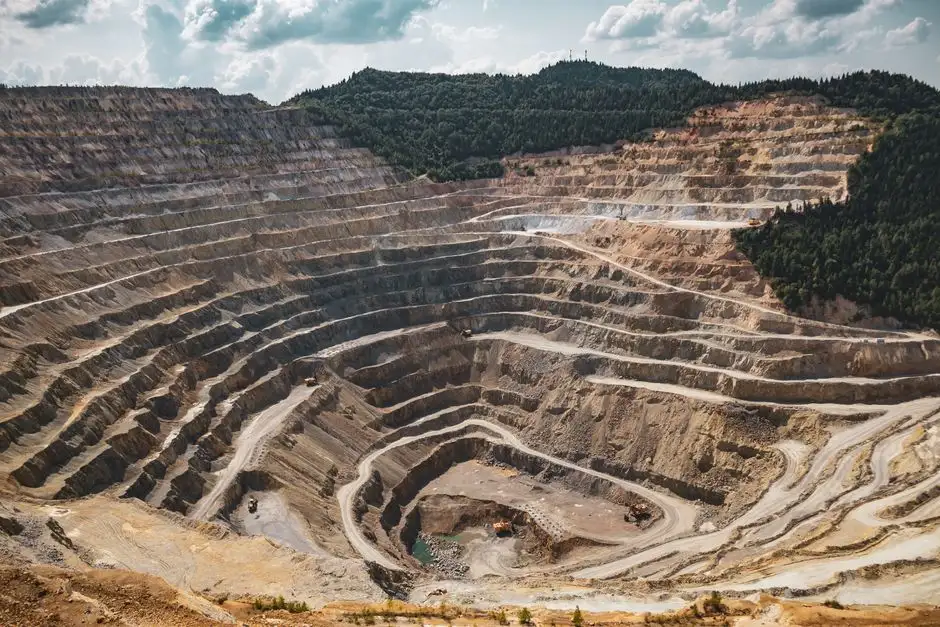
Lamella clarifiers stack inclined plates at 55–60° inside a rectangular tank to shorten the effective settling distance, allowing particles to hit a plate and slide into a hopper. This design achieves a high surface loading rate—typically 20–40 m/h on a HydropureWater high-efficiency sedimentation tank (lamella clarifier)—in a smaller footprint than a conventional clarifier. Coagulant and flocculant can be dosed upstream, and internal sludge recirculation can cut polymer consumption by up to 30%.
Conventional rectangular or circular clarifiers rely on gravity, with hydraulic retention times of 2–4 hours and an effective particle cut-off around 40–50 microns. Both clarifier architectures work well for settleable, granular solids and dominate when flow is high and water chemistry is simple. The problem in a Teller mill circuit is that tailings water carries colloidal fines, residual flotation reagents, and emulsified oils that do not settle in a reasonable timeframe. Physical methods are appropriate where contaminants can be removed without chemical change (per ScienceDirect on physical treatment methods accomplishing removal by naturally occurring forces), but they are not interchangeable when the particle population is dominated by colloids and emulsions.
Side-by-Side: DAF vs Clarifier on the Specs That Matter in Teller
The table below provides a comparison for justification memos. Removal and loading values describe typical operating bands in mining service; site-specific numbers must come from jar testing and on-site pilot work.
| Parameter | Dissolved Air Flotation (DAF) | Lamella / Conventional Clarifier |
|---|---|---|
| TSS removal | 80–95% on colloidal and particulate TSS | 50–75% on settleable TSS; weak on sub-50 µm fines |
| FOG & reagent removal | 90%+ on emulsified oils; strips residual xanthate and frother | Poor — emulsions and reagents stay in the water column |
| Hydraulic loading | 5–25 m/h depending on flux and recycle ratio | 20–40 m/h (lamella); 1–2 m/h (conventional) |
| Footprint per m³/h | Larger tank envelope but a single packaged skid | Smallest footprint for lamella; large for conventional |
| CAPEX band | ~1.6–2.0× equivalent-footprint lamella | Lower — especially field-built concrete basins |
| OPEX drivers | Polymer, saturator pump kWh, compressed air | Polymer, sludge rake power, basin maintenance |
| Cold-climate sensitivity | Enclosed skid with heat-traced recycle holds process temperature | Open basin ice, density currents, broken rake arms |
| Operator skill required | Moderate — saturator pressure, recycle ratio, skimmer speed | Low to moderate — sludge draw, polymer pump |
| Best-fit ore / stream type | Hard-rock mill discharge, placer tailings with reagents, oil-bearing | Coarse settleable solids, pre-DAF roughing, high flow dilute streams |
DAF's micro-bubble attachment specifically targets fine particles and emulsified contaminants where traditional clarification underperforms (per Seven Seas Water Group comparing DAF to traditional clarification methods), serving as the primary differentiator for a Teller mill circuit.
Climate and Logistics: What Sub-Arctic Teller Does to Equipment Choice
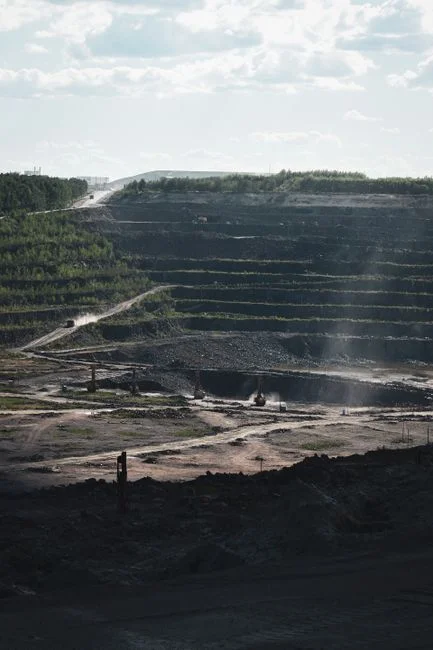
Winter design temperatures on the Seward Peninsula drop well below -20 °C, punishing any open water surface. An uncovered lamella basin in these conditions accumulates skim ice, suffers density-driven convection currents that resuspend settled solids, and experiences rake arm fatigue at bolted connections. Freeze protection on a conventional or lamella clarifier typically requires full enclosure plus heat tracing on the sludge hopper and the launder, which are significant capital cost adders.
Enclosed, insulated DAF skids with heat-traced recycle lines hold process temperature with modest glycol input or waste heat recovered from mill compressors or generators. The saturator and flotation cell are inside the skid envelope, leaving only the feed pipe and float discharge chute as cold-sensitive interfaces. Remote-site logistics also favor containerized, factory-tested DAF skids; a single barge landing or a winter-trail haul delivers a unit that has already been wet-tested, allowing field commissioning in days rather than the weeks required for field-built concrete clarifiers.
Cost, Reuse, and ROI: The 2026 Business Case
DAF capital costs are roughly 1.6–2.0× a comparable-footprint lamella clarifier, but the OPEX gap closes once reuse is monetized. DAF operating costs involve polymer, saturator pump power, and compressed air, while clarifier costs include polymer, rake maintenance, and basin upkeep. Exact figures vary with site power costs and labor, so pilot testing on the actual tailings stream is necessary to lock in OPEX numbers before purchasing.
The reuse potential shifts the financial analysis. Every cubic meter of tailings water recovered reduces freshwater haul costs and the volume managed in long-term impoundment. DAF polishing trains routinely achieve 60–80% recycle ratios in mill-water circuits (per Seven Seas Water Group on water recycling and reduced environmental footprint), shrinking the impoundment footprint and the closure bond. The 2026 regulatory direction in Alaska favors net-zero discharge for mines, making a high-recovery DAF-based train the lower-risk permitting path due to its compliance headroom and reuse capabilities.
Decision Framework: Which Technology When, in One Page
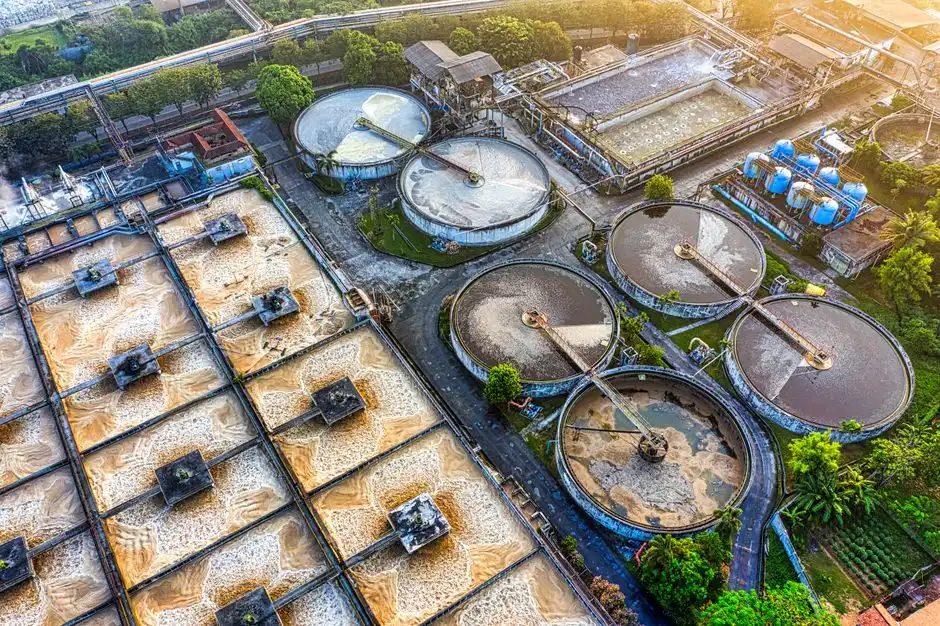
These recommendations assume the mill produces a reagent-bearing, colloidal-fine tailings stream typical of placer tin/gold and small hard-rock circuits. If two or more rows apply, default to DAF; if the stream is purely coarse and settleable with no reagent carry-over, a lamella roughing stage followed by a DAF polish is often the lowest-risk configuration.
| Scenario | Recommended Primary Unit | Why |
|---|---|---|
| Influent TSS dominated by colloidal fines under 50 µm, residual flotation reagents or oils present, mill water must be reused | Dissolved air flotation system | Micro-bubble attachment captures fines and emulsions that gravity settling cannot; enables 60–80% recycle ratio (per Seven Seas Water Group on DAF removing fine particles, flotation reagents, and other suspended materials) |
| High flow, low reagent, primarily settleable coarse solids, tight CAPEX ceiling, large site footprint available | HydropureWater high-efficiency sedimentation tank (lamella clarifier) | Lowest CAPEX, simple operation, robust against variable feed when contaminants are settleable |
| Clarifier overflow turbidity too high for direct mill reuse | DAF polish downstream of lamella | Hybrid DAF-then-lamella (or lamella-then-DAF) trains combine clarifier CAPEX with DAF polish quality; standard in mill-water circuits targeting reuse |
| Cold-climate remote site, single barge or winter-trail delivery window | Containerized DAF skid | Factory-tested, enclosed, heat-trace-ready; avoids field-built concrete and extended cold-weather construction |
For comparison cases in other U.S. mining regions, see the Catlettsburg mining wastewater DAF vs clarifier guide and the Lorton mining wastewater DAF vs clarifier guide; the same framework applies, though Teller's cold-climate and reuse requirements are uniquely strong.
Frequently Asked Questions
Does DAF or a clarifier do a better job of meeting 40 CFR 440 effluent limits for a Teller placer mill?
DAF delivers 80–95% TSS removal and 90%+ FOG and reagent removal for the colloidal-fines and reagent-bearing streams typical of placer operations, providing enough performance to clear 40 CFR 440 daily-maximum limits with operational headroom for Alaska DEC antidegradation review. A lamella clarifier in the same service delivers 50–75% TSS and weak performance on reagents and emulsions, typically requiring a DAF polish downstream to meet reuse turbidity targets.
How much more does a DAF system cost than a lamella clarifier in 2026?
Packaged DAF units cost roughly 1.6–2.0× the capital expenditure of a lamella clarifier for comparable flow and footprint. DAF operating costs are driven by polymer, saturator power, and compressed air, while clarifier costs are driven by polymer and sludge handling. The CAPEX gap is usually recovered within the first few years of operation through tailings-water reuse, reduced freshwater hauling, and smaller long-term impoundment liability.
Can a DAF unit operate through a Teller, Alaska winter?
DAF units operate in winter when specified as enclosed, insulated skids with heat-traced recycle lines and a heat-traced float discharge. The process holds temperature with modest glycol input or waste heat from the mill's compressor or generator. Open lamella basins in the same climate require full enclosure plus heat tracing on the sludge hopper, which erodes their CAPEX advantage and introduces failure modes like skim ice and rake fatigue.
What is the correct next step before committing to DAF or lamella for a specific Teller site?
Run a jar test and a short on-site pilot on the actual tailings water. Measure TSS, FOG, reagent residual, particle size distribution, and settleability at expected winter and summer temperatures; confirm polymer dose and saturator pressure; and verify the recycle ratio the system can sustain. No remote-site procurement decision in 2026 should be made