

Why Loris Mining and Metals Plants Are Re-evaluating Clarification in 2026
40 CFR 437 (Ore Mining and Dressing) sets daily-maximum and monthly-average effluent limits for total suspended solids, total recoverable lead, zinc, copper, and iron, with a pH envelope of 6.0–9.0 for any discharge to waters of the United States (per 40 CFR 437.30–437.32). For Loris, South Carolina sites, that federal envelope is only the first layer: many local outfalls run through tributaries that feed the Atlantic Intracoastal Waterway, so SCDES buffer rules, coastal stormwater-surge requirements during hurricane season, and source-water-quality triggers all stack on top of the federal numbers. A second 2026 pressure is capital-cycle — a large share of in-service clarifiers along this corridor date to the 1970s, and ESG-driven closed-loop water-reuse targets have pushed clarifier replacement from a maintenance line item to a board-level capital request. A third pressure is the stream profile itself: dense metal-hydroxide floc (Fe, Mn, Al hydroxides, silica fines, magnetite) with intermittent tramp oil — the opposite of the FOG-heavy food-processing stream most DAF articles assume. The right answer in 2026 is rarely one technology alone. For Loris-area plants the question has become which technology goes first: a dissolved air flotation system as primary, or a lamella clarifier as primary with DAF as polish — the conventional gravity clarifier rarely survives the decision on footprint alone.
How DAF and Clarifiers Actually Separate Solids
A dissolved air flotation unit floats solids using micro-bubbles generated from a pressurized recycle stream. Clarified water is drawn off the DAF outlet, pressurized to approximately 6 bar (87 psi), and saturated with air in a packed saturation vessel. When the saturated recycle is depressurized back into the flotation tank at atmospheric pressure, dissolved air comes out of solution as 30–50 µm bubbles. Those bubbles attach to chemically conditioned floc and lift it to the surface, where a skimmer sweeps the float into a sludge trough; clarified water exits below the float blanket and heavy settleable solids drop to a bottom sediment compartment. Removal performance for DAF in this service class runs 90–95% for TSS, FOG, COD, and BOD (per S5), and the unit also captures particulate metals and colloidal silica when upstream chemistry is right (per S4). Coagulants typically include polyaluminum chloride (PAC), ferric chloride, or alum, paired with an anionic polymer flocculant at 1–5 mg/L — without that conditioning, micro-bubbles pass right past colloidal fines and DAF underperforms (per S1, S4).
A lamella clarifier with sludge recirculation stacks inclined plates inside a compact tank. The plates multiply effective settling area, so surface loading climbs to 20–40 m/h and footprint drops by roughly an order of magnitude versus a conventional clarifier at the same flow. A conventional gravity clarifier is a large rectangular or circular tank operating at just 1–2 m/h surface loading, which is why its footprint runs 5–8 m² per m³/h. Many lamella designs include a sludge-recirculation loop that re-injects settled sludge to contact fresh influent, cutting coagulant consumption by up to 30% (HydropureWater P10). The mechanism difference matters: lamella relies on gravity settling of dense floc, DAF relies on bubble attachment to anything that has been polymer-conditioned — and that difference is the whole reason 2026 Loris plants run both in series rather than picking one.
DAF vs Lamella vs Conventional Clarifier: 2026 Comparison Matrix
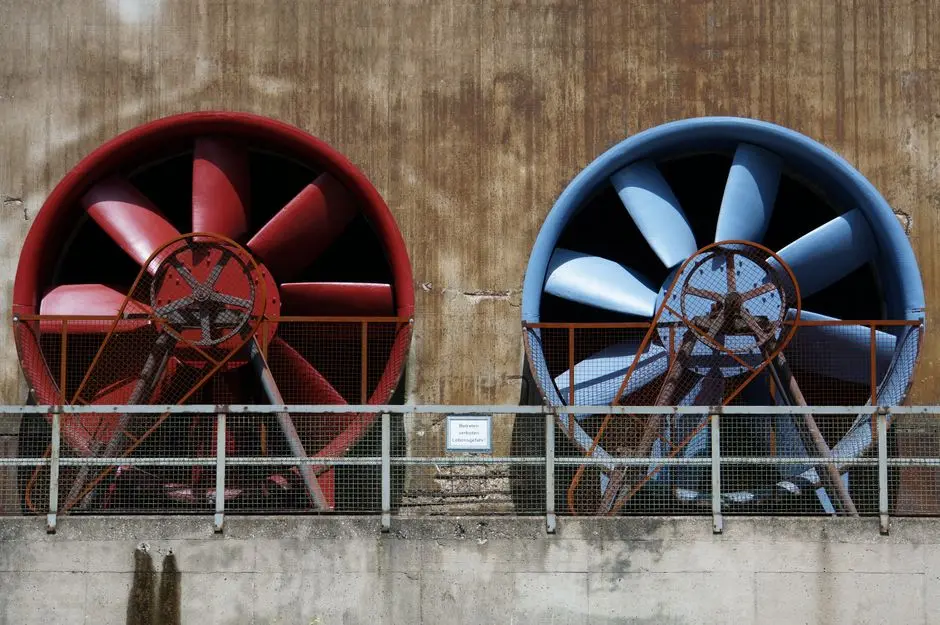
The table below provides a breakdown of dense metal-hydroxide stream parameters for non-technical decision-makers at Loris-area mining or metals plants in 2026.
| Parameter | DAF | Lamella Clarifier | Conventional Gravity Clarifier |
|---|---|---|---|
| TSS removal on dense Fe(OH)₃ / Al(OH)₃ floc | 90–95% | 80–90% | 60–80% |
| CAPEX multiplier (lamella = 1.0x, equal flow) | 1.5–2.5x | 1.0x | 0.7–0.9x (huge hidden civil cost) |
| Footprint (m² per m³/h) | 0.2–0.4 | 0.3–0.6 | 5–8 |
| Energy (kWh per m³ treated) | 8–15 (compressor + recycle) + chemistry | 0.1–0.3 (scraper) + chemistry | 0.1–0.3 (scraper) + chemistry |
| Cold-weather performance (<10°C) | Moderate — size 10–15% margin | Low — freeze risk in unheated hopper | Low — same freeze risk, larger vault |
| FOG, emulsified oil, colloidal fines, light floc | Strong | Weak (oil exits in overflow) | Weak |
| Sludge dryness from unit | Float 4–8% DS — easier dewatering | Underflow 2–5% DS | Underflow 1–3% DS |
| Retrofit fit on a 1970s concrete basin | Excellent (rectangular shop-assembled units fit existing vaults) | Good (plate pack drops into retrofitted shell) | Poor (essentially a rebuild) |
| Coagulant savings via sludge recycle | None | Up to 30% | None |
DAF is the superior choice for FOG, colloidal fines, footprint, and float dryness; lamella is more cost-effective for FOG-free streams at high flow; the conventional clarifier is rarely the 2026 answer due to its footprint. A reference lamella clarifier with sludge recirculation plate pack delivers the 20–40 m/h band that makes the lamella column competitive, and an automatic chemical dosing skid provides insurance against system drift.
Three Decision Rules That Pick the Right Technology
Chemically conditioned floc with specific gravity >1.05 settles readily and favors a clarifier, while polymer-conditioned floc binds to micro-bubbles, making either system viable (per S2, S4). Loris iron-oxide and taconite streams fall into this category, supporting a lamella-primary layout. Free oil and grease do not settle in a clarifier's residence time, meaning any FOG load must be addressed upstream or via a polishing step. This makes DAF necessary as a primary treatment for plants handling cutting-oil emulsions, tramp oil, or maintenance shop fats. Micro-bubble nucleation kinetics slow by 20–30% at 5°C versus 20°C, necessitating a 10–15% sizing margin on recycle pumps and saturation vessels for Loris winters (per HydropureWater field data, S1). These rules indicate that DAF is preferred for FOG or colloidal fines, lamella for dense oil-free floc, and winter-ready sizing margins are essential for cold-weather operations.
Three Loris Scenarios With Flow, Footprint, and Effluent Targets
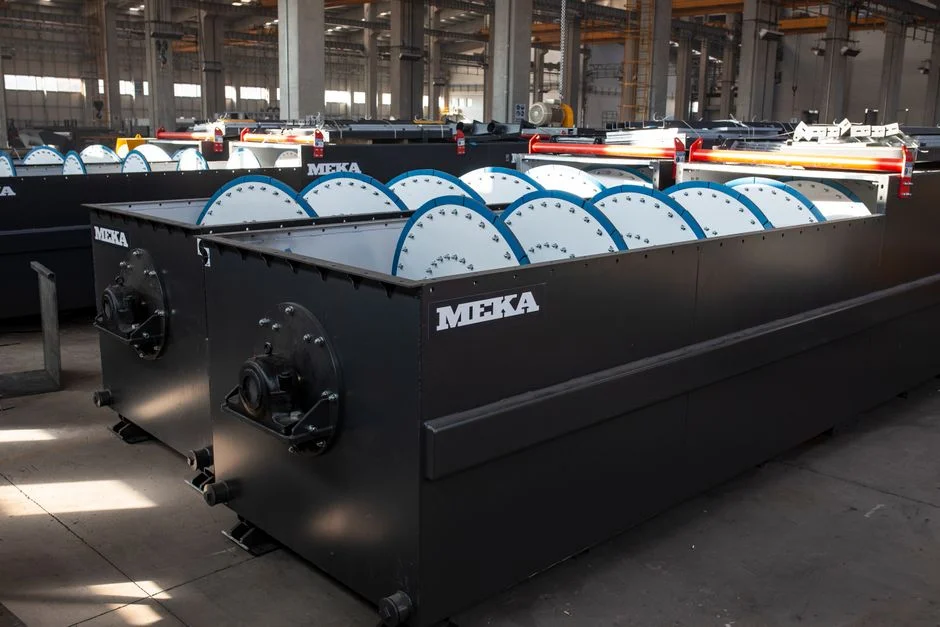
An iron or taconite concentrator (250 m³/h) with no oil carries 1,500–3,000 mg/L TSS as Fe(OH)₃ floc plus magnetite fines. The flow and density favor a high-rate lamella primary at 30 m/h surface loading, requiring roughly 8–9 m² of plate area, with DAF polish used only if maintenance shops introduce FOG. Expected 40 CFR 437 effluent: TSS <30 mg/L is achievable with lamella alone, with metals controlled at the upstream precipitation step.
A mixed-metals refinery (80 m³/h) handling 100–300 mg/L TSS, copper/zinc precipitates, and 50–200 mg/L emulsified cutting oil requires DAF as a primary treatment. A clarifier would discharge emulsified oil, violating 40 CFR 437, so a small lamella should follow as a polish for residual TSS. The 80 m³/h flow fits a standard dissolved air flotation system, and a downstream plate-and-frame filter press manages the 4–8% DS float.
A low-flow (<20 m³/h) copper-mine dewatering site running through winter benefits from a compact DAF skid, which starts and stops quickly and avoids the sludge-hopper freezing risks associated with lamella clarifiers in unheated vaults. DAF's higher CAPEX is offset by operational uptime. For additional pretreatment context, the gold mining wastewater treatment process guide covers comparable chemistry, and the DAF or clarifier for fabricated metals wastewater in Springfield provides decision logic for similar coastal corridors.
Retrofit Math for a 1970s Concrete Clarifier in Loris
DAF CAPEX generally runs 1.5–2.5x a comparable lamella at equal flow (HydropureWater field data, 2026), but this ratio decreases when factoring in civil work and footprint-related building costs. A 100 m³/h stream requires roughly 30 m² of DAF footprint versus 600 m² for a conventional gravity clarifier, making the DAF premium most significant in space-rich sites and least significant in dense industrial corridors. OPEX differences are also a factor, as lamella saves up to 30% on coagulant through sludge recycle, while DAF produces a thicker, more dewaterable float.
Operational costs are manageable with an automatic chemical dosing skid to maintain dose precision and a downstream plate-and-frame filter press. For plants using 1970s-era concrete basins, the decision is between retrofitting a plate pack or installing a packaged dissolved air flotation system, which reduces the footprint, eliminates freeze risks, and minimizes civil-cost overhead.
Frequently Asked Questions
Does 40 CFR 437 require DAF or a clarifier specifically?
No. Neither technology is explicitly required by 40 CFR 437, but the rule sets daily-maximum and monthly-average limits for TSS, total recoverable lead, zinc, copper, and iron, plus pH 6.0–9.0. A well-sized DAF or lamella, paired with chemical precipitation, can meet those limits; many US plants run DAF primary plus lamella polish for margin against daily-max metals.
How do you size a lamella clarifier for metal-hydroxide floc?
For dense Fe(OH)₃ or Al(OH)₃ floc, design at 20–30 m/h on the plate-pack projected area; for fine silica or low-density floc, drop to 10–15 m/h. The published 20–40 m/h range (HydropureWater P10) is for clean, well-conditioned hydroxide floc only — pushing the loading rate on dirty floc is the most common cause of carryover.
What cold-weather sizing margin should a Loris DAF carry?
Insulate or heat-trace the saturation vessel and recycle line, and apply a 10–15% sizing margin on the recycle pump and saturation volume. Micro-bubble nucleation kinetics slow by roughly 20–30% at 5°C versus 20°C (HydropureWater field data, 2026), so the margin is the difference between a system that hits its TSS target on a January morning and one that does not.
Can a taconite or iron-oxide stream run lamella-only without DAF?
Yes — many taconite concentrators run lamella-only as primary clarification on