

Why Pine Bluff Petroleum Plants Are Revisiting DAF vs Clarifier Decisions in 2026
Pine Bluff sits at the confluence of the Arkansas River and a petrochemical corridor that includes a major refinery, multiple crude and product terminals, and ethanol/biodiesel adjunct facilities—a load mix that forces both free oil and heavy settleable solids into a single waste train. Source water drawn from the Arkansas River routinely runs 200–450 mg/L TDS, which elevates dissolved solids loading on any downstream biological step and narrows the margin a primary separator can absorb. The binding 2026 driver is 40 CFR Part 419, the EPA Refinery categorical pretreatment standards administered in Pine Bluff by EPA Region 6 and Arkansas DEQ under the facility's individual NPDES permit. Daily-maximum limits for oil and grease typically land at 10–15 mg/L, TSS at 30 mg/L, with additional caps on sulfides and phenols (per 40 CFR 419.42 BPT/BAT and PSES tables). EPA Region 6 tightened refinery pretreatment reporting and inspections during 2025–2026, with a specific enforcement focus on oily wastewater segregation and slug-control plans (per EPA Region 6 refinery NPDES enforcement memo, 2025-09). Both DAF and gravity clarifiers are valid primary or polishing tools in this train; the real 2026 question is which one carries the load, and in what sequence.
How DAF and Clarifiers Actually Treat Petroleum Wastewater
A dissolved air flotation unit saturates a side stream with air at 60–80 psig, then releases it through nozzles inside the float cell. The resulting micro-bubbles (20–40 micron per DAF Corp's Micro Bubble Generator) attach to oil droplets and fine suspended matter, lifting them to the surface where a rotating skimmer removes the float. On a refinery stream, a properly sized DAF like the FC-150 takes 2,000 mg/L TSS down to roughly 50 mg/L at 500 GPM (per DAF Corp published performance data), and handles both free oil and emulsified oil down to approximately 5–10 micron droplet size. A gravity clarifier—circular or lamella plate—depends on density difference alone. Heavier settleable solids drop to the bottom as sludge; a slow-turning rake or lamella pack accelerates the separation. Lamella plates run surface loading rates of 20–40 m/h, several times the 1–2 m/h of a conventional clarifier, which is why lamella designs dominate refinery greenfield scopes. Clarifiers only catch oil that has already risen on its own; emulsified oil stays in the effluent. Sludge consistency also diverges: DAF float thickens to 2–4% solids (per DAF Corp), while clarifier underflow usually lands between 0.5–2% depending on rake design and residence time—a fact that changes downstream filter press sizing. These performance differences make the choice between DAF and clarifier technology critical for meeting strict effluent standards.
DAF vs Clarifier for Pine Bluff Refinery Streams: Head-to-Head Comparison
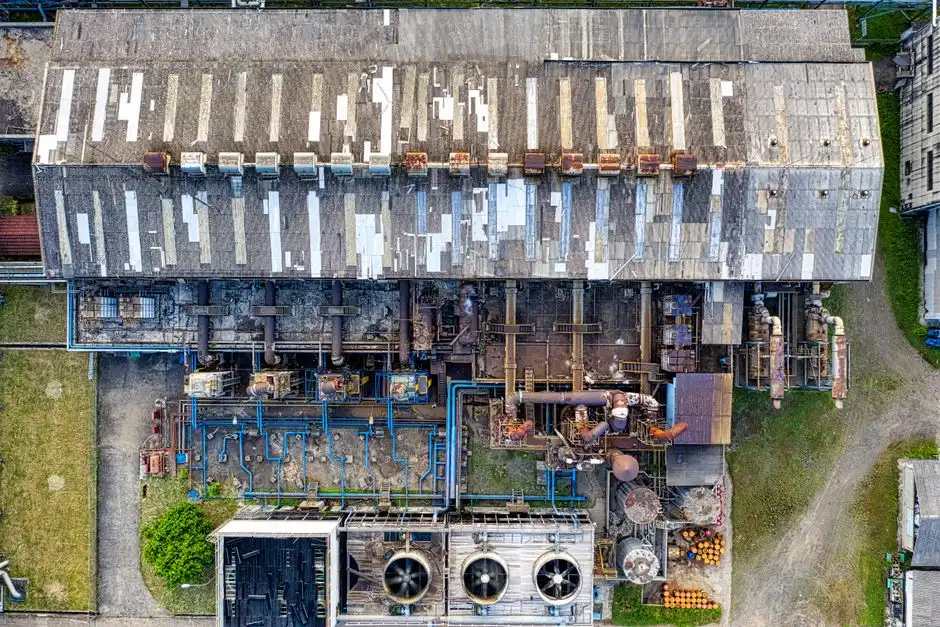
Stream composition dictates the technology choice rather than preference for a specific system. The table below consolidates the operating parameters a procurement manager needs before the first vendor call, including a DAF system for refinery oily wastewater as the DAF reference design and a lamella clarifier as the gravity reference.
| Parameter | DAF (FC-150 / DAF reference) | Gravity / Lamella Clarifier |
|---|---|---|
| TSS removal | 92–98% on light-to-moderate loads (per DAF Corp) | Up to 90% on heavy settleable solids, lower on light TSS |
| FOG / oil removal | ~95% (per Ecologix 2026 selection guide) | ~70%, free oil only (per Ecologix 2026 selection guide) |
| Footprint (per 100 GPM) | ~3–4 m² shallow tank | ~2–3 m² lamella, but 4–5 m tall — needs headroom |
| CAPEX band (200–500 GPM, 2026 installed) | $180K–$650K | $110K–$400K lamella; circular at higher end |
| OPEX drivers | Air compressor, saturator pump, polymer, skim | Rake drive, polymer optional, sludge pumping |
| Sludge consistency | 2–4% solids float | 0.5–2% underflow |
| Best-fit Pine Bluff stream | Desalter brine, tank-bottom draw, oily stormwater | API/CPI bottoms, cooling-tower blowdown solids, biosludge thickening |
Matching the Technology to Your Pine Bluff Process Stream
Stream-by-stream mapping determines the success of a CAPEX justification because requirements change for each waste source. Desalter brine and crude tank draw run hot (110–150°F) with high emulsified oil from shear mixers; DAF is required, with a demulsifier and coagulant dosed ahead of the cell to break the emulsion. API/CPI separator bottoms carry slop oil, sand, and rust—heavy settleable solids that respond to a lamella clarifier for heavy refinery solids at a much lower chemical cost than DAF. Oily stormwater out of the tank-farm dikes is intermittent, often 200–800 GPM spikes, with FOG at 300–1,000 mg/L—DAF with equalization is the only realistic primary, because a clarifier cannot hit 15 mg/L oil on a slug. The ethanol and biodiesel adjunct plants ringing Pine Bluff generate a FOG profile closer to a food plant, where DAF is also the preferred primary (per DAF Corp's oil-and-water separation application list). Produced-water or hydrostatic test water is often low in FOG but high in dissolved solids—a clarifier polish after DAF or CPI is usually sufficient before NPDES discharge or recycle. Effective treatment requires selecting the tool that aligns with the specific contaminant profile of the stream.
2026 CAPEX and OPEX Bands for Pine Bluff Refineries
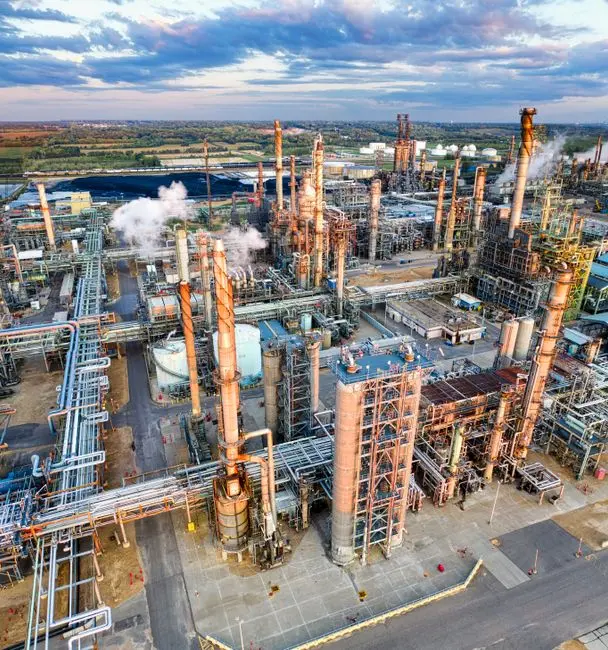
Vendor quotes for 2026 installations in the Pine Bluff region cluster into predictable bands. Skid-mounted DAF systems in the 200–500 GPM range land at $180K–$650K installed, depending on skidded vs field-erected, materials of construction (304L standard, 316L for high chloride service), and whether a HydropureWater automatic chemical dosing for DAF pretreatment package is included. Lamella clarifiers in the same flow range run $110K–$400K installed; circular clarifiers (6–70 ft diameter, per DAF Corp) sit at the upper end of that band. OPEX tells a different story: DAF polymer plus compressed air typically runs $0.08–$0.15 per 1,000 gallons treated, while clarifier polymer is lower but sludge hauling costs climb because of the thinner underflow. Brownfield retrofits around Pine Bluff frequently hit tank-farm setback and containment-dike constraints—that is where skid-mounted DAF units (48–450 GPM, per DAF Corp) pay for themselves by avoiding civil rework. The cost table below maps the realistic 2026 envelope.
| Item | 200 GPM DAF (skid-mounted) | 500 GPM DAF (field-erected) | 200 GPM Lamella Clarifier | 500 GPM Circular Clarifier |
|---|---|---|---|---|
| Equipment CAPEX | $140K–$280K | $320K–$520K | $90K–$200K | $250K–$400K |
| Installation + civil | $40K–$120K | $100K–$180K | $20K–$80K | $60K–$140K |
| Chemical dosing package | $20K–$45K | $30K–$60K | Optional, $10K–$25K | Optional |
| Total installed (2026) | $180K–$400K | $450K–$650K | $110K–$280K | $310K–$540K |
| OPEX ($/1,000 gal) | $0.08–$0.13 | $0.07–$0.12 | $0.05–$0.10 (hauling offset) | $0.05–$0.10 |
Decision Framework: How to Choose in One Page
Five steps will resolve nearly every Pine Bluff scope question before a vendor is engaged.
- Characterize the stream. Pull free-oil vs emulsified-oil split, FOG concentration, TSS, temperature, and flow variability over at least one refinery turnaround cycle.
- Pull the limit. Match the stream against 40 CFR Part 419 subcategory limits and the facility's individual NPDES permit (typical oil & grease daily max 10–15 mg/L per 40 CFR 419.42).
- Match the technology. If FOG > 100 mg/L with variable flow, specify a DAF system for refinery oily wastewater. If TSS > 500 mg/L with low FOG and steady flow, specify a lamella clarifier. If both, run DAF primary with a clarifier polish.
- Check downstream biology. Activated sludge or MBBR needs oil below 50 mg/L to maintain MLSS—DAF is almost always required upstream of any biological step (per standard refinery biotreatment design references).
- Confirm with a jar test or pilot. DAF Corp and most regional vendors offer pilot skids at 80–100 GPM (per DAF Corp pilot data) on actual refinery side-stream before CAPEX commitment.
Implementation Roadmap for a 2026 Pine Bluff Retrofit
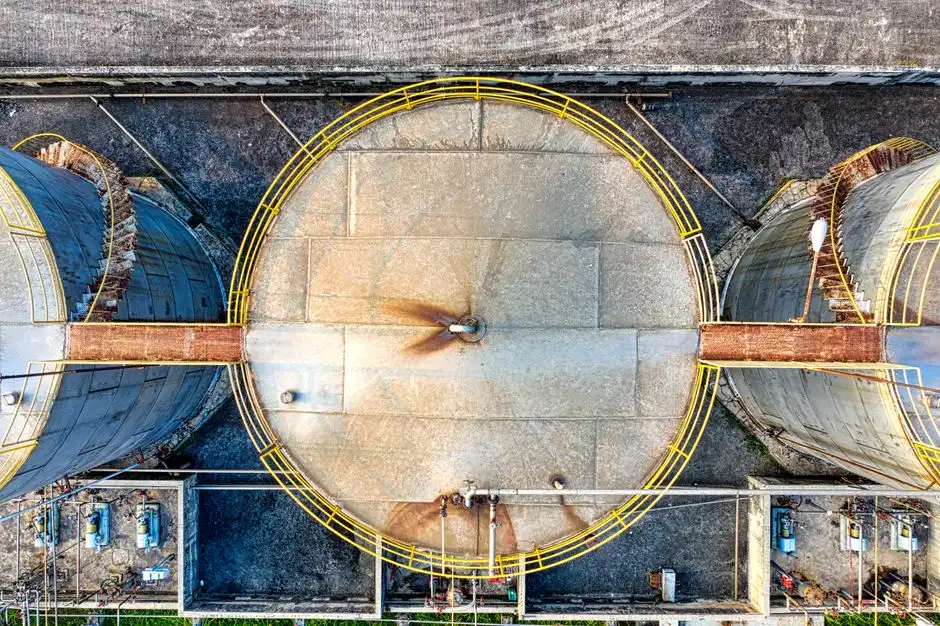
A defensible 12–18 month sequence keeps a 2026 CAPEX request on the right side of an EPA Region 6 inspection cycle. Months 1–2: wastewater characterization across all refinery side-streams, jar testing on the candidate streams, and a pre-design meeting with Arkansas DEQ and EPA Region 6 pretreatment staff. Months 3–5: on-site pilot of the selected technology at 80–100 GPM, generating real removal data the procurement package can cite. Months 6–10: front-end engineering, NPDES permit modification if the new unit changes effluent quality, internal CAPEX approval gated on payback (typically 2–4 years for DAF on polymer and hauling savings). Months 11–14: procurement, fabrication, and installation scheduled into the next planned refinery turnaround to avoid lost-production risk. Months 15–18: commissioning, performance testing against 40 CFR Part 419 limits, and submission of the six-month compliance report to Arkansas DEQ. Following this timeline ensures operational continuity while meeting regulatory milestones.
Frequently Asked Questions
Is DAF or clarifier better for refinery oily wastewater in Pine Bluff?
DAF is the correct primary for free and emulsified oil at the 95% removal benchmark; a clarifier caps out near 70% on free oil only (per Ecologix 2026 selection guide). Most Pine Bluff refineries run a hybrid train.
Can a clarifier meet EPA 40 CFR Part 419 oil and grease limits alone?
Rarely. The 10–15 mg/L daily-max oil and grease limit (per 40 CFR 419.42) usually requires DAF upstream or a clarifier polish after CPI/AFP. A clarifier alone cannot break emulsified oil.